Patent Trademark Law With Ai In Suffolk
Description

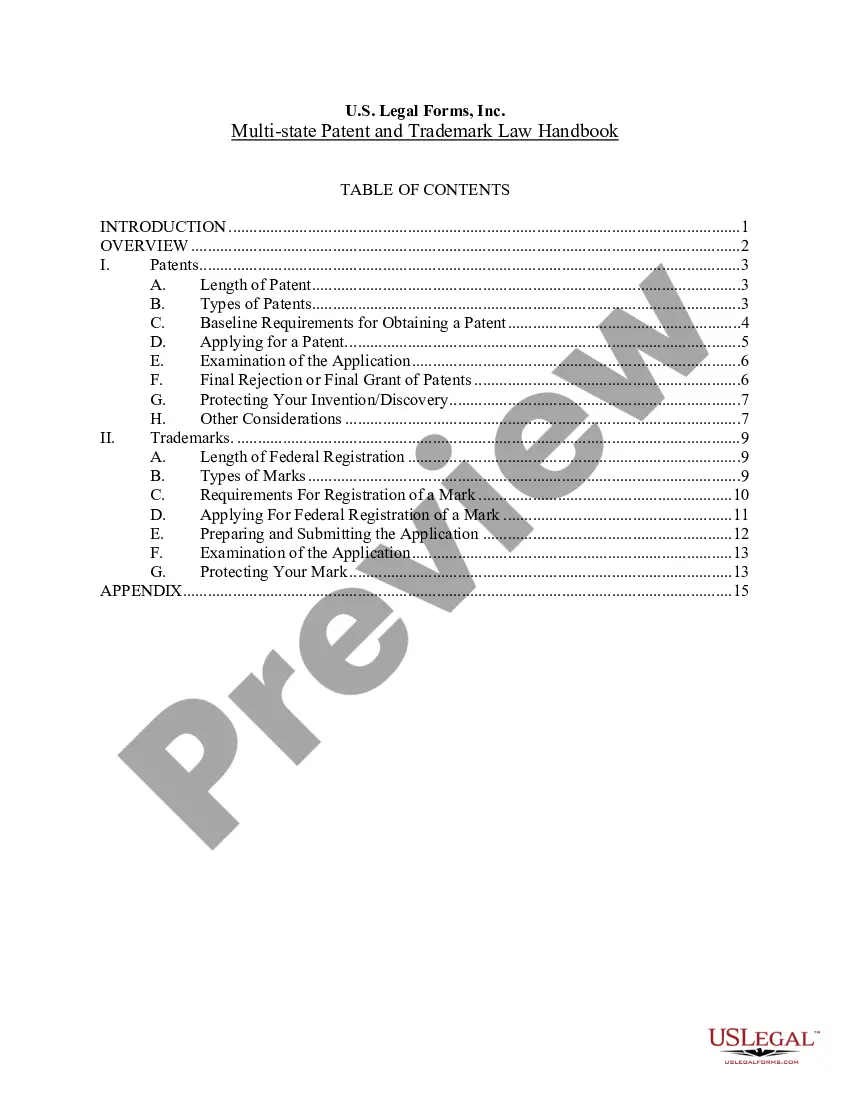
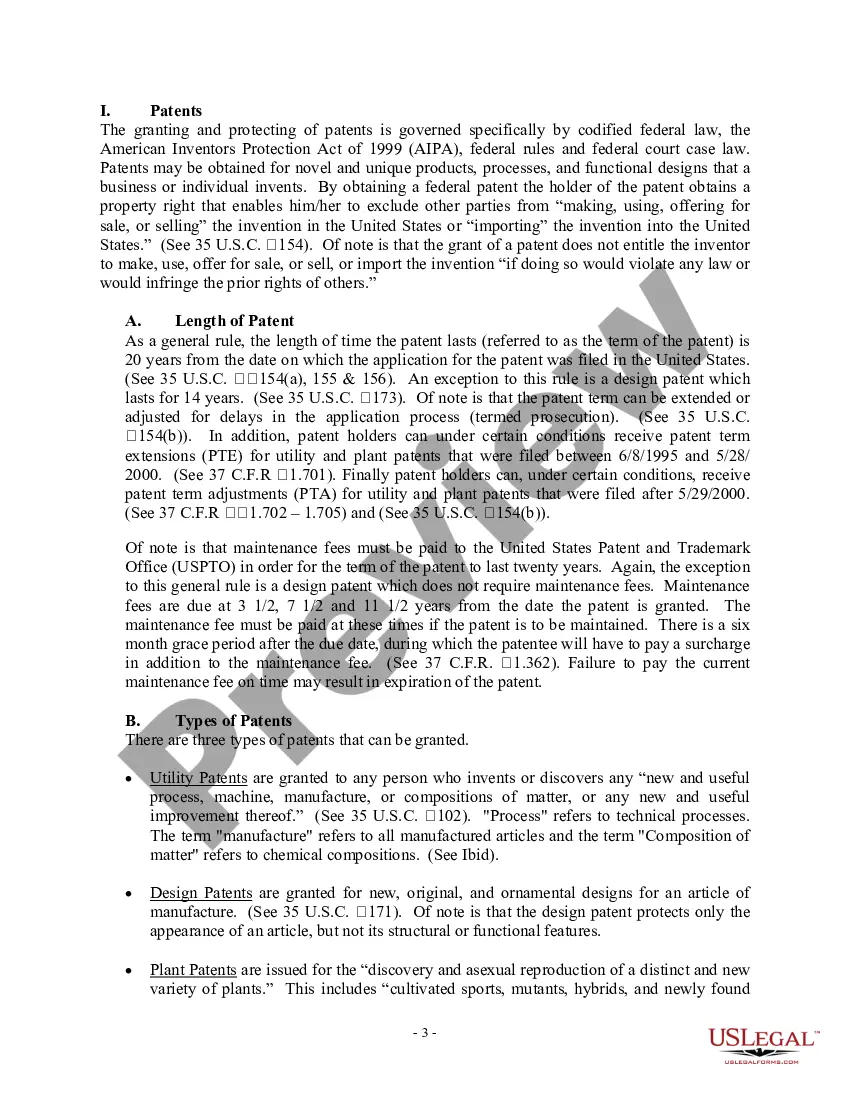
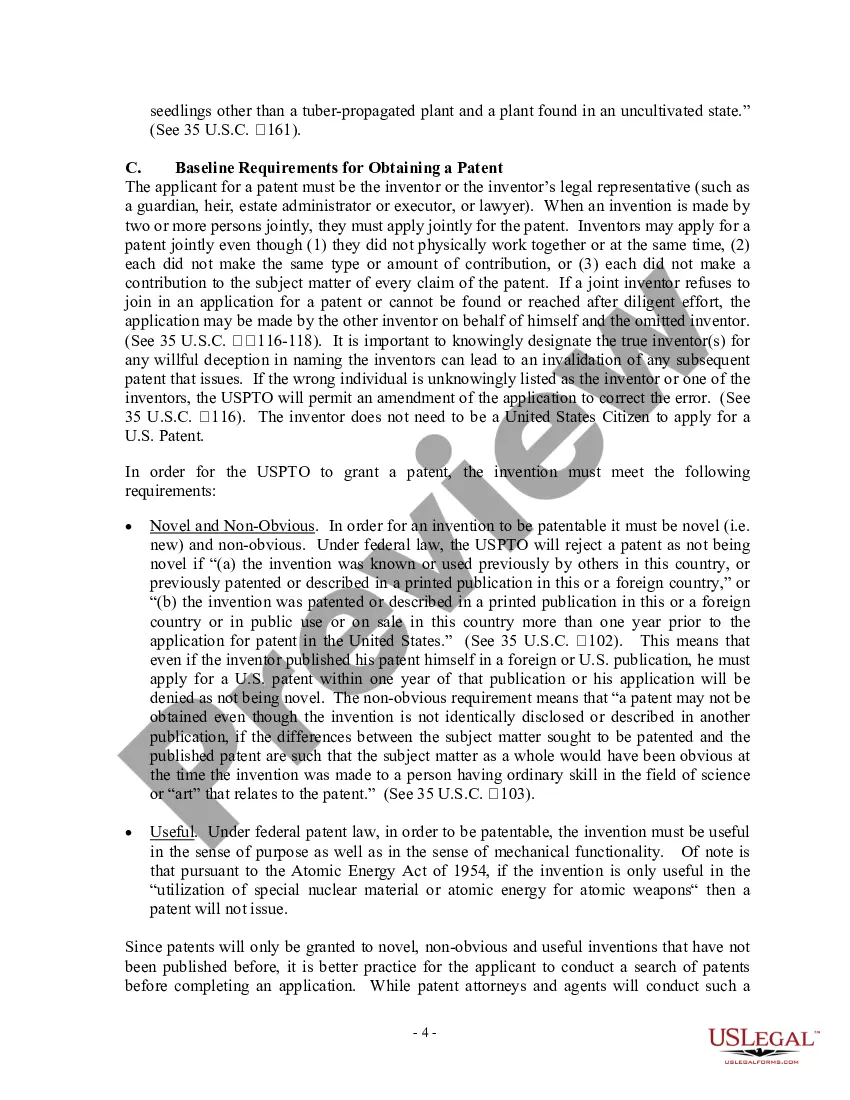
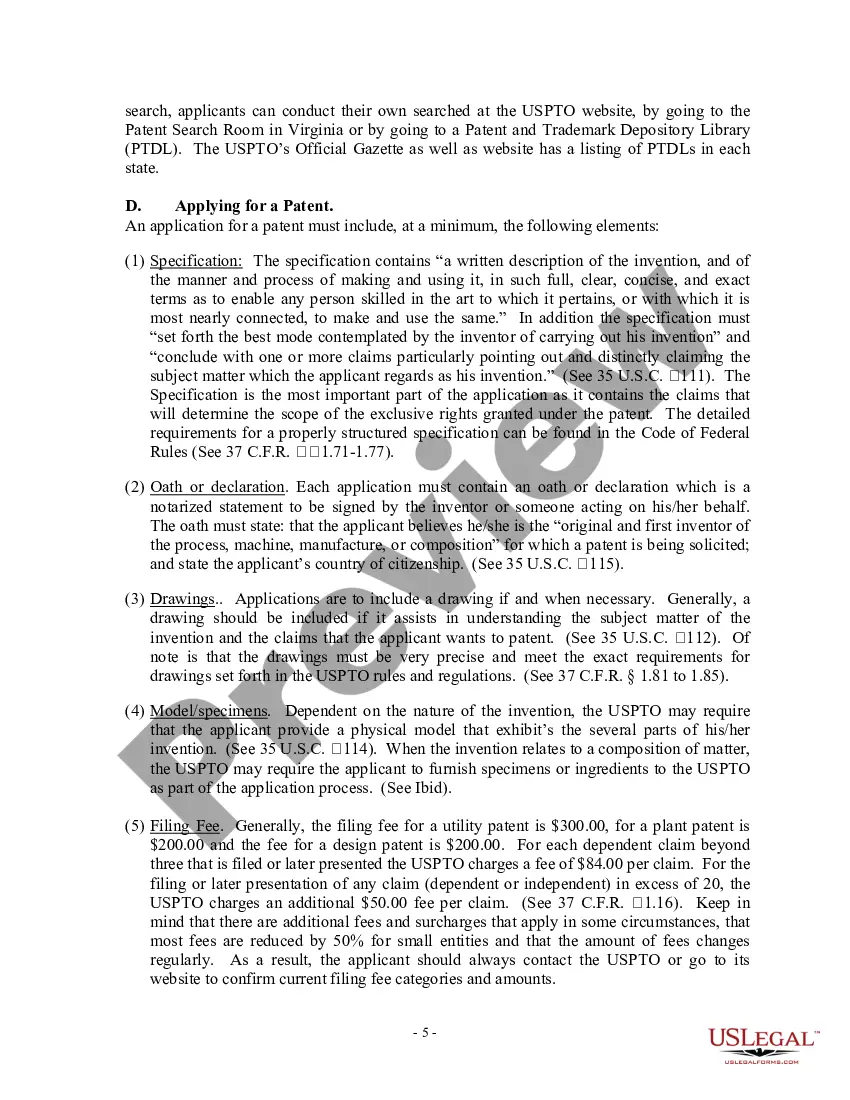
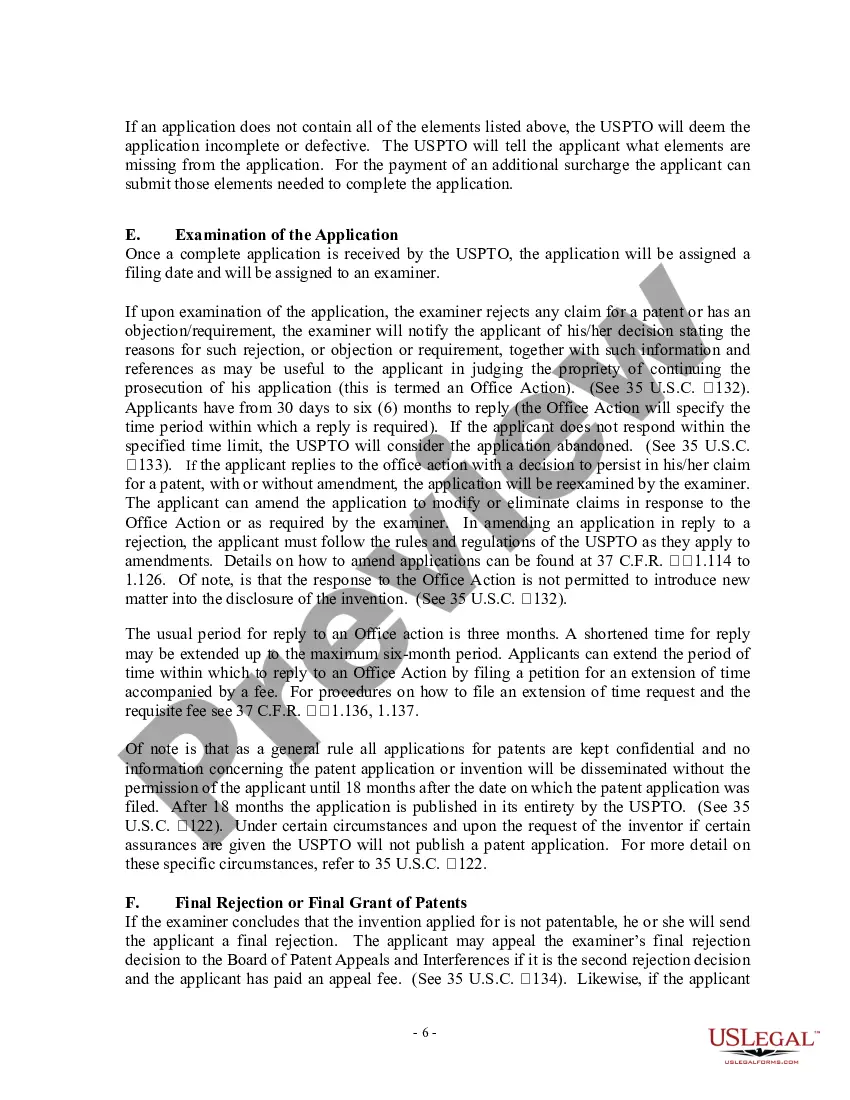
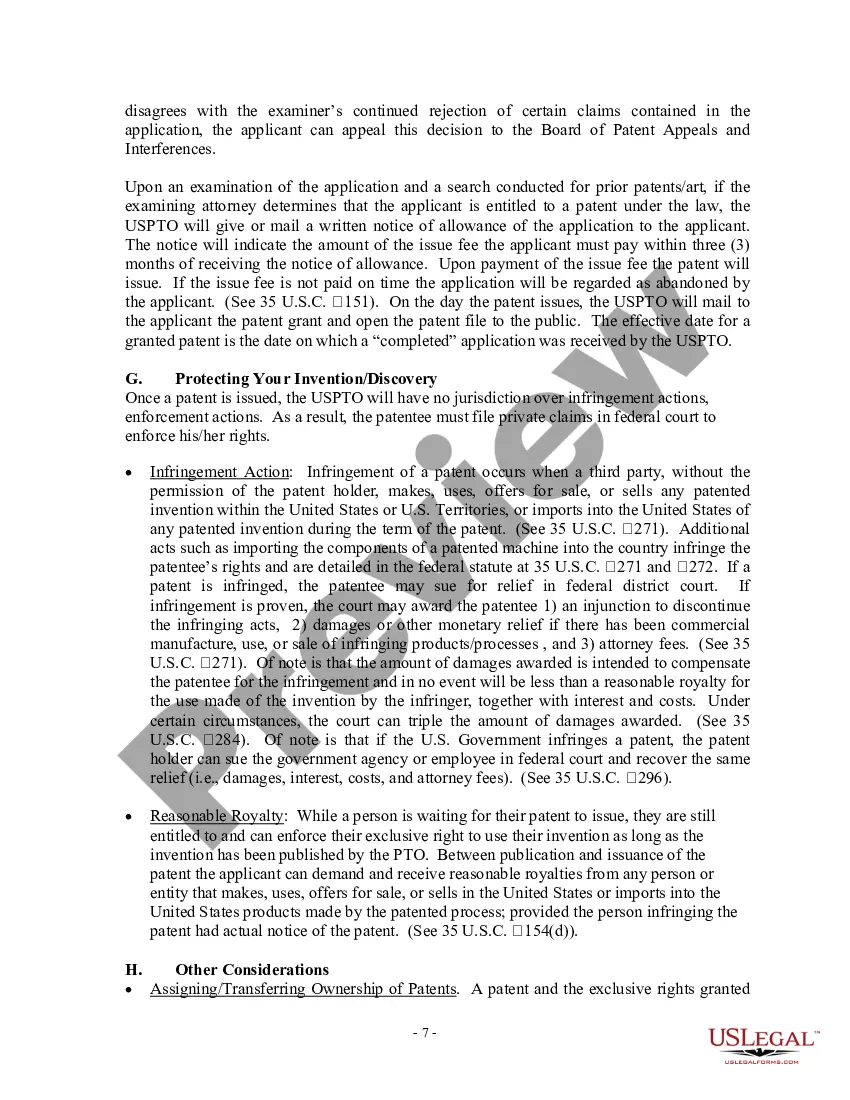



Get your form ready online
Our built-in tools help you complete, sign, share, and store your documents in one place.
Make edits, fill in missing information, and update formatting in US Legal Forms—just like you would in MS Word.
Download a copy, print it, send it by email, or mail it via USPS—whatever works best for your next step.
Sign and collect signatures with our SignNow integration. Send to multiple recipients, set reminders, and more. Go Premium to unlock E-Sign.
If this form requires notarization, complete it online through a secure video call—no need to meet a notary in person or wait for an appointment.
We protect your documents and personal data by following strict security and privacy standards.

Make edits, fill in missing information, and update formatting in US Legal Forms—just like you would in MS Word.

Download a copy, print it, send it by email, or mail it via USPS—whatever works best for your next step.

Sign and collect signatures with our SignNow integration. Send to multiple recipients, set reminders, and more. Go Premium to unlock E-Sign.

If this form requires notarization, complete it online through a secure video call—no need to meet a notary in person or wait for an appointment.

We protect your documents and personal data by following strict security and privacy standards.
Looking for another form?




Form popularity
FAQ
Yes, you can patent an AI invention or a machine learning model. The requirements for patenting an AI invention are the same as other utility patents.
Patent Drafting Process for AI Patents As an inventor, the first step to patenting your AI innovation is to research and understand the AI patent process. This includes understanding the different types of patents, the requirements for patentability, and the steps involved in filing a patent application.
Design patents may be granted to any person who has invented any new, original and ornamental design for an article of manufacture. Thus, it follows that an AI-generated design, without having a person as an inventor, would not qualify for US Design Patent protection.
As AI can now create vast amounts of content, from inventions to artistic works, it could lead to the creation of massive databases of intellectual property. This raises significant risks related to infringement, with AI-generated works potentially being derivative of pre-existing content.
Experience - Must have more than 3 years of experience in Patent Drawing Illustrations. Graduation or Diploma in Mechanical Engineering - The candidate should have sound knowledge of Perspective and Orthographic Views. Should have knowledge of mechanical components and features used in any machine.
To obtain patent protection, you will be required to publicly disclose how to make and use your AI model, which may be undesirable if your AI model is otherwise not publicly identifiable.
Today, IP-focused AI tools are still being tested and refined to bring them up to the standards human IP lawyers apply to patent applications and prosecutions. However, their availability will likely have a beneficial impact on reducing the fees charged for some aspects of patent work.
Technical Process: If a prompt is part of a broader technical process—such as a novel method for interacting with an AI system or a unique way of using the AI to achieve a particular technical result—then it may be eligible for patent protection.
AI is a “sophisticated tool.” For the foreseeable future, AI's role in the innovative process is as a “sophisticated tool” that is not capable of conception to qualify as an “inventor” in its own right.
For those who fear AI, the key takeaway is this: AI does not replace patent attorneys—it makes them more valuable than ever before. Attorneys who embrace AI will not only stay relevant but gain a competitive edge in the evolving legal landscape. The future of patent law belongs to those who use AI strategically.