Patent Trademark Application Withdrawn After Publication In Santa Clara
Description

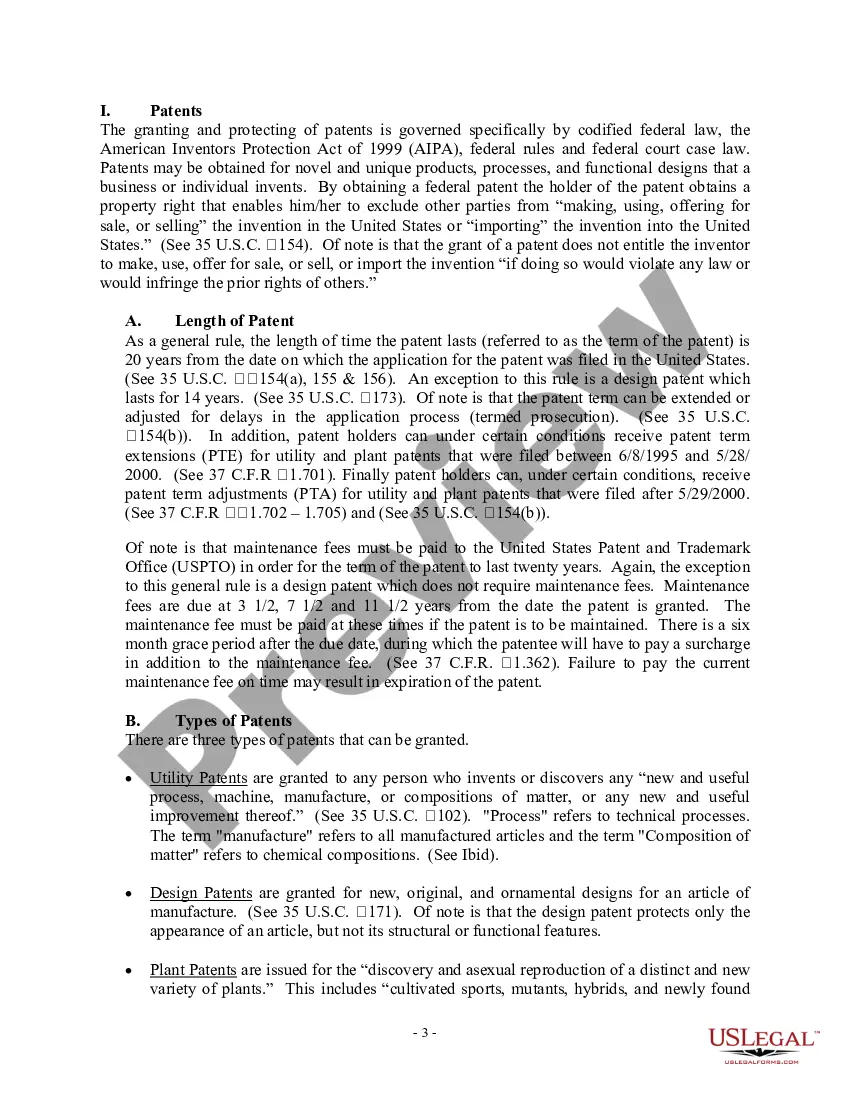
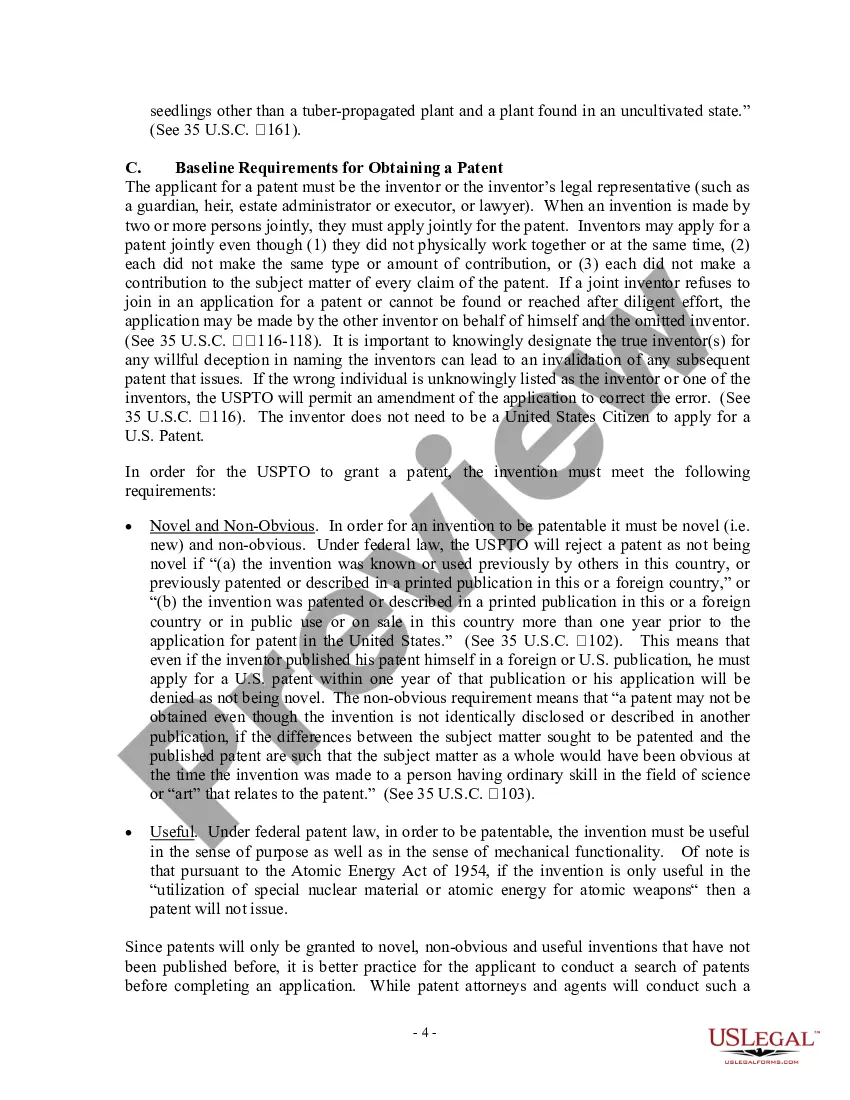
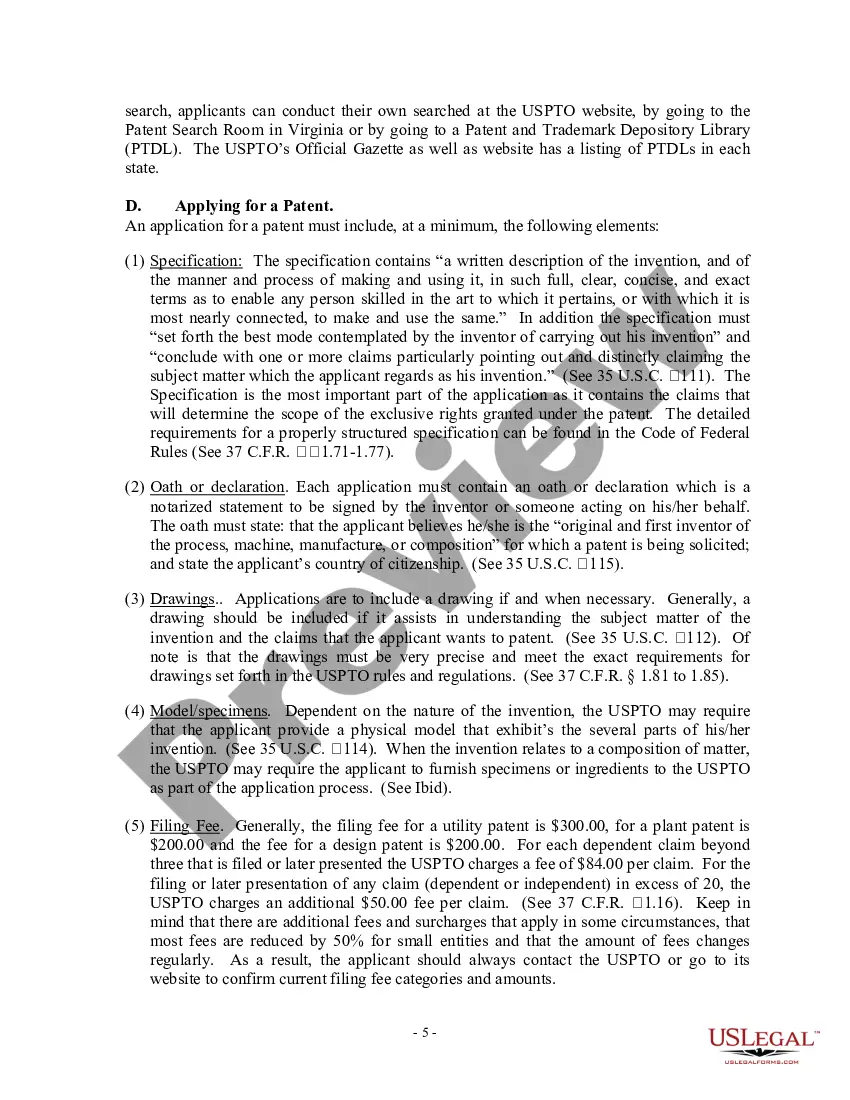
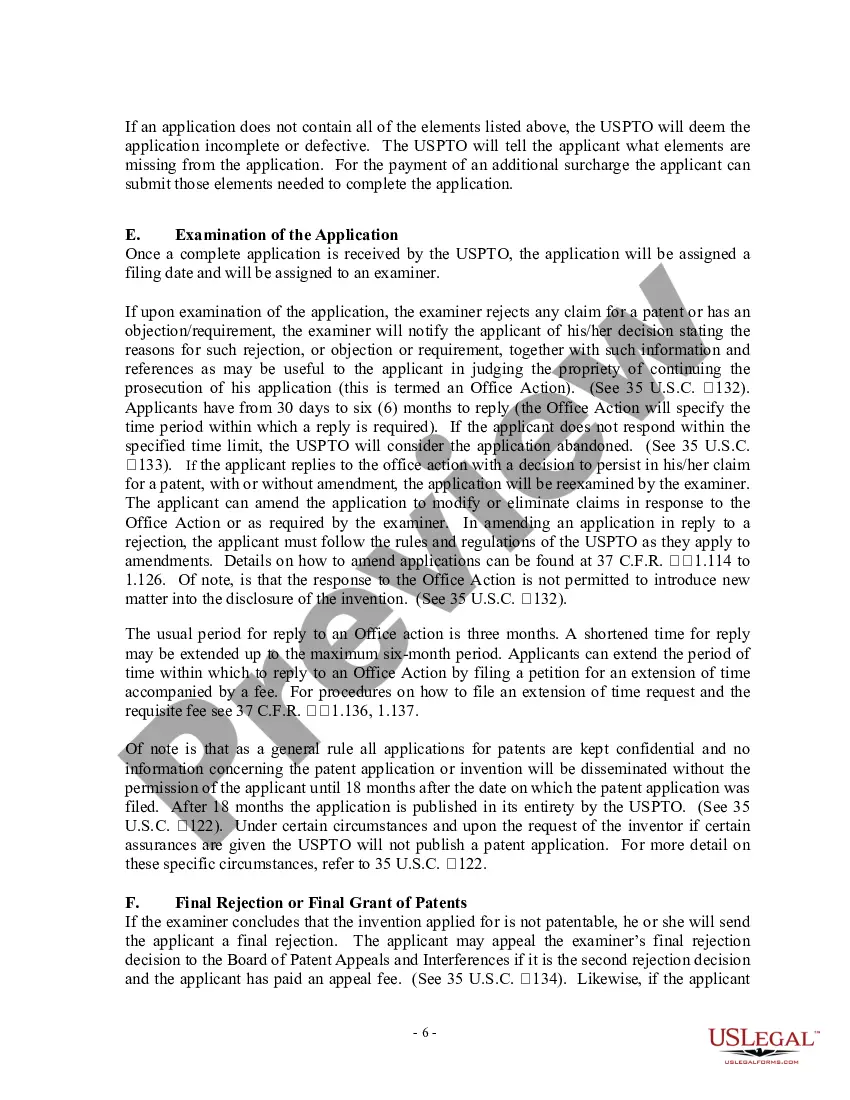


Get your form ready online
Our built-in tools help you complete, sign, share, and store your documents in one place.
Make edits, fill in missing information, and update formatting in US Legal Forms—just like you would in MS Word.
Download a copy, print it, send it by email, or mail it via USPS—whatever works best for your next step.
Sign and collect signatures with our SignNow integration. Send to multiple recipients, set reminders, and more. Go Premium to unlock E-Sign.
If this form requires notarization, complete it online through a secure video call—no need to meet a notary in person or wait for an appointment.
We protect your documents and personal data by following strict security and privacy standards.

Make edits, fill in missing information, and update formatting in US Legal Forms—just like you would in MS Word.

Download a copy, print it, send it by email, or mail it via USPS—whatever works best for your next step.

Sign and collect signatures with our SignNow integration. Send to multiple recipients, set reminders, and more. Go Premium to unlock E-Sign.

If this form requires notarization, complete it online through a secure video call—no need to meet a notary in person or wait for an appointment.

We protect your documents and personal data by following strict security and privacy standards.
Looking for another form?







Form popularity
FAQ
Sometimes, an applicant may need to file an IDS after receiving a Notice of Allowance. If the IDS is being submitted after three months of first discovering the prior art, then an RCE must be filed.
As stated in MPEP 609.04(b): “If an IDS is filed after the mailing date of a Notice of Allowance under 37 CFR 1.311, the application will be withdrawn from issue.” This emphasizes the importance of timely IDS submission to avoid potential delays in patent issuance.
The RCE may be filed with a response or subsequent to the filing of an after-final response. In most cases, you will likely want to file an Office Action response with further claim amendments and arguments in conjunction with the RCE.
The Process of Patent Withdrawal If the request meets the necessary criteria, the patent will be officially withdrawn, and the applicant will lose any rights associated with the patent. It is important to note that the withdrawal of a patent application does not necessarily mean the end of the inventor's journey.
Or you can email FeesHelp@uspto. Filing assignments online: Email AssignmentCenter@uspto or call the Assignment Services Division Customer Service Desk at 571-272-3350 Monday - Friday a.m. to 5 p.m. ET. Filing submissions to the Trademark Trial and Appeal Board (TTAB): Email ESTTA@uspto.
Deemed withdrawn means decision by county that application is no longer valid. “ Discretionary project” means a project that requires the exercise of judgment or.
Withdrawing an application is the process of taking yourself out of consideration for a position that you've applied to. It might involve communicating with a hiring manager or other HR professional via email or phone.
Deemed withdrawn means decision by county that application is no longer valid. “ Discretionary project” means a project that requires the exercise of judgment or.
Definition: An allowed application for a patent in which the applicant files correspondence to withdraw the patent from issue; ;thus preventing it from issuing on the patent issue date.
On average, it can take anywhere from 12 to 36 months for a patent to be issued after its publication, assuming everything goes smoothly. However, this is a broad estimate and some patents may be granted sooner, while others may face longer delays.