Patent Use Can Withdraw In San Jose
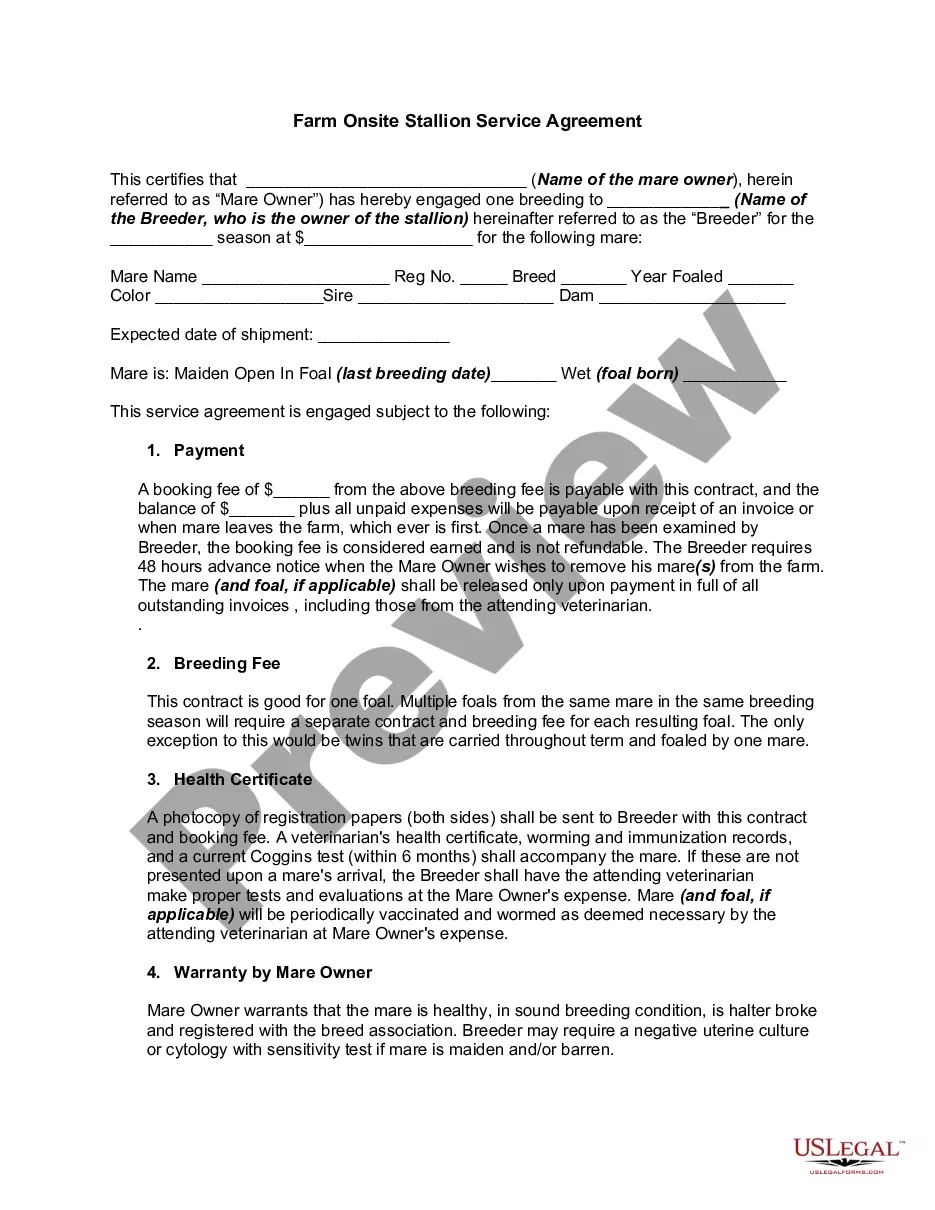
Description



Get your form ready online
Our built-in tools help you complete, sign, share, and store your documents in one place.
Make edits, fill in missing information, and update formatting in US Legal Forms—just like you would in MS Word.
Download a copy, print it, send it by email, or mail it via USPS—whatever works best for your next step.
Sign and collect signatures with our SignNow integration. Send to multiple recipients, set reminders, and more. Go Premium to unlock E-Sign.
If this form requires notarization, complete it online through a secure video call—no need to meet a notary in person or wait for an appointment.
We protect your documents and personal data by following strict security and privacy standards.

Make edits, fill in missing information, and update formatting in US Legal Forms—just like you would in MS Word.

Download a copy, print it, send it by email, or mail it via USPS—whatever works best for your next step.

Sign and collect signatures with our SignNow integration. Send to multiple recipients, set reminders, and more. Go Premium to unlock E-Sign.

If this form requires notarization, complete it online through a secure video call—no need to meet a notary in person or wait for an appointment.

We protect your documents and personal data by following strict security and privacy standards.
Looking for another form?








Form popularity
FAQ
Yes, you should expressly abandon your first provisional patent application before refiling the same provisional especially if the subsequent provisional will be filed during a time period in which the first provisional may still have outstanding rights.
Withdrawing applications by email before publication If an application is to be withdrawn by email in time to prevent publication, the email message must be received by this office up to 11.59pm on the day before preparations for publication are complete.
Publication can only be prevented by withdrawing the application. In order to prevent publication, it is necessary to withdraw the application before the UK Intellectual Property Office (IPO) complete their preparations for publication of the application which is usually a number of weeks before the publication date.
If the inventor confirms that they do not intend to pursue their patent, then it is likely considered abandoned and you can attempt to use it. However, doing so without permission or proper documentation may still present a risk of infringement suits, so it's important to proceed with caution.
Many patent holders wonder, Can my patent be revoked? The answer is yes, and it can happen in two primary ways: through changes in law or by challenges to the patent's validity. In this article, we'll explore these two scenarios and what they mean for patent holders.
Patent revocation means cancellation of the rights granted to a person by the grant of a patent. A patent can be revoked on petition of any person interested or of the Central Government or on a counter claim in a suit for infringement of the patent by the High Court.
Patents are territorial rights. In general, the exclusive rights are only applicable in the country or region in which a patent has been filed and granted, in ance with the law of that country or region. How are patent rights enforced?
While patents are a powerful tool for protecting your innovations, they're not invincible. The enforceability of a patent can be challenged or even revoked due to changes in the law or by uncovering prior art during litigation.
(a) Applications may be withdrawn from issue for further action at the initiative of the Office or upon petition by the applicant.
