Patent Trademark Law With Example In Riverside
Description

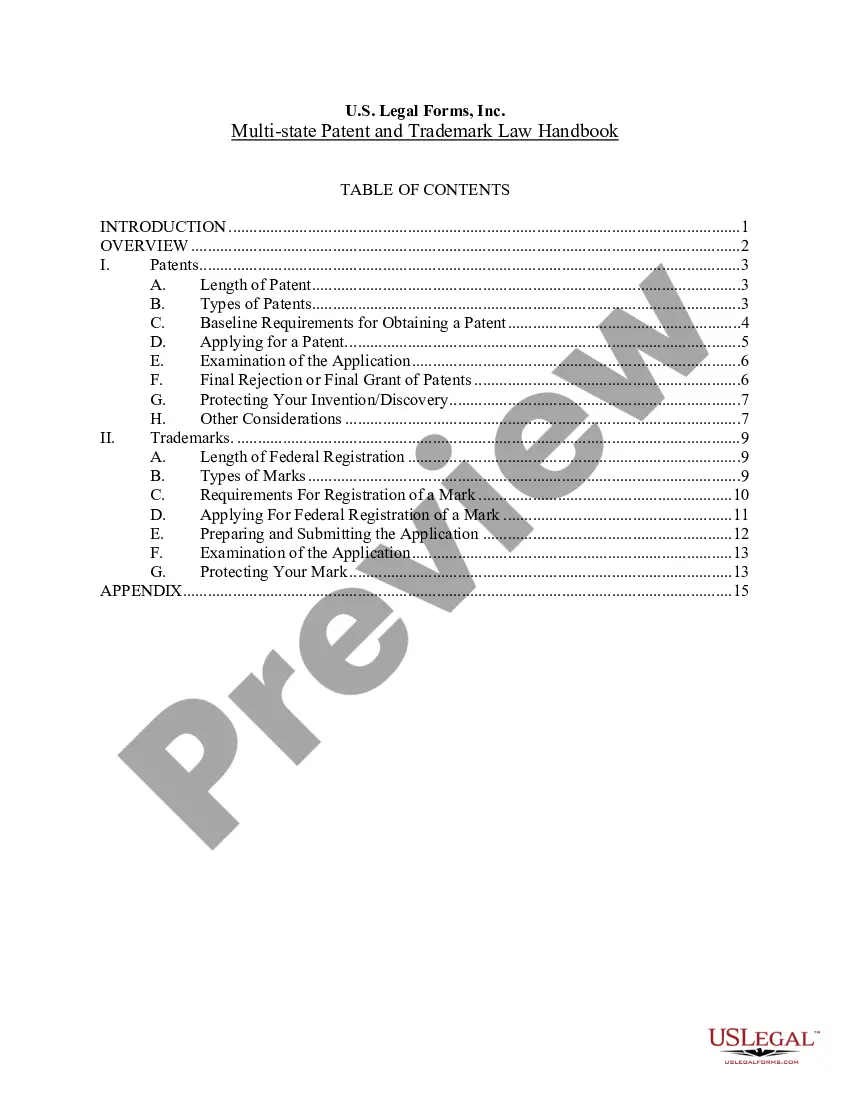
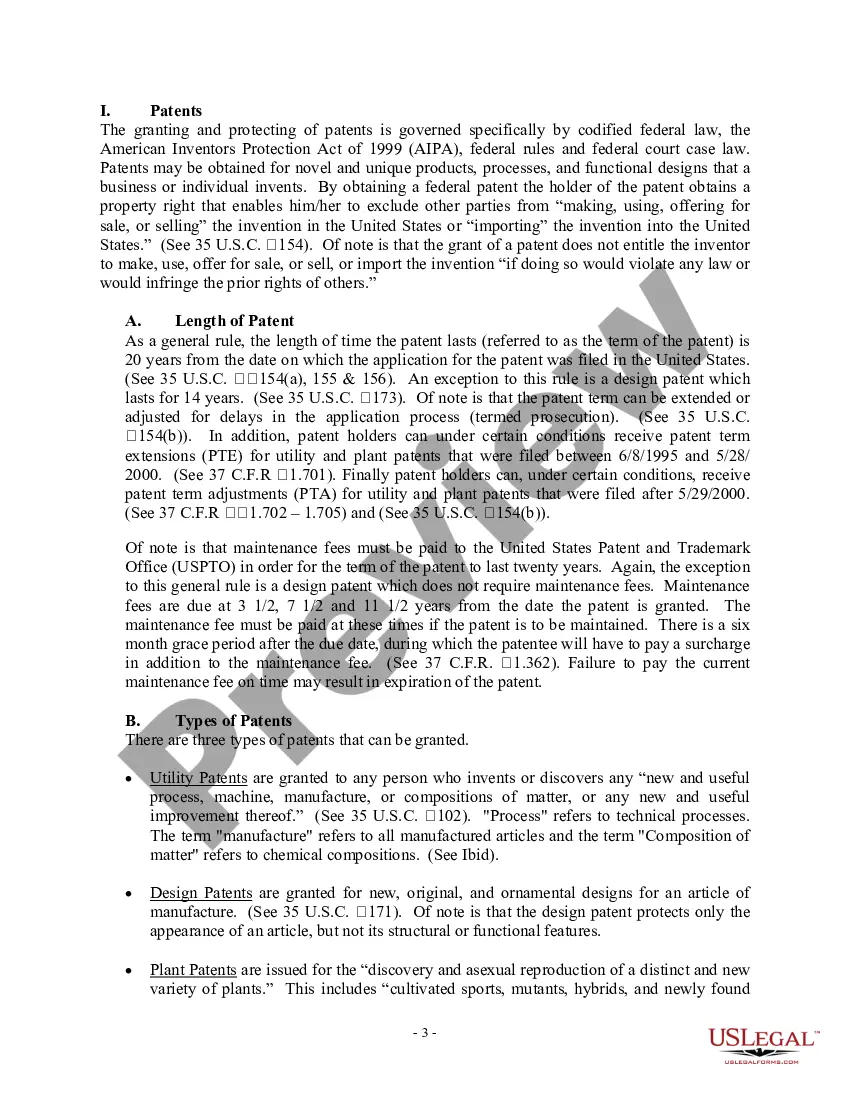



Get your form ready online
Our built-in tools help you complete, sign, share, and store your documents in one place.
Make edits, fill in missing information, and update formatting in US Legal Forms—just like you would in MS Word.
Download a copy, print it, send it by email, or mail it via USPS—whatever works best for your next step.
Sign and collect signatures with our SignNow integration. Send to multiple recipients, set reminders, and more. Go Premium to unlock E-Sign.
If this form requires notarization, complete it online through a secure video call—no need to meet a notary in person or wait for an appointment.
We protect your documents and personal data by following strict security and privacy standards.

Make edits, fill in missing information, and update formatting in US Legal Forms—just like you would in MS Word.

Download a copy, print it, send it by email, or mail it via USPS—whatever works best for your next step.

Sign and collect signatures with our SignNow integration. Send to multiple recipients, set reminders, and more. Go Premium to unlock E-Sign.

If this form requires notarization, complete it online through a secure video call—no need to meet a notary in person or wait for an appointment.

We protect your documents and personal data by following strict security and privacy standards.
Looking for another form?










Form popularity
FAQ
Trademarks, patents, and copyrights are different types of intellectual property. The USPTO grants patents and registers trademarks. The U.S. Copyright Office at the Library of Congress registers copyrights. Use the IP Identifier to learn what kind of intellectual property you have.
For instance, a soft drink company can't legally use a symbol that looks like that of Coca-Cola and it can't use a name that sounds like Coke. A trademark does not need to be registered for the owner to prevent others from using it or a confusingly similar mark.
A U.S. patent gives you, the inventor, the right to “exclude others from making, using, offering for sale, or selling” an invention or “importing” it into the U.S. A plant patent gives you additional rights on the “parts” of plants (e.g., a plant patent on an apple variety would include rights on the apples from the ...
Patents are intended to protect inventions of a functional or design nature. Trademarks provide protection for indicators of the source of products and services used in commercial trade, such as words or logos. Copyrights provide protection for literary and artistic expressions.
Answer and Explanation: Patents, Copyrights and Trademarks are an example of an intangible assets. These assets does not possess a physical substance because they are just right granted.
Protecting Your Ideas Patents, trademarks and copyrights are collectively known as intellectual property and generally refer to the rights associated with intangible knowledge or concepts.
Patents are intended to protect inventions of a functional or design nature. Trademarks provide protection for indicators of the source of products and services used in commercial trade, such as words or logos.
Intellectual Property in Everyday Life From the brand of coffee you prefer in the morning to the smartphone apps you use throughout the day, IP is everywhere. It's in the design of your car, the movies you stream, and even in the names of the products you love.
Patents can protect the functional features of a process, machine, manufactured item, asexually reproduced plant, or composition of matter, for example. TRADEMARK LAW. Trademark law protects words, phrases, logos or symbols used to distinguish one product from another.
Definition of Trademark A trademark is used to identify goods made by a specific producer. Tom's distinctive logo would be one such example, but trademarks can also take the forms of phrases, words, or symbols. Distinctive sounds, scents, or even shapes and colors can also be registered as trademarks.
