Trademark Law In Nigeria In Pima
Description

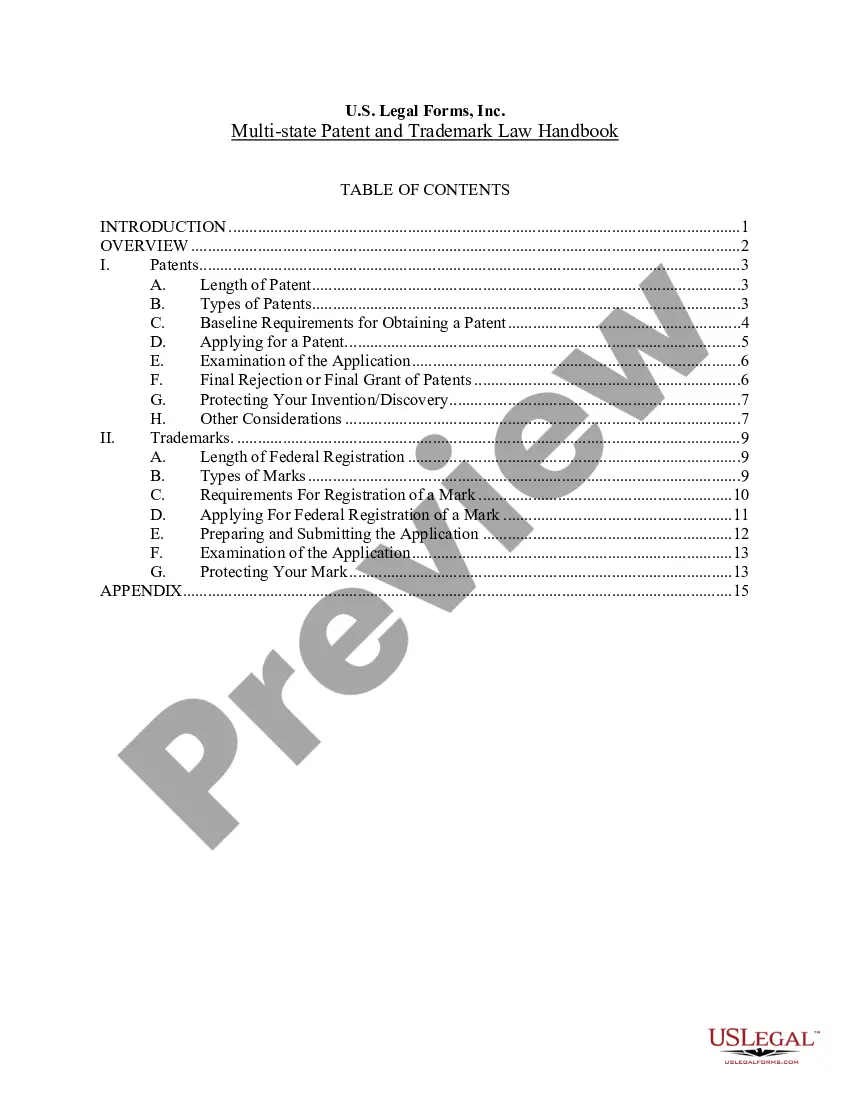
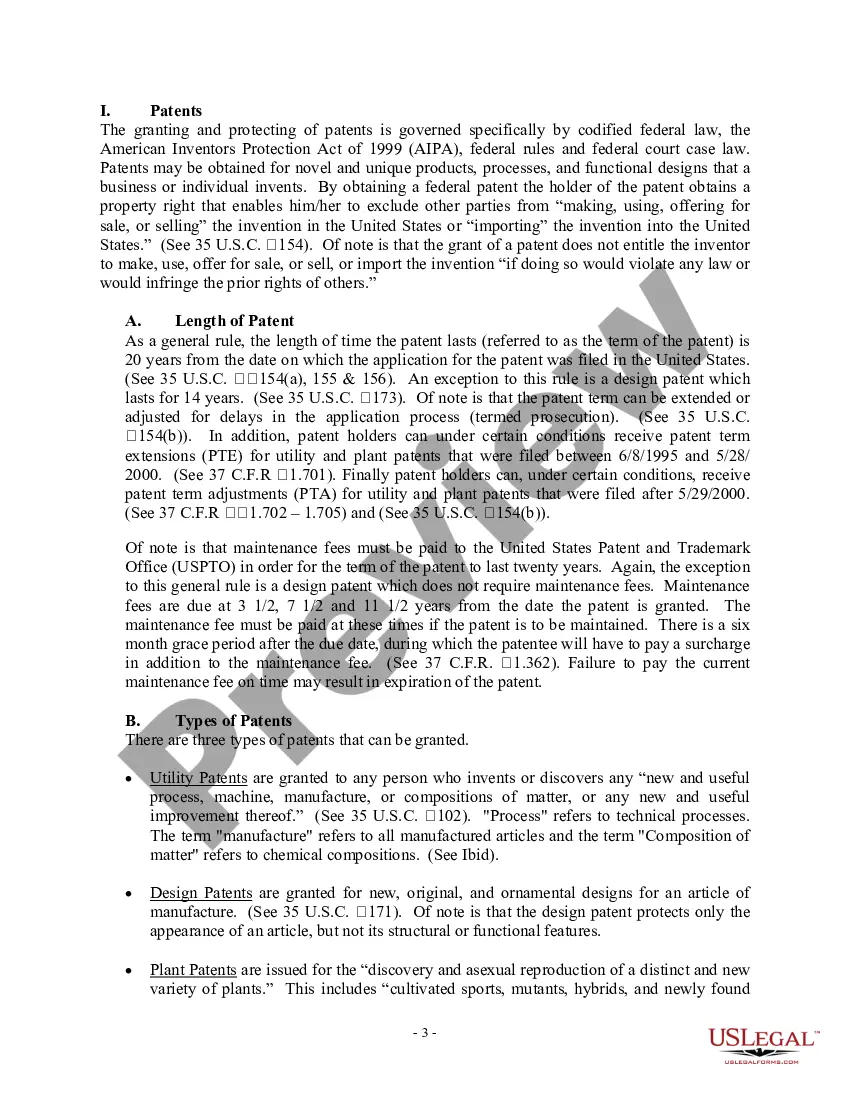



Get your form ready online
Our built-in tools help you complete, sign, share, and store your documents in one place.
Make edits, fill in missing information, and update formatting in US Legal Forms—just like you would in MS Word.
Download a copy, print it, send it by email, or mail it via USPS—whatever works best for your next step.
Sign and collect signatures with our SignNow integration. Send to multiple recipients, set reminders, and more. Go Premium to unlock E-Sign.
If this form requires notarization, complete it online through a secure video call—no need to meet a notary in person or wait for an appointment.
We protect your documents and personal data by following strict security and privacy standards.

Make edits, fill in missing information, and update formatting in US Legal Forms—just like you would in MS Word.

Download a copy, print it, send it by email, or mail it via USPS—whatever works best for your next step.

Sign and collect signatures with our SignNow integration. Send to multiple recipients, set reminders, and more. Go Premium to unlock E-Sign.

If this form requires notarization, complete it online through a secure video call—no need to meet a notary in person or wait for an appointment.

We protect your documents and personal data by following strict security and privacy standards.
Looking for another form?






Form popularity
FAQ
Non-Registrable Marks that cannot be registered as Trademarks in Nigeria Any mark which, if registered, is likely to deceive or cause confusion in the minds of people; Any scandalous design. Geographical names in their ordinary signification eg names of cities, countries, villages, etc Names of chemical substances.
The principal legislations regulating trademarks in Nigeria are the Trade Marks Act, 1965; the Trade Marks Regulations, 1967; the Merchandise Marks Act, cap M10; the Laws of the Federation of Nigeria 2004 (LFN 2004); and the Trademark Malpractices (Miscellaneous Offences) Act, cap T12, LFN 2004.
Presently in Nigeria, there are 3 major laws relating to Intellectual Property. There are the Copyright Act, Chapter C28 Laws of the Federation of Nigeria 2004; the Trademarks Act, Chapter T13 Laws of the Federation of Nigeria 2004; The Patents and Designs Act, and Chapter P2 Laws of the Federation of Nigeria 2004.
One major way to conduct a trademark search is through the online portal of Trademarks, Patents, and Designs Registry, also known as the Intellectual Property Office. However, before one can conduct searches, he or she must be an accredited user.
The validity term of a trademark in Nigeria is 7 years from the filing date and renewable for the successive periods of 14 years. An application for renewal must be filed 3 months before the expiration date of the registration.
In general, personal names are not eligible for copyright protection. Copyright law doesn't extend to simple names or combinations of names. However, if a person's name is associated with a specific creative work, like a book or song, the protection would extend to the work itself rather than the name.
Marks or Designs that are unlawful or contravene public policy, deceptive or scandalous marks that are likely to cause confusion, names of chemical substances, similar or identical marks or designs, geographical names in their ordinary signification are not registrable as trademarks in Nigeria.
Personal names Personal names cannot be trademarked. For example, you cannot trademark the name “John Smith” or the name “Mary Jones.”
Unlike company registration which may be completed within one to two weeks, trademark registration may take up to 18 months before the entire process can be completed. Trademark lasts for a period of 7 years and can be renewed after an expiration from time to time. Every subsequent registration lasts for 14 years.
Requirements for Registration of Trademark: Applicant's details (i.e., name, signature, nationality, and address). Details of the trademark. A representation of the mark. The classification of goods and/or services (Nigeria uses the Nice Classification of Goods and Services).