Patent Trademark Meaning In Philadelphia
Description

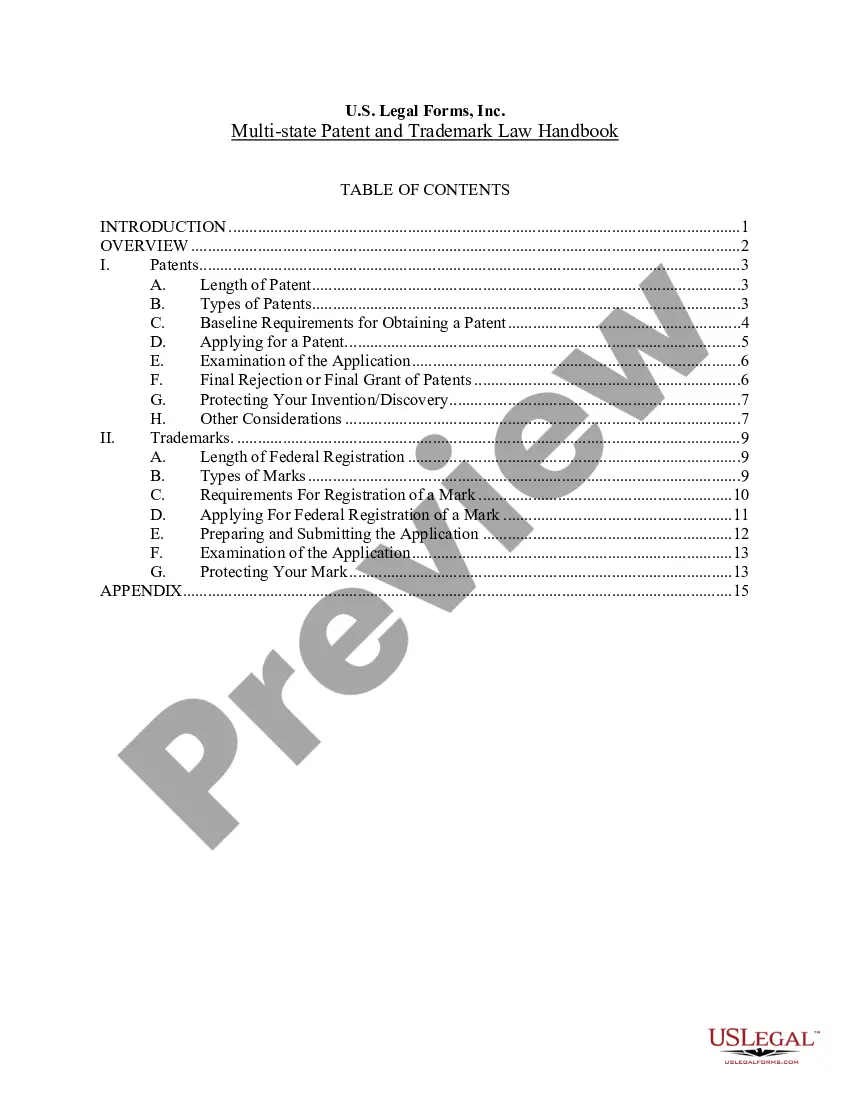
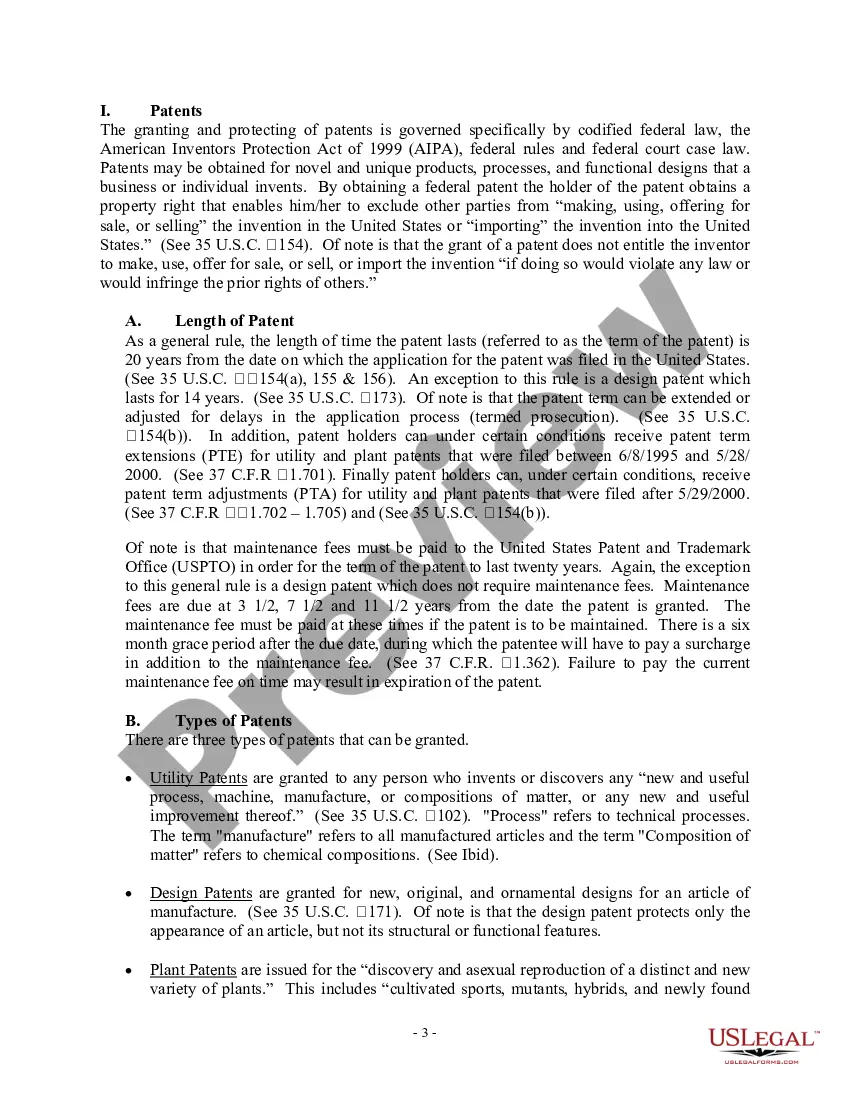


Get your form ready online
Our built-in tools help you complete, sign, share, and store your documents in one place.
Make edits, fill in missing information, and update formatting in US Legal Forms—just like you would in MS Word.
Download a copy, print it, send it by email, or mail it via USPS—whatever works best for your next step.
Sign and collect signatures with our SignNow integration. Send to multiple recipients, set reminders, and more. Go Premium to unlock E-Sign.
If this form requires notarization, complete it online through a secure video call—no need to meet a notary in person or wait for an appointment.
We protect your documents and personal data by following strict security and privacy standards.

Make edits, fill in missing information, and update formatting in US Legal Forms—just like you would in MS Word.

Download a copy, print it, send it by email, or mail it via USPS—whatever works best for your next step.

Sign and collect signatures with our SignNow integration. Send to multiple recipients, set reminders, and more. Go Premium to unlock E-Sign.

If this form requires notarization, complete it online through a secure video call—no need to meet a notary in person or wait for an appointment.

We protect your documents and personal data by following strict security and privacy standards.
Looking for another form?





Form popularity
FAQ
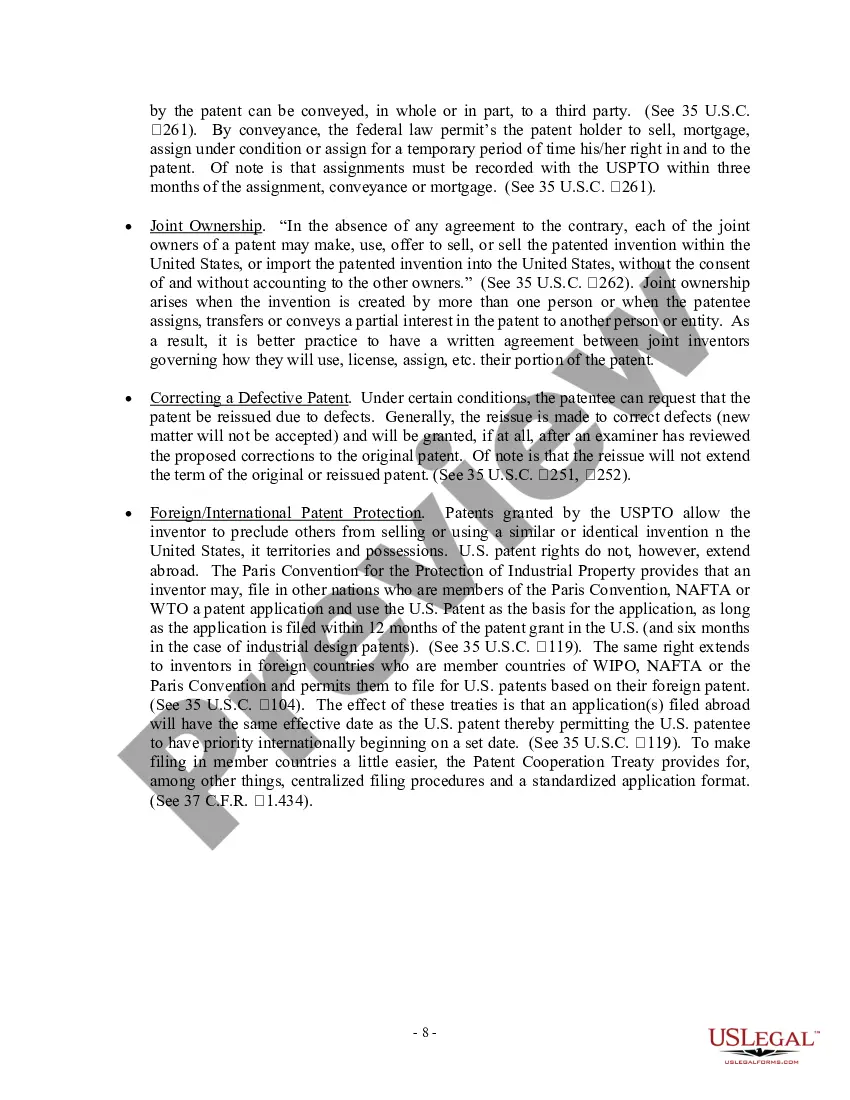
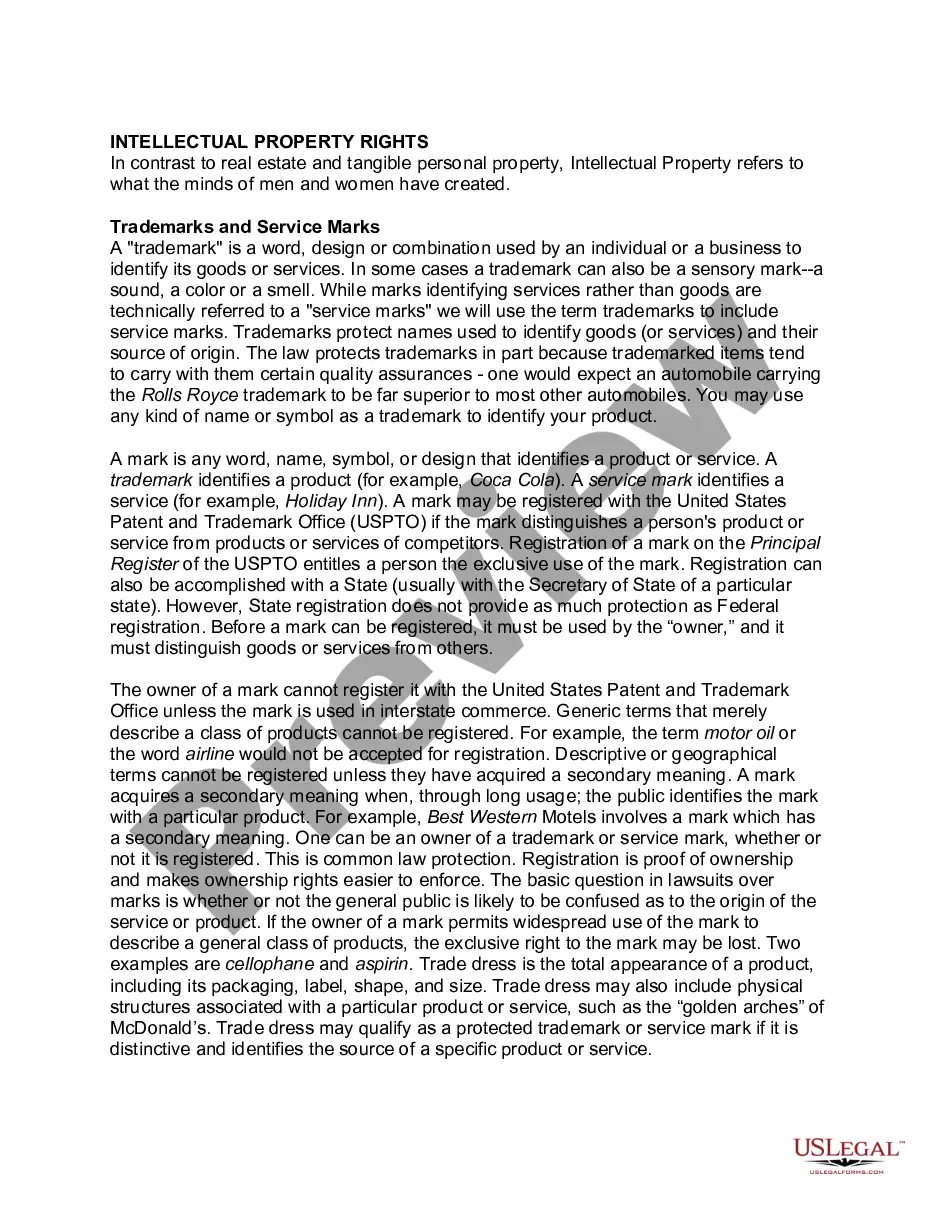
What Is the Difference Between a Patent, Copyright, and Trademark? A patent protects new inventions, processes, or scientific creations, a trademark protects brands, logos, and slogans, and a copyright protects original works of authorship.
The McDonald's golden arches design is an example of a registered trademark in special form format. The company Nike registered this trademark in special form format, combining the stylized word Nike with their swoosh logo. The format of the trademark you apply to register affects your application filing requirements.
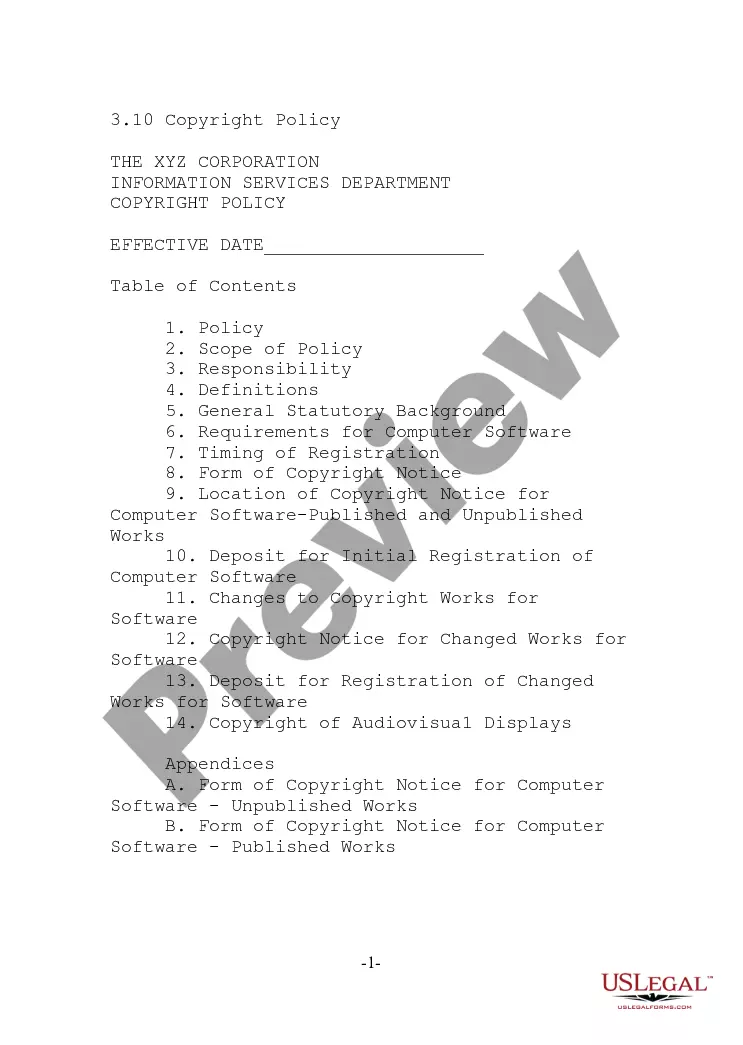
How is a copyright different from a patent or a trademark? Copyright protects original works of authorship, while a patent protects inventions or discoveries.
Trademarks, patents, and copyrights are different types of intellectual property. The USPTO grants patents and registers trademarks. The U.S. Copyright Office at the Library of Congress registers copyrights. Use the IP Identifier to learn what kind of intellectual property you have.
Trademarks, patents, copyrights, domain names, and business name registrations all differ, so it is important to learn whether a trademark is appropriate for you. A trademark typically protects brand names and logos used on goods and services. A patent protects an invention.
