Patent Trademark Law With Engineering Degree In Pennsylvania
Description

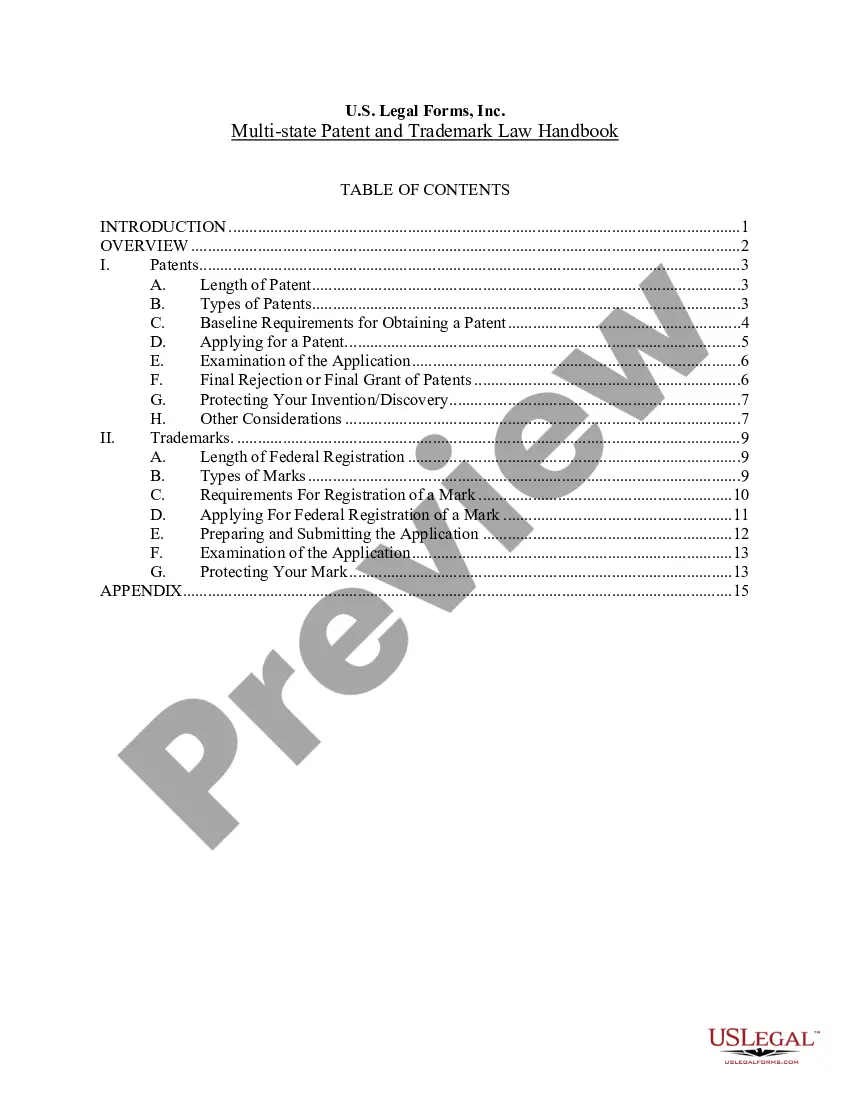
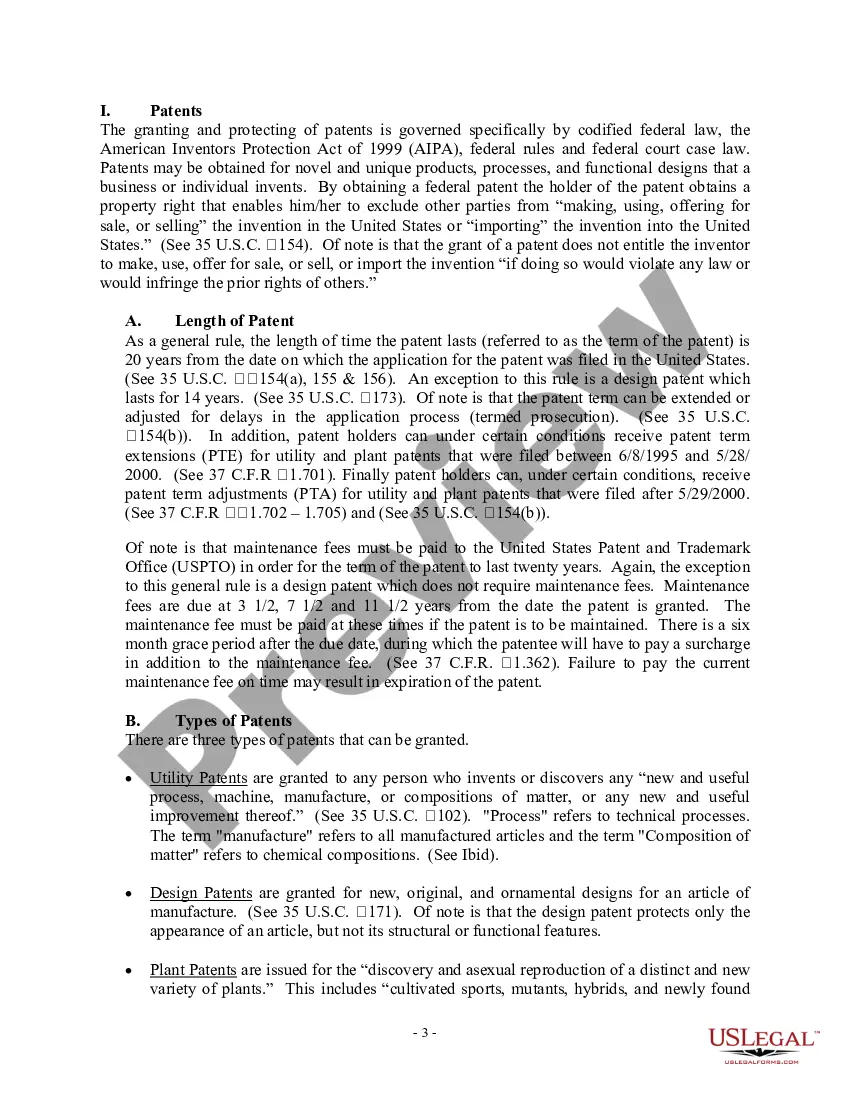
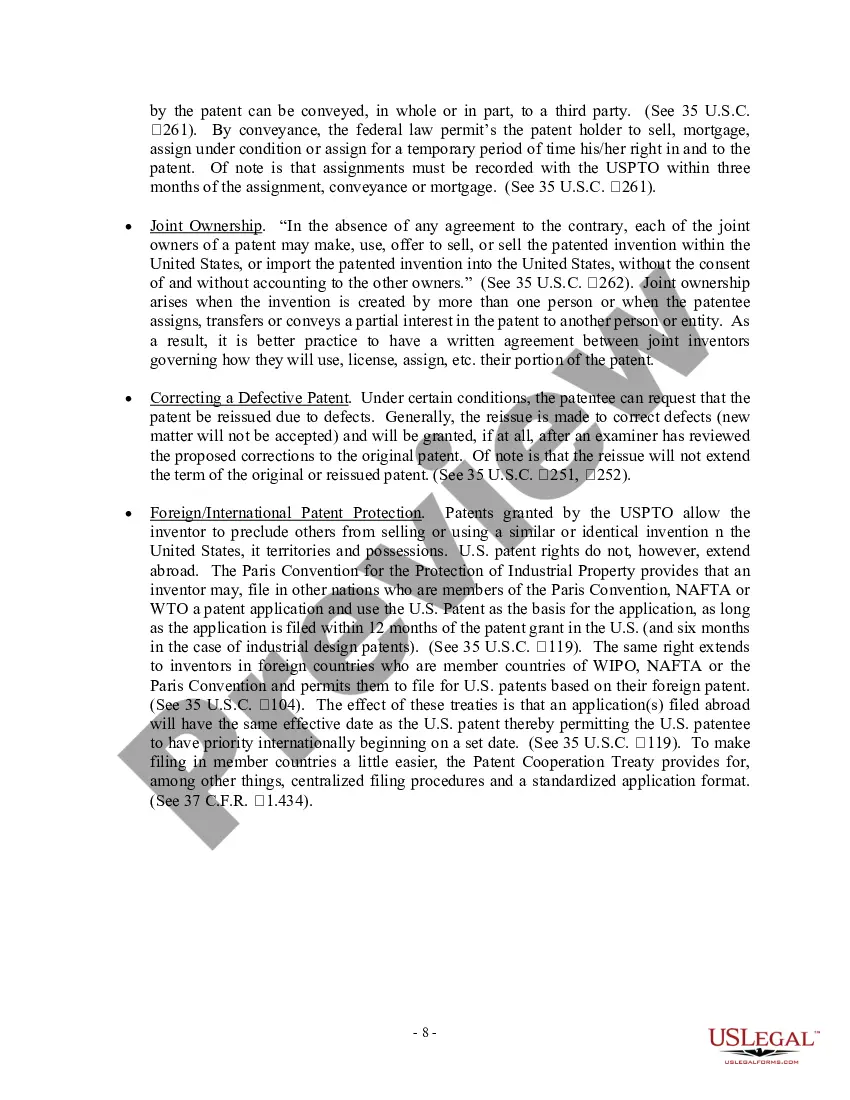


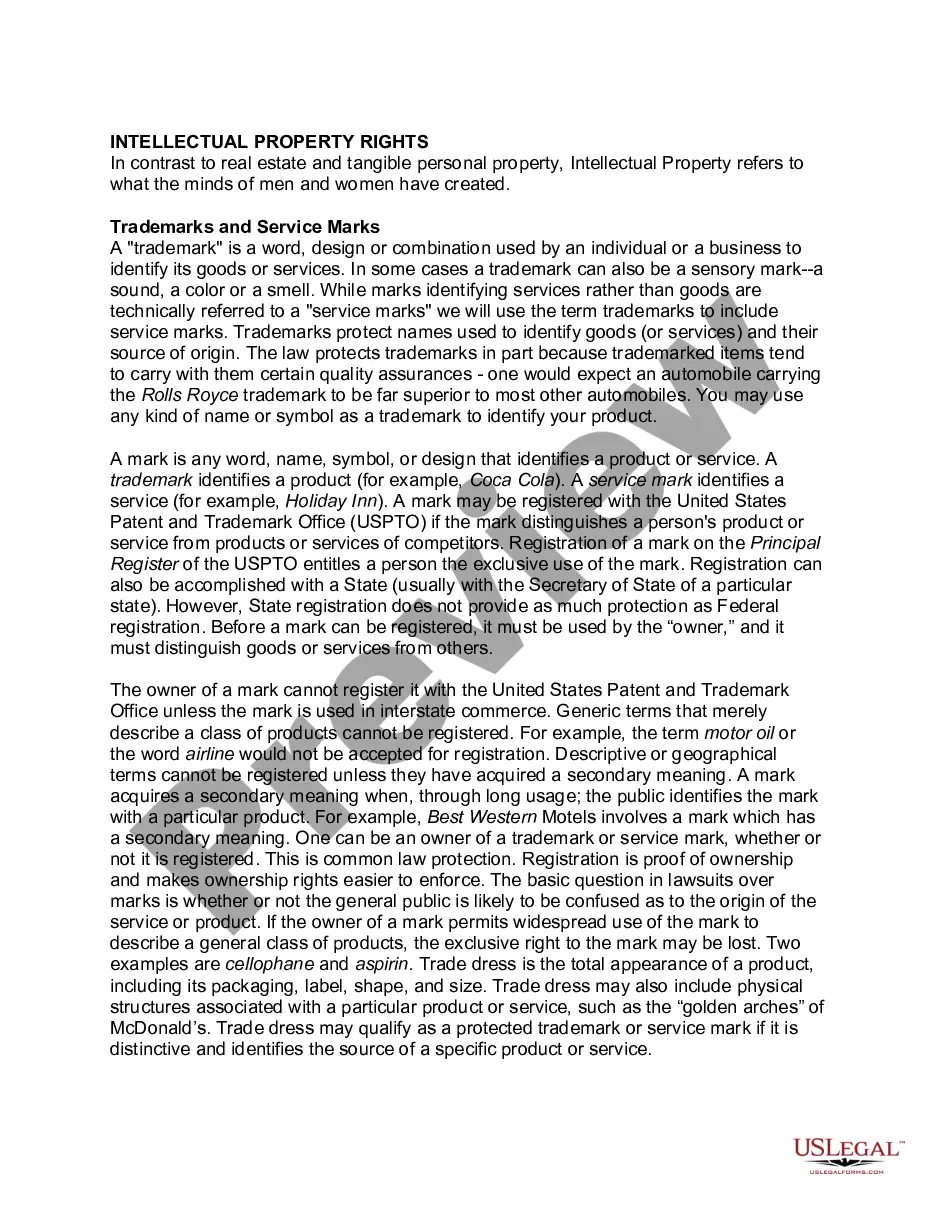
Get your form ready online
Our built-in tools help you complete, sign, share, and store your documents in one place.
Make edits, fill in missing information, and update formatting in US Legal Forms—just like you would in MS Word.
Download a copy, print it, send it by email, or mail it via USPS—whatever works best for your next step.
Sign and collect signatures with our SignNow integration. Send to multiple recipients, set reminders, and more. Go Premium to unlock E-Sign.
If this form requires notarization, complete it online through a secure video call—no need to meet a notary in person or wait for an appointment.
We protect your documents and personal data by following strict security and privacy standards.

Make edits, fill in missing information, and update formatting in US Legal Forms—just like you would in MS Word.

Download a copy, print it, send it by email, or mail it via USPS—whatever works best for your next step.

Sign and collect signatures with our SignNow integration. Send to multiple recipients, set reminders, and more. Go Premium to unlock E-Sign.

If this form requires notarization, complete it online through a secure video call—no need to meet a notary in person or wait for an appointment.

We protect your documents and personal data by following strict security and privacy standards.
Looking for another form?






Form popularity
FAQ
Patent attorneys are a specialist type of lawyer monitored by their own regulator, IPReg. The role of a patent attorney involves advising clients on those areas of law applicable to intellectual property.
A patent examiner is responsible for searching, examining and granting patents that are filed at the IPO. As such, they work to make sure that an application is patentable and can be granted. This differs from a patent attorney, who acts on behalf of the applicant.
A patent engineer requires at least a bachelor's degree in the scientific domain to provide technical expertise to patent attorneys. However, they don't have a degree in law or the training and certification required for patent agents, but they can acquire them to progress further in the field of intellectual property.
If you do pursue a bachelor's degree in engineering, you should take courses in mathematics, physics, chemistry, computer science, engineering, economics, business, and accounting. Students who choose to focus on IP law tend to go directly to law school after earning their bachelor's degree.
Engineering or computer science are the best degrees for patent law. For patent prosecution, you normally need a PhD in life sciences to interest law firms. You may be alright for patent litigation with less than a PhD if you go to law school. Electrical engineering is absolutely the best degree to study.
The titles patent agent and patent lawyer are also used in some jurisdictions. In some jurisdictions, the terms are interchangeable; in others, the latter is used only if the person is qualified as a lawyer.
Patent law for engineers training covers patent applications, research and prosecution, along with the law of breach and computer software and hardware applications, protected by copyright and hardware respectively.
A patent engineer or patent scientist is a patent professional who is typically involved in preparing and prosecuting patent applications.
What degrees are best for patent law? Patent lawyers must have a bachelor's degree in science or engineering. Some of the most highly-sought degrees include biology, bioengineering, chemistry, civil engineering, electrical engineering, and physics.
The invention must be statutory (subject matter eligible) The invention must be new. The invention must be useful. The invention must be non-obvious.
