Patent Trademark Application Withdrawal In Palm Beach
Description

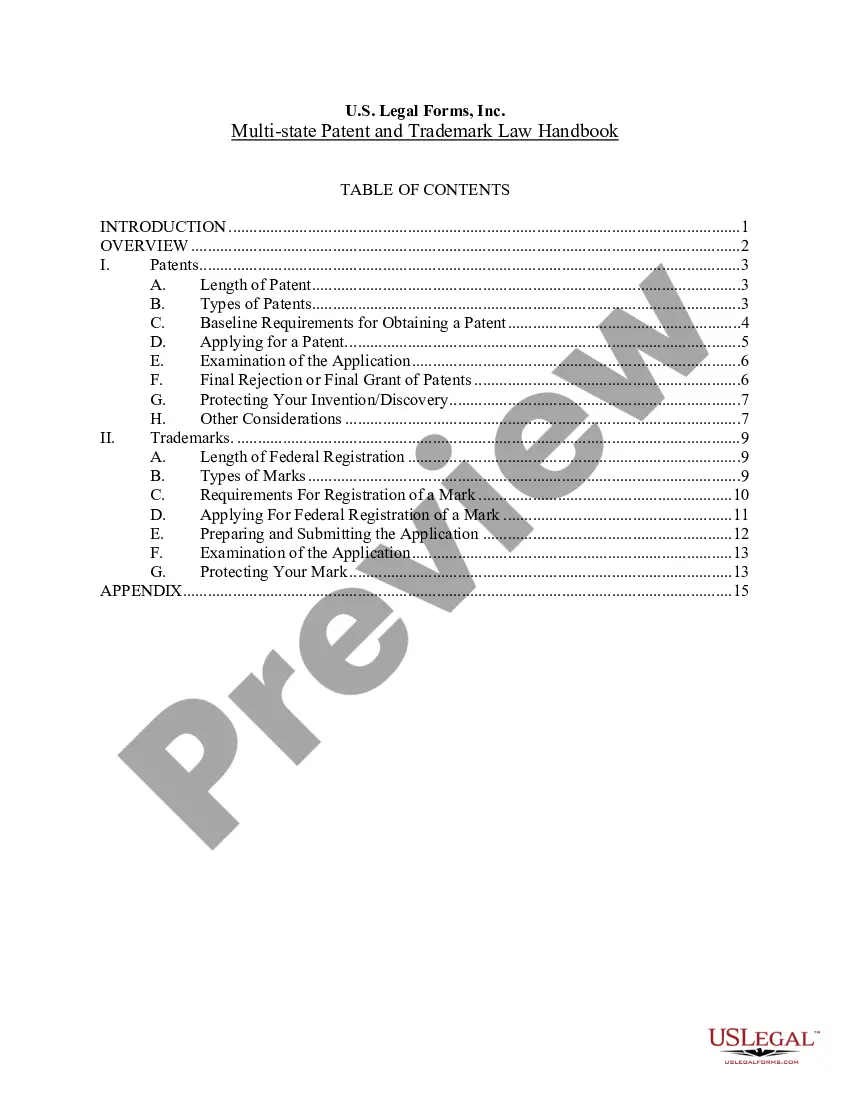
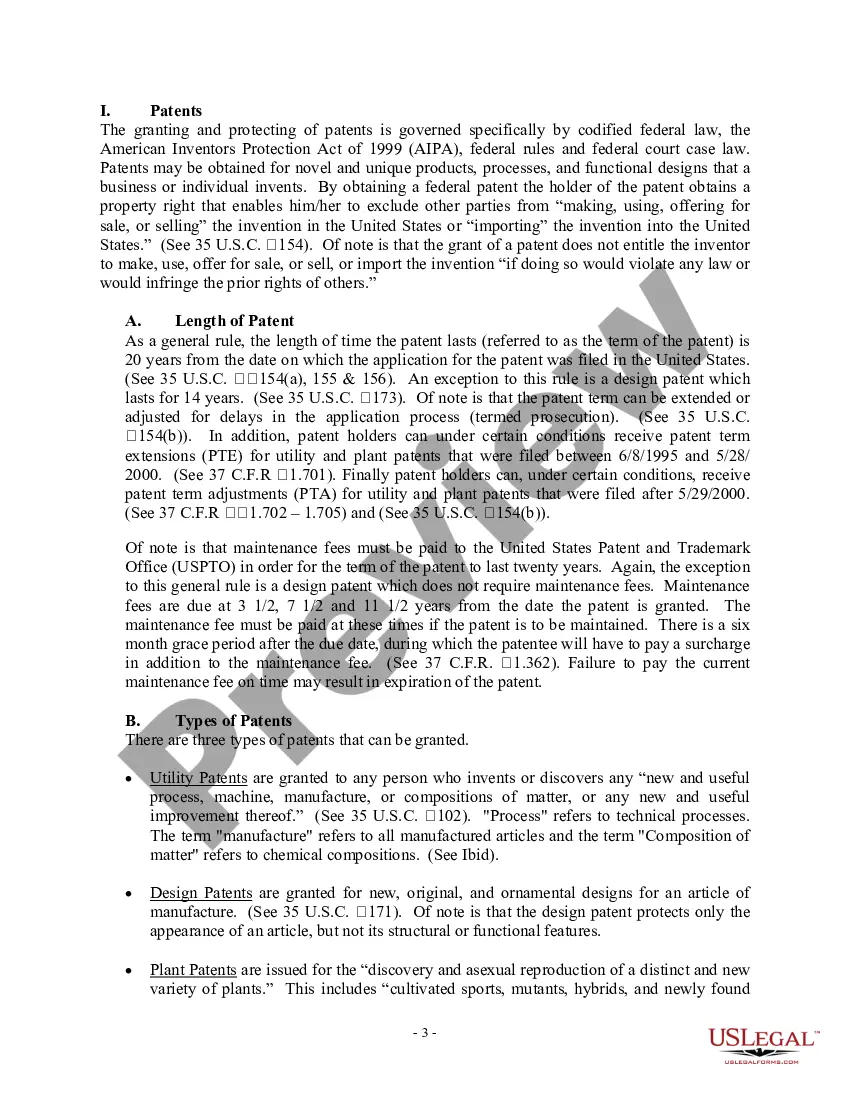


Get your form ready online
Our built-in tools help you complete, sign, share, and store your documents in one place.
Make edits, fill in missing information, and update formatting in US Legal Forms—just like you would in MS Word.
Download a copy, print it, send it by email, or mail it via USPS—whatever works best for your next step.
Sign and collect signatures with our SignNow integration. Send to multiple recipients, set reminders, and more. Go Premium to unlock E-Sign.
If this form requires notarization, complete it online through a secure video call—no need to meet a notary in person or wait for an appointment.
We protect your documents and personal data by following strict security and privacy standards.

Make edits, fill in missing information, and update formatting in US Legal Forms—just like you would in MS Word.

Download a copy, print it, send it by email, or mail it via USPS—whatever works best for your next step.

Sign and collect signatures with our SignNow integration. Send to multiple recipients, set reminders, and more. Go Premium to unlock E-Sign.

If this form requires notarization, complete it online through a secure video call—no need to meet a notary in person or wait for an appointment.

We protect your documents and personal data by following strict security and privacy standards.
Looking for another form?







Form popularity
FAQ
Here are seven ways you could lose your trademark. Not Using Your Trademark. Misusing Your Trademark. Licensing / Failing to Maintain How Others Use Your Trademark. Failing to Record Your Trademark Transfer. Allowing Your Mark to Become Generic. Failing to Protect Your Mark. Altering Your Trademark.
Requests to withdraw must be filed using the TEAS Request for Withdrawal as Attorney of Record/Update of USPTO's Database After Power of Attorney Ends form. The TEAS form incorporates the requirements listed below.
An express abandonment may be filed at any time, including if an extension of time to oppose has been filed, unless the application is currently subject to an appeal, opposition, or concurrent use proceeding before the Trademark Trial and Appeal Board. In those cases, you must file this request directly with the Board.
Forms of Abandonment: Intentional and Constructive Intentional Abandonment – This occurs when the trademark owner deliberately discontinues use and with no intent to resume use in the future. For example, an express statement of intent to abandon, often filed with the USPTO, immediately triggers abandonment.
The petition should clearly state the grounds for cancellation, provide supporting evidence, and explain why you believe the trademark registration should be canceled. File the Petition: Submit the cancellation petition to the appropriate trademark office or administrative body.
An express abandonment may be filed at any time, including if an extension of time to oppose has been filed, unless the application is currently subject to an appeal, opposition, or concurrent use proceeding before the Trademark Trial and Appeal Board. In those cases, you must file this request directly with the Board.
In order to request an expedited examination for your application, you need to submit a Petition to Make Special to the USPTO after filing your application but before the commencement of the initial examination process.
Yes, a trademark can be removed from the trademark register if it is not being used. Many jurisdictions require that a trademark is actively used in commerce to maintain its registration and protection. This requirement is often referred to as "use in commerce" or "use in connection with the goods or services."
(a) Applications may be withdrawn from issue for further action at the initiative of the Office or upon petition by the applicant.
Generally, if a reissue application is abandoned, the original patent remains in force because surrender of the patent did not occur.
