Patent Trademark Law With Example In Orange
Description

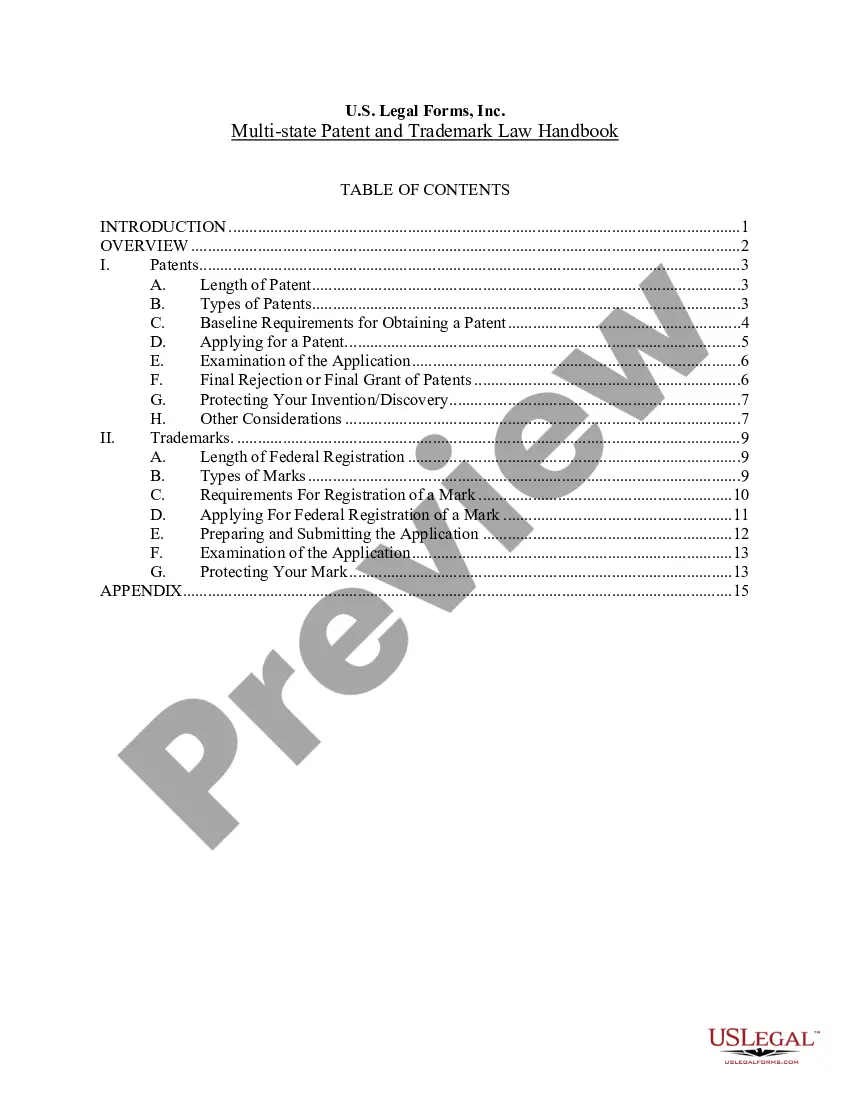
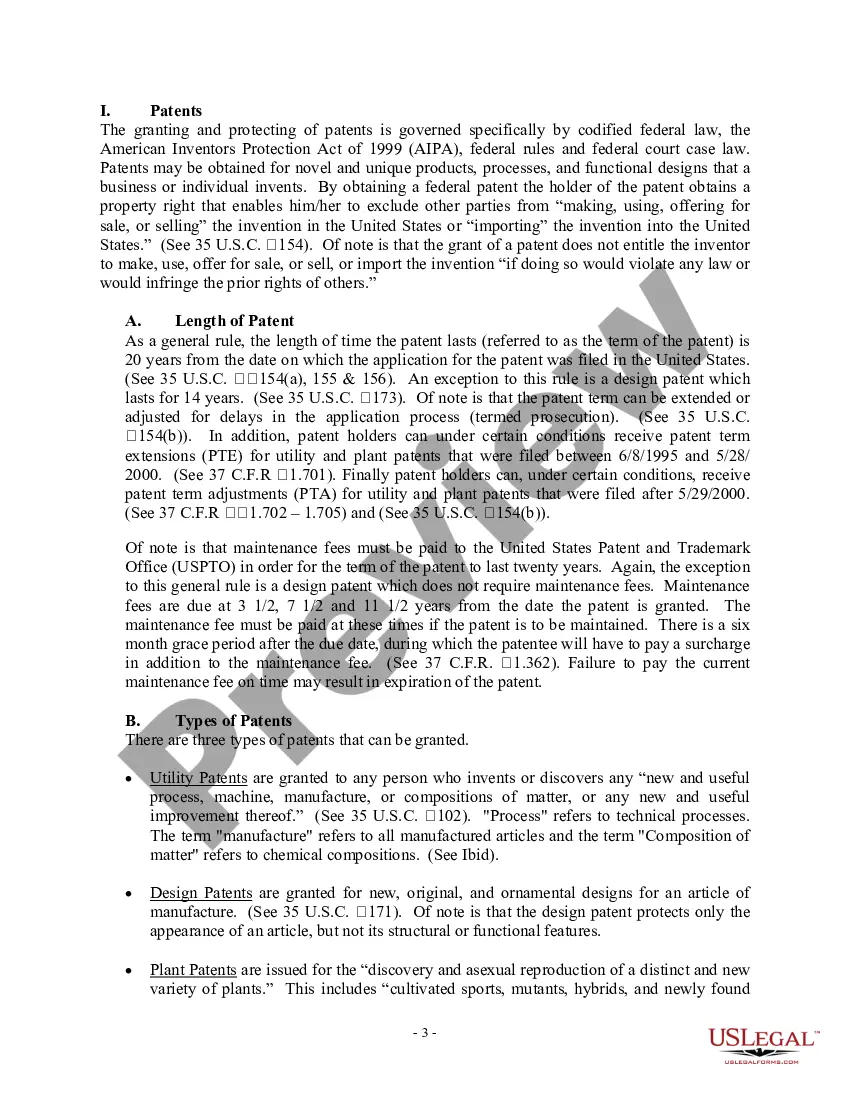



Get your form ready online
Our built-in tools help you complete, sign, share, and store your documents in one place.
Make edits, fill in missing information, and update formatting in US Legal Forms—just like you would in MS Word.
Download a copy, print it, send it by email, or mail it via USPS—whatever works best for your next step.
Sign and collect signatures with our SignNow integration. Send to multiple recipients, set reminders, and more. Go Premium to unlock E-Sign.
If this form requires notarization, complete it online through a secure video call—no need to meet a notary in person or wait for an appointment.
We protect your documents and personal data by following strict security and privacy standards.

Make edits, fill in missing information, and update formatting in US Legal Forms—just like you would in MS Word.

Download a copy, print it, send it by email, or mail it via USPS—whatever works best for your next step.

Sign and collect signatures with our SignNow integration. Send to multiple recipients, set reminders, and more. Go Premium to unlock E-Sign.

If this form requires notarization, complete it online through a secure video call—no need to meet a notary in person or wait for an appointment.

We protect your documents and personal data by following strict security and privacy standards.
Looking for another form?







Form popularity
FAQ
Format of a Patent Application The Specification. The Title. The Description. The Claims. The Drawings. The Abstract. Sample Specifications. Minimum Requirements for a Filing Date.
“The purpose of listing a patent in the Orange Book is to put potential generic manufacturers on notice that the brand considers the patent to cover its drug.”8 The Orange Book patent list is the statutory mechanism for identifying and potentially resolving certain patent disputes while 505(b)(2) applications9 and ...
Patents have been used in their modern definition since the 1500s to provide inventors the exclusive right to produce and sell their inventions. Some famous examples of products that have been patented include: The Telephone: Patented by Alexander Graham Bell in 1876. The Lightbulb: Patented in 1878 by Thomas Edison.
What Is the Difference Between a Patent, Copyright, and Trademark? A patent protects new inventions, processes, or scientific creations, a trademark protects brands, logos, and slogans, and a copyright protects original works of authorship.
