Patent Trademark Application With Prejudice In North Carolina
Description

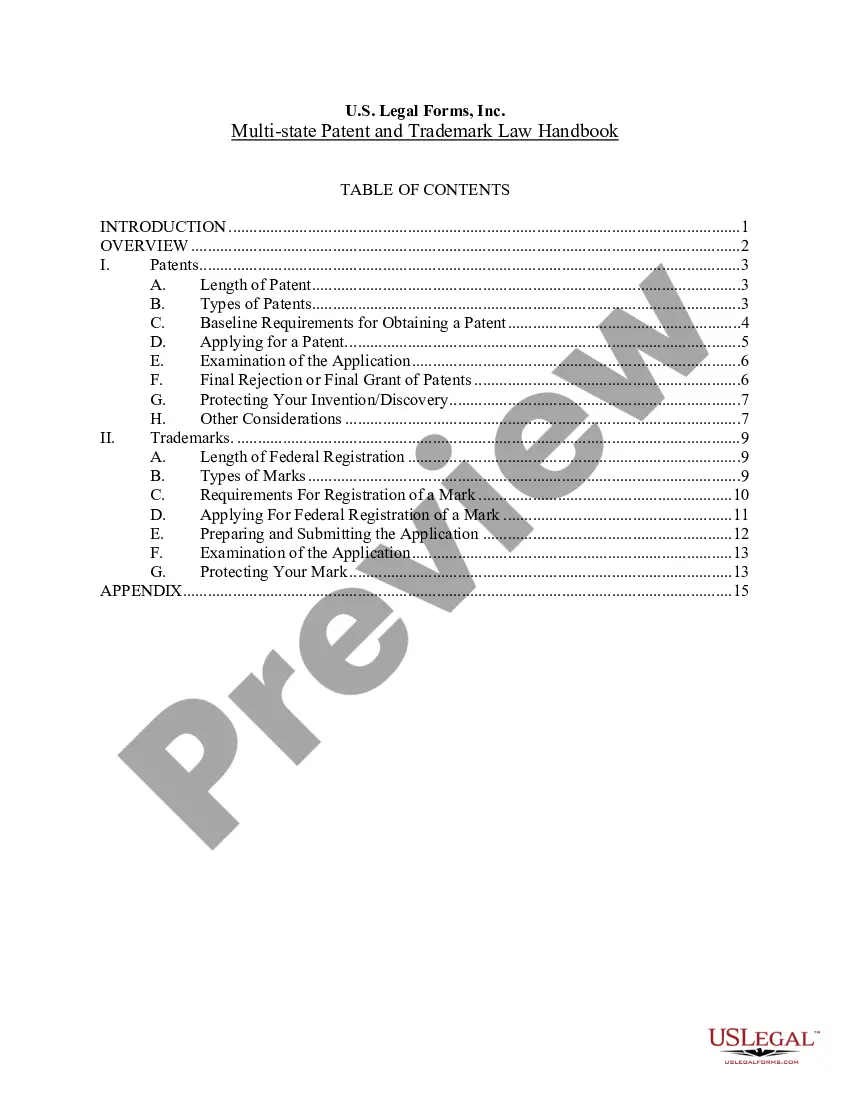
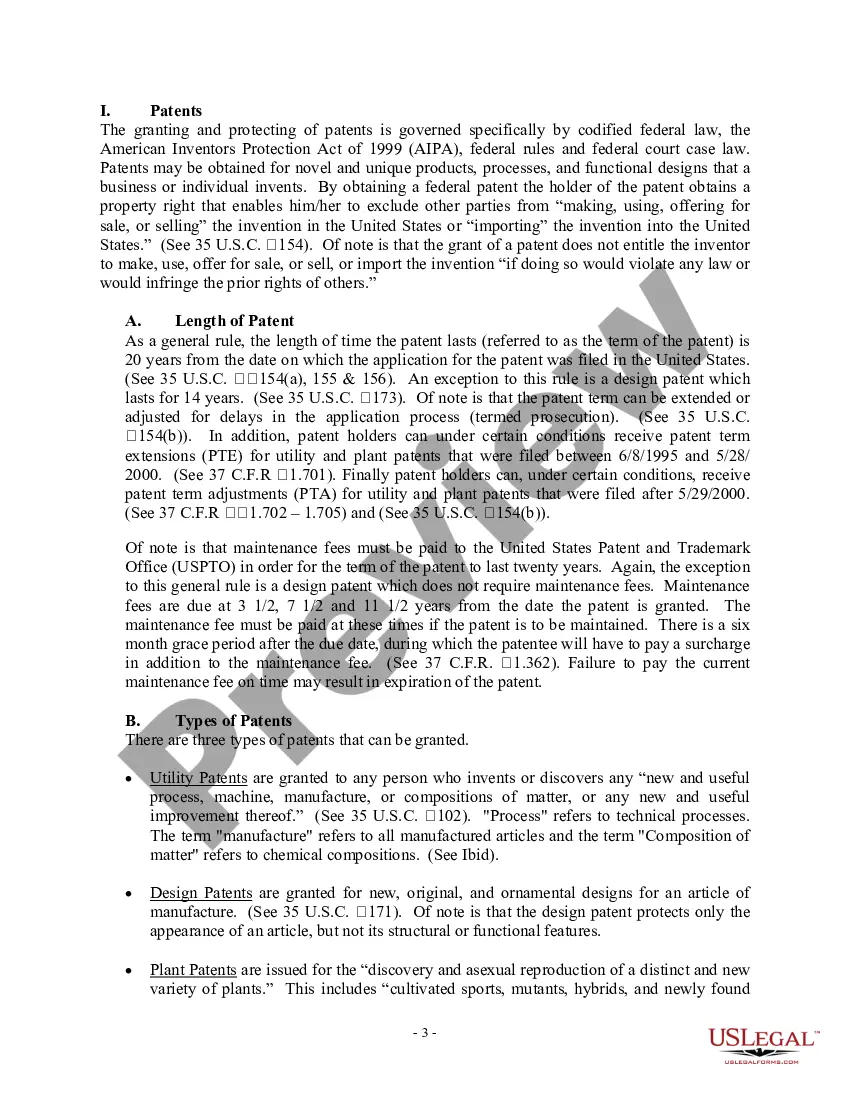



Get your form ready online
Our built-in tools help you complete, sign, share, and store your documents in one place.
Make edits, fill in missing information, and update formatting in US Legal Forms—just like you would in MS Word.
Download a copy, print it, send it by email, or mail it via USPS—whatever works best for your next step.
Sign and collect signatures with our SignNow integration. Send to multiple recipients, set reminders, and more. Go Premium to unlock E-Sign.
If this form requires notarization, complete it online through a secure video call—no need to meet a notary in person or wait for an appointment.
We protect your documents and personal data by following strict security and privacy standards.

Make edits, fill in missing information, and update formatting in US Legal Forms—just like you would in MS Word.

Download a copy, print it, send it by email, or mail it via USPS—whatever works best for your next step.

Sign and collect signatures with our SignNow integration. Send to multiple recipients, set reminders, and more. Go Premium to unlock E-Sign.

If this form requires notarization, complete it online through a secure video call—no need to meet a notary in person or wait for an appointment.

We protect your documents and personal data by following strict security and privacy standards.
Looking for another form?









Form popularity
FAQ
Trademark protection is limited to the specific goods and services with which a mark is registered and geographic regions. Moreover, trademarks must maintain their distinctiveness, or protection can lapse, and certain marks, like generic terms, cannot be protected at all.
Trademarks are intangible assets of a business. A trademark is capitalised for the purpose of accounting. Capitalisation of trademarks or service marks means a business or company records them as assets in their books of accounts through a journal entry.
When you register a word mark, the focus is on protecting the distinctive textual content of the mark itself, rather than the case sensitivity. This means that trademarks are typically considered to cover all variations of capitalization, including all uppercase, all lowercase, or a mix of both.
Weak Trademarks Generic trademarks cannot be protected under trademark law. Generic trademarks are those that describe a product or category of goods or have suffered genericide. A trademark can be one of the most valuable assets a company owns, therefore it is best to create the strongest possible trademark.
This is true in both Canada and the US. The circled R (®) means “registered trademark” and the uppercase capitalized TM (™) means simply “trademark.” You don't need to use either in your writing unless you're working for the company.
Does the upper case/lower case presentation matter when registering a trademark? No, the choice of letter case generally does not significantly impact the likelihood of successfully registering a trademark.
Symbol: In the US, as in the UK, there is also no limitation as to when the TM symbol can be used. It can be included next to a mark, regardless of whether that mark is registered or unregistered. symbol: A service mark is explicitly recognised by US law in section 3 Lanham Act 1946.
Trademark registration is required to protect the logo against infringers from copying them for their usage. Using a logo without a trademark registration does not grant legal protection against its unauthorised use by third parties. In other words, trademark registration provides legal rights to use logos exclusively.
TM or SM are for unregistered marks only. Use TM for marks that represent goods and SM for marks that represent services. If your mark covers both goods and services, use TM. The federal registration symbol, ®, is only for marks registered with the USPTO.
