Patent Trademark Application Form Sample In North Carolina
Description




Get your form ready online
Our built-in tools help you complete, sign, share, and store your documents in one place.
Make edits, fill in missing information, and update formatting in US Legal Forms—just like you would in MS Word.
Download a copy, print it, send it by email, or mail it via USPS—whatever works best for your next step.
Sign and collect signatures with our SignNow integration. Send to multiple recipients, set reminders, and more. Go Premium to unlock E-Sign.
If this form requires notarization, complete it online through a secure video call—no need to meet a notary in person or wait for an appointment.
We protect your documents and personal data by following strict security and privacy standards.

Make edits, fill in missing information, and update formatting in US Legal Forms—just like you would in MS Word.

Download a copy, print it, send it by email, or mail it via USPS—whatever works best for your next step.

Sign and collect signatures with our SignNow integration. Send to multiple recipients, set reminders, and more. Go Premium to unlock E-Sign.

If this form requires notarization, complete it online through a secure video call—no need to meet a notary in person or wait for an appointment.

We protect your documents and personal data by following strict security and privacy standards.
Looking for another form?








Form popularity
FAQ
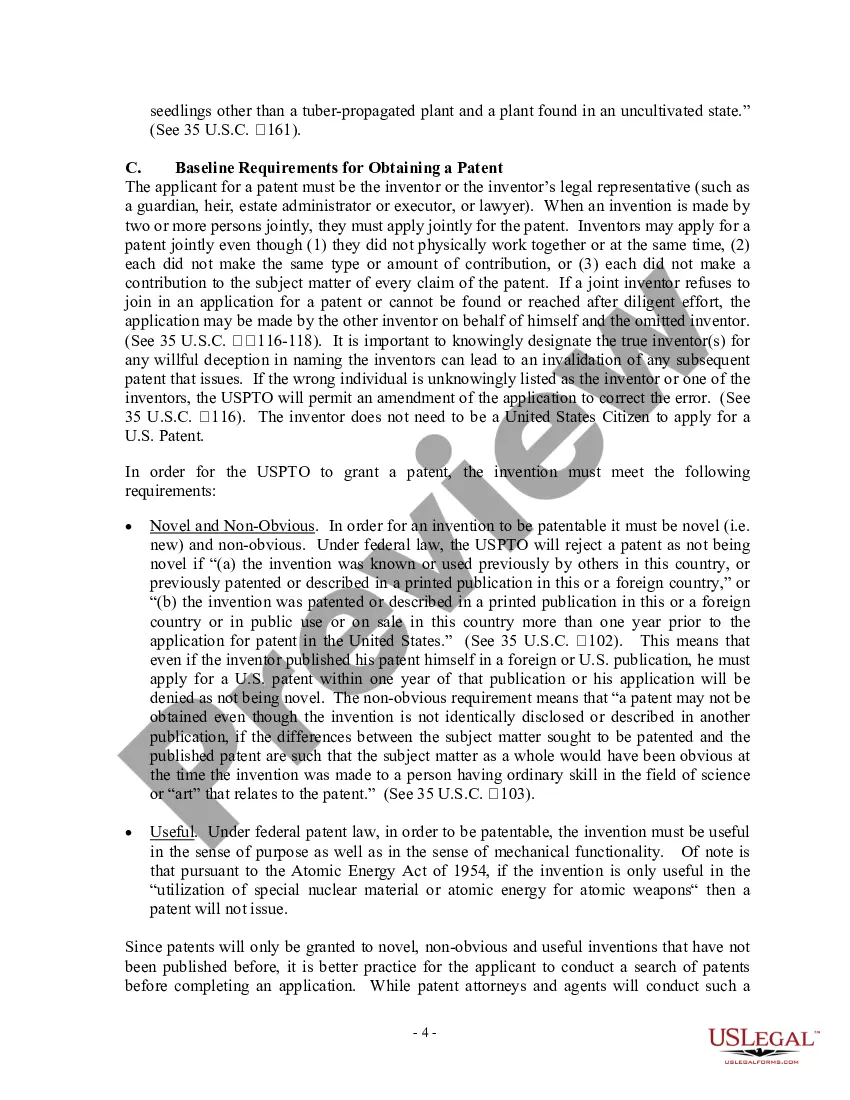
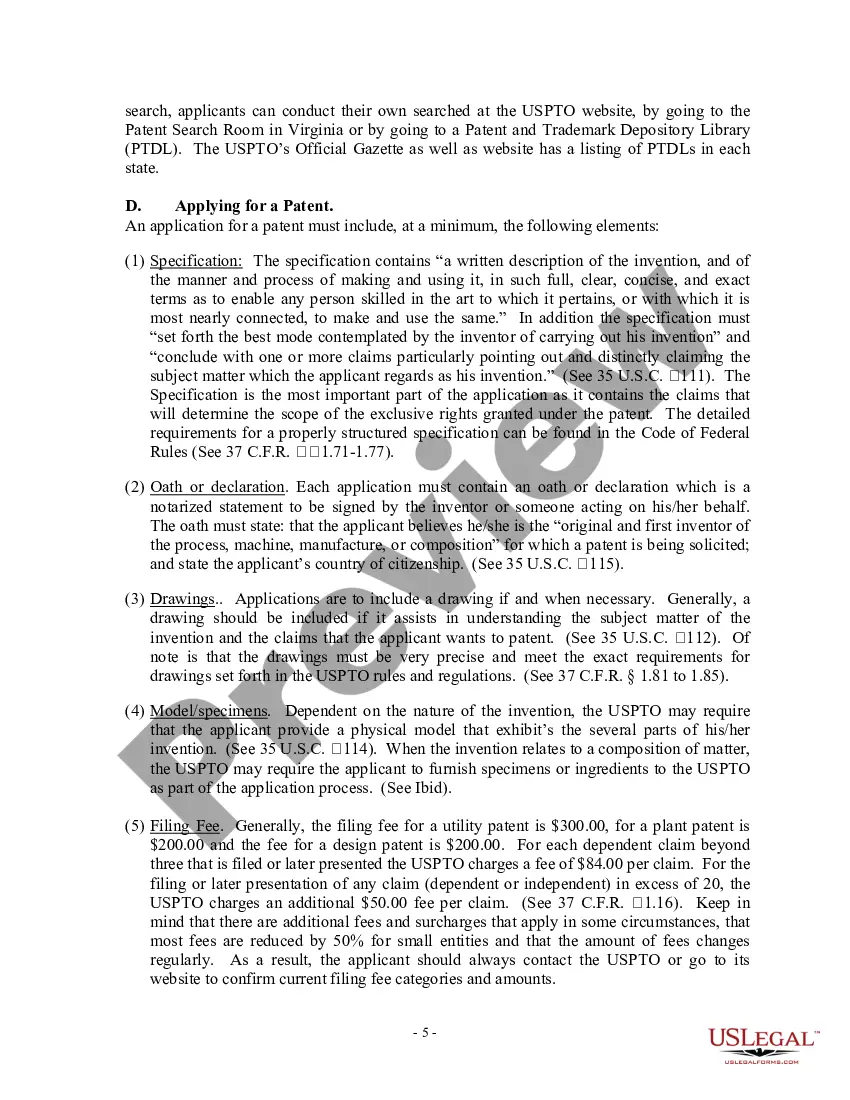
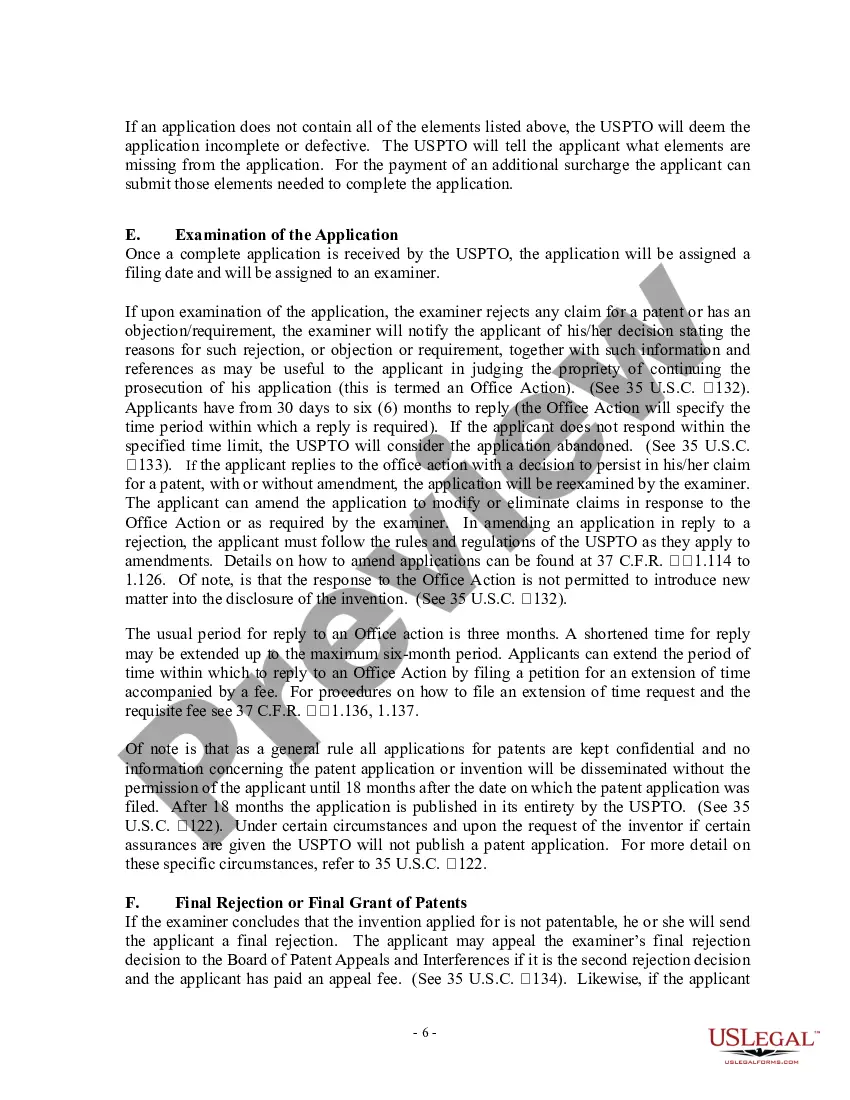
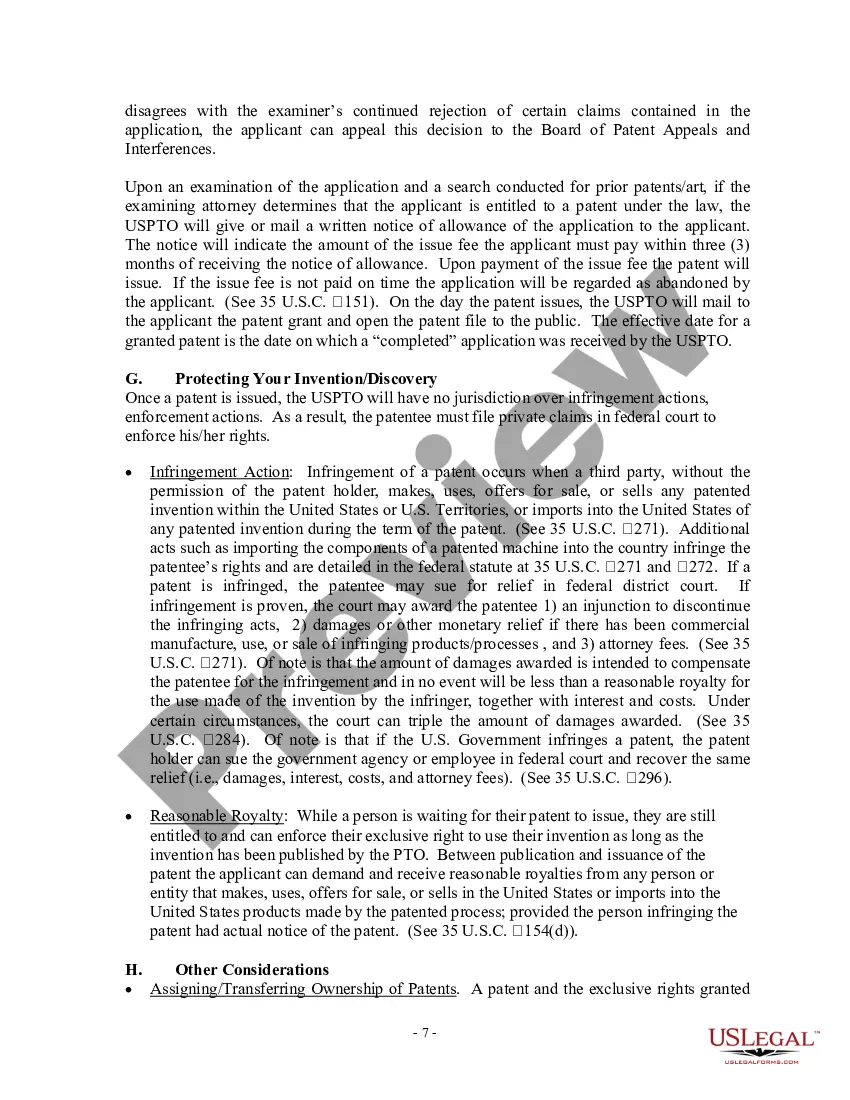
All applicants must include: Their name and domicile address. Their legal entity. The citizenship of each individual applicant, or the state or country of incorporation or organization of each juristic applicant. One or more filing bases that satisfy 37 CFR 2.34 , 2.44 , or 2.45 , as applicable.
A good trademark should be distinctive and unique, setting it apart from competitors. Distinctiveness allows consumers to easily identify and associate the mark with your brand. It should avoid common or generic terms and instead incorporate elements that are memorable, creative, and unconventional.
State whether the trademark is in use or there is a real intent to use. Provide a drawing of the trademark. List the products and/or services sold under the trademark. The trademark must be distinctive.
The appropriate symbol is placed immediately after the trademark in superscript font (e.g., ™ or ®). If the specific characters are not available in the word processing software being used, then using the symbols in parenthetical form is also acceptable (e.g., (TM) or (R)).
Fanciful marks are devices which have been invented for the sole purpose of functioning as a trademark and have no other meaning than acting as a mark. Fanciful marks are considered to be the strongest type of mark.
R gives you much greater legal protections compared to an unregistered trademark (TM). If you register your brand name or logo (otherwise known as a “mark”), you get a legal presumption of ownership over it. Anyone who challenges your ownership has a much greater burden of proof to overcome if it's registered.
The McDonald's golden arches design is an example of a registered trademark in special form format. The company Nike registered this trademark in special form format, combining the stylized word Nike with their swoosh logo. The format of the trademark you apply to register affects your application filing requirements.
BizExpress: Best Trademark Registration Services in India.
Likelihood of confusion is a common reason for refusal of a trademark application. The USPTO will review your application and compare your mark to any existing trademark applications or registered trademarks.
