Trademark Laws For Logos In Nassau
Description

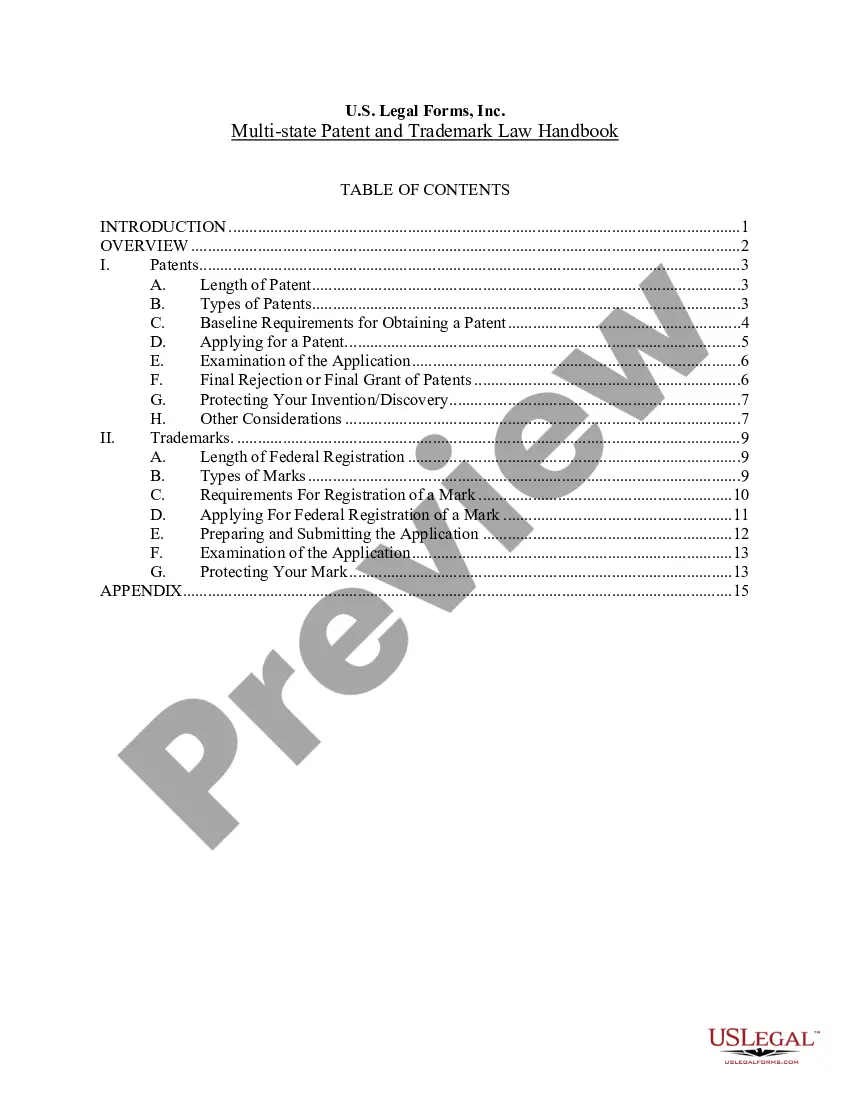
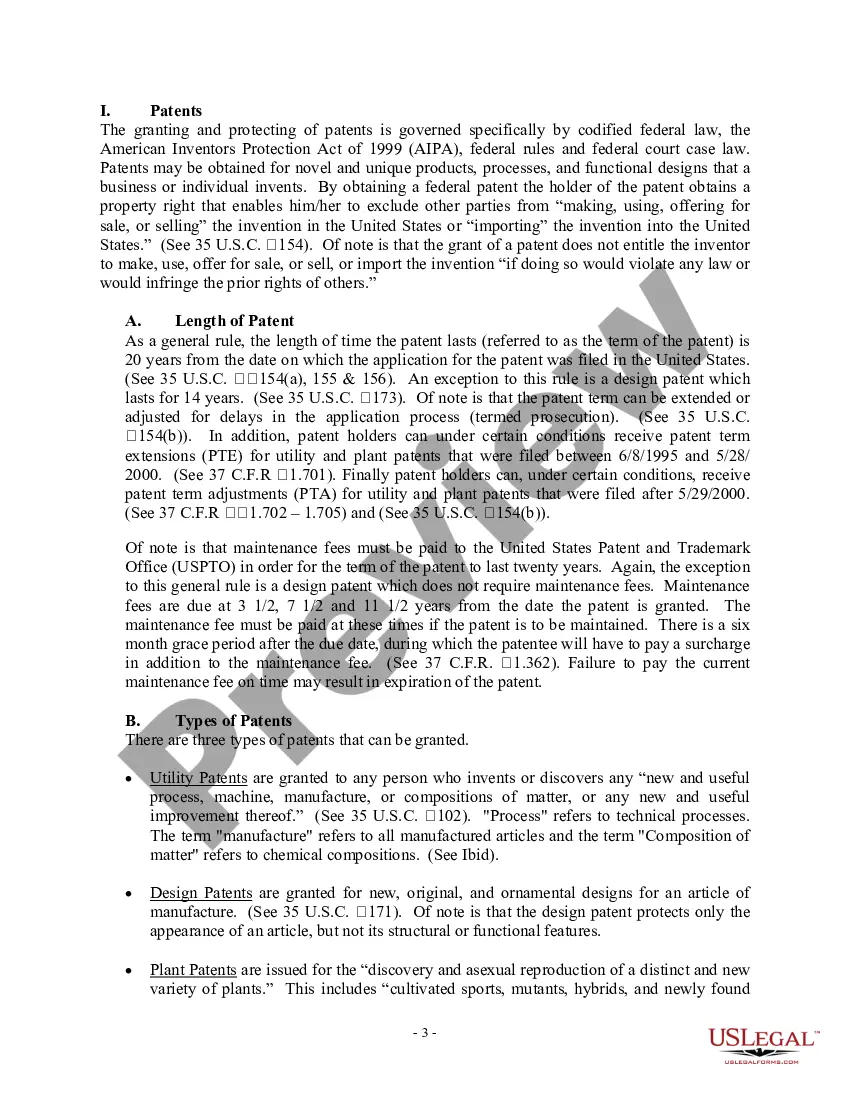


Get your form ready online
Our built-in tools help you complete, sign, share, and store your documents in one place.
Make edits, fill in missing information, and update formatting in US Legal Forms—just like you would in MS Word.
Download a copy, print it, send it by email, or mail it via USPS—whatever works best for your next step.
Sign and collect signatures with our SignNow integration. Send to multiple recipients, set reminders, and more. Go Premium to unlock E-Sign.
If this form requires notarization, complete it online through a secure video call—no need to meet a notary in person or wait for an appointment.
We protect your documents and personal data by following strict security and privacy standards.

Make edits, fill in missing information, and update formatting in US Legal Forms—just like you would in MS Word.

Download a copy, print it, send it by email, or mail it via USPS—whatever works best for your next step.

Sign and collect signatures with our SignNow integration. Send to multiple recipients, set reminders, and more. Go Premium to unlock E-Sign.

If this form requires notarization, complete it online through a secure video call—no need to meet a notary in person or wait for an appointment.

We protect your documents and personal data by following strict security and privacy standards.
Looking for another form?










Form popularity
FAQ
There are three most common types of trademarks: word marks, design marks, and composite marks. Legal challenges for famous trademarks include dilution by blurring and tarnishment, piracy, and varying international laws.
The symbol lets consumers and competitors know you're claiming the trademark as yours. You can use “TM” for goods or “SM” for services even if you haven't filed an application to register your trademark. Once you register your trademark with us, use an ® with the trademark.
A mark may qualify as a valid trademark only if it meets three separate requirements: it must be distinctive, nonfunctional, and used in commerce. Trademarks must be distinctive enough to serve their basic function of distinguishing one seller's goods from another's.
What is the Use Requirement? The use requirement stipulates that trade mark owners must actively use their registered trade mark in the course of trade for the goods and services for which it is registered.
A good trademark should be distinctive and unique, setting it apart from competitors. Distinctiveness allows consumers to easily identify and associate the mark with your brand. It should avoid common or generic terms and instead incorporate elements that are memorable, creative, and unconventional.
There are multiple requirements for trademarks and for litigation around trademark infringement, but there are three primary requirements businesses need to be aware of: Trademark distinctiveness, use in commerce, and lack of conflicts.
