Patent In Trademark In Minnesota
Description

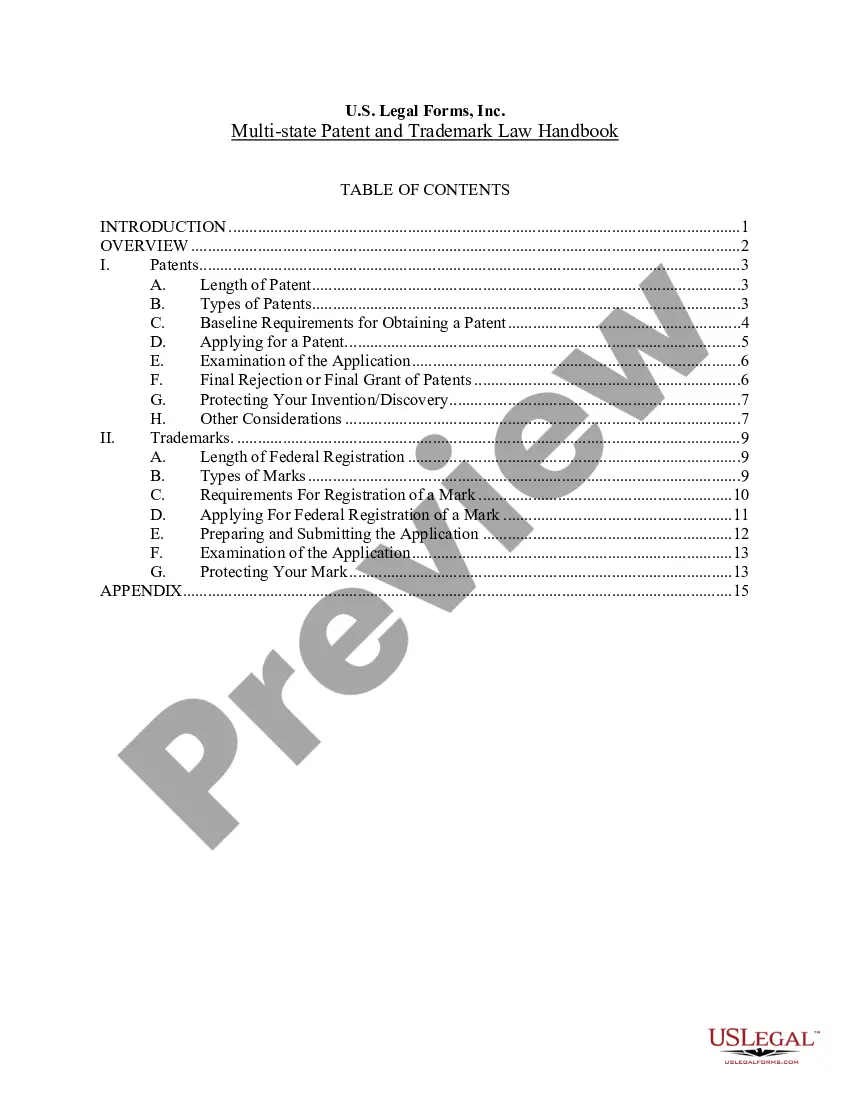
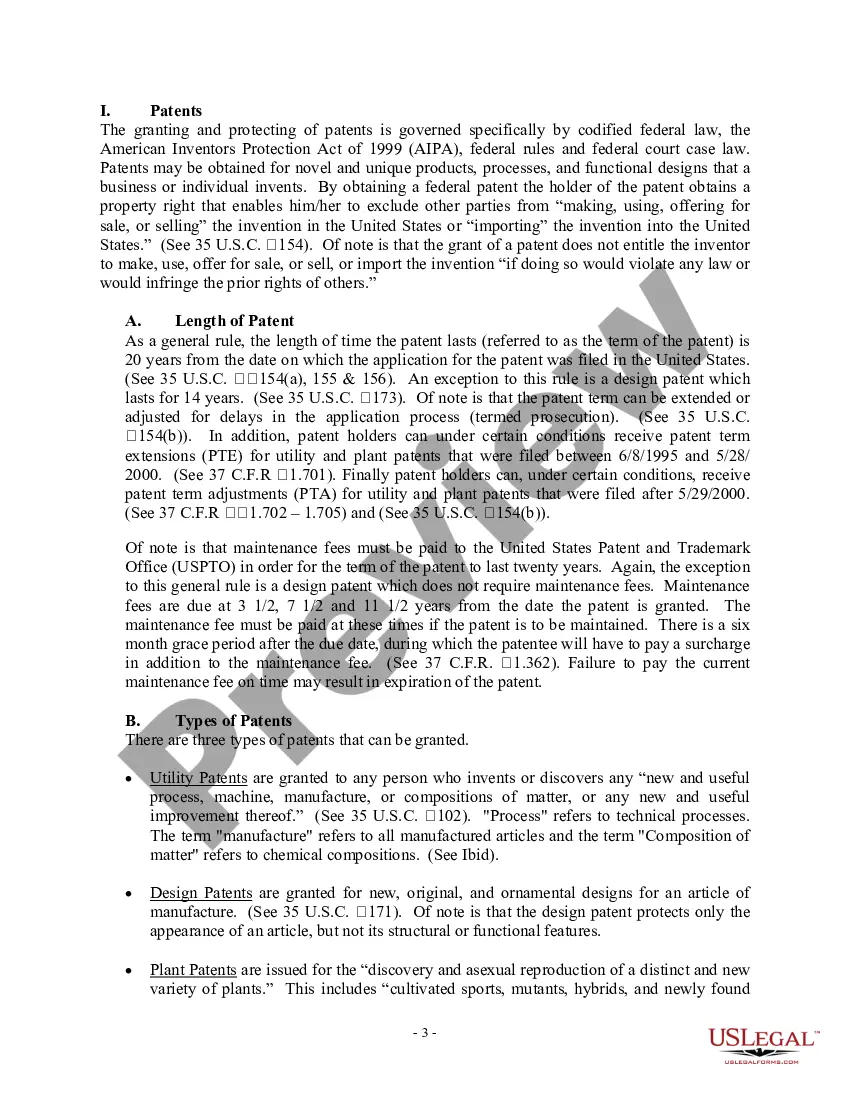


Get your form ready online
Our built-in tools help you complete, sign, share, and store your documents in one place.
Make edits, fill in missing information, and update formatting in US Legal Forms—just like you would in MS Word.
Download a copy, print it, send it by email, or mail it via USPS—whatever works best for your next step.
Sign and collect signatures with our SignNow integration. Send to multiple recipients, set reminders, and more. Go Premium to unlock E-Sign.
If this form requires notarization, complete it online through a secure video call—no need to meet a notary in person or wait for an appointment.
We protect your documents and personal data by following strict security and privacy standards.

Make edits, fill in missing information, and update formatting in US Legal Forms—just like you would in MS Word.

Download a copy, print it, send it by email, or mail it via USPS—whatever works best for your next step.

Sign and collect signatures with our SignNow integration. Send to multiple recipients, set reminders, and more. Go Premium to unlock E-Sign.

If this form requires notarization, complete it online through a secure video call—no need to meet a notary in person or wait for an appointment.

We protect your documents and personal data by following strict security and privacy standards.
Looking for another form?




Form popularity
FAQ
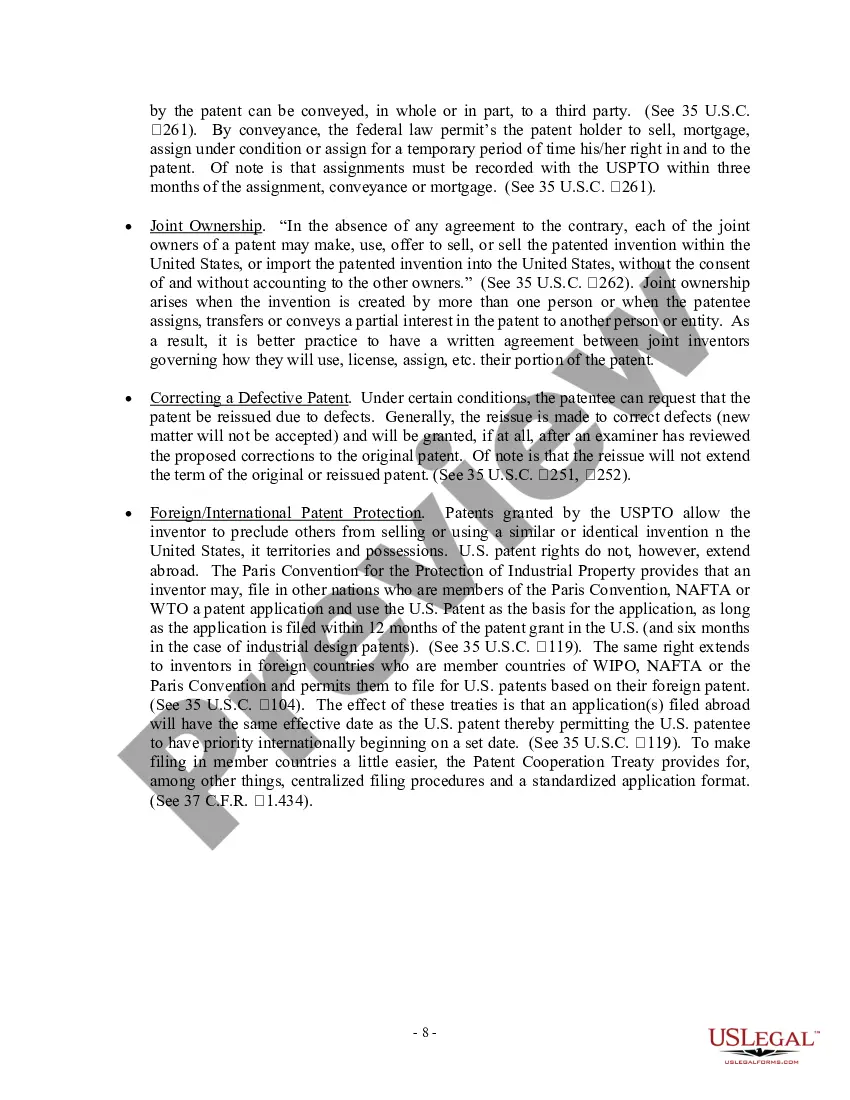
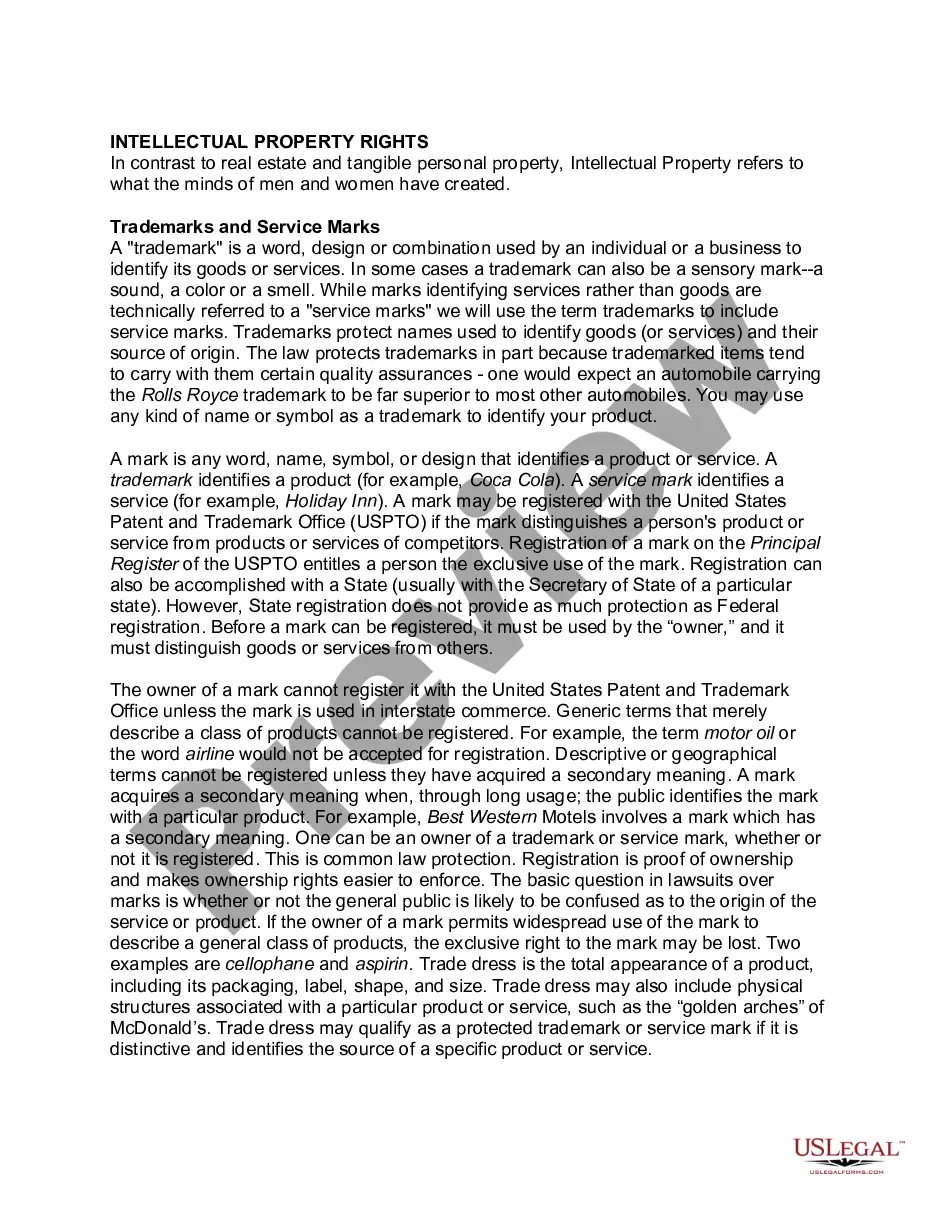
Key Differences of Patents and Trademarks Purpose: Patents protect inventions, while trademarks protect brand names, logos, and other identifying factors. Granting Authority: The government grants patents to inventors, while businesses use trademarks to identify and distinguish their goods or services.
Patents are only issued for inventions, ornamental designs of goods, or plants, not names. To protect your brand name and logo, you will need to utilize the trademark registration service.
Patents are intended to protect inventions of a functional or design nature. Trademarks provide protection for indicators of the source of products and services used in commercial trade, such as words or logos. Copyrights provide protection for literary and artistic expressions.
You can have both a trademark and a patent, though they won't be for exactly the same thing. A trademark can protect a creation's name, for example, and a patent can protect the actual creation itself.
A good trademark should be distinctive and unique, setting it apart from competitors. Distinctiveness allows consumers to easily identify and associate the mark with your brand. It should avoid common or generic terms and instead incorporate elements that are memorable, creative, and unconventional.
In short, a patent protects the new and innovative function, method, or the workings of a thing. In other words, patents protect ideas and concepts, whereas registered trade marks protect your brand.
How to register your trademark or service mark: Trademark Application pdf form can be found here. Submit one specimen or facsimile of the mark as you have actually used it in commerce. State the words or phrase to be registered, if any. Provide a written description of the logo design to be registered, if any.
Definition of Trademark A trademark is used to identify goods made by a specific producer. Tom's distinctive logo would be one such example, but trademarks can also take the forms of phrases, words, or symbols. Distinctive sounds, scents, or even shapes and colors can also be registered as trademarks.
Trademark owners use the ™ symbol after a text, logo, design or picture, which they claim as their own but have not been legally registered with a regulatory authority. Usually, businesses will use the TM symbol to indicate their first usage or that they have applied for its registration.
No, It Isn't Possible to Patent a Name Patents are only issued for inventions, ornamental designs of goods, or plants, not names.
