Trademark Law In Malaysia In Michigan
Description

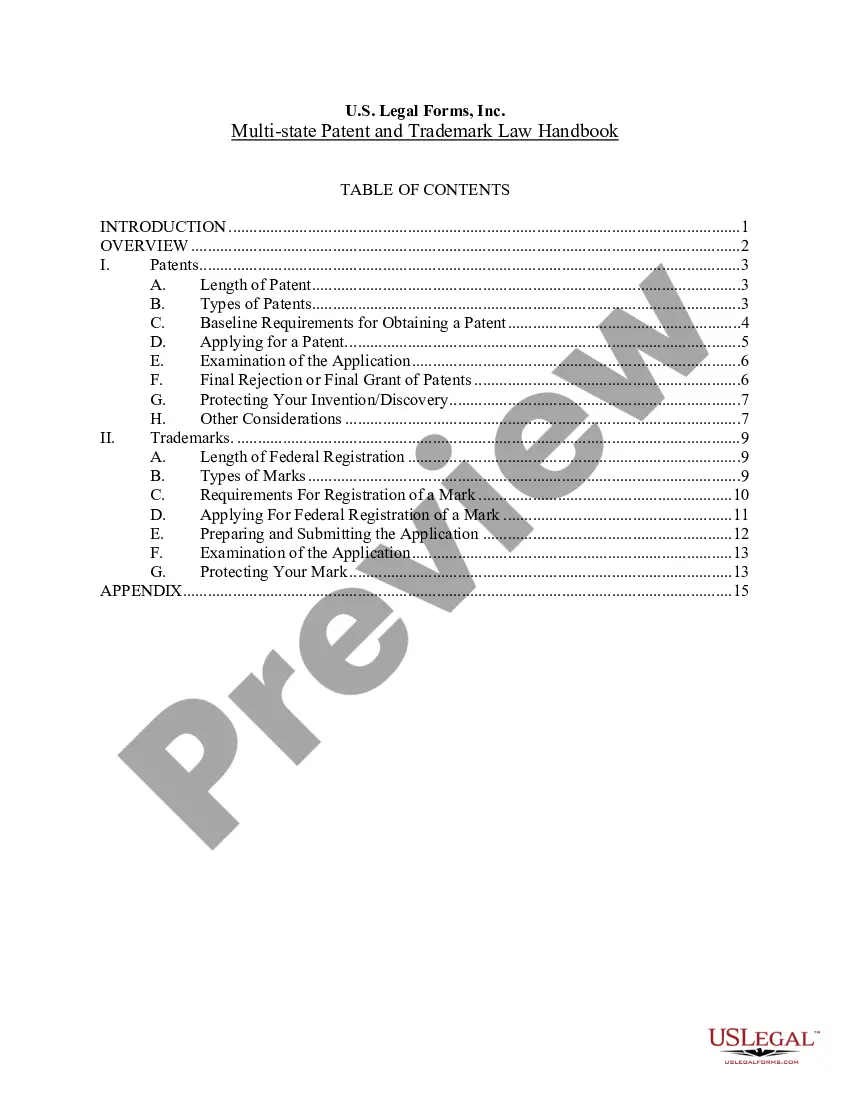
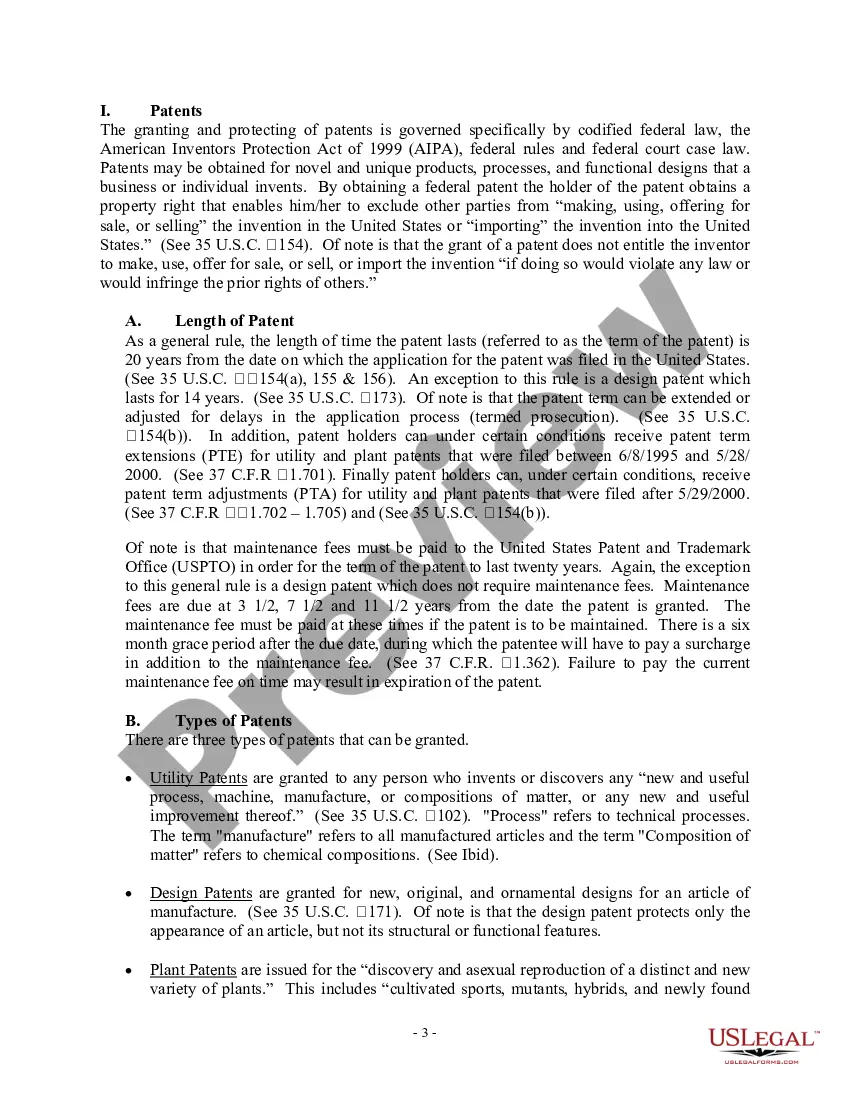



Get your form ready online
Our built-in tools help you complete, sign, share, and store your documents in one place.
Make edits, fill in missing information, and update formatting in US Legal Forms—just like you would in MS Word.
Download a copy, print it, send it by email, or mail it via USPS—whatever works best for your next step.
Sign and collect signatures with our SignNow integration. Send to multiple recipients, set reminders, and more. Go Premium to unlock E-Sign.
If this form requires notarization, complete it online through a secure video call—no need to meet a notary in person or wait for an appointment.
We protect your documents and personal data by following strict security and privacy standards.

Make edits, fill in missing information, and update formatting in US Legal Forms—just like you would in MS Word.

Download a copy, print it, send it by email, or mail it via USPS—whatever works best for your next step.

Sign and collect signatures with our SignNow integration. Send to multiple recipients, set reminders, and more. Go Premium to unlock E-Sign.

If this form requires notarization, complete it online through a secure video call—no need to meet a notary in person or wait for an appointment.

We protect your documents and personal data by following strict security and privacy standards.
Looking for another form?




Form popularity
FAQ
In Michigan, trademarks are registered with the Michigan Secretary of State's office. Start by searching the Michigan Secretary of State database (you can do this online) to see if a trademark like yours has been registered. If not, you can fill out your application and submit it online.
What act governs Michigan mark registration? In Michigan, mark registration is governed by Act 242, P.A. 1969, as amended. The Michigan Act is modeled after the federal law governing trademarks (The Lanham Act).
The symbol “®” is commonly referred to as a registered trademark or trademark which has been registered officially with the local Intellectual Property Office (MyIPO, in Malaysia). Hence, anyone can use the symbol “™” without registration but not anyone can use the symbol “®”.
Whilst, it is not mandatory to register a trademark before using it under Malaysian law, it is however strongly recommended to do so to prevent trademark hijacking. In Malaysia, a smooth trademark application process takes approximately between 9 – 15 months.
When it comes to how to trademark a business name, an owner has three options to consider from which to choose: Arbitrary and Fanciful, Suggestive, and Descriptive Trademarks. An arbitrary trademark and fanciful trademark refer to a strong word, phrase, or symbol.
In Michigan, trademarks are registered with the Michigan Secretary of State's office. Start by searching the Michigan Secretary of State database (you can do this online) to see if a trademark like yours has been registered. If not, you can fill out your application and submit it online.
Yes, any trademark owner can use the TM symbol at any time. You don't have to ask for permission or have the approval of the US Patent and Trademark Office. In fact, a trademark owner can continue to use the TM symbol even if the US Patent and Trademark Office rejects their trademark application.
The TM symbol (often seen in superscript like this: TM) is usually used in connection with an unregistered mark—a term, slogan, logo, or other indicator—to provide notice to potential infringers that rights in the mark are claimed in connection with specific goods or services.
Malaysia Trademark Classification Your trademark will protect only the goods, services and class that you identified in your application. Malaysia adopts the 10th edition of the Nice Classification of Goods and Services. Goods fall under classes 1 to 34; Services fall under classes 35 to 45.
