Patent Drafting For Beginners Nptel 2021 In Michigan
Description

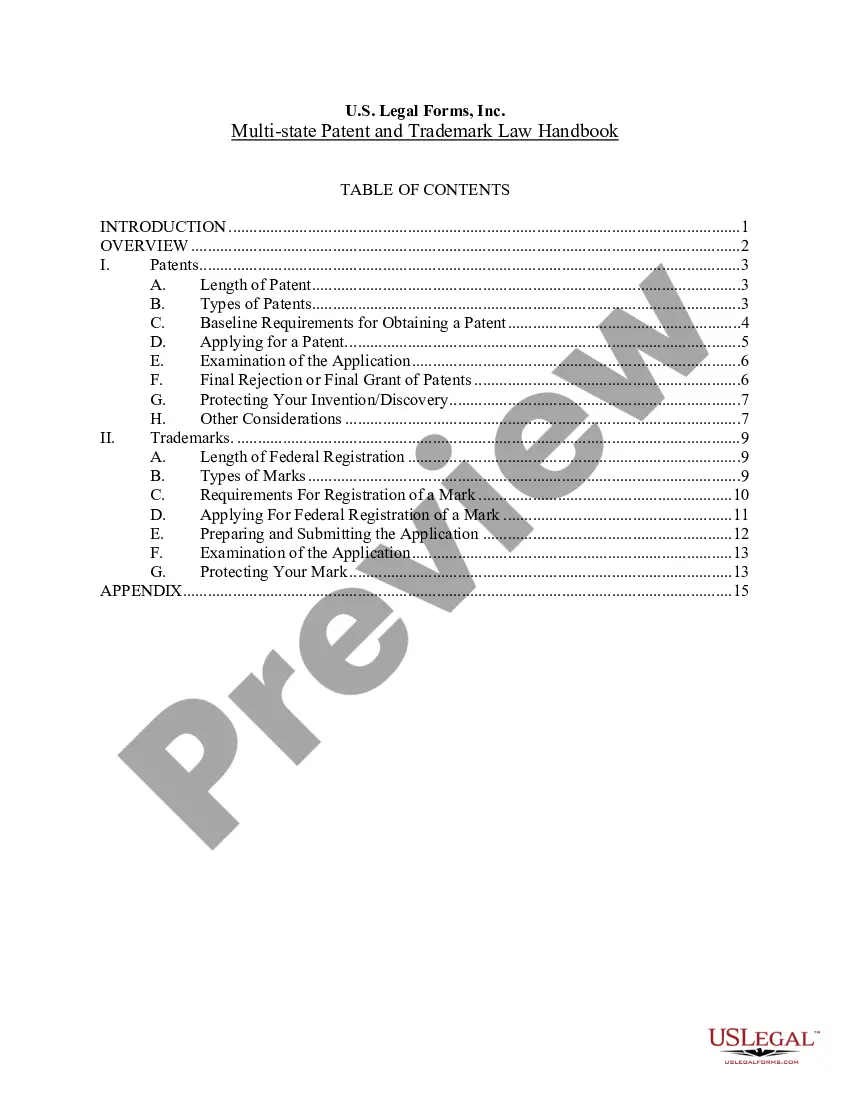
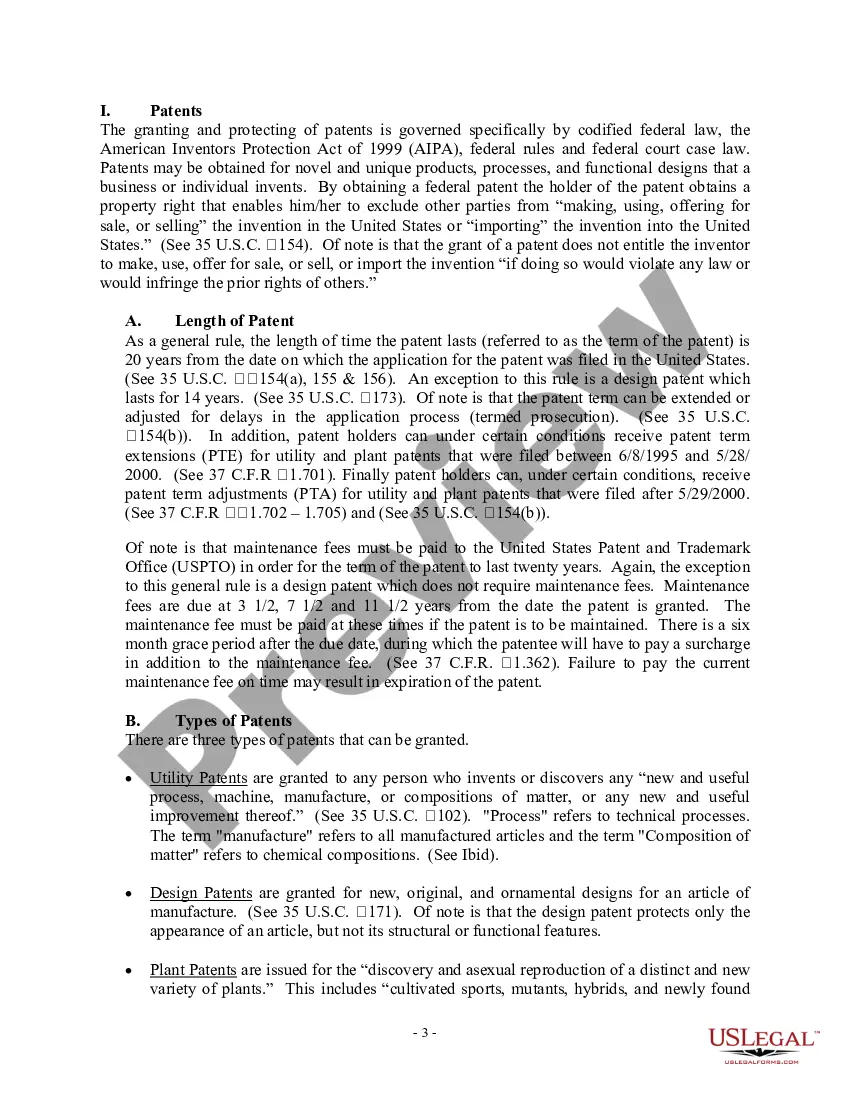



Get your form ready online
Our built-in tools help you complete, sign, share, and store your documents in one place.
Make edits, fill in missing information, and update formatting in US Legal Forms—just like you would in MS Word.
Download a copy, print it, send it by email, or mail it via USPS—whatever works best for your next step.
Sign and collect signatures with our SignNow integration. Send to multiple recipients, set reminders, and more. Go Premium to unlock E-Sign.
If this form requires notarization, complete it online through a secure video call—no need to meet a notary in person or wait for an appointment.
We protect your documents and personal data by following strict security and privacy standards.

Make edits, fill in missing information, and update formatting in US Legal Forms—just like you would in MS Word.

Download a copy, print it, send it by email, or mail it via USPS—whatever works best for your next step.

Sign and collect signatures with our SignNow integration. Send to multiple recipients, set reminders, and more. Go Premium to unlock E-Sign.

If this form requires notarization, complete it online through a secure video call—no need to meet a notary in person or wait for an appointment.

We protect your documents and personal data by following strict security and privacy standards.
Looking for another form?









Form popularity
FAQ
Patent analysis methodology Defining the topic and project scope, The patent search that leads to obtaining patent data, Data cleaning and normalization, Data analysis and visualization, Narrative and storytelling when drafting the report, and. Dissemination and distribution of the analysis.
Tip 1: know the difference between patents and patent applications. Tip 2: get your bearings. Tip 3: read the abstract. Tip 4: jump to the examples. Tip 5: read the claims. Tip 6: check the dates. Tip 7: patents are not subject to the scientific method and peer review.
Reading Patents Patent titles are often general and do not provide useful information. You can also skim the abstract. Unlike in research articles, patent abstracts are often not a good guide to the content. Go directly to the 'Claims' section.
A patent application often includes the following primary sections: Invention Title. The title's objective is to provide a clear understanding of the invention or idea. Prior Art: Context and Novelty. Invention Summary. Drawings and Descriptions. Detailed Description. Claims. Scope. Characteristics.
Researchers should be able to obtain full-text copies of most U.S. patents through either Google Patents or the USPTO website. U.S. patent applications granted since March of 2001 can also be found on the USPTO website. Full text of patents from around the world can often be obtained from tools like Lens or Espacenet.
How to File a Patent in Michigan Do You Have an Idea or Invention? Every invention begins as an idea. Perform Market Research. Verify Patent Eligibility. Conduct a Patent Search. Determine Inventorship & Ownership. Choose the Type of Patent. Prepare the Patent Application. Submit the Patent Application.
5 Simple Tips on How to Patent Your Research. Strike Early By Prioritizing Patents. Know What Can Be Patented. Conduct a Thorough Patent Search. Choose the Type of Patent Protection. Skillfully Draft Your Patent Application.
Patent drafting is the process of preparing a detailed and accurate description of the invention, along with the legal claims that define the scope of protection.
First to file and first to invent are legal concepts that define who has the right to the grant of a patent for an invention. Since March 16, 2013, after the United States abandoned its "first to invent/document" system, all countries have operated under the "first-to-file" patent priority requirement.
The specification should be in conformity with the requirements of the Patents Act 1992 and Patents Rules 1992, typed or printed on single sided A4 pages with margins of 2 to 3 centimeters. These margins should be blank, and each page should be numbered. Two copies of the specification must be submitted.
