Patent Trademark Application For Us In Maricopa
Description

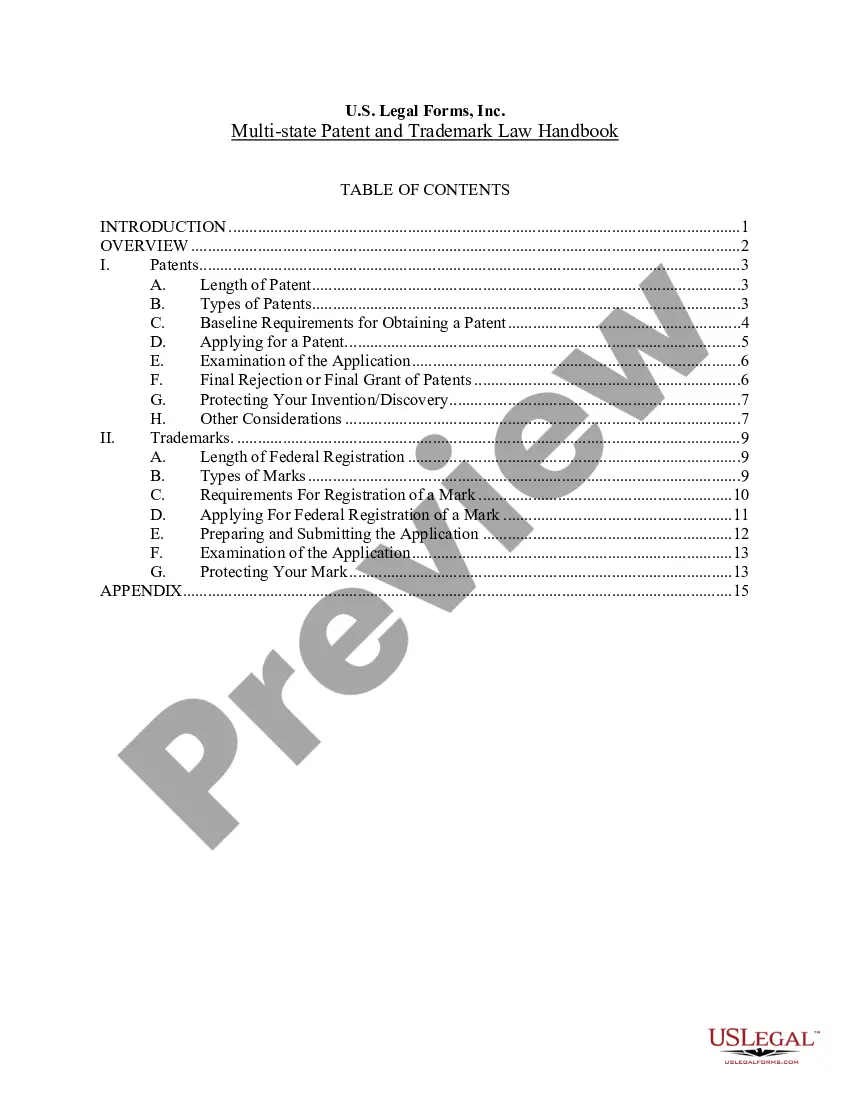
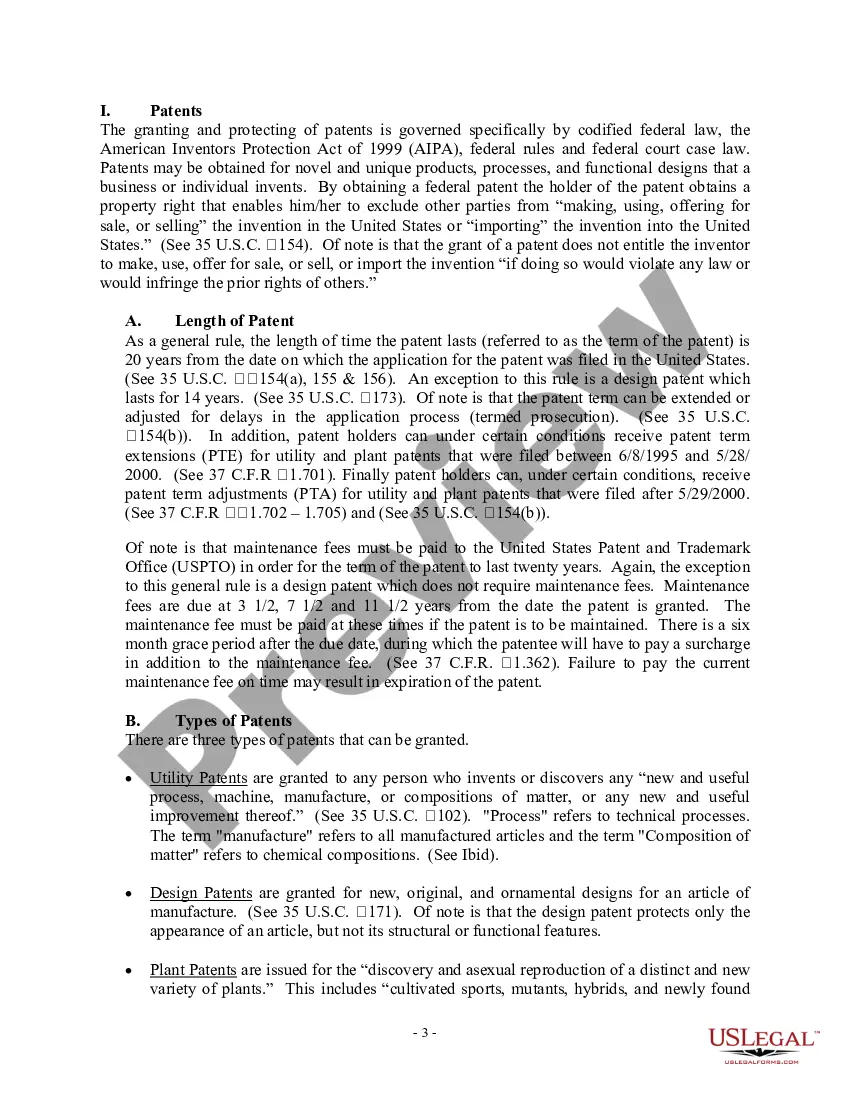



Get your form ready online
Our built-in tools help you complete, sign, share, and store your documents in one place.
Make edits, fill in missing information, and update formatting in US Legal Forms—just like you would in MS Word.
Download a copy, print it, send it by email, or mail it via USPS—whatever works best for your next step.
Sign and collect signatures with our SignNow integration. Send to multiple recipients, set reminders, and more. Go Premium to unlock E-Sign.
If this form requires notarization, complete it online through a secure video call—no need to meet a notary in person or wait for an appointment.
We protect your documents and personal data by following strict security and privacy standards.

Make edits, fill in missing information, and update formatting in US Legal Forms—just like you would in MS Word.

Download a copy, print it, send it by email, or mail it via USPS—whatever works best for your next step.

Sign and collect signatures with our SignNow integration. Send to multiple recipients, set reminders, and more. Go Premium to unlock E-Sign.

If this form requires notarization, complete it online through a secure video call—no need to meet a notary in person or wait for an appointment.

We protect your documents and personal data by following strict security and privacy standards.
Looking for another form?









Form popularity
FAQ
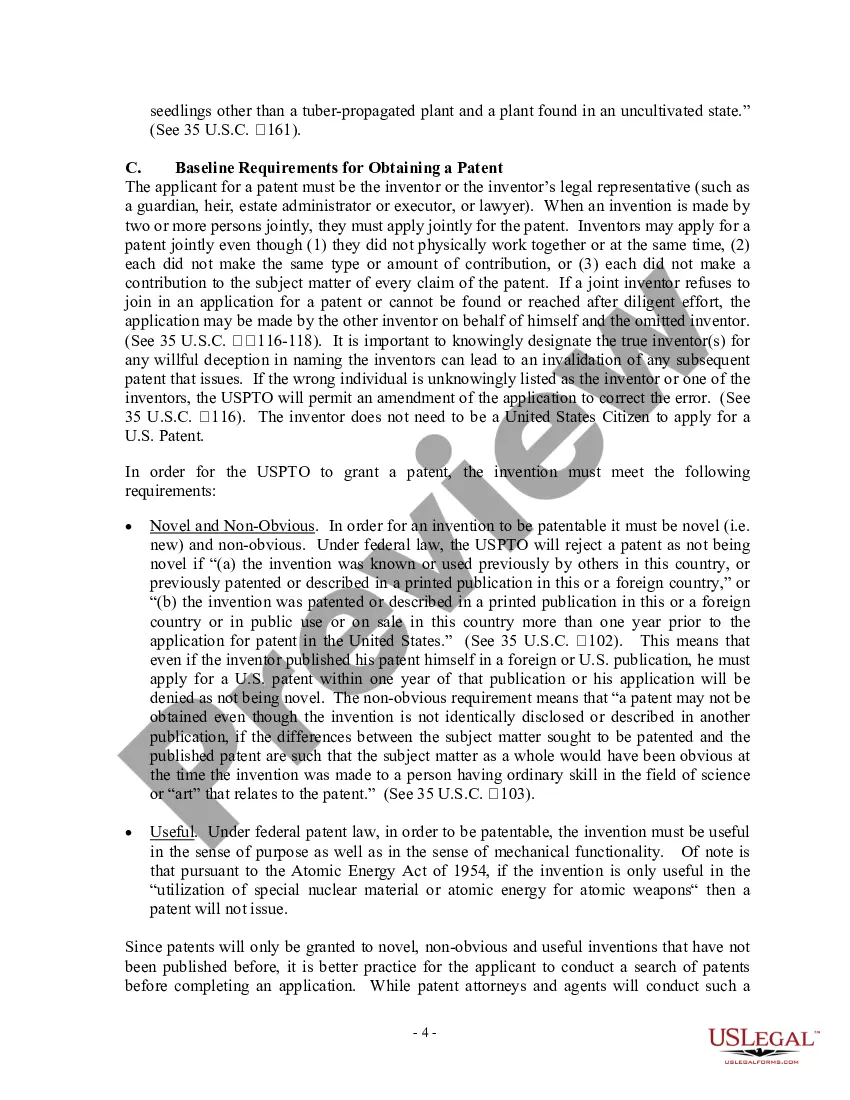
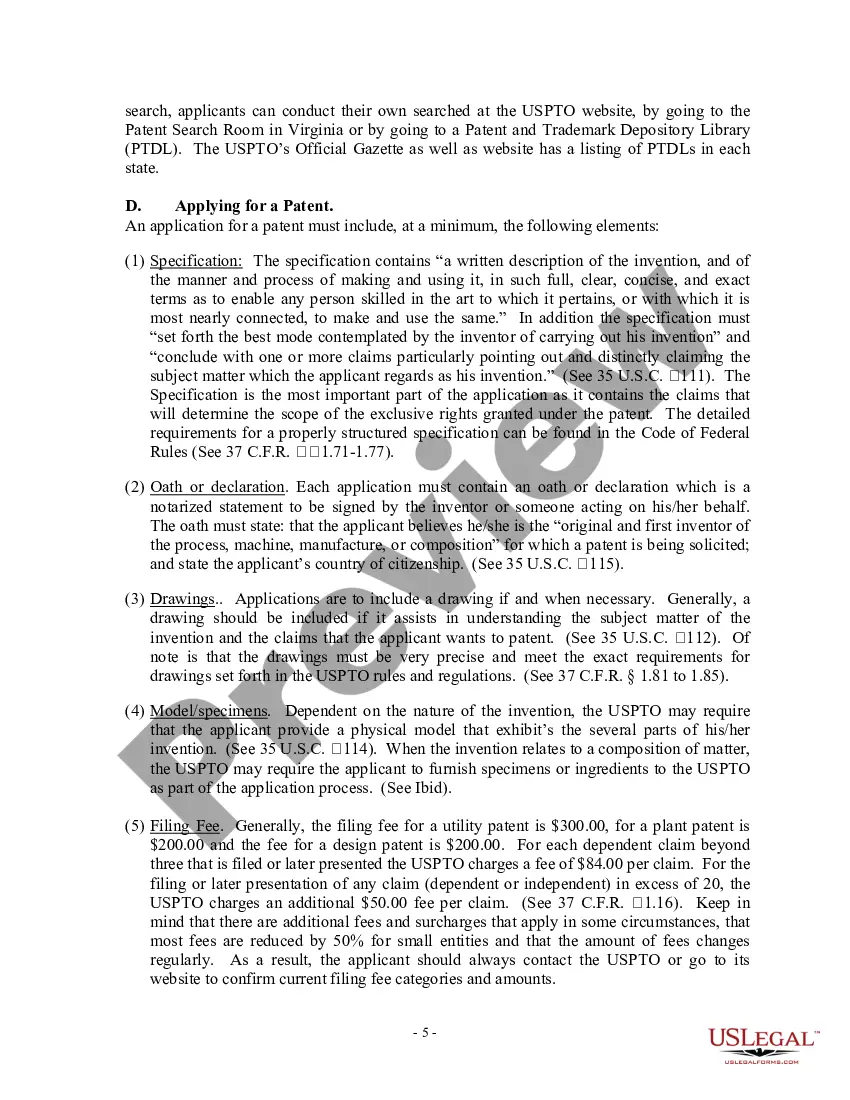
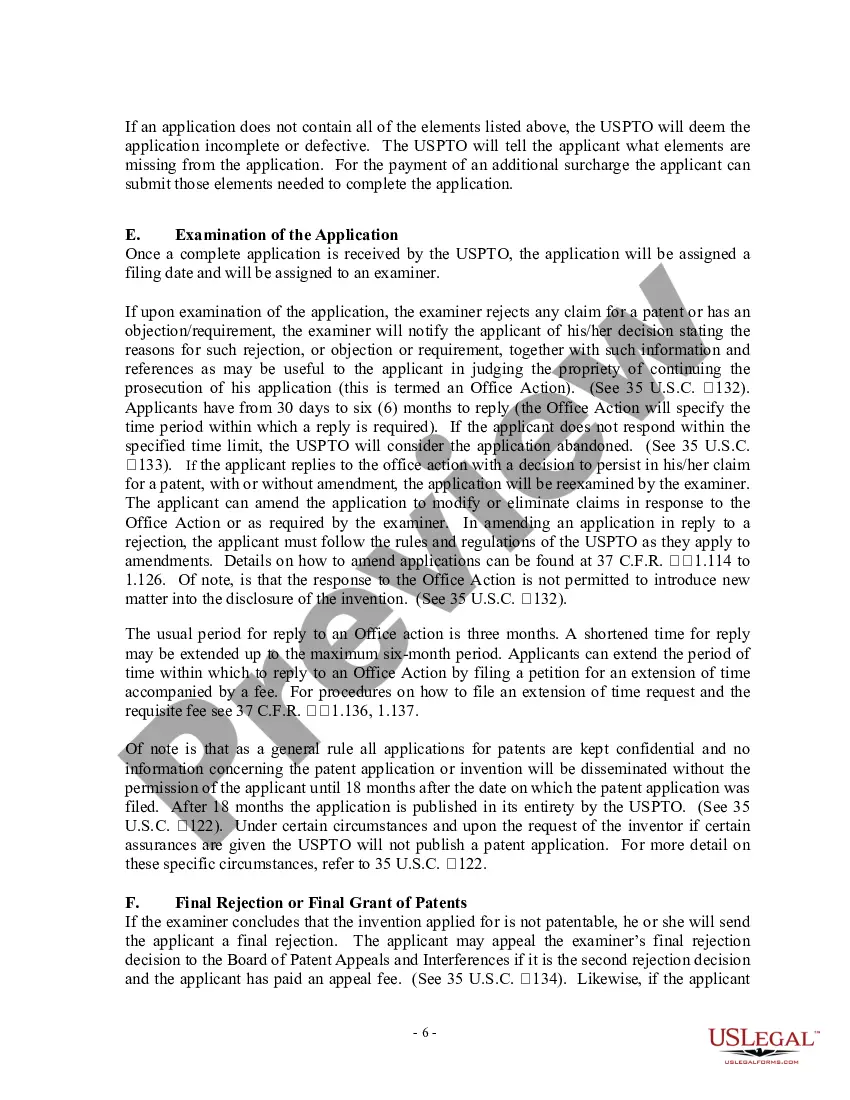
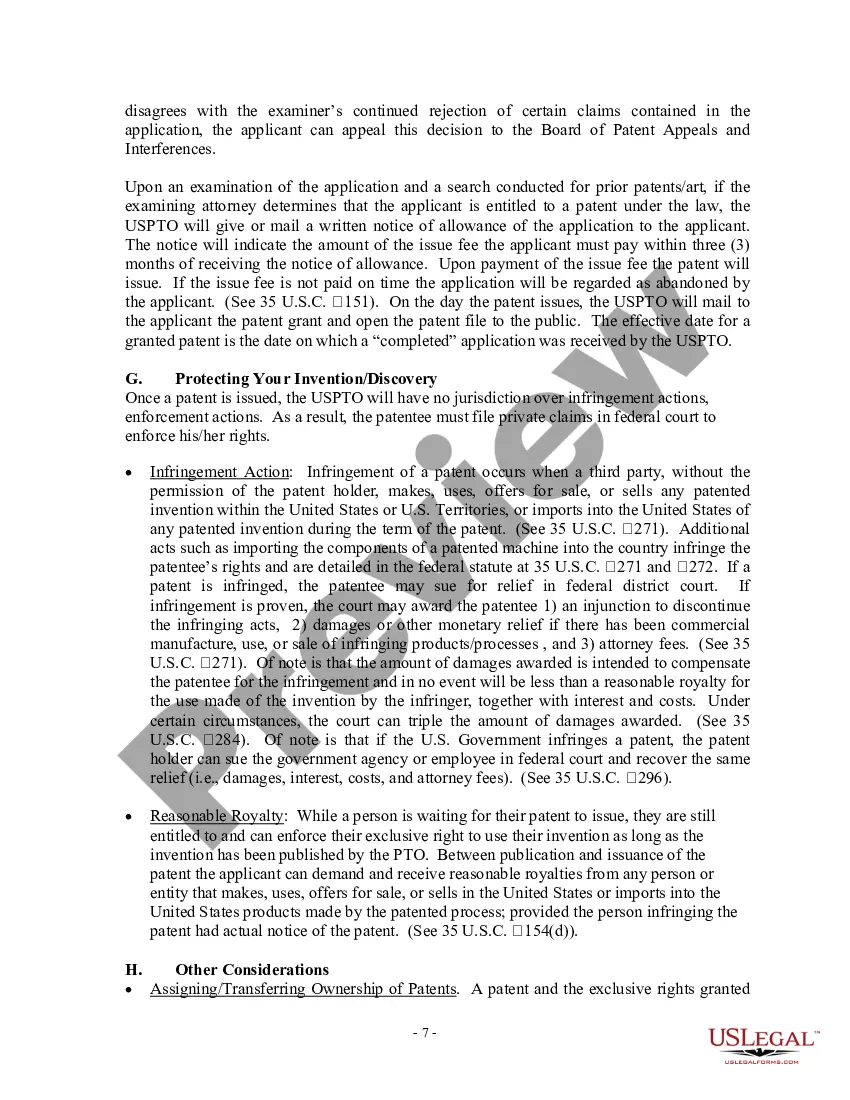
The cheapest way to get a trademark is to file a state trademark application, which is typically less expensive than a federal trademark application.
Trademark applications can be filed online with the USPTO. The application must provide a description of the goods or services for which the trademark will be used and a specimen showing how the mark is used in commerce.
With trademarks, the entire process can be completed online pretty easily, even if you do it yourself without hiring an attorney.
Usually, the process takes 12 to 18 months. Registering your trademark is a complex procedure that involves your application moving through various stages. Learning about each stage in the process will help you understand why getting a trademark takes as long as it does.
A person with any citizenship can register a trademark in the US. However, if you do not live in the United States (i.e. you have a foreign domicile address), you must use an attorney licensed to practice law in the United States.
Trademark process Step 1: Is a trademark application right for you? ... Step 2: Get ready to apply. Step 3: Prepare and submit your application. Step 4: Work with the assigned USPTO examining attorney. Step 5: Receive approval/denial of your application. Step 6: Maintain your registration.
