Us Patent Drafting Format In King
Description

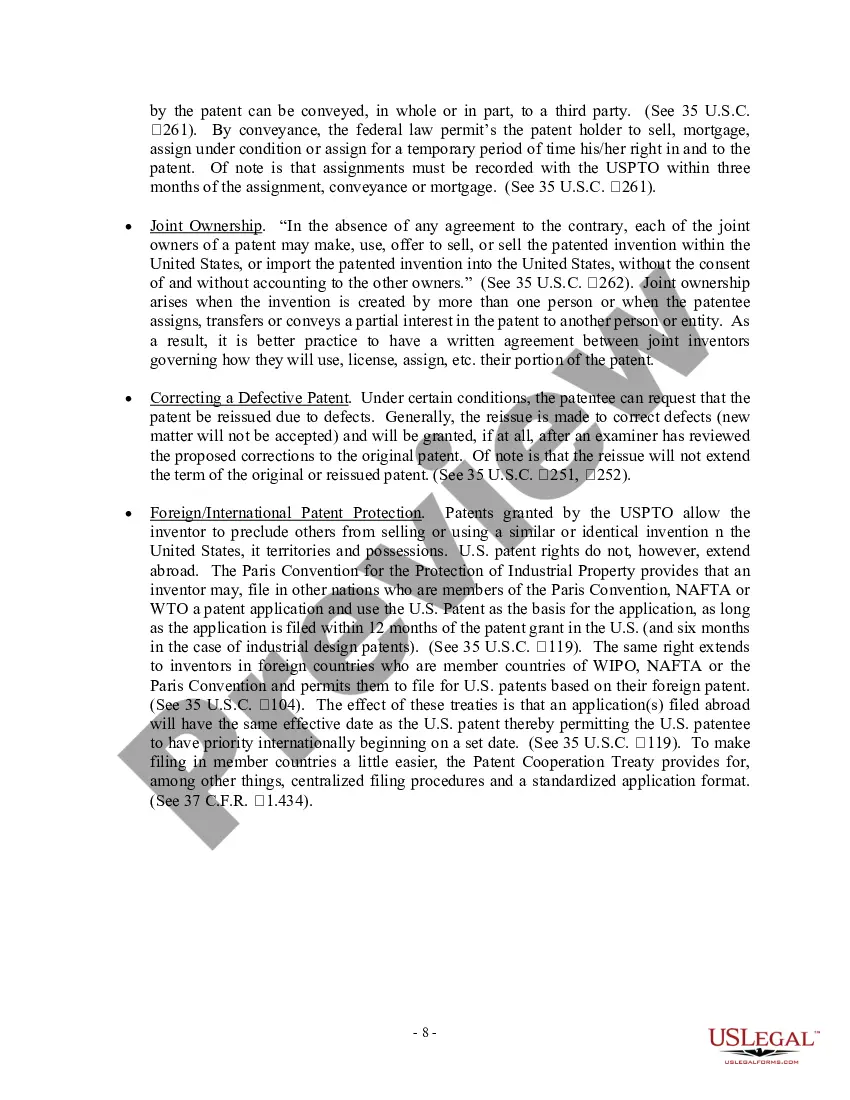


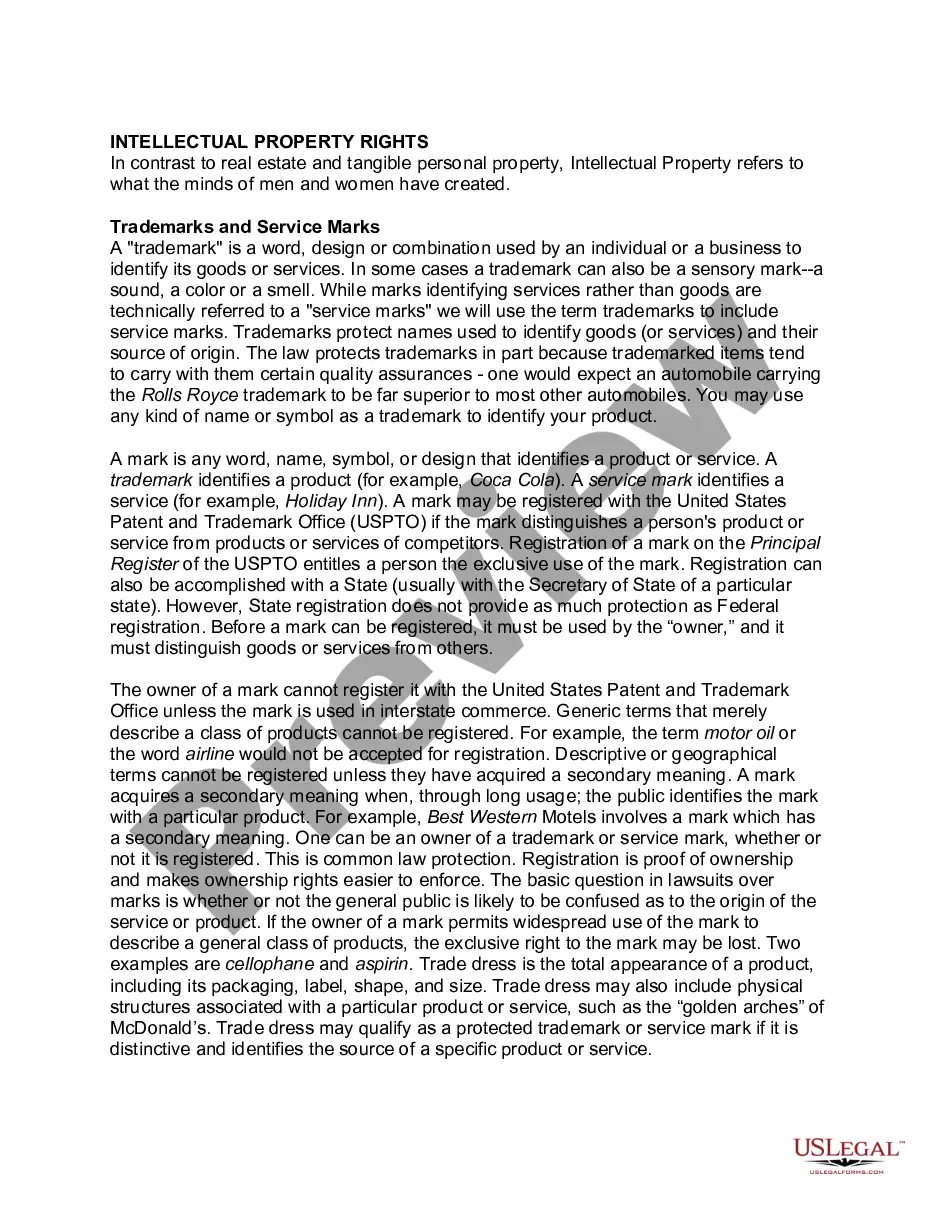
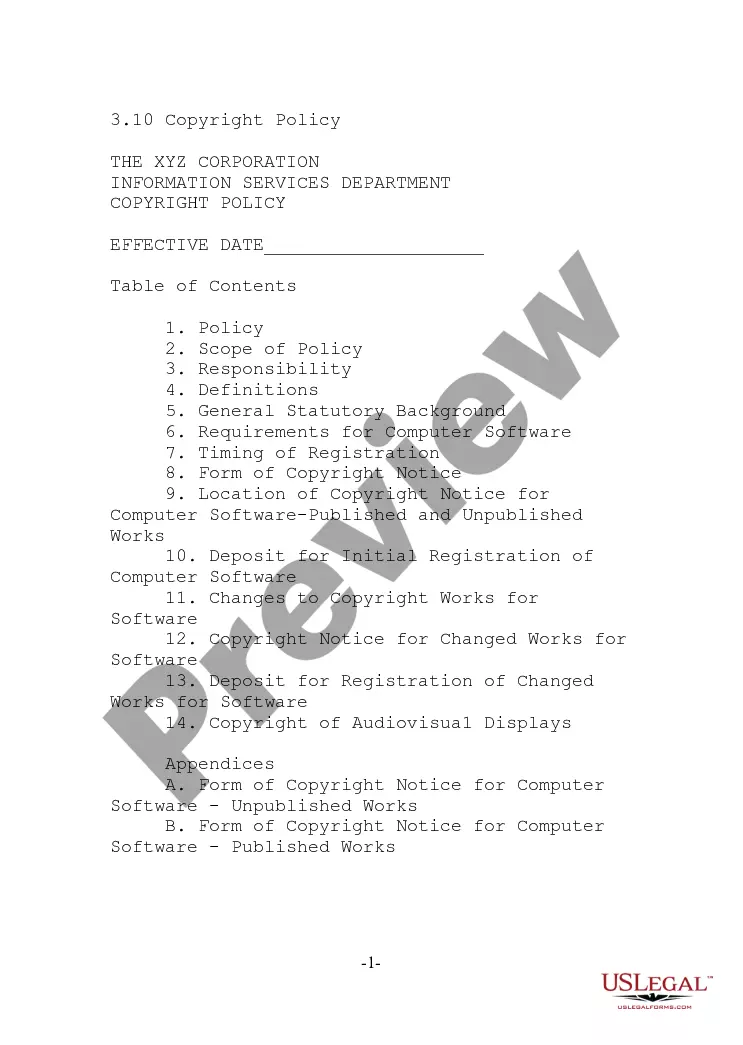
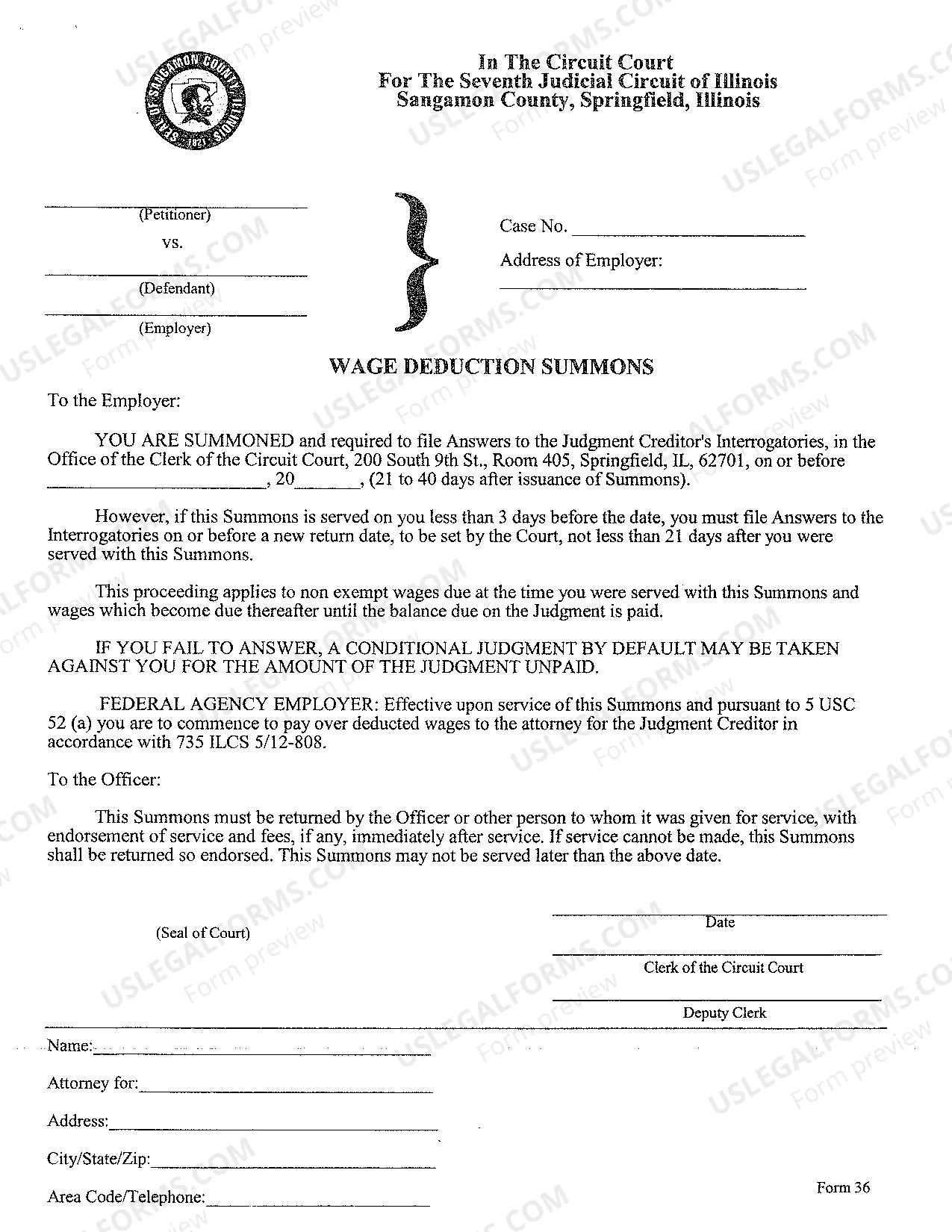
Get your form ready online
Our built-in tools help you complete, sign, share, and store your documents in one place.
Make edits, fill in missing information, and update formatting in US Legal Forms—just like you would in MS Word.
Download a copy, print it, send it by email, or mail it via USPS—whatever works best for your next step.
Sign and collect signatures with our SignNow integration. Send to multiple recipients, set reminders, and more. Go Premium to unlock E-Sign.
If this form requires notarization, complete it online through a secure video call—no need to meet a notary in person or wait for an appointment.
We protect your documents and personal data by following strict security and privacy standards.

Make edits, fill in missing information, and update formatting in US Legal Forms—just like you would in MS Word.

Download a copy, print it, send it by email, or mail it via USPS—whatever works best for your next step.

Sign and collect signatures with our SignNow integration. Send to multiple recipients, set reminders, and more. Go Premium to unlock E-Sign.

If this form requires notarization, complete it online through a secure video call—no need to meet a notary in person or wait for an appointment.

We protect your documents and personal data by following strict security and privacy standards.
Looking for another form?



Form popularity
FAQ
SJP Team Patent Application NumberPCT Application NumberPatent Number nnnnn/LLL/yyyy (since 1972) IN/PCT/yyyy/nnnnn/LLL (before 2003) nnnnnn (since 1912) nnnnn/LLLNP/yyyy (since 2003)2 more rows •
A patent application often includes the following primary sections: Invention Title. The title's objective is to provide a clear understanding of the invention or idea. Prior Art: Context and Novelty. Invention Summary. Drawings and Descriptions. Detailed Description. Claims. Scope. Characteristics.
General Format: Inventor1, Inventor2, et al. Title of patent. Patent number (include country code, the word “Patent”, and patent number with retained commas), date of filing (format Month Date, Year), and issued date of publication (format Month Date, Year).
B1. Utility Patent Grant (no pre-grant publication) issued on or after January 2, 2001. B2. B2. Utility Patent Grant (with pre-grant publication) issued on or after January 2, 2001.
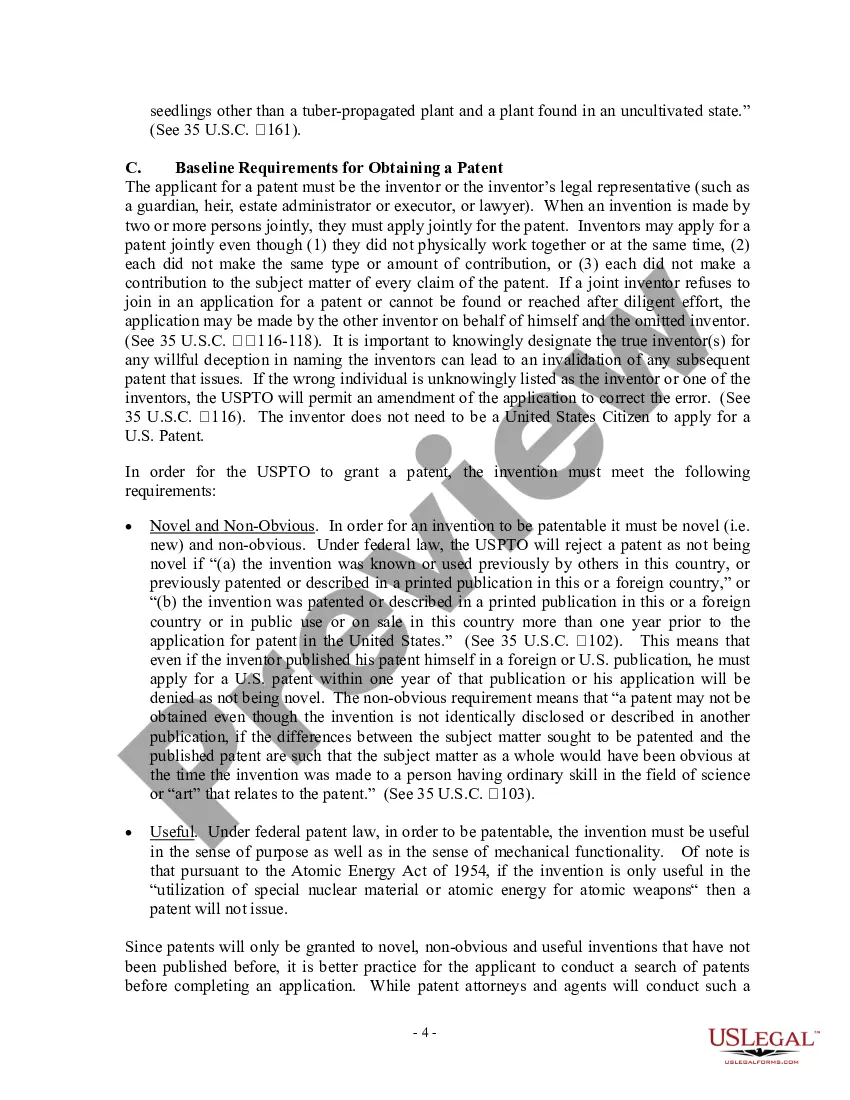
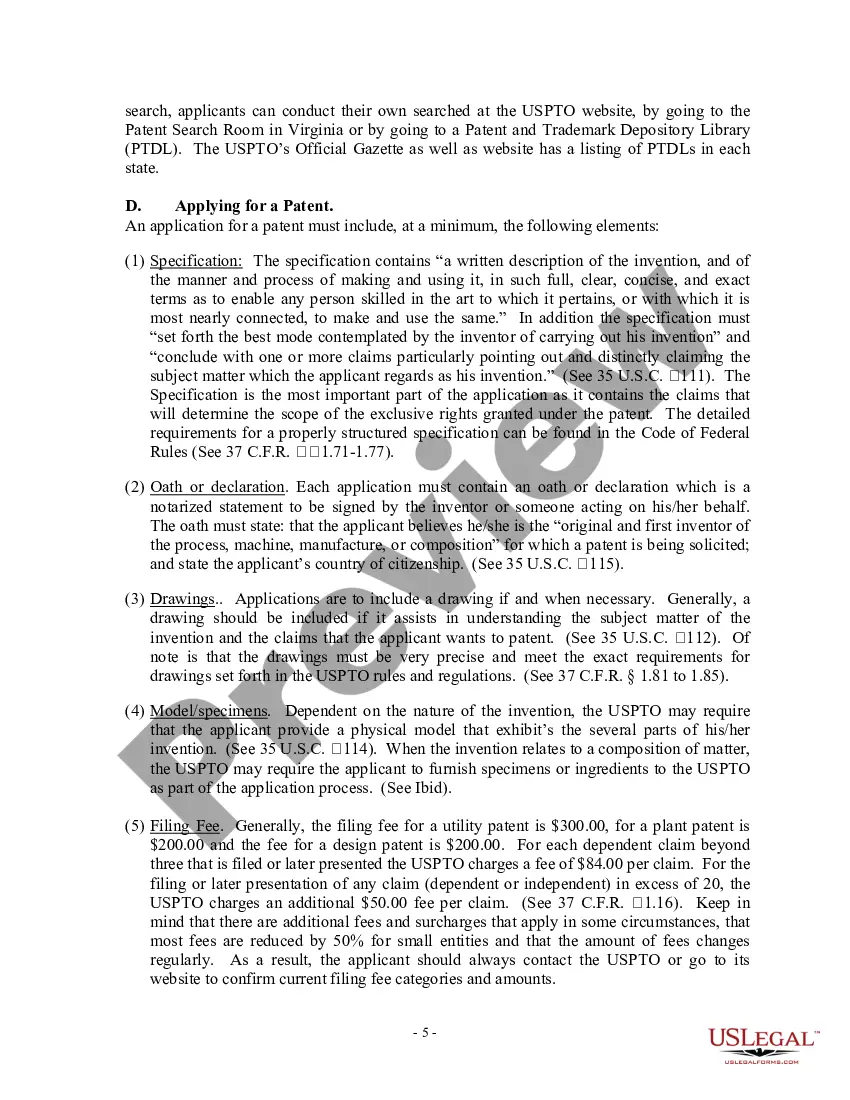
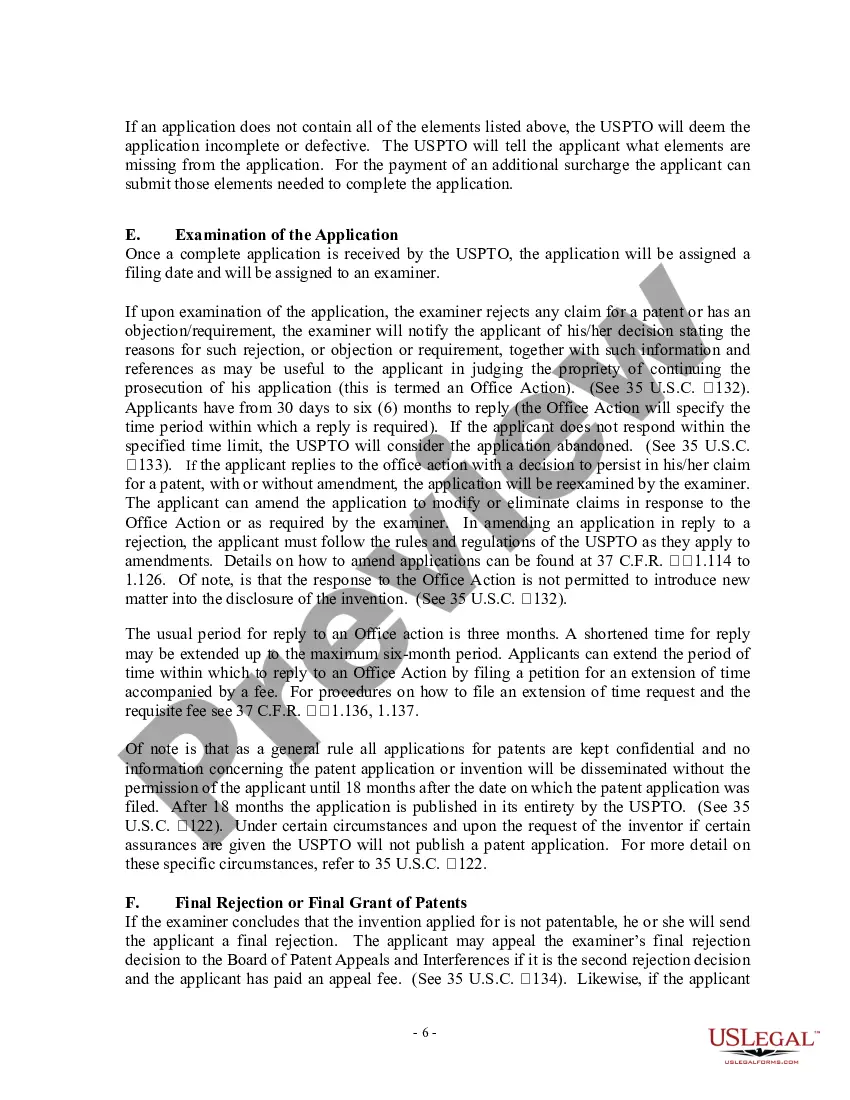
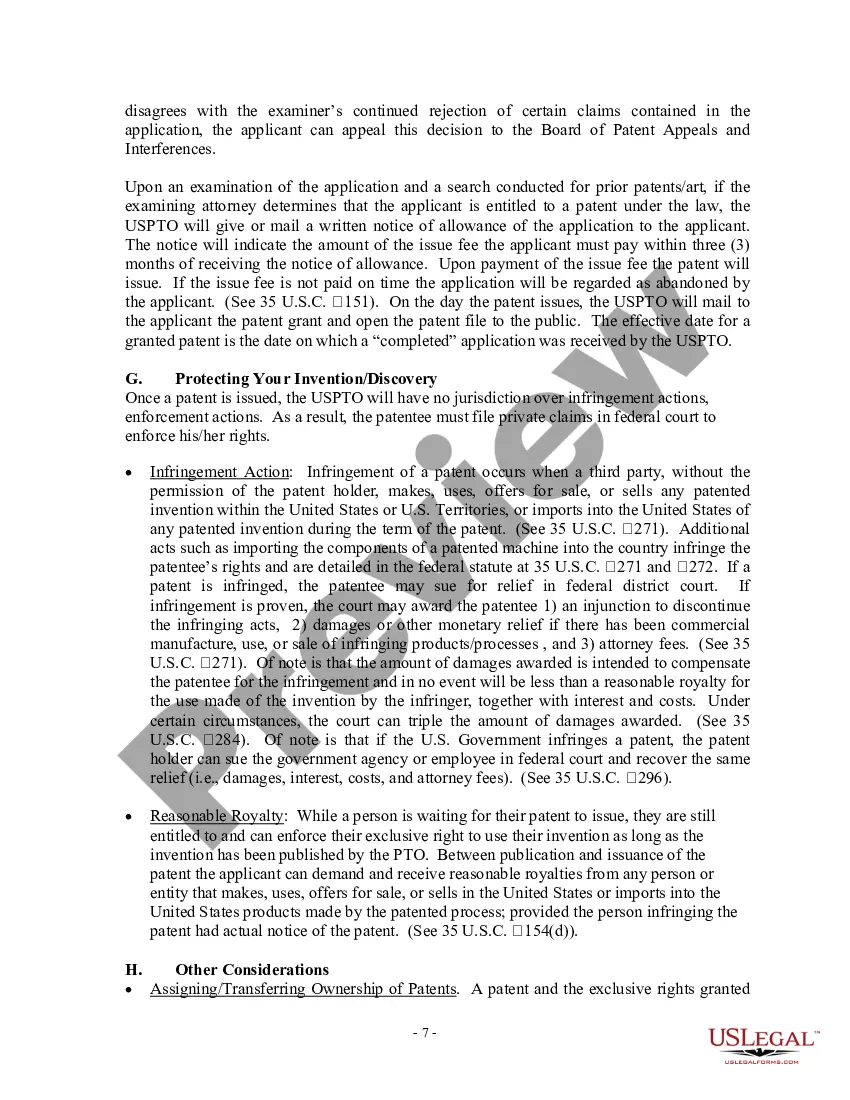
A patent application must include: a description of your invention that allows others to see how it works and how it could be made. legal statements that set out the technical features of your invention (that are to be protected (known as 'claims')
A patent application comprises of a completed application form entitled "Request for the Grant of a Patent" which is set out in Schedule II of the Patents (Amendment) Rules 2009 (Form No. 1) and a specification. The online patent e-filing system incorporates Form No. 1.
To file a patent in Brazil, it must be processed in The Brazilian entity of patents is the National Institute of Industrial Property (INPI). This is the official government body responsible for Industrial Property rights in Brazil being a federal autarchy of the Ministry of Industry, Foreign Trade and Services.
Structure of the specification A patent specification normally has the following parts in the order given: A title to identify the invention. A statement as to the field to which the invention relates. An explanation of the background “state of the art” – what was already known prior to the invention.
Basic format to reference a print patent # Author(s) Initial(s). Surname(s), “Title of patent,” Patent's country of origin and number x, Abbrev. Month. Day, Year of Publication.
Patent applications filed with the USPTO are given a serial or application number in the format of XX/YYY,YYY. The first two digits before the slash (the “XX”) are the series code and the six digits after the slash (the “YYY,YYY”) are the serial or application number.
