Patent Trademark Law For Beginners In Illinois
Description

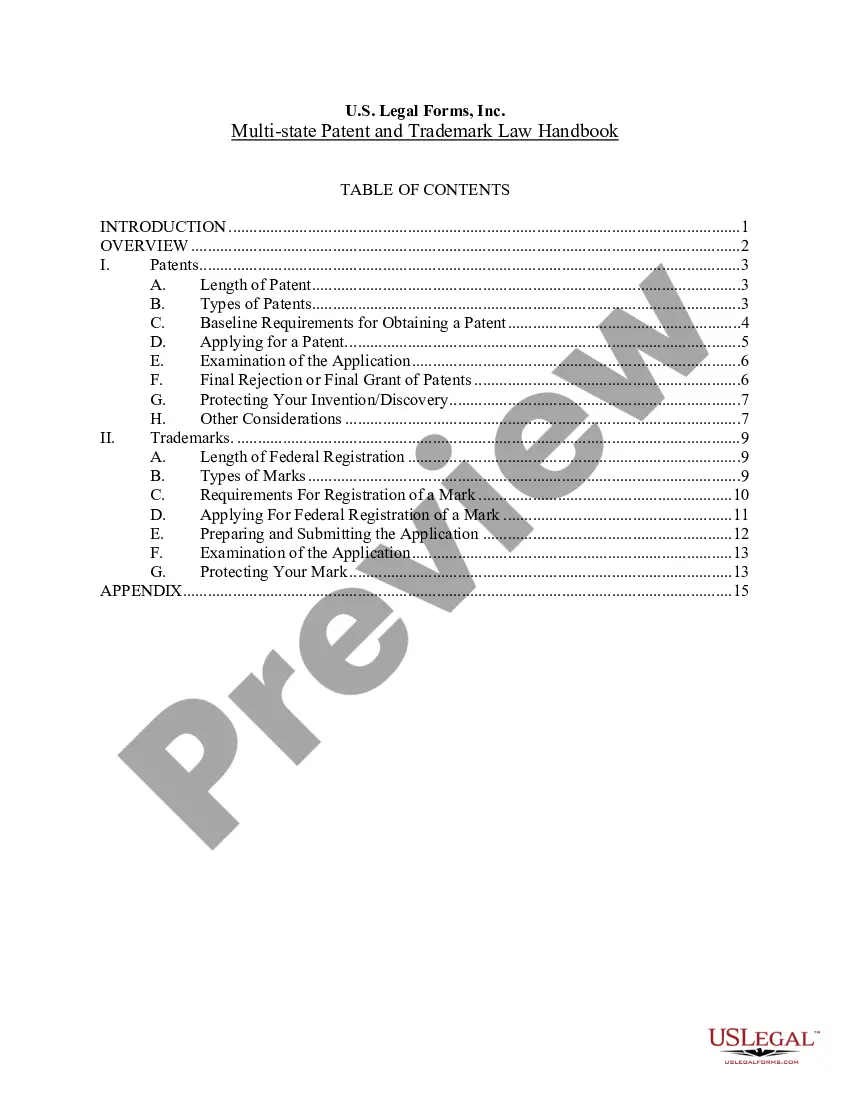
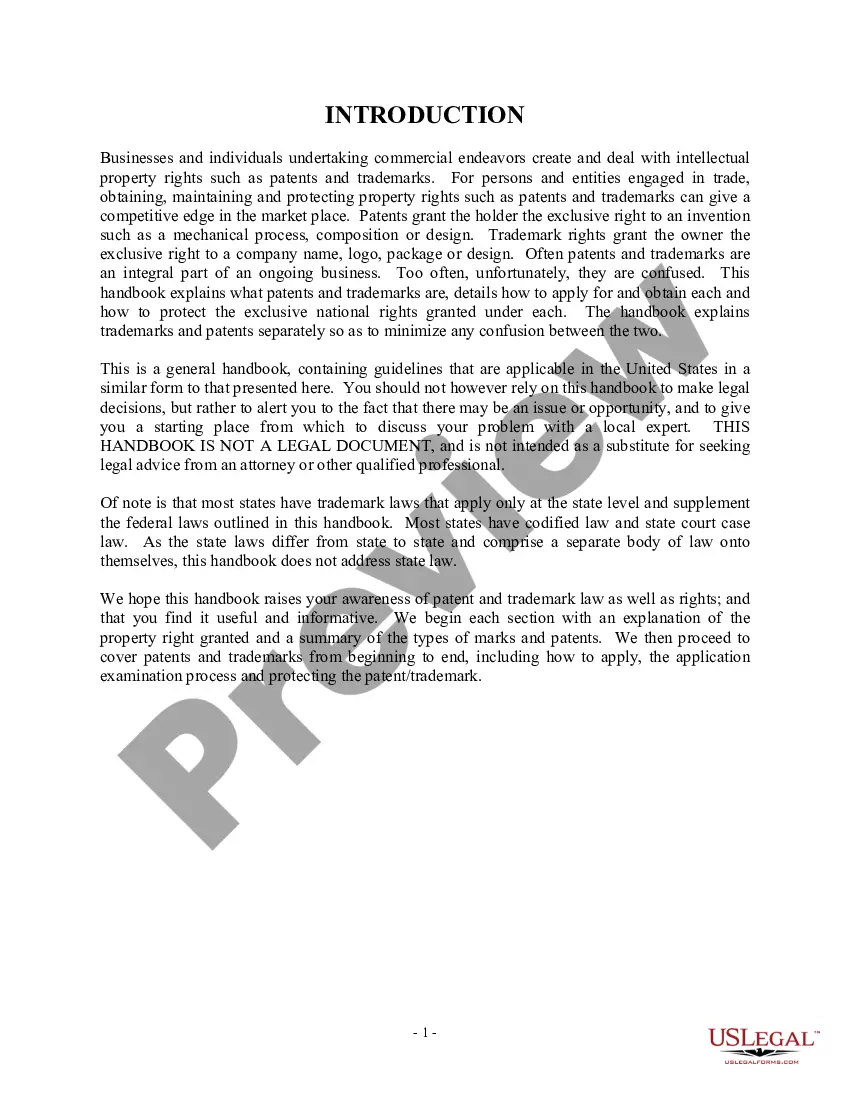
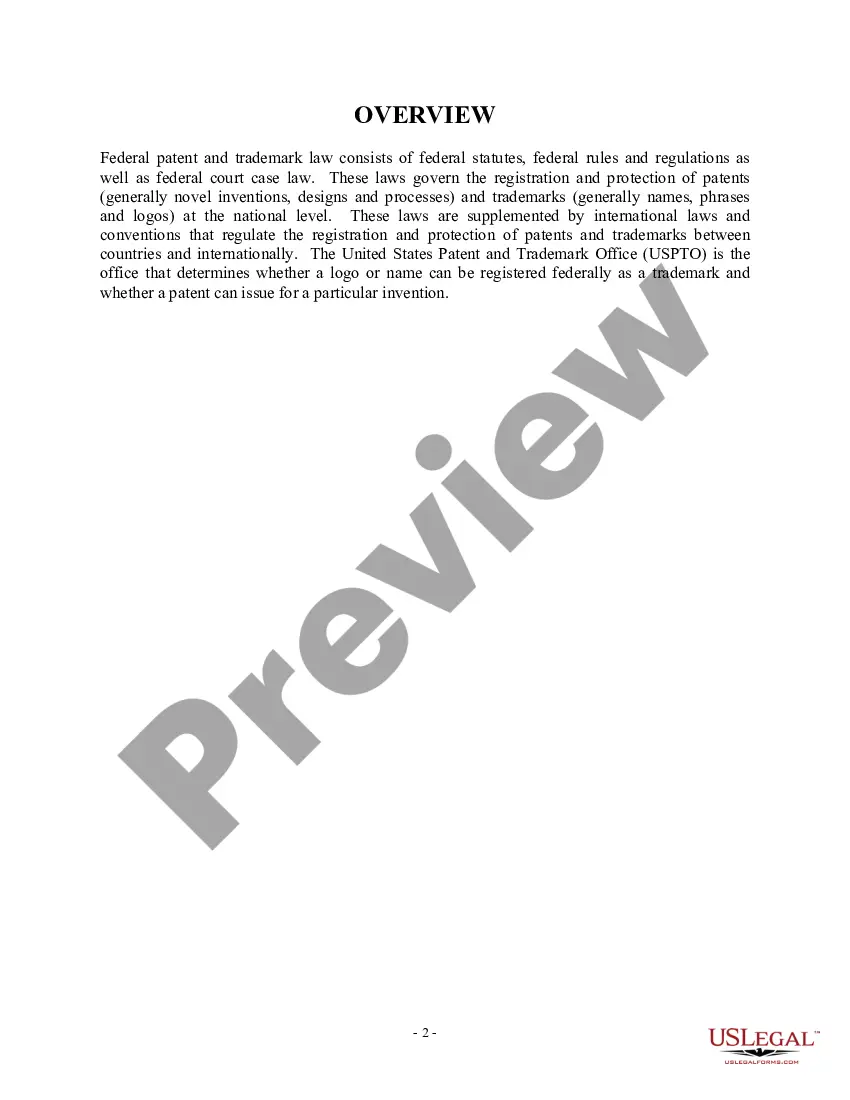
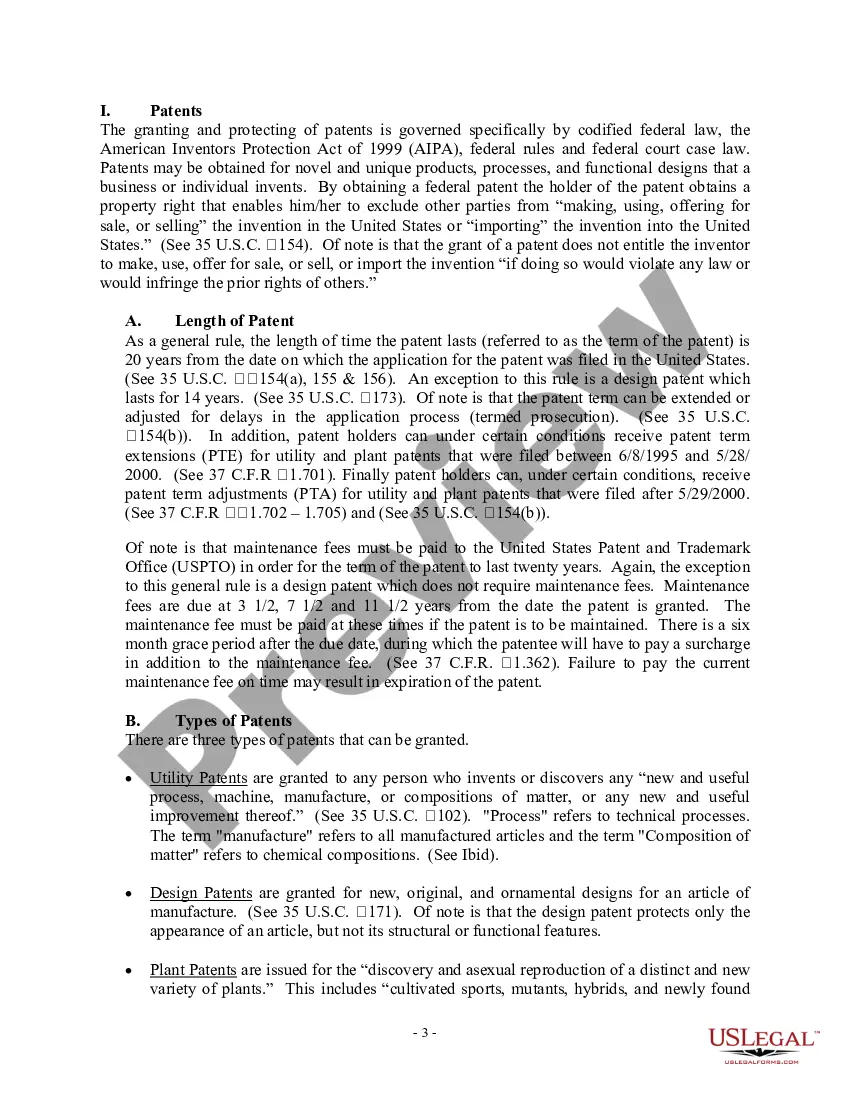


Get your form ready online
Our built-in tools help you complete, sign, share, and store your documents in one place.
Make edits, fill in missing information, and update formatting in US Legal Forms—just like you would in MS Word.
Download a copy, print it, send it by email, or mail it via USPS—whatever works best for your next step.
Sign and collect signatures with our SignNow integration. Send to multiple recipients, set reminders, and more. Go Premium to unlock E-Sign.
If this form requires notarization, complete it online through a secure video call—no need to meet a notary in person or wait for an appointment.
We protect your documents and personal data by following strict security and privacy standards.

Make edits, fill in missing information, and update formatting in US Legal Forms—just like you would in MS Word.

Download a copy, print it, send it by email, or mail it via USPS—whatever works best for your next step.

Sign and collect signatures with our SignNow integration. Send to multiple recipients, set reminders, and more. Go Premium to unlock E-Sign.

If this form requires notarization, complete it online through a secure video call—no need to meet a notary in person or wait for an appointment.

We protect your documents and personal data by following strict security and privacy standards.
Looking for another form?




Form popularity
FAQ
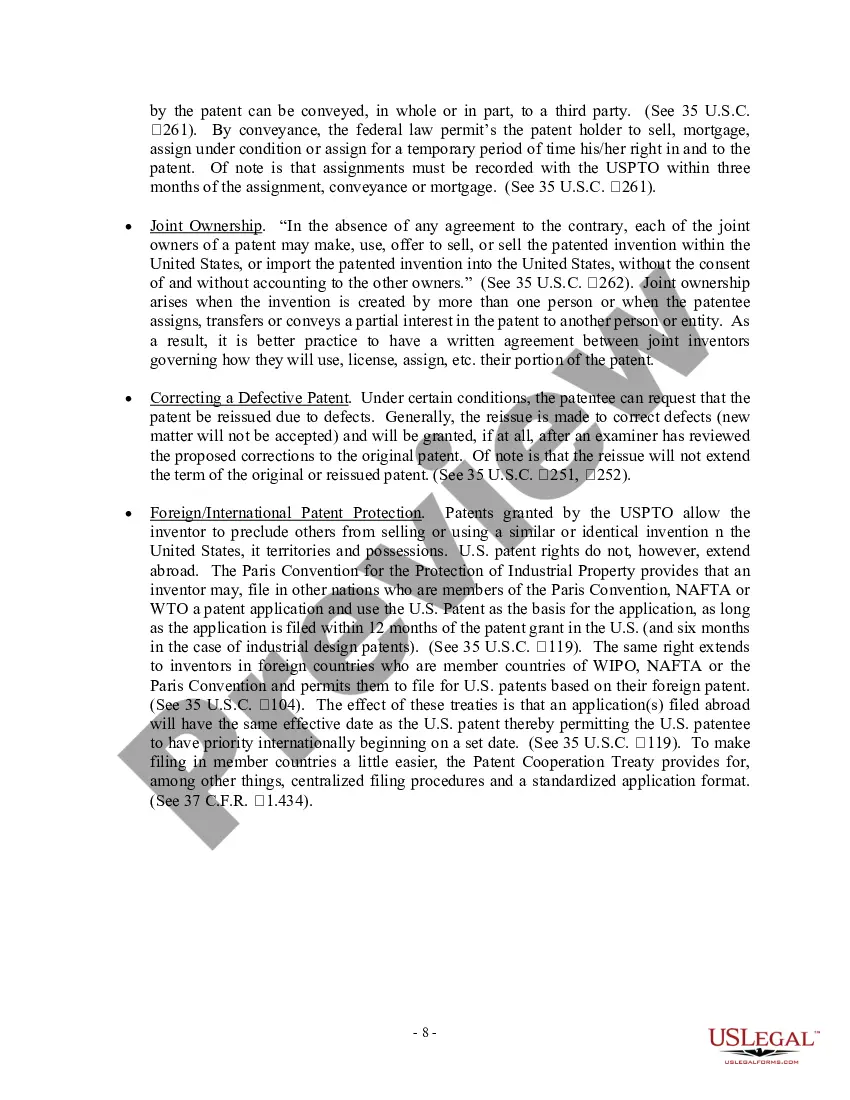
How to File a Patent in Illinois Do You Have an Idea or Invention? Every invention begins as an idea. Perform Market Research. Verify Patent Eligibility. Conduct a Patent Search. Determine Inventorship & Ownership. Choose the Type of Patent. Prepare the Patent Application. Submit the Patent Application.
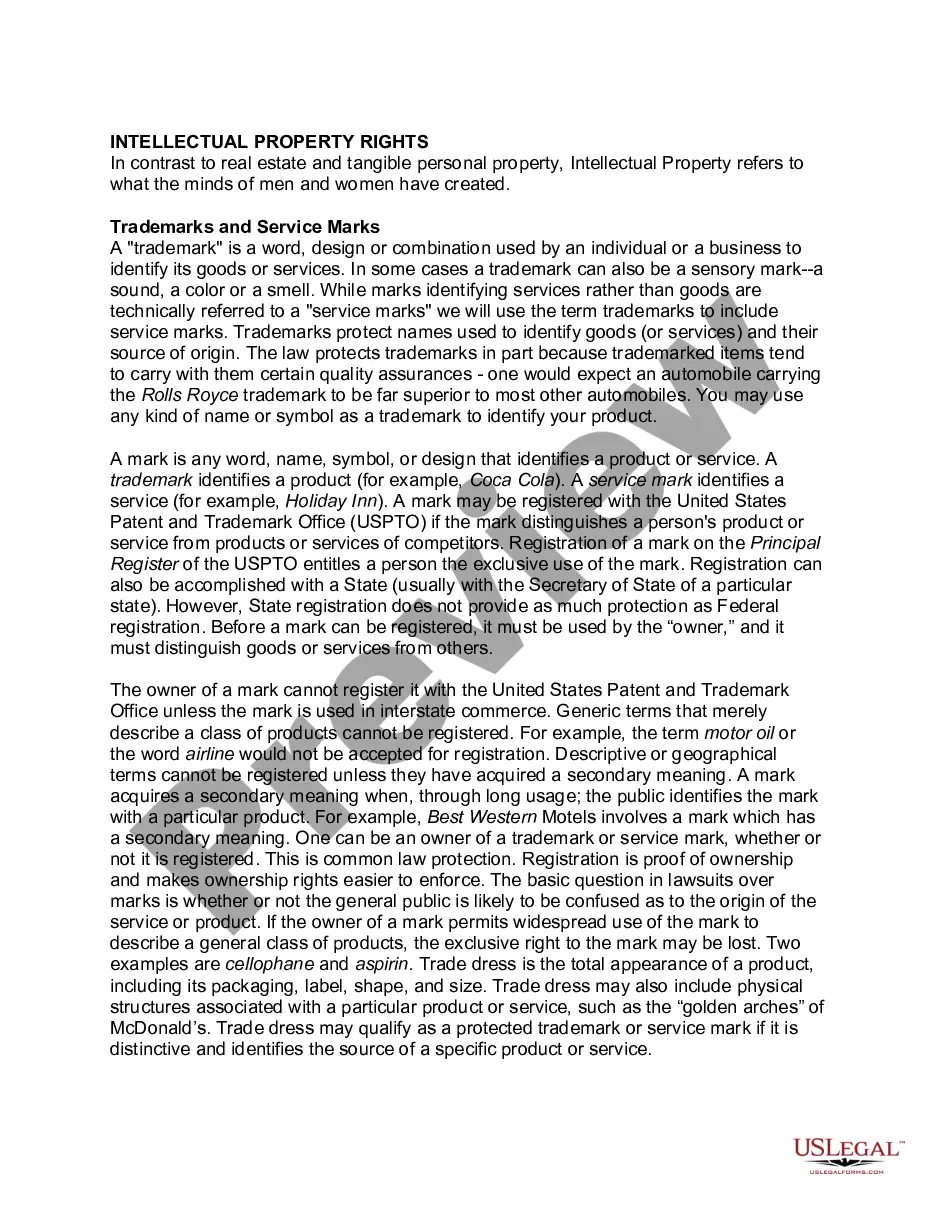
Trademark/Servicemark Publications/Forms Form NumberForm NameFee TM/SM 15 Trademark or Servicemark Application $10 TM/SM 30 Trademark or Servicemark Renewal Application $5 TM/SM 35a Trademark or Servicemark Assignment Application $5 TM/SM 35b Trademark or Servicemark Application for Change of Name and/or Address of Registrant $51 more row
Many people ask: can ideas be patented? The short answer is no. Unfortunately, despite what you may have heard from late night television commercials, there is no effective way to protect an idea with any form of intellectual property protection. Copyrights protect expression and creativity, not innovation.
The Poor Man's Patent Is Obsolete Being the first to invent will no longer save you is someone else filed first. So even if you did write out the idea for your invention and mailed it to yourself, that date would not matter.
The five primary requirements for patentability are: (1) patentable subject matter; (2) utility; (3) novelty; (4) non-obviousness; and (5) enablement. Like trademarks, patents are territorial, meaning they are enforceable in a specific geographic area.
The cheapest way to get a trademark is to file a state trademark application, which is typically less expensive than a federal trademark application.
An inventor in Illinois should use the services of a registered patent attorney in Illinois to prepare and file the patent application. Although an inventor may file and obtain their own patent, there is no guarantee that the patent would sufficiently protect the invention.
A patent allows the creator of certain kinds of inventions that contain new ideas to keep others from making commercial use of those ideas without the creator's permission. Trademarks, on the other hand, are not concerned with how a new technology is used.
In the United States, a trademark can last forever, so long as it is used in commerce and renewed on time every ten years. To renew a registered trademark, the owner must file the maintenance documents with the United States Patent Trademark Office (USPTO) and meet certain legal requirements.
Assuming that a patent is available for the subject matter of your concept, that's the way to prevent others from pursuing the same product concept. A trademark, however, is useful—and often crucial—when you are building a brand for your product or service.
