Patent Trademark Meaning In Hillsborough
Description

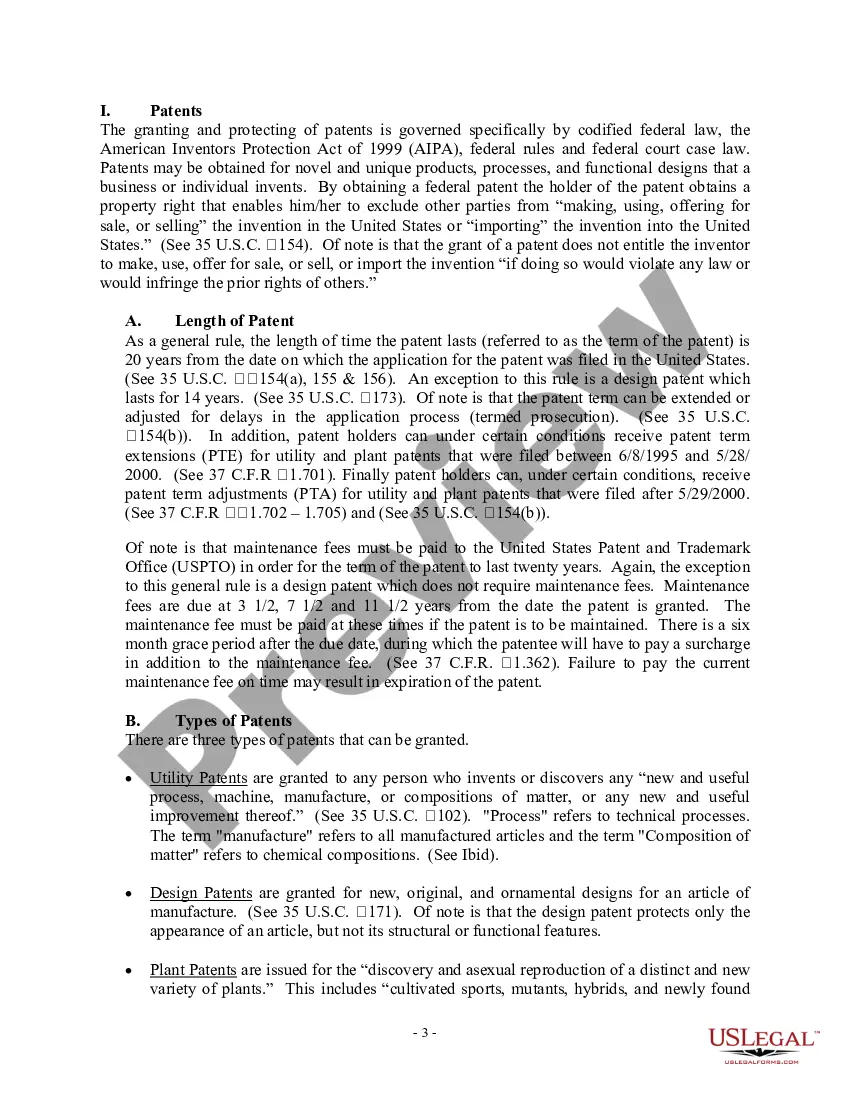



Get your form ready online
Our built-in tools help you complete, sign, share, and store your documents in one place.
Make edits, fill in missing information, and update formatting in US Legal Forms—just like you would in MS Word.
Download a copy, print it, send it by email, or mail it via USPS—whatever works best for your next step.
Sign and collect signatures with our SignNow integration. Send to multiple recipients, set reminders, and more. Go Premium to unlock E-Sign.
If this form requires notarization, complete it online through a secure video call—no need to meet a notary in person or wait for an appointment.
We protect your documents and personal data by following strict security and privacy standards.

Make edits, fill in missing information, and update formatting in US Legal Forms—just like you would in MS Word.

Download a copy, print it, send it by email, or mail it via USPS—whatever works best for your next step.

Sign and collect signatures with our SignNow integration. Send to multiple recipients, set reminders, and more. Go Premium to unlock E-Sign.

If this form requires notarization, complete it online through a secure video call—no need to meet a notary in person or wait for an appointment.

We protect your documents and personal data by following strict security and privacy standards.
Looking for another form?



Form popularity
FAQ
In general, the permissions process involves a simple five-step procedure: Determine if permission is needed. Identify the owner. Identify the rights needed. Contact the owner and negotiate whether payment is required. Get your permission agreement in writing.
To get permission to sell a company's products, reach out to their licensing or sales team. Make sure to get everything in writing, especially if you're selling on sites like Amazon or your own online store.
Request Permission: Submit a formal request that outlines how and where you want to use the logo. Negotiate Terms: If the owner has conditions, discuss them and make sure they work for your needs.
Contact the owner of the material you want to use, explain how you want to use their material, and ask for permission to use it.
A patent allows the creator of certain kinds of inventions that contain new ideas to keep others from making commercial use of those ideas without the creator's permission. Trademarks, on the other hand, are not concerned with how a new technology is used.
In general, the permissions process involves a simple five-step procedure: Determine if permission is needed. Identify the owner. Identify the rights needed. Contact the owner and negotiate whether payment is required. Get your permission agreement in writing.
The Coca-Cola Corp owns the trademark to the name Coca-Cola, as well as the trademark on the bottle shape, and the graphic representation of their name. These are all things that help distinguish them from other cola brands and define their individual product. Coca-Cola also owns the patent on their formula.
Whether a trademark or a patent is better for you depends on what type of intellectual property you are aiming to protect. As mentioned above, trademarks protect portions of a company's branding and consumer recognition whereas a patent protects an inventor's right to their creation.
You will press 0. 1 5 3 and then you're gonna let go of both the alt and the 3 key that's how youMoreYou will press 0. 1 5 3 and then you're gonna let go of both the alt and the 3 key that's how you get the TM. If you won the R in a circle. Then again you're gonna press and hold the Alt key and then
FieldSymbol Trademark – Registered ® Trademark - Unregistered ™ Servicemark - Unregistered ℠ Patent Patent #; “pat.”; “patent”3 more rows •
