Patent Trademark Application Format In Hillsborough
Description

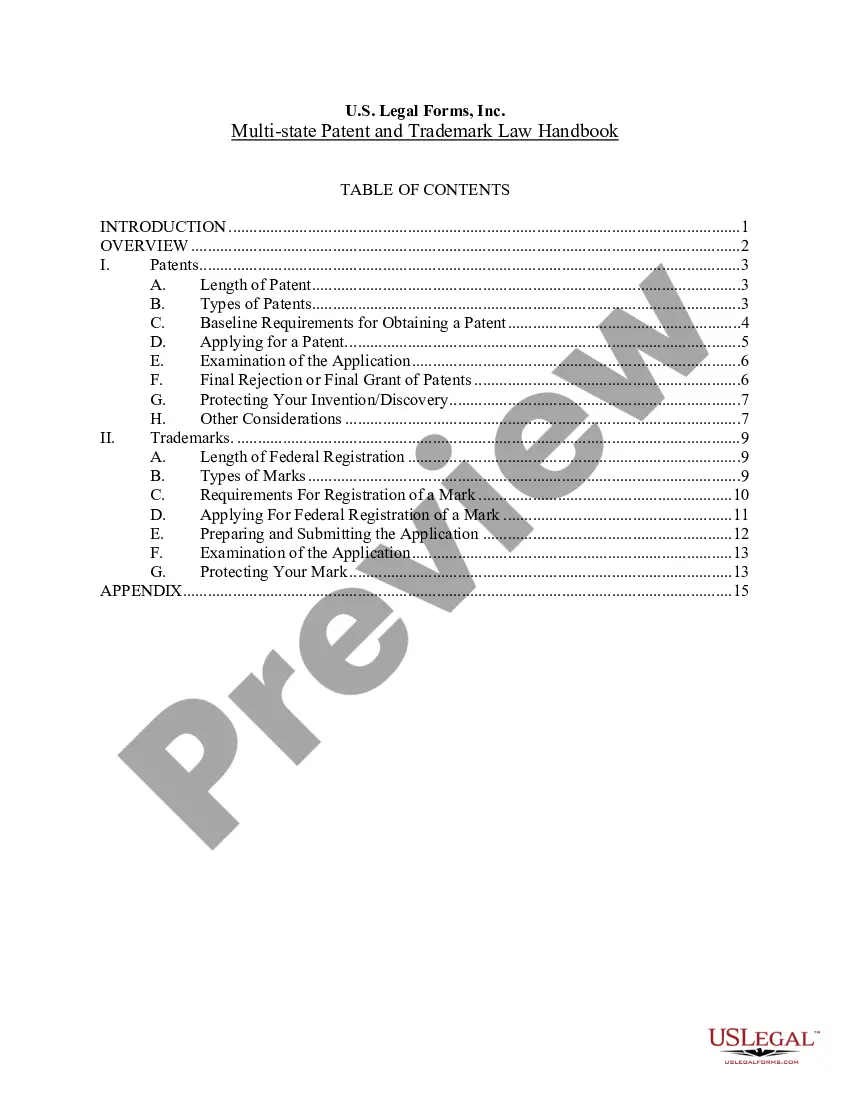
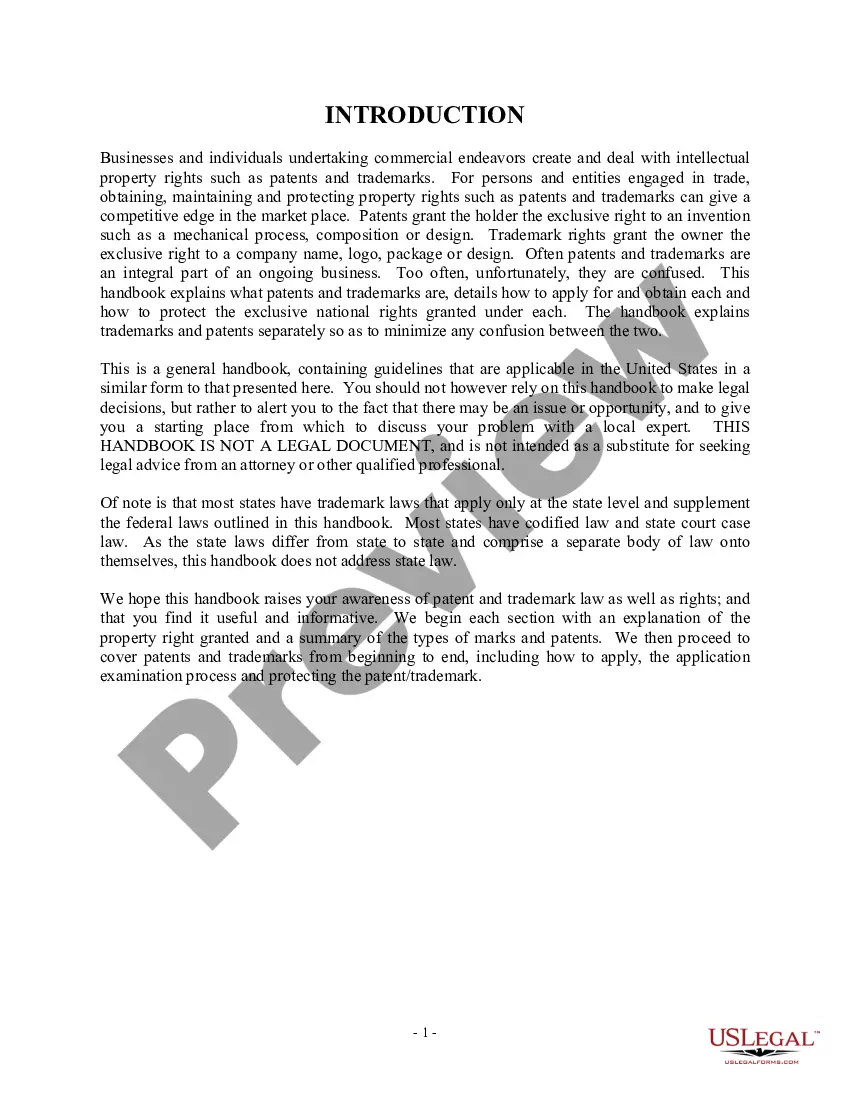
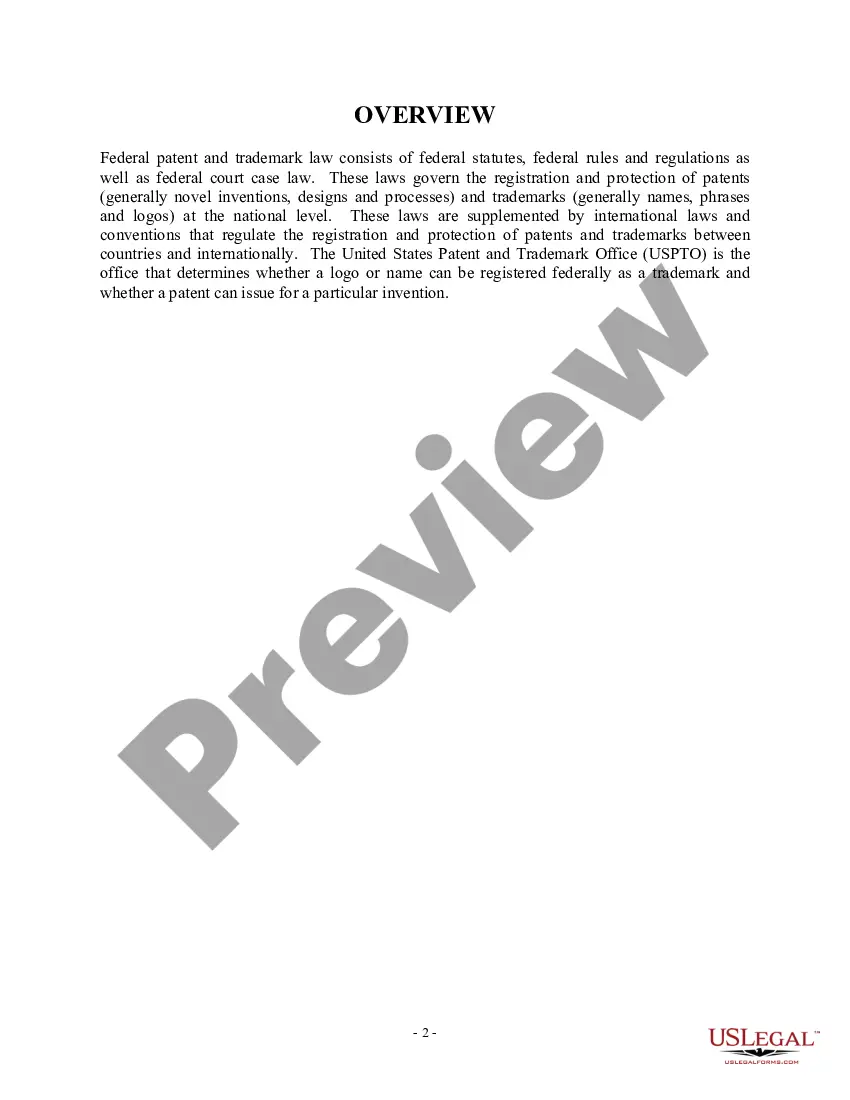
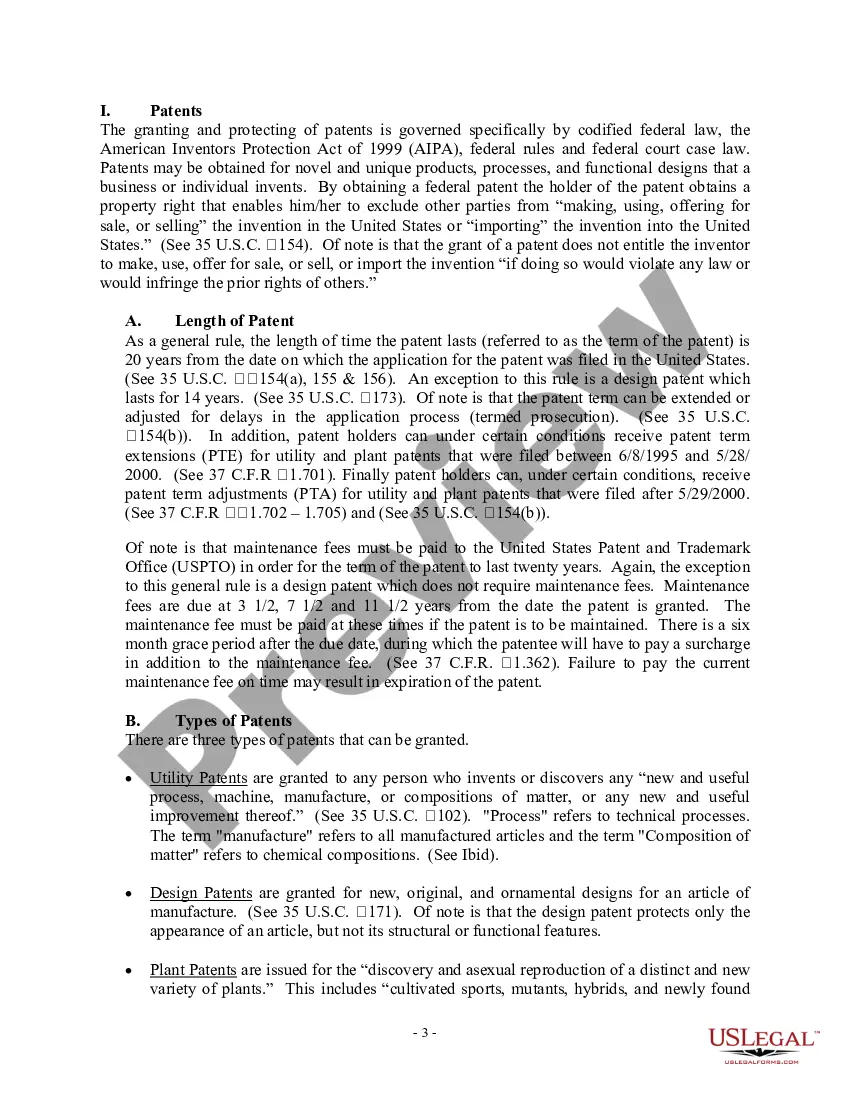
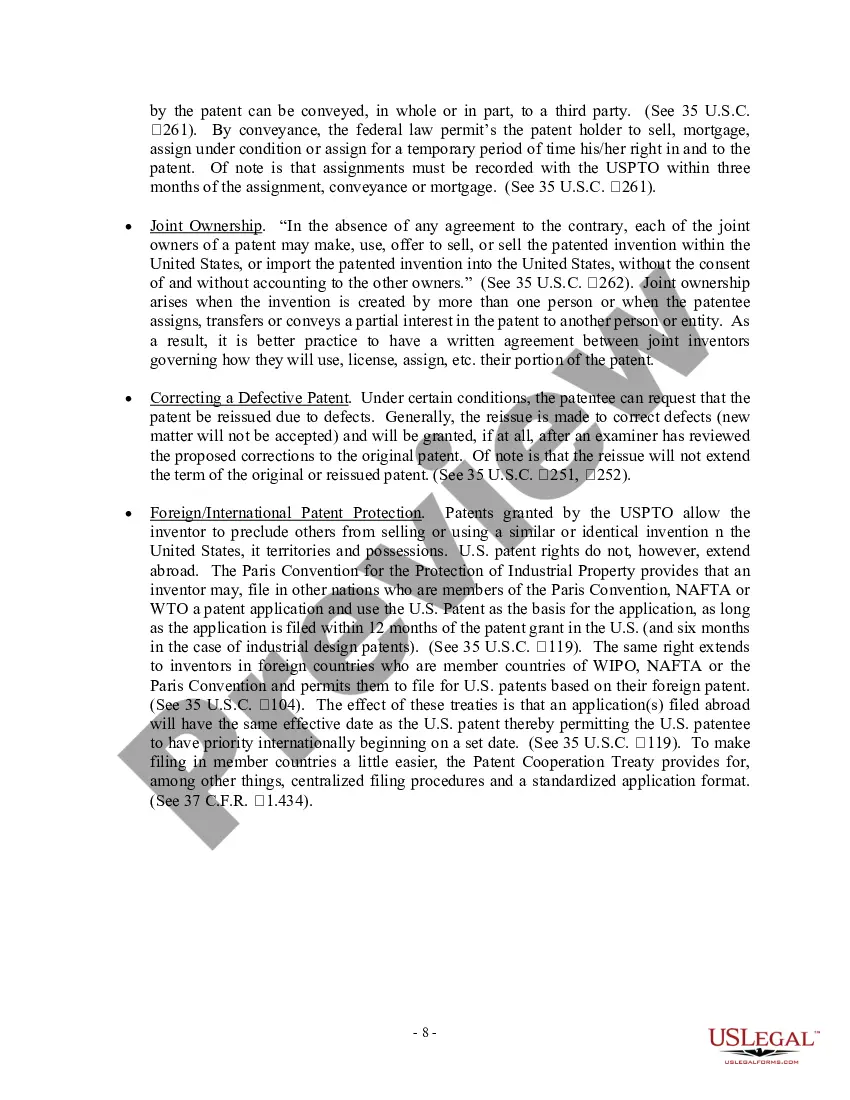


Get your form ready online
Our built-in tools help you complete, sign, share, and store your documents in one place.
Make edits, fill in missing information, and update formatting in US Legal Forms—just like you would in MS Word.
Download a copy, print it, send it by email, or mail it via USPS—whatever works best for your next step.
Sign and collect signatures with our SignNow integration. Send to multiple recipients, set reminders, and more. Go Premium to unlock E-Sign.
If this form requires notarization, complete it online through a secure video call—no need to meet a notary in person or wait for an appointment.
We protect your documents and personal data by following strict security and privacy standards.

Make edits, fill in missing information, and update formatting in US Legal Forms—just like you would in MS Word.

Download a copy, print it, send it by email, or mail it via USPS—whatever works best for your next step.

Sign and collect signatures with our SignNow integration. Send to multiple recipients, set reminders, and more. Go Premium to unlock E-Sign.

If this form requires notarization, complete it online through a secure video call—no need to meet a notary in person or wait for an appointment.

We protect your documents and personal data by following strict security and privacy standards.
Looking for another form?





Form popularity
FAQ
The "first to file" system grants rights to the person who first filed a trade mark application, even if another party can show prior use of the trade mark. The "first to use" system recognises an unregistered brand being used as a trade mark and confers some rights on the owner.
Federal registration may be obtained by contacting the United States Patent and Trademark Office at 800-786-9199.
A patent application often includes the following primary sections: Invention Title. The title's objective is to provide a clear understanding of the invention or idea. Prior Art: Context and Novelty. Invention Summary. Drawings and Descriptions. Detailed Description. Claims. Scope. Characteristics.
Patent application forms can be found on the USPTO website. All of the forms related to patent applications can be found on the link here, or by navigating to the USPTO website and clicking on the “Forms” link under the “Apply for a Patent” section on the “Patents” page.
Likelihood of confusion is a common reason for refusal of a trademark application. The USPTO will review your application and compare your mark to any existing trademark applications or registered trademarks.
The McDonald's golden arches design is an example of a registered trademark in special form format. The company Nike registered this trademark in special form format, combining the stylized word Nike with their swoosh logo. The format of the trademark you apply to register affects your application filing requirements.
You cannot patent a phrase! Patents are used to protect inventions and novel and non-obvious processes, machines, or compositions of matter. Phrases, on the other hand, typically fall under trademark protection.
If the catch phrase helps identify a business, the owner may be able to protect the phrase through a trademark. The owner of the catch phrase will need to file an official application with the United States Patent and Trademark Office (USPTO).
To cite a patent in APA Style, list the name of the inventor, the year it was issued (in parentheses), the title of the patent (in italics), the patent number, the name of the issuing body, and the URL if available.
Phrases are not patentable. A catch phrase is essentially a trademark. Trademarks are protected as a form of property. Owners of valid trademarks are granted exclusive rights to their use in commerce. As with copyrights, legal rights arise without the actual filing.
