Patent Trademark Law Without Science Background In Florida
Description

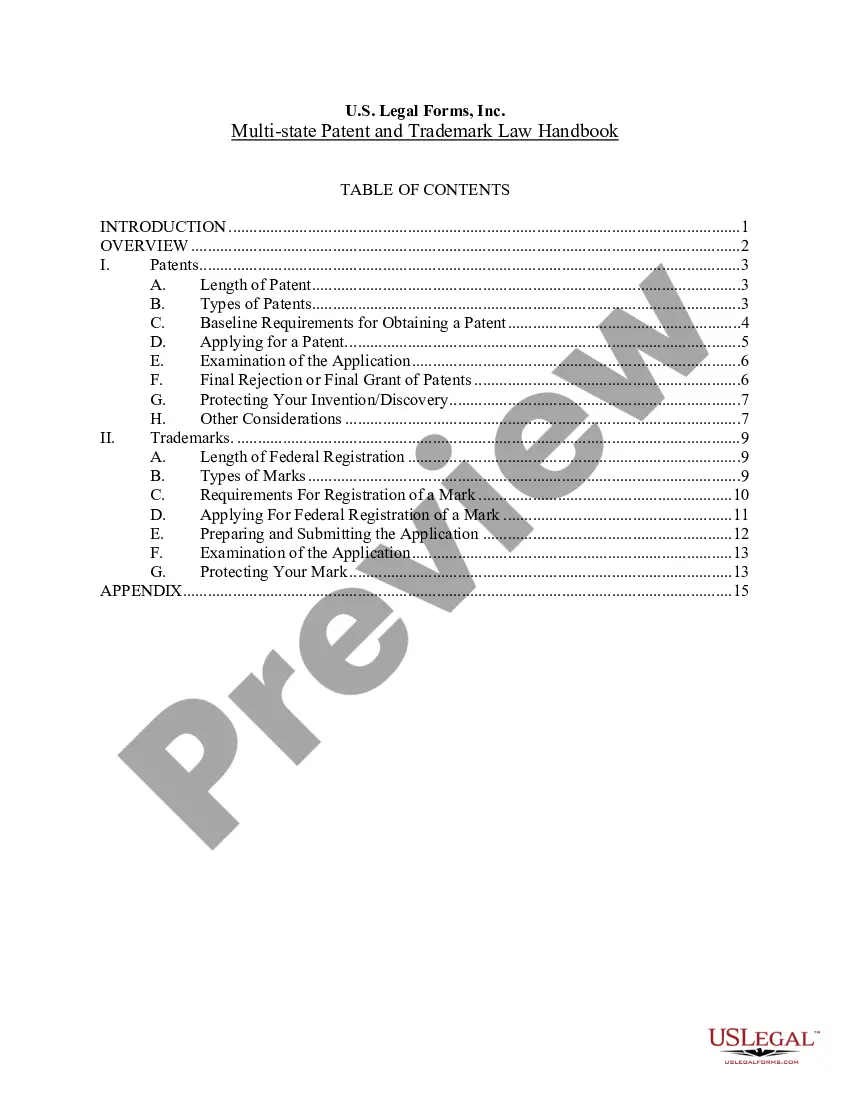
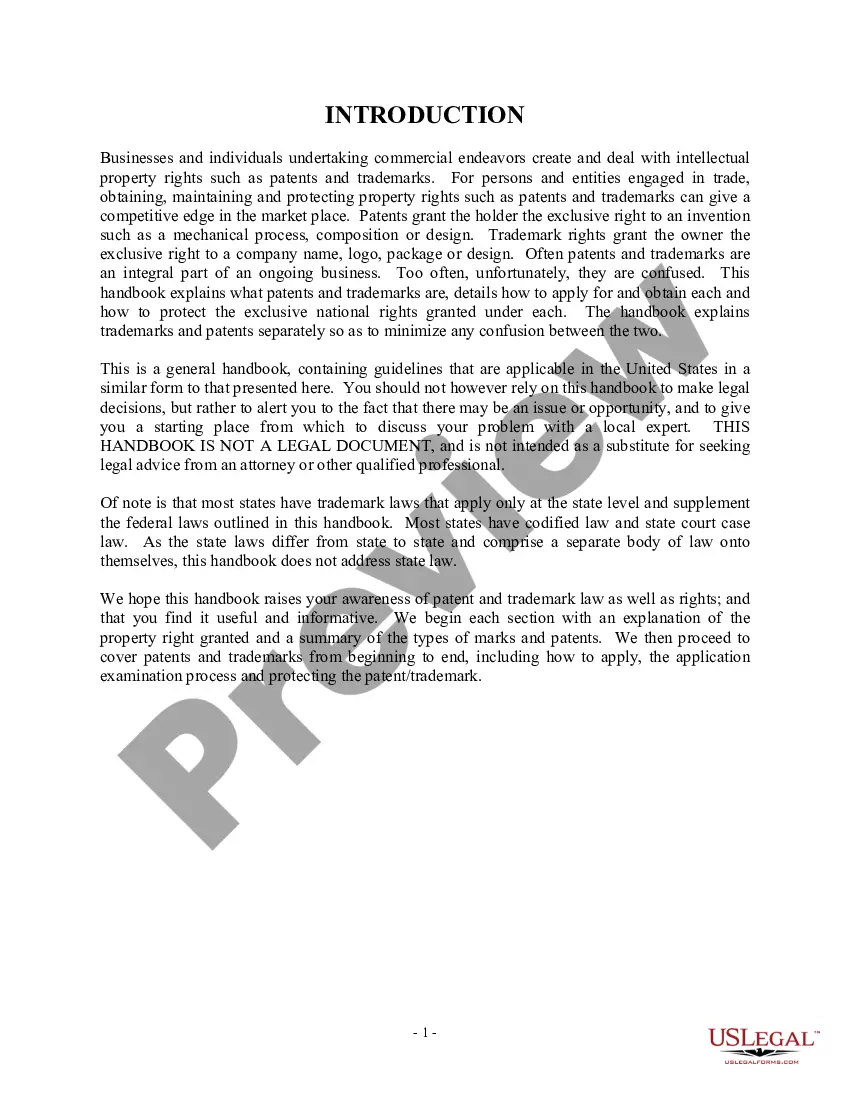
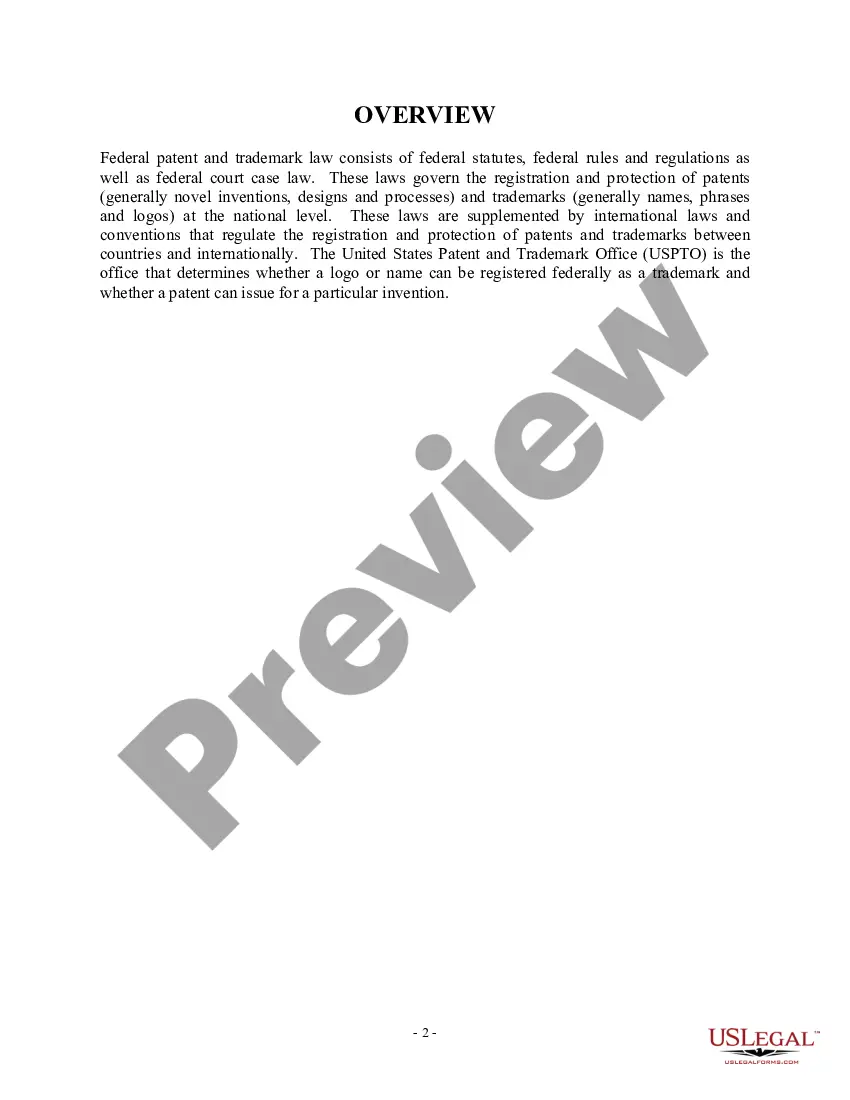
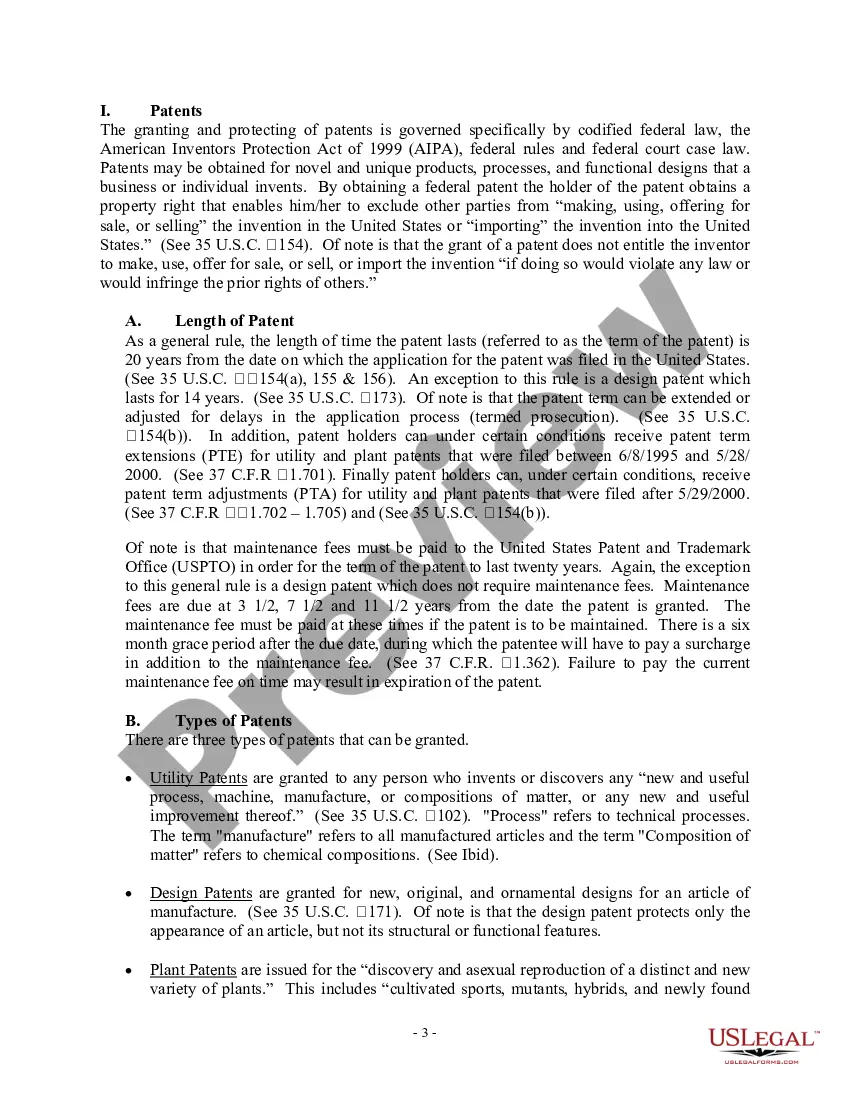



Get your form ready online
Our built-in tools help you complete, sign, share, and store your documents in one place.
Make edits, fill in missing information, and update formatting in US Legal Forms—just like you would in MS Word.
Download a copy, print it, send it by email, or mail it via USPS—whatever works best for your next step.
Sign and collect signatures with our SignNow integration. Send to multiple recipients, set reminders, and more. Go Premium to unlock E-Sign.
If this form requires notarization, complete it online through a secure video call—no need to meet a notary in person or wait for an appointment.
We protect your documents and personal data by following strict security and privacy standards.

Make edits, fill in missing information, and update formatting in US Legal Forms—just like you would in MS Word.

Download a copy, print it, send it by email, or mail it via USPS—whatever works best for your next step.

Sign and collect signatures with our SignNow integration. Send to multiple recipients, set reminders, and more. Go Premium to unlock E-Sign.

If this form requires notarization, complete it online through a secure video call—no need to meet a notary in person or wait for an appointment.

We protect your documents and personal data by following strict security and privacy standards.
Looking for another form?


Form popularity
FAQ
In order to be a patent lawyer who works to secure patents for inventors, students will be well served by an undergraduate science or engineering degree. That is not required, however, for other types of IP law (including IP litigation or entertainment, sports, copyright, or trademark law).
You can have a patent law career with or without a law degree (J.D.)! Your options are: Patent Agent (no J.D. required) Patent Attorney (has J.D.)
Patent legal services remain in demand, and as a result, those entering the field will likely have a good salary and become financially stable relatively quickly. The work is also flexible and can mostly be done remotely, which is another huge plus for those who seek balance in their lives.
You can have a patent law career with or without a law degree (J.D.)! Your options are: Patent Agent (no J.D. required) Patent Attorney (has J.D.)
It's worth mentioning that you can become a patent agent without attending law school—which is someone who helps businesses navigate the patent process, but can't provide legal advice. However, you need to attend law school if you plan on becoming a patent lawyer.
In order to become a patent attorney or patent agent it is necessary to take and pass the Patent Bar Examination. Only those individuals with scientific education are allowed to sit for the examination, and you do not need any legal training to take the exam.
For most types of intellectual property law, the undergraduate degree does not have to have a special focus. The exception to that is patent law. If you want to become a patent lawyer, you should major in science, engineering, or physics. Other technology-related courses will also be helpful.
In order to become a patent attorney or patent agent it is necessary to take and pass the Patent Bar Examination. Only those individuals with scientific education are allowed to sit for the examination, and you do not need any legal training to take the exam.
In the United States, patent agents can perform a variety of the same tasks as attorneys, including representing clients before the USPTO. However, unlike patent attorneys, patent agents cannot represent clients in other legal matters, such as prosecuting an infringement in court.
Instead, patent attorneys aim to settle IP disputes outside of court through means such as cease and desist letters, opposition proceedings and revocation actions. Conversely, IP lawyers specialise in the legal and commercial issues that are associated with IP.
