Patent For Paper Clip In Cuyahoga
Description

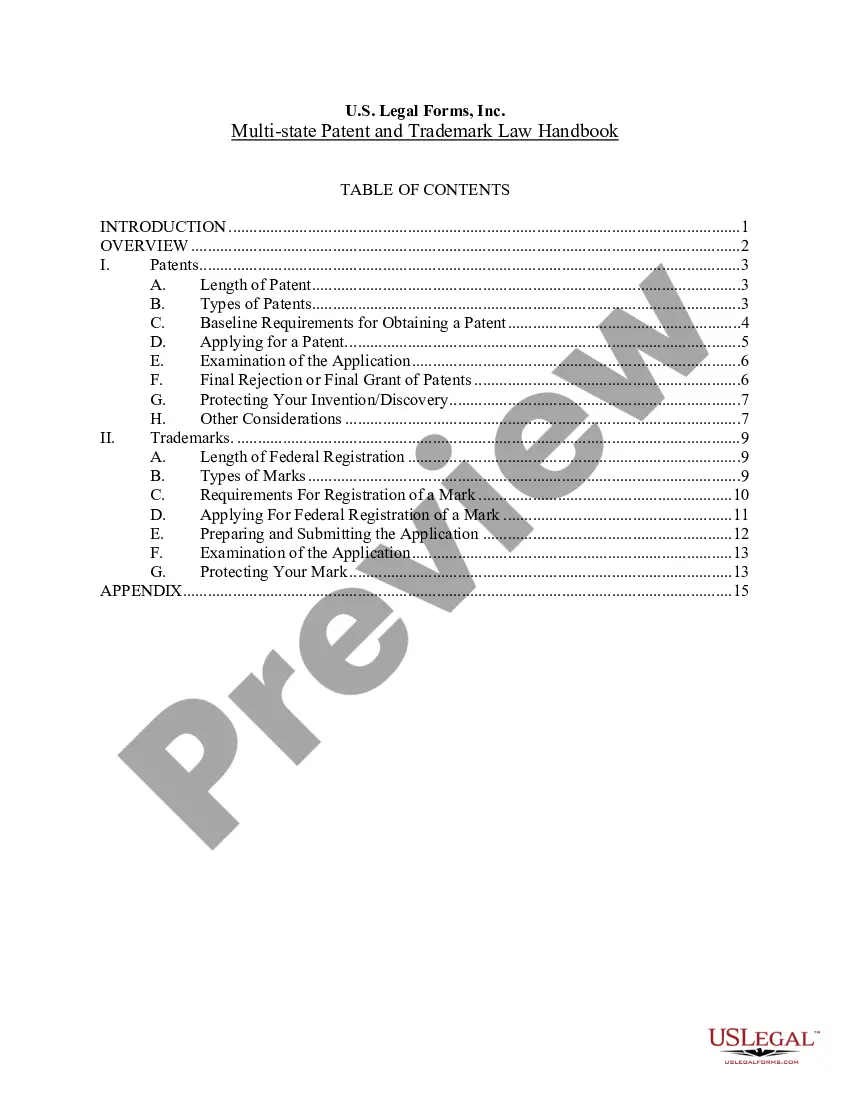
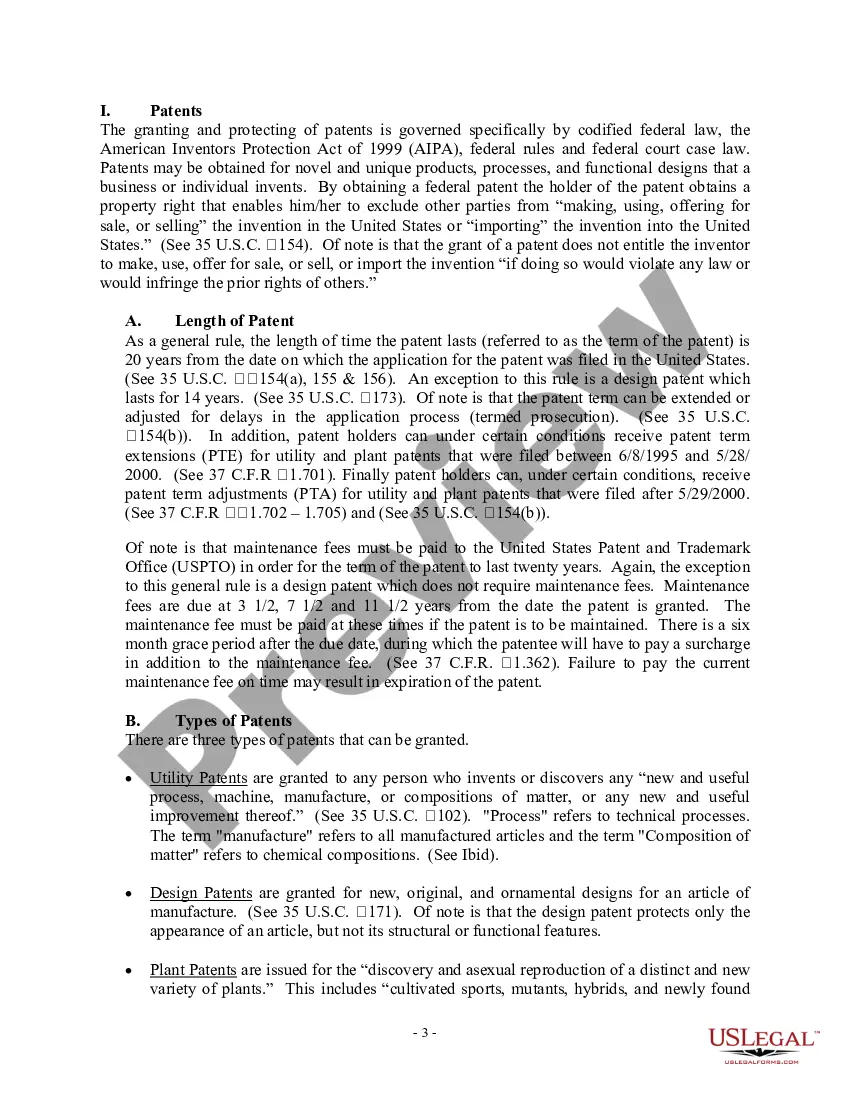



Get your form ready online
Our built-in tools help you complete, sign, share, and store your documents in one place.
Make edits, fill in missing information, and update formatting in US Legal Forms—just like you would in MS Word.
Download a copy, print it, send it by email, or mail it via USPS—whatever works best for your next step.
Sign and collect signatures with our SignNow integration. Send to multiple recipients, set reminders, and more. Go Premium to unlock E-Sign.
If this form requires notarization, complete it online through a secure video call—no need to meet a notary in person or wait for an appointment.
We protect your documents and personal data by following strict security and privacy standards.

Make edits, fill in missing information, and update formatting in US Legal Forms—just like you would in MS Word.

Download a copy, print it, send it by email, or mail it via USPS—whatever works best for your next step.

Sign and collect signatures with our SignNow integration. Send to multiple recipients, set reminders, and more. Go Premium to unlock E-Sign.

If this form requires notarization, complete it online through a secure video call—no need to meet a notary in person or wait for an appointment.

We protect your documents and personal data by following strict security and privacy standards.
Looking for another form?


Form popularity
FAQ
In 1899, Vaaler designed his own version of a paper clip to address the same problem of binding papers without damaging them. He filed a patent for his design in Germany in 1899 and later in the United States in 1901 (US Patent 675,761).
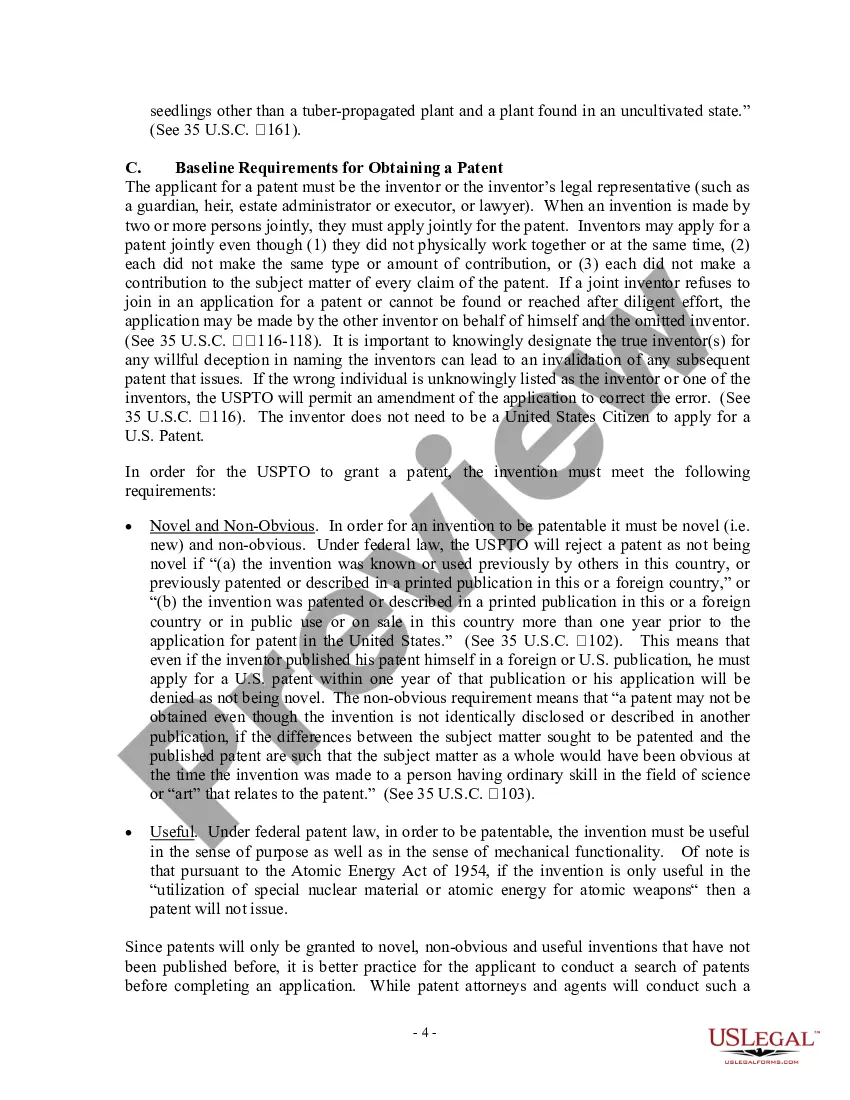
There are five requirements that must be met to obtain a patent: patentable subject matter, utility, novelty, nonobviousness and enablement.
The European Patent Convention (EPC) states that, for an invention to qualify for patent protection, it must be novel, have an inventive step and be industrially applicable. The EPC also defines certain things which are not considered inventions, and for this reason alone not patentable.
The first patent for a paperclip goes to the American Samuel B. Fay in 1867. However, Fay's design and the similar designs of 50 other patents before the turn of the century are not considered similar enough to our modern paperclips, to count as true 'origins'.
I) It should be novel. ii) It should have inventive step. iii) It should be capable of Industrial application. iv) It should not attract the provisions of section 3 and 4 of the Patents Act 1970.
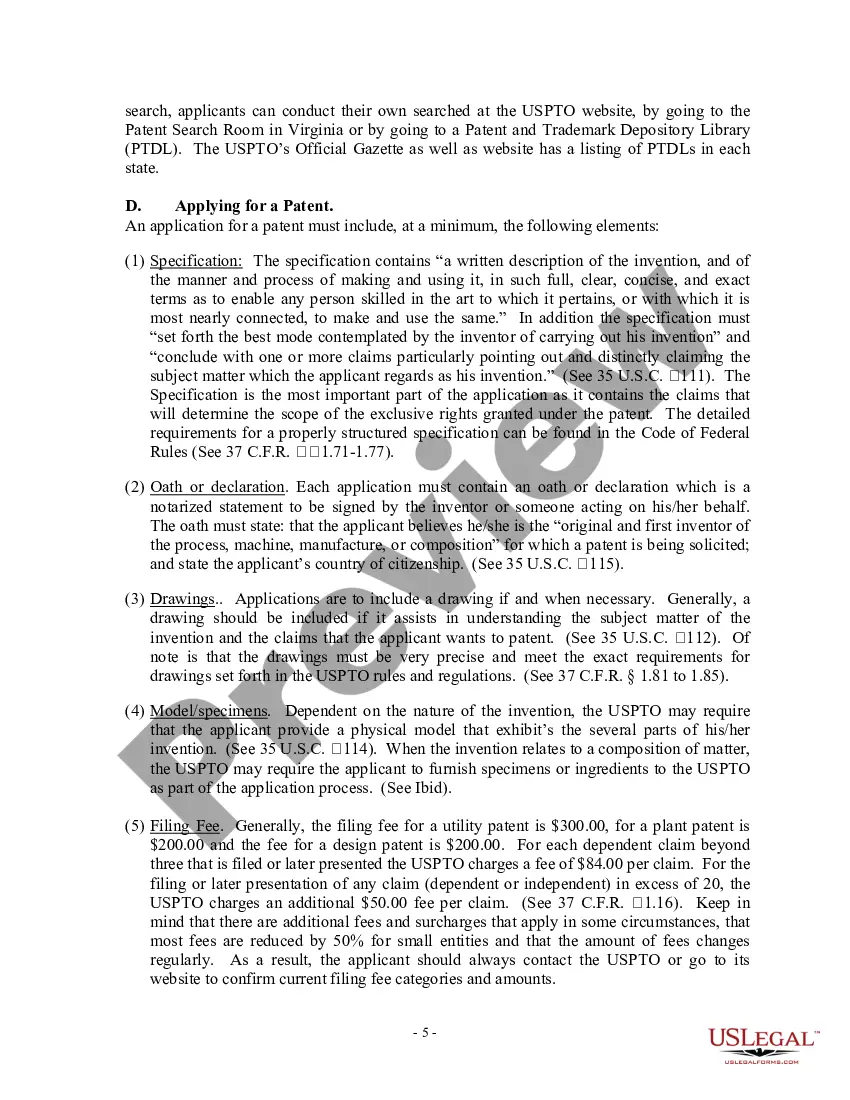
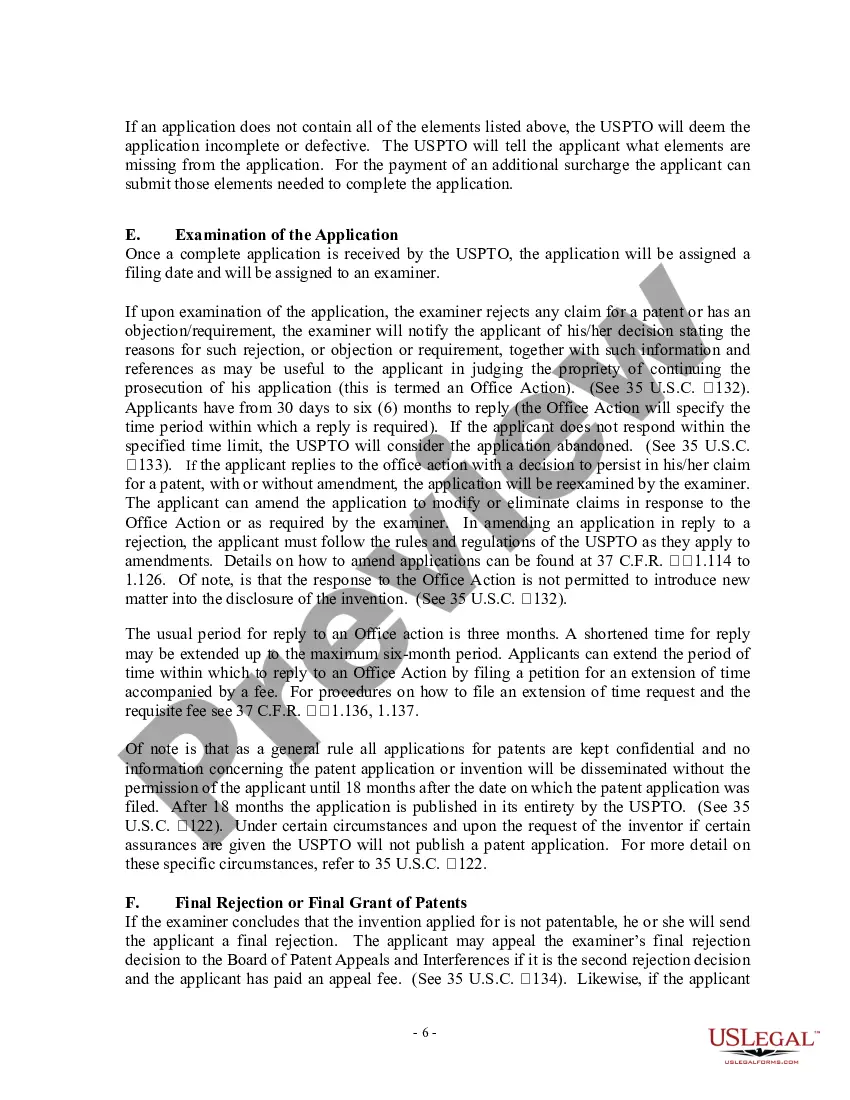
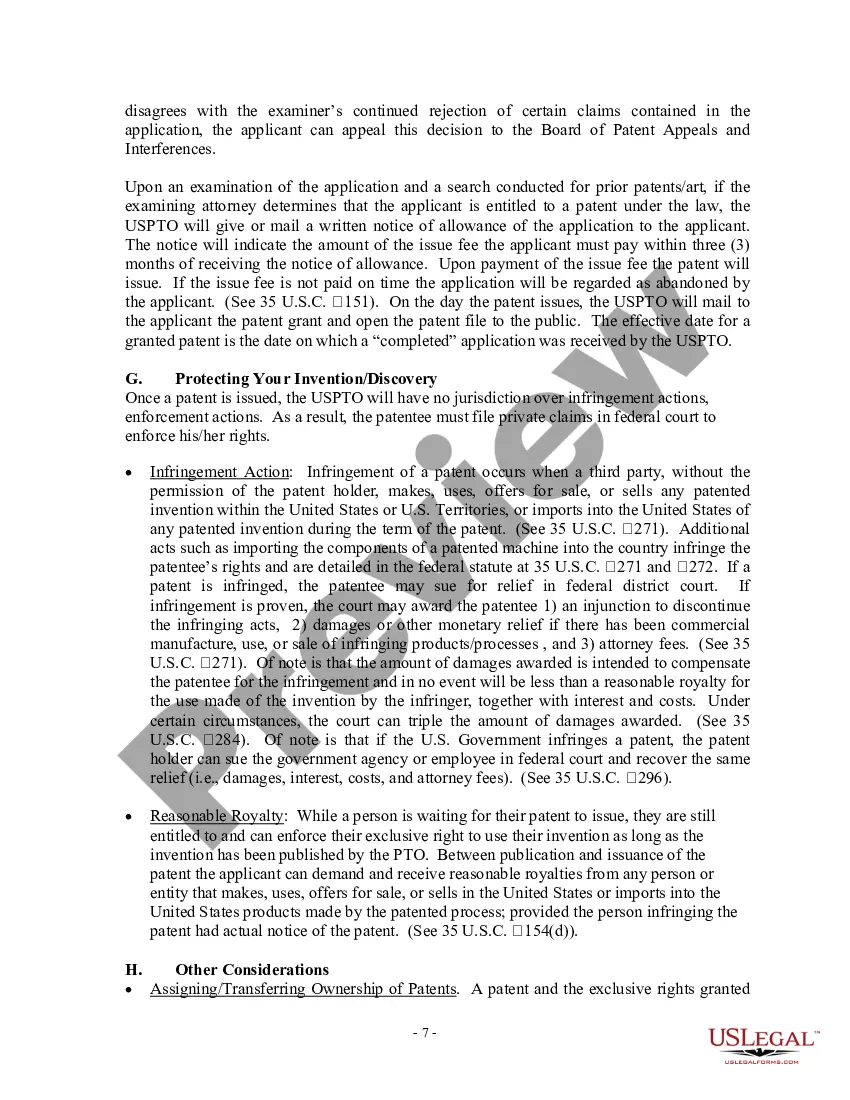
The Patent Process Determine the type of intellectual property you need. Determine if your invention is patentable. Determine what kind of patent you need. Get ready to apply. Submit your application. Work with your examiner. Receive your approval. Maintain your patent.
The five primary requirements for patentability are: (1) patentable subject matter; (2) utility; (3) novelty; (4) non-obviousness; and (5) enablement. Like trademarks, patents are territorial, meaning they are enforceable in a specific geographic area.
The paper clip shows the property of ductility, which is the ability of a material to be stretched or bent into different shapes without breaking.
Utility patent application: may be filed by anyone who invents or discovers any new and useful process, machine, manufacture, or composition of matter, or any new and useful improvement thereof.