Trademark Laws For Logos In Bronx
Description

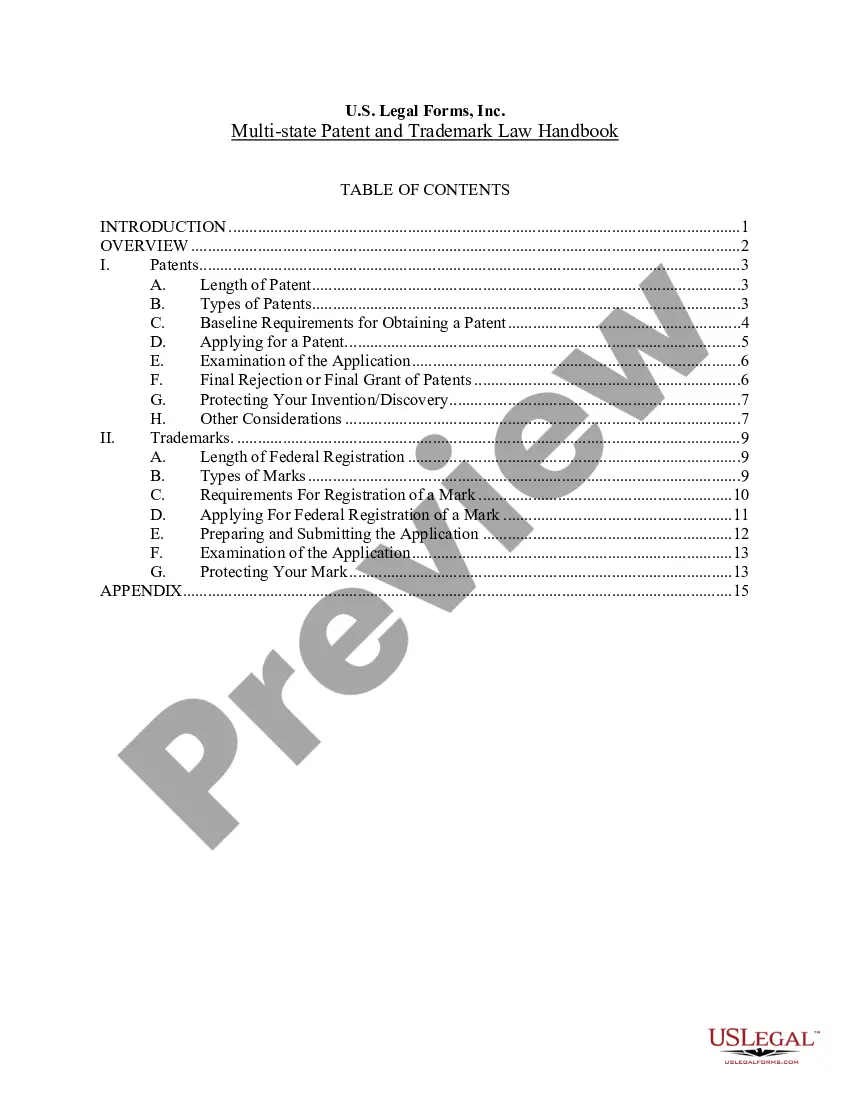
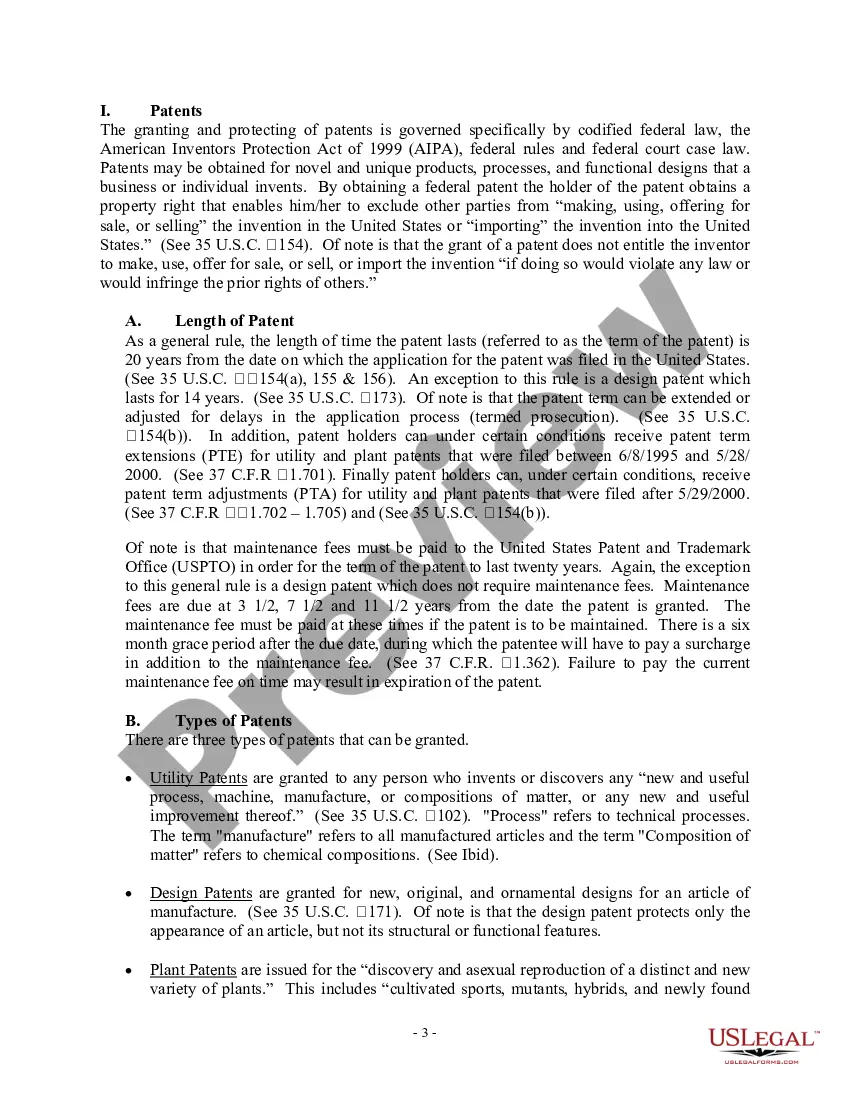



Get your form ready online
Our built-in tools help you complete, sign, share, and store your documents in one place.
Make edits, fill in missing information, and update formatting in US Legal Forms—just like you would in MS Word.
Download a copy, print it, send it by email, or mail it via USPS—whatever works best for your next step.
Sign and collect signatures with our SignNow integration. Send to multiple recipients, set reminders, and more. Go Premium to unlock E-Sign.
If this form requires notarization, complete it online through a secure video call—no need to meet a notary in person or wait for an appointment.
We protect your documents and personal data by following strict security and privacy standards.

Make edits, fill in missing information, and update formatting in US Legal Forms—just like you would in MS Word.

Download a copy, print it, send it by email, or mail it via USPS—whatever works best for your next step.

Sign and collect signatures with our SignNow integration. Send to multiple recipients, set reminders, and more. Go Premium to unlock E-Sign.

If this form requires notarization, complete it online through a secure video call—no need to meet a notary in person or wait for an appointment.

We protect your documents and personal data by following strict security and privacy standards.
Looking for another form?





Form popularity
FAQ
When a company does not trademark its name, it will not have these specific legal protections under the law. Someone else could use their logo, brand name, or other identifying marks without as much legal recourse. As a result, the dilution of a brand can also confuse consumers in the market.
Anyone can use a TM symbol regardless of whether they've successfully registered the trademark, or whether they've applied for a trademark at all. Even if the trademark application is rejected, the owner can continue to use the TM symbol.
To fully protect your logo, it is advisable to both copyright AND trademark it. Copyright protection is automatic, providing some level of defense against infringement. However, registering your logo as a trademark offers additional legal protection, including the ability to enforce your rights in court.
With trademarks, the entire process can be completed online pretty easily, even if you do it yourself without hiring an attorney.
How to make sure you have a strong logo design for your trademark. Use a unique image or graphic design rather than something generic. Keep it clean and clear with a good use of color and empty space. Use easy-to-read typography. Make sure your design represents your brand identity and appeals to your target audience.
So, getting your Federal trademark comes down to meeting the same four trademark requirements: No conflicts with other trademarks. Trademark distinctiveness. Use in commerce. The capability to be a source identifier.
A brand can create its logo without using something entirely new by incorporating existing elements in a unique and creative way. However, registering a trademark can provide legal protection and exclusive rights to the logo, which can be valuable in branding and marketing strategies.
To register a trademark with the U.S. Patent and Trademark Office (USPTO), you will need to fill out and submit a trademark application. You can do this online, through the USPTO Trademark Center, an online trademark filing service, an attorney, or by submitting a paper application.
As previously explained, although use of a trademark symbol is not required by law in the U.S., there are many benefits to doing so.
Logos don't even need to be registered as trademarks to be protected under current law. This means that using someone else's logo without permission, even if it's unregistered, is against the law.