Patent Trademark Law With Example In Bexar
Description

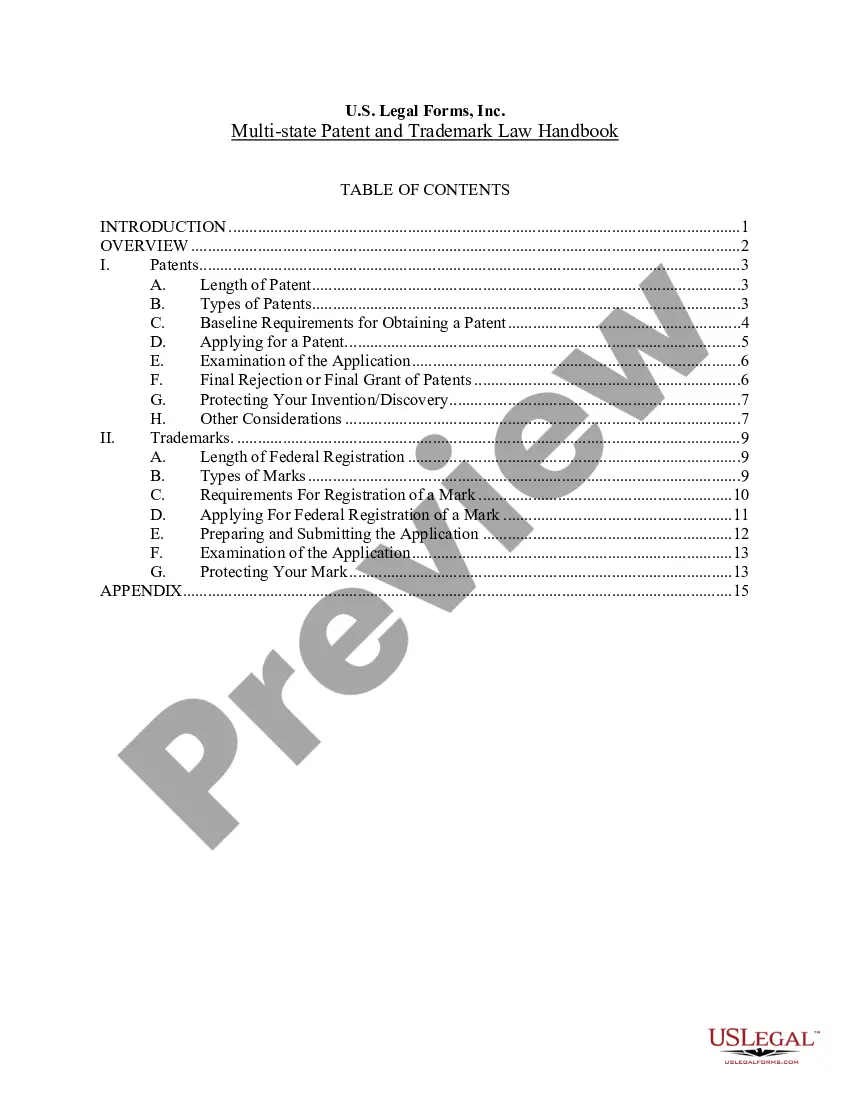
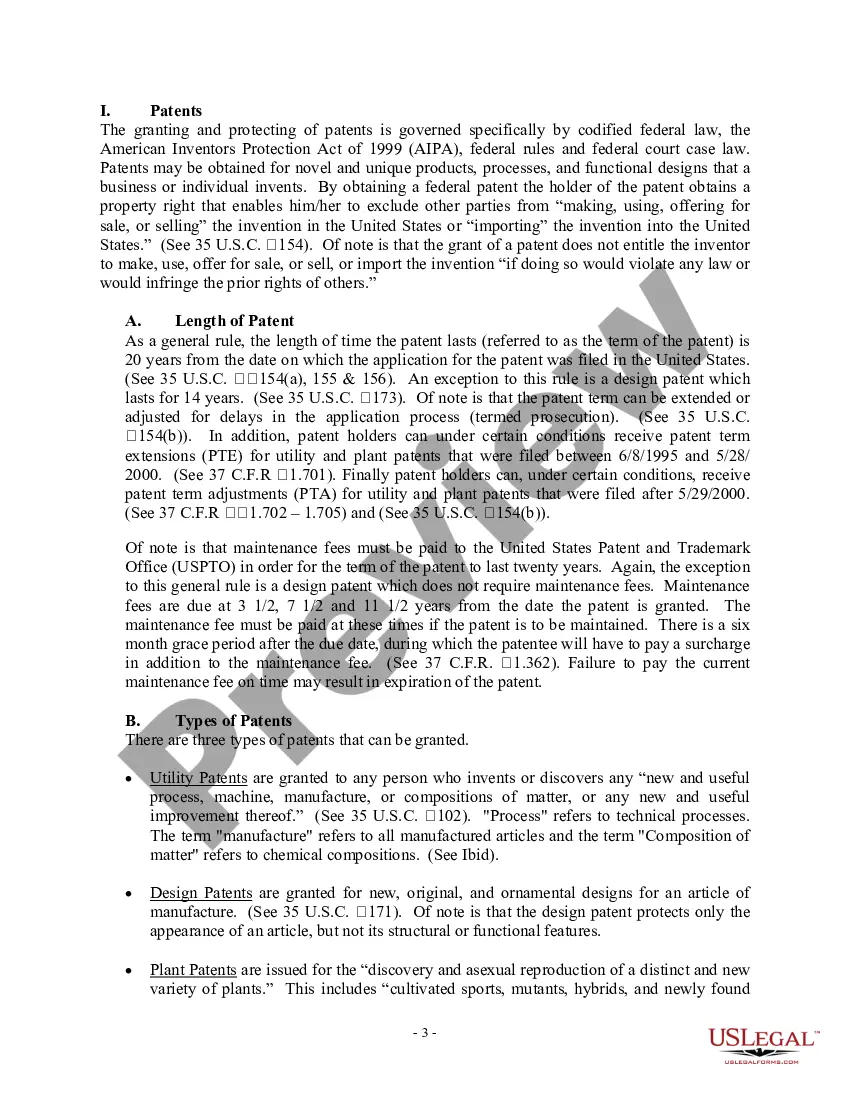



Get your form ready online
Our built-in tools help you complete, sign, share, and store your documents in one place.
Make edits, fill in missing information, and update formatting in US Legal Forms—just like you would in MS Word.
Download a copy, print it, send it by email, or mail it via USPS—whatever works best for your next step.
Sign and collect signatures with our SignNow integration. Send to multiple recipients, set reminders, and more. Go Premium to unlock E-Sign.
If this form requires notarization, complete it online through a secure video call—no need to meet a notary in person or wait for an appointment.
We protect your documents and personal data by following strict security and privacy standards.

Make edits, fill in missing information, and update formatting in US Legal Forms—just like you would in MS Word.

Download a copy, print it, send it by email, or mail it via USPS—whatever works best for your next step.

Sign and collect signatures with our SignNow integration. Send to multiple recipients, set reminders, and more. Go Premium to unlock E-Sign.

If this form requires notarization, complete it online through a secure video call—no need to meet a notary in person or wait for an appointment.

We protect your documents and personal data by following strict security and privacy standards.
Looking for another form?









Form popularity
FAQ
With a logo trademark, you can prevent competitors from using your logo in connection with their products or services. Logos are not copyrighted. If you have a logo, and you want to protect it, then you need a trademark. Famous examples of trademarked logos are the McDonald's “Golden Arches” and the Nike “Swoosh.”
Answer and Explanation: Patents, Copyrights and Trademarks are an example of an intangible assets. These assets does not possess a physical substance because they are just right granted.
Patents can protect the functional features of a process, machine, manufactured item, asexually reproduced plant, or composition of matter, for example. TRADEMARK LAW. Trademark law protects words, phrases, logos or symbols used to distinguish one product from another.
Understanding the different types of intellectual property is an important knowledge that all in-house counsel should master. Patents, trademarks, copyrights, and trade secrets are valuable assets of the company and understanding how they work and how they are created is critical to knowing how to protect them.
Trademarks, patents, and copyrights are different types of intellectual property. The USPTO grants patents and registers trademarks. The U.S. Copyright Office at the Library of Congress registers copyrights. Use the IP Identifier to learn what kind of intellectual property you have.
Protecting Your Ideas Patents, trademarks and copyrights are collectively known as intellectual property and generally refer to the rights associated with intangible knowledge or concepts.
You acquire common law ownership rights to a mark simply by using the mark in commerce in connection with the relevant goods or services. You do not have to register your mark to acquire common law rights to it.
Intellectual Property in Everyday Life From the brand of coffee you prefer in the morning to the smartphone apps you use throughout the day, IP is everywhere. It's in the design of your car, the movies you stream, and even in the names of the products you love.
5 Important Steps To Draft And File A Patent Texas Document Your Invention. First and foremost, clearly document your invention to file a patent Texas. Choose Your Type Of Protection. Conduct A Through Patent Search. Evaluate Drafting And Filing Costs. Prepare Your Application.
