Patent Trademark Application With Priority Date In Allegheny
Description




Get your form ready online
Our built-in tools help you complete, sign, share, and store your documents in one place.
Make edits, fill in missing information, and update formatting in US Legal Forms—just like you would in MS Word.
Download a copy, print it, send it by email, or mail it via USPS—whatever works best for your next step.
Sign and collect signatures with our SignNow integration. Send to multiple recipients, set reminders, and more. Go Premium to unlock E-Sign.
If this form requires notarization, complete it online through a secure video call—no need to meet a notary in person or wait for an appointment.
We protect your documents and personal data by following strict security and privacy standards.

Make edits, fill in missing information, and update formatting in US Legal Forms—just like you would in MS Word.

Download a copy, print it, send it by email, or mail it via USPS—whatever works best for your next step.

Sign and collect signatures with our SignNow integration. Send to multiple recipients, set reminders, and more. Go Premium to unlock E-Sign.

If this form requires notarization, complete it online through a secure video call—no need to meet a notary in person or wait for an appointment.

We protect your documents and personal data by following strict security and privacy standards.
Looking for another form?

Form popularity
FAQ
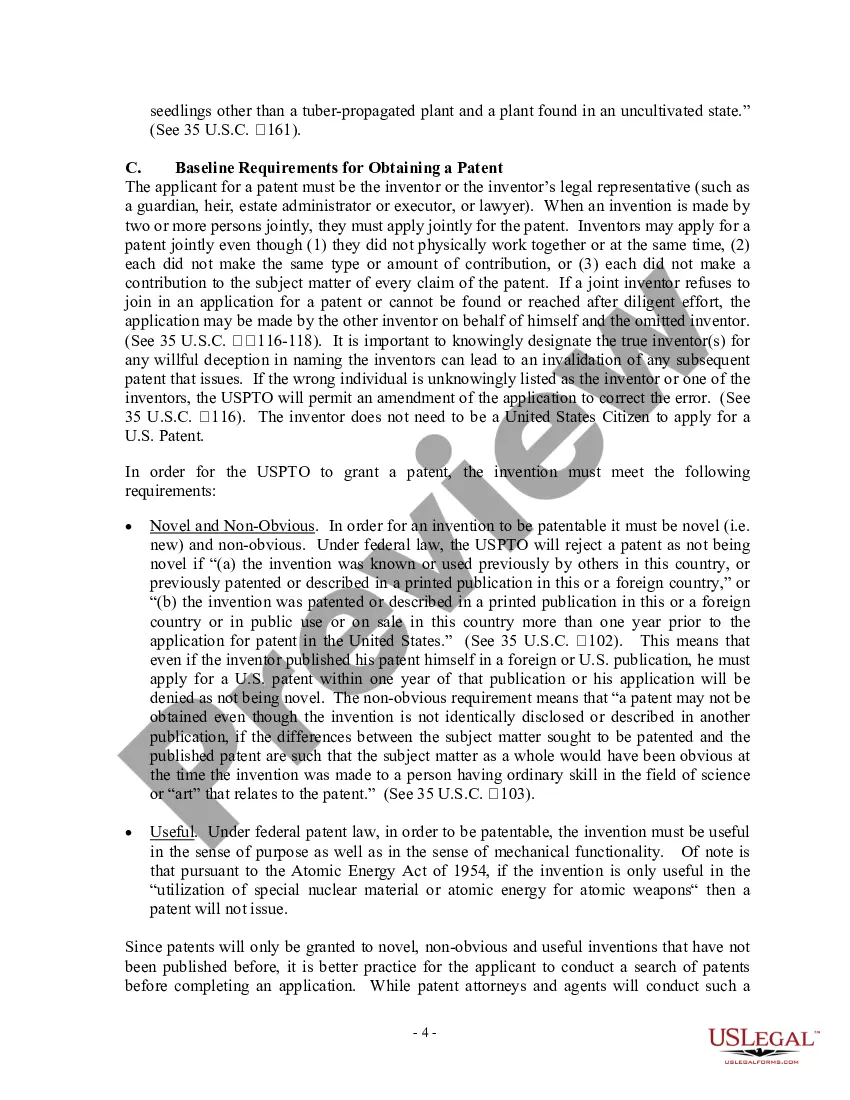
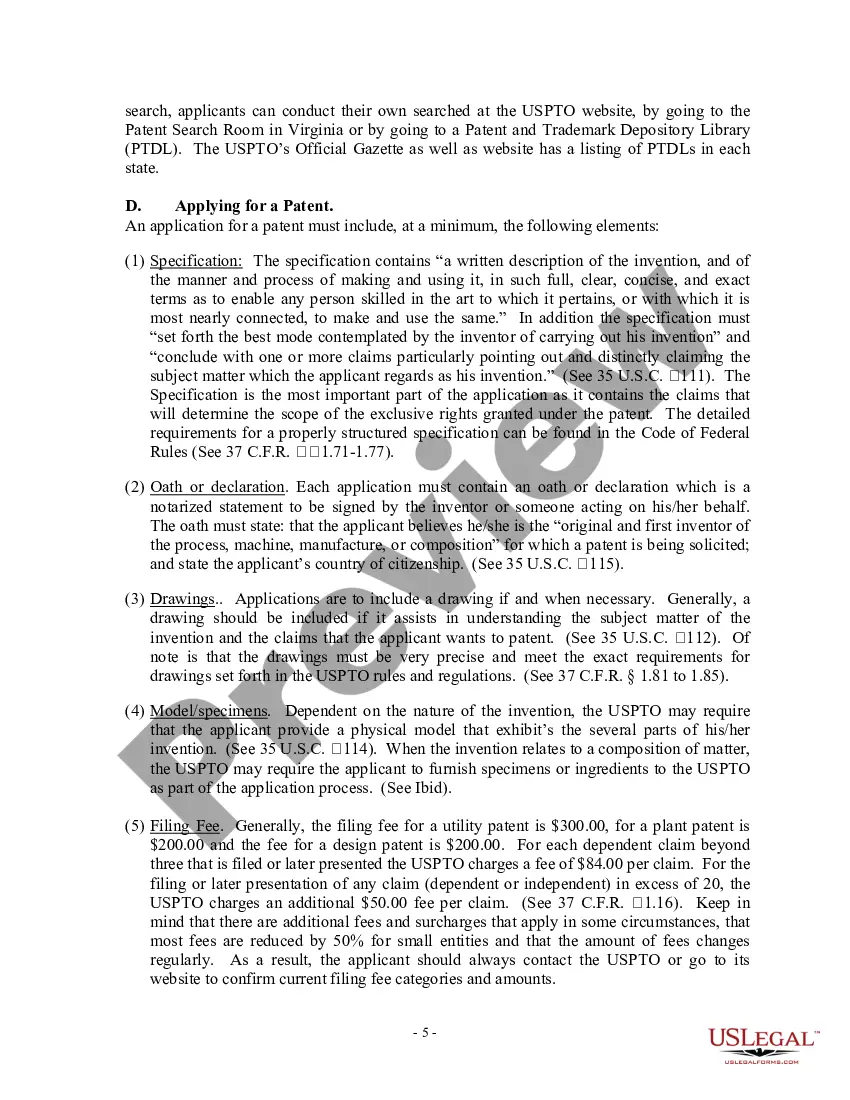
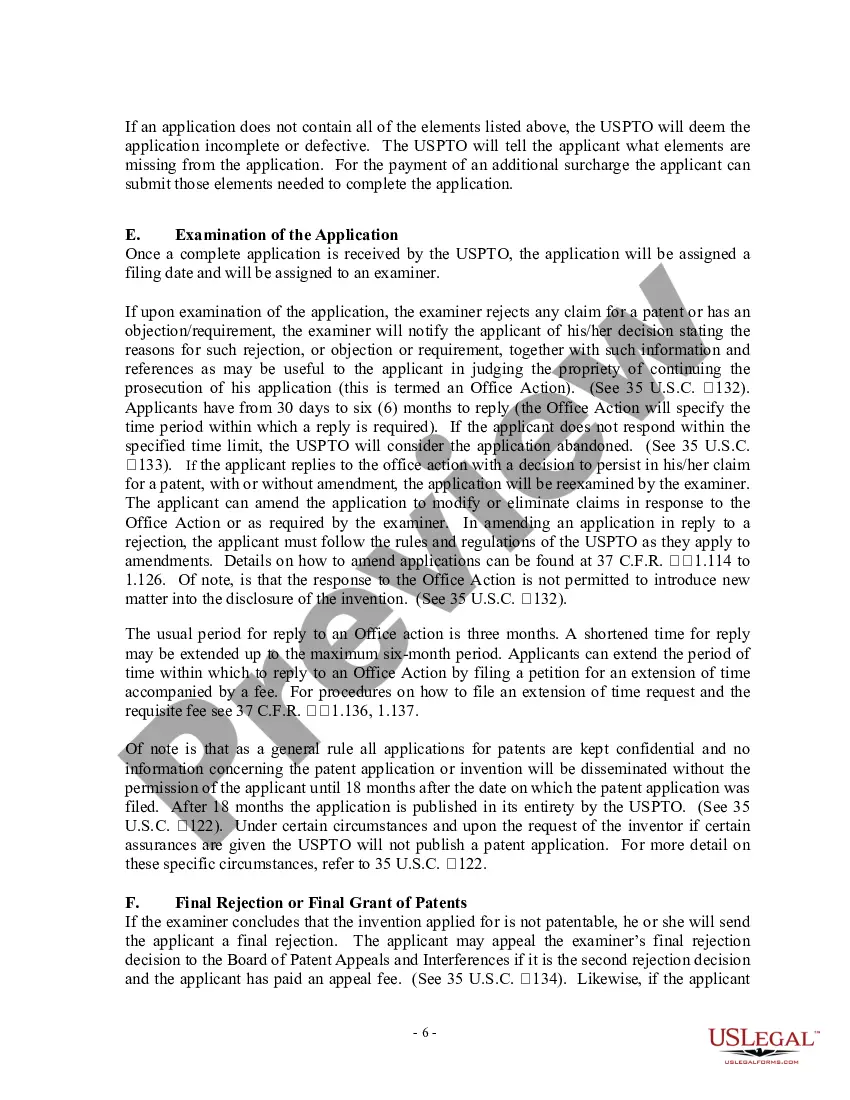
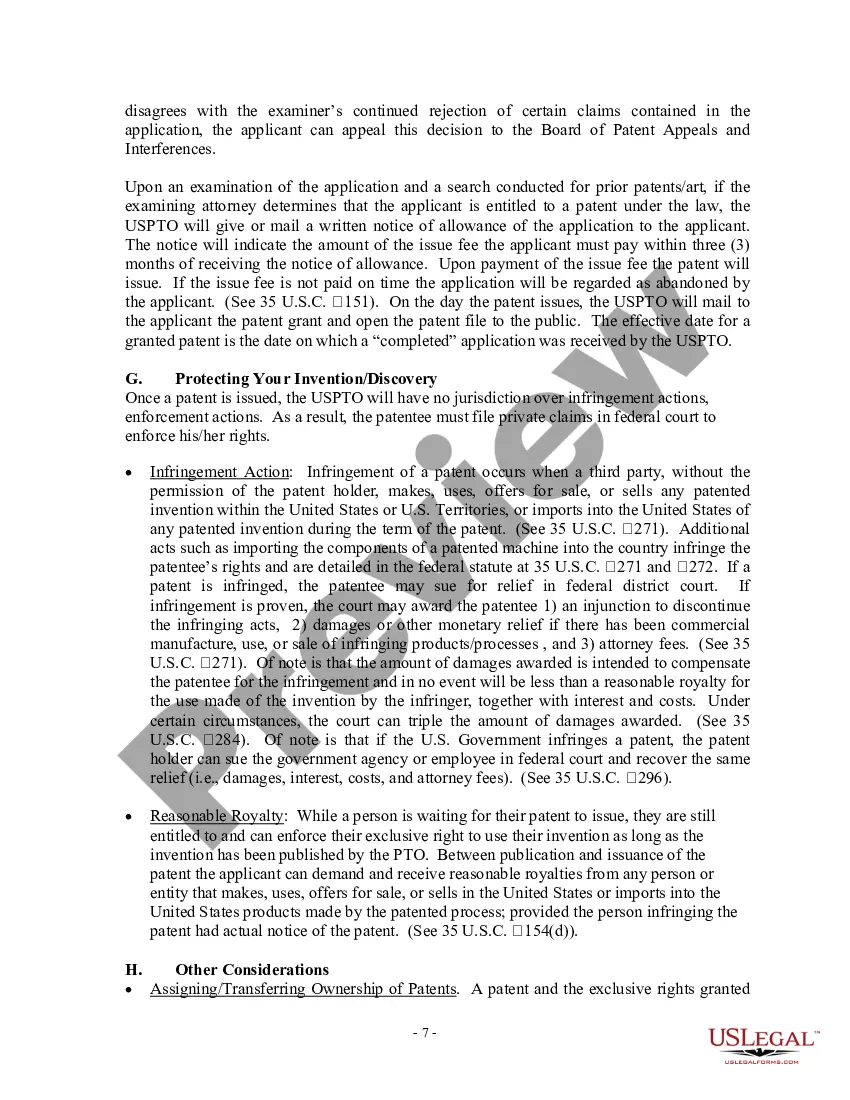
What is claiming priority? Claiming priority back-dates your protection, whether you have a registered design, a patent or a trade mark. Claiming priority from your first application for something means you don't have to file for protection in multiple places at the outset, with all the fees that would entail.
The priority date of a claim could therefore be of vital importance if there is a relevant publication between the date of filing the priority application and the complete patent application. Depending on the subject matter recited in the claim, a claim could potentially be entitled to more than one priority date.
Priority date is the date on which an application was filed with the immigration authorities. It is used by the Department of State (DOS) to determine an individual's place in line in the visa queue where there are a limited number of immigrant visas available in a given year.
The applicant may correct or add a priority claim by a notice submitted to the Receiving Office or the International Bureau (IB) within 16 months from the priority date, or where the priority date is changed, within 16 months from the priority date so changed, whichever period expires first, provided that a notice ...
A trademark priority date is the earliest a trademark can be registered with the US Trademark Office (USPTO). This date is usually the date of first use or first filing. A trademark registration date is an actual day on which the mark is officially registered with the USPTO.
Priority date refers to the earliest filing date in a family of patent applications. If the earliest-filed patent application for a particular invention was a provisional application, then the filing date of the provisional is your priority date.
What is a priority date and why does it is matter? A. Priority date refers to the earliest filing date in a family of patent applications. If the earliest-filed patent application for a particular invention was a provisional application, then the filing date of the provisional is your priority date.
The priority date for a trademark is established when the application is filed and remains fixed. It does not expire or change unless the application is abandoned or withdrawn. The priority date serves as a permanent reference point for determining the order of rights and protecting the trademark.
