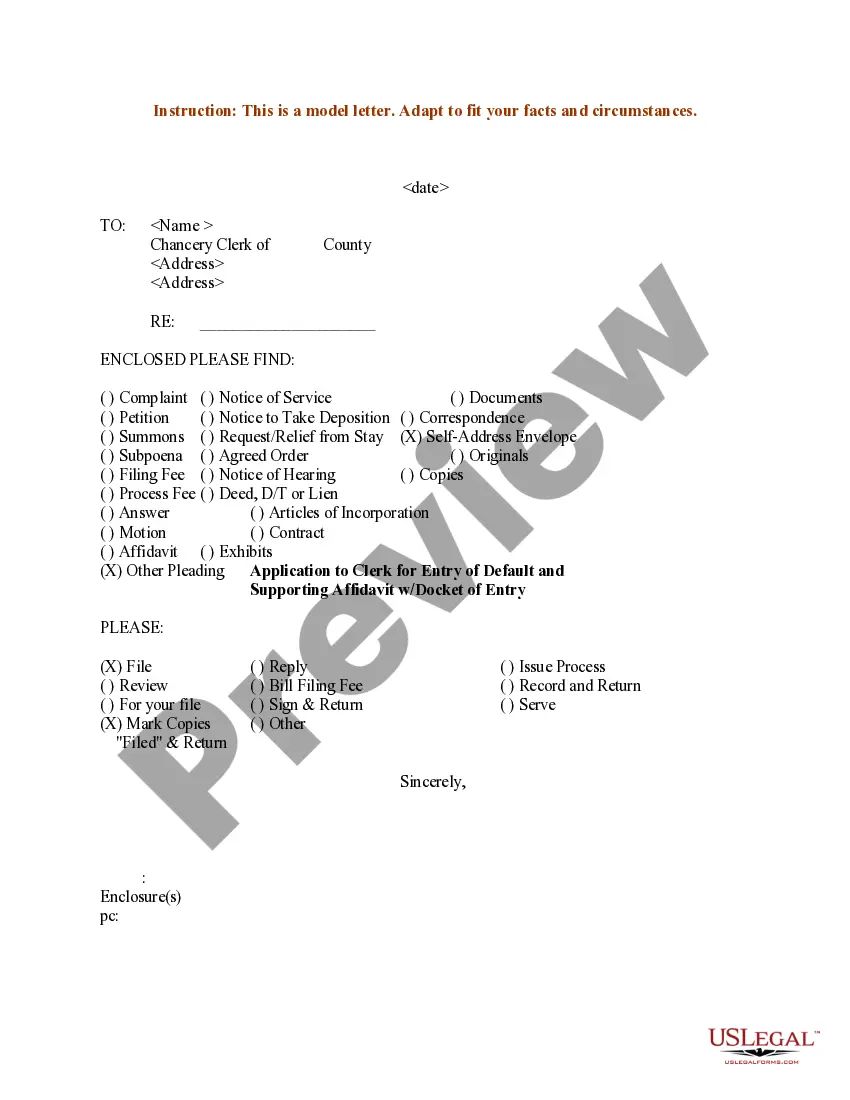
Sample Checklist Template With Answers In Sacramento
Description
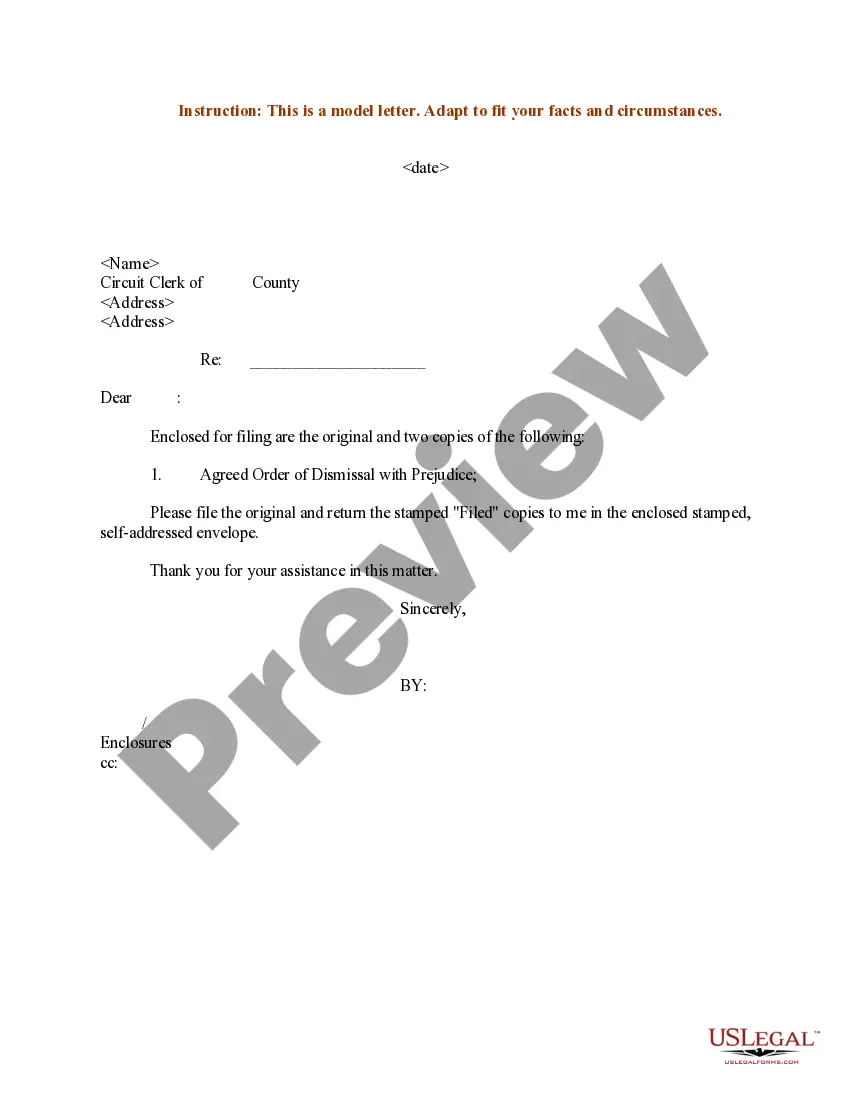
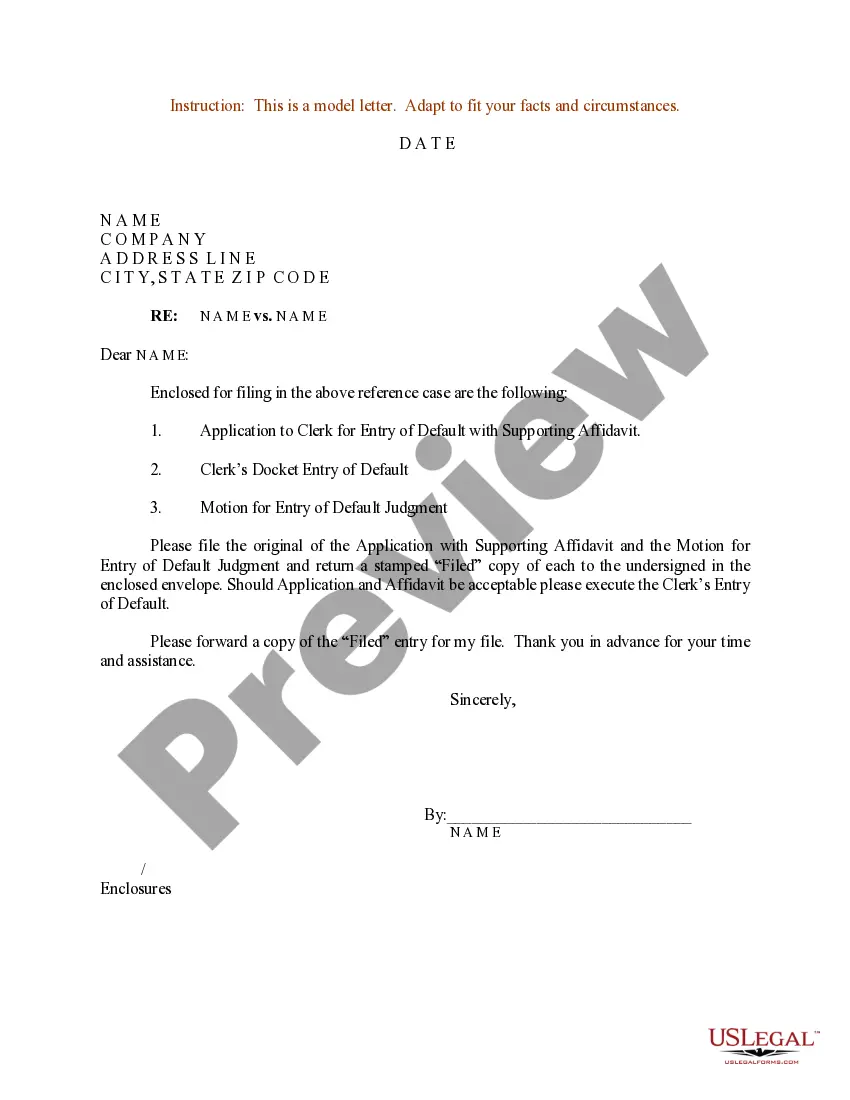
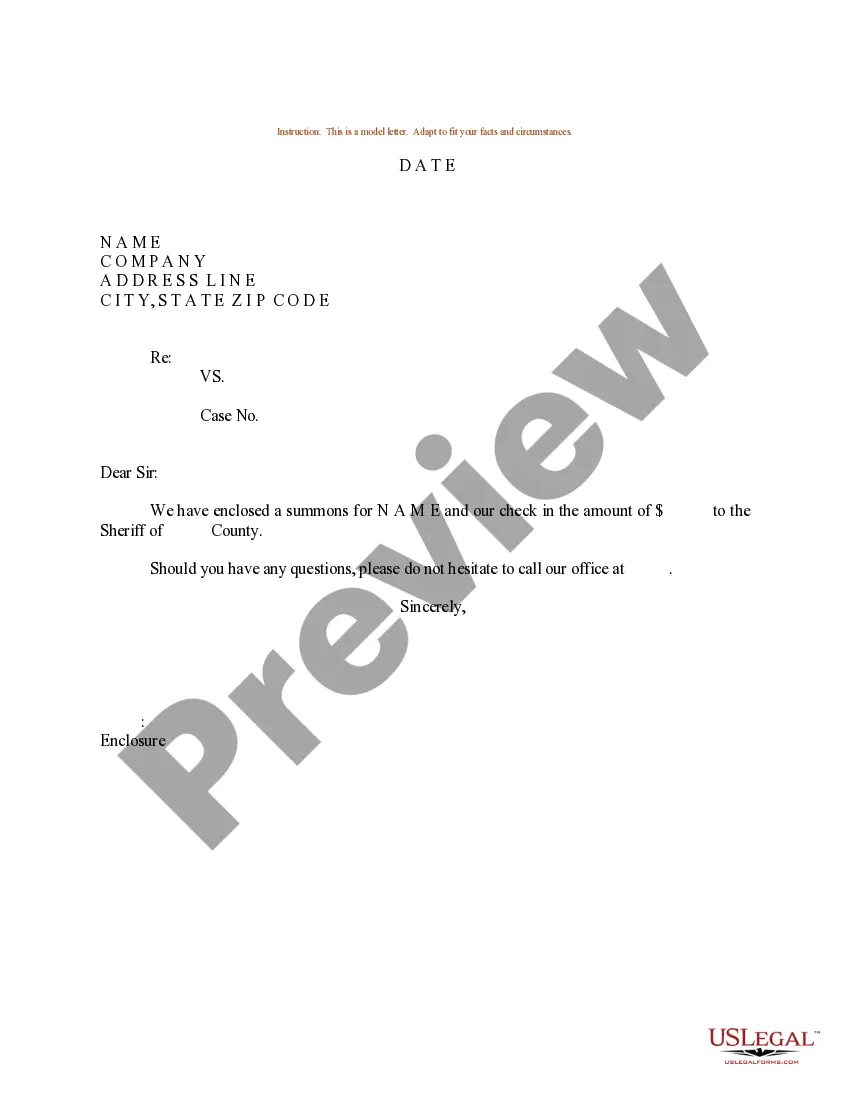
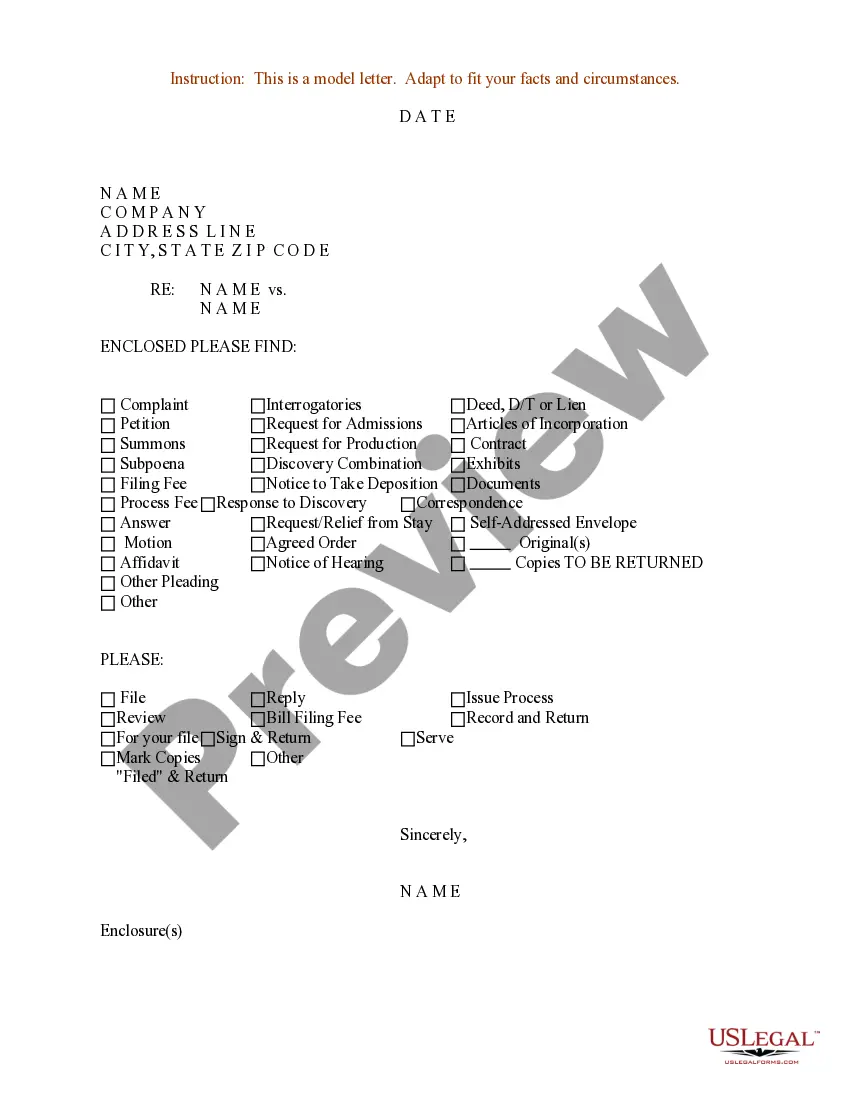
Get your form ready online
Our built-in tools help you complete, sign, share, and store your documents in one place.
Make edits, fill in missing information, and update formatting in US Legal Forms—just like you would in MS Word.
Download a copy, print it, send it by email, or mail it via USPS—whatever works best for your next step.
Sign and collect signatures with our SignNow integration. Send to multiple recipients, set reminders, and more. Go Premium to unlock E-Sign.
If this form requires notarization, complete it online through a secure video call—no need to meet a notary in person or wait for an appointment.
We protect your documents and personal data by following strict security and privacy standards.

Make edits, fill in missing information, and update formatting in US Legal Forms—just like you would in MS Word.

Download a copy, print it, send it by email, or mail it via USPS—whatever works best for your next step.

Sign and collect signatures with our SignNow integration. Send to multiple recipients, set reminders, and more. Go Premium to unlock E-Sign.

If this form requires notarization, complete it online through a secure video call—no need to meet a notary in person or wait for an appointment.

We protect your documents and personal data by following strict security and privacy standards.
Looking for another form?








Form popularity
FAQ
A party can verify discovery responses with a declaration or affidavit. The responding party's verified signature on a response to discovery is a declaration that it has disclosed all the information available to it. (Deyo v. Kilbourne (1978) 84 Cal.
Interrogatories allow the parties to ask who, what, when, where and why questions, making them a good method for obtaining new information in a case. There are two types of interrogatories: form interrogatories and special interrogatories.
A Motion has three required parts, and an optional fourth: Notice of Motion and Motion (date, time, and location of hearing, and a brief statement of the request); Memorandum of Points and Authorities (legal argument); Declaration(s) (evidence); and. Proposed Order (usually optional, but recommended.)
You will have 30 days after being served with the RFPs to respond to the requests by doing one or more of the following: (1) produce the documents or things requested, (2) provide access to the documents or things for review if delivery is too burdensome, or (3) object to the production.