Get Ad Site For Computer Powershell In Georgia
Description
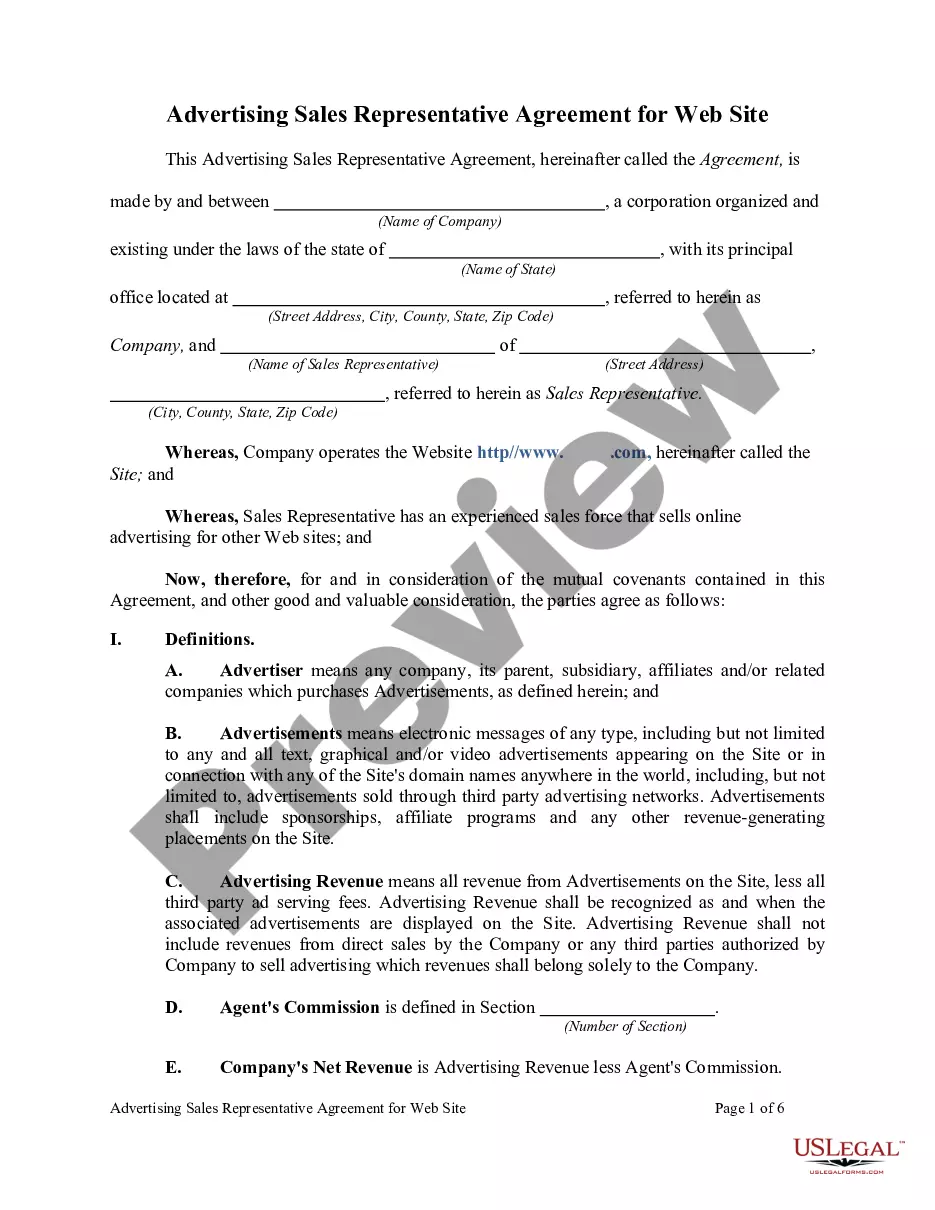
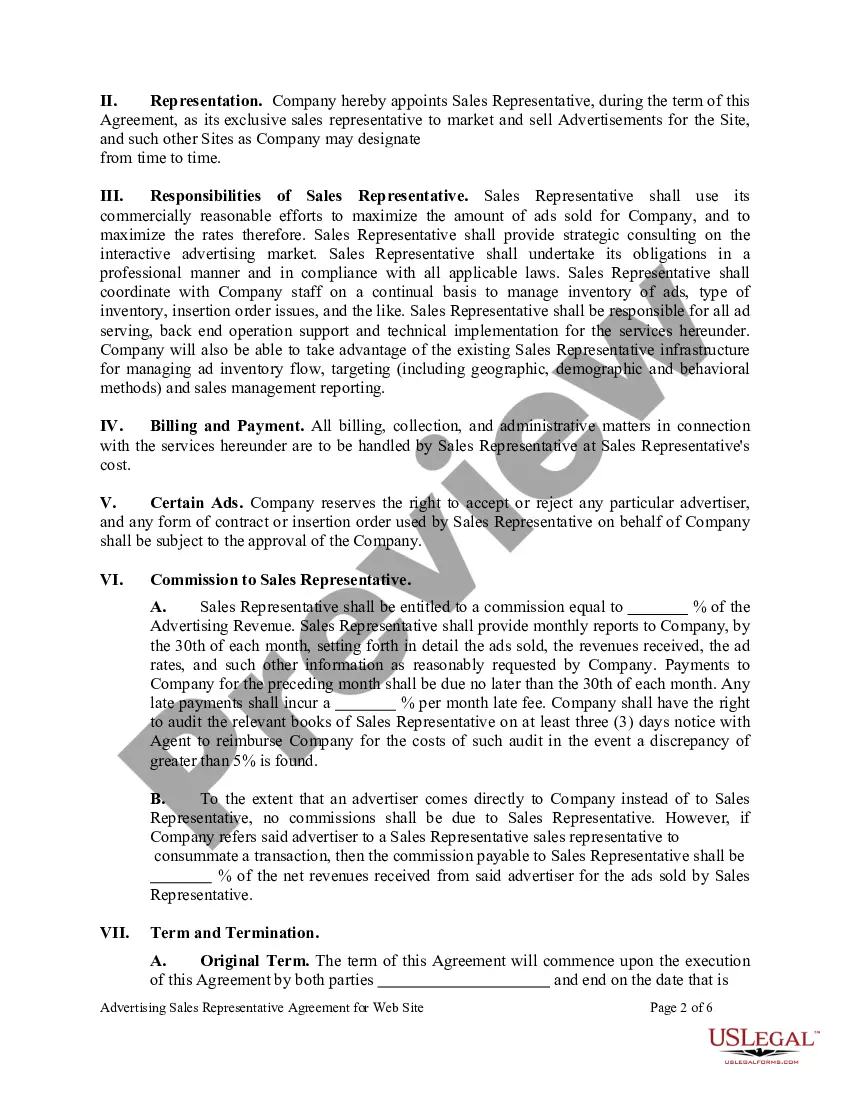
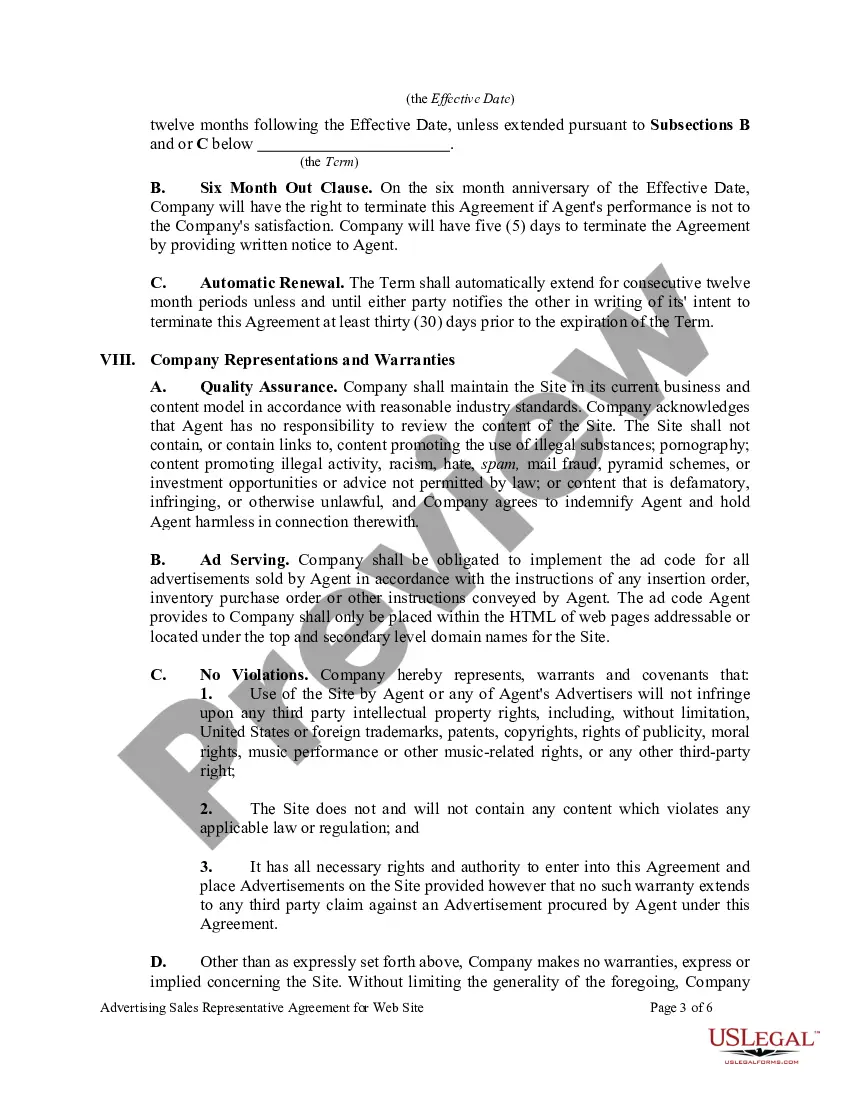
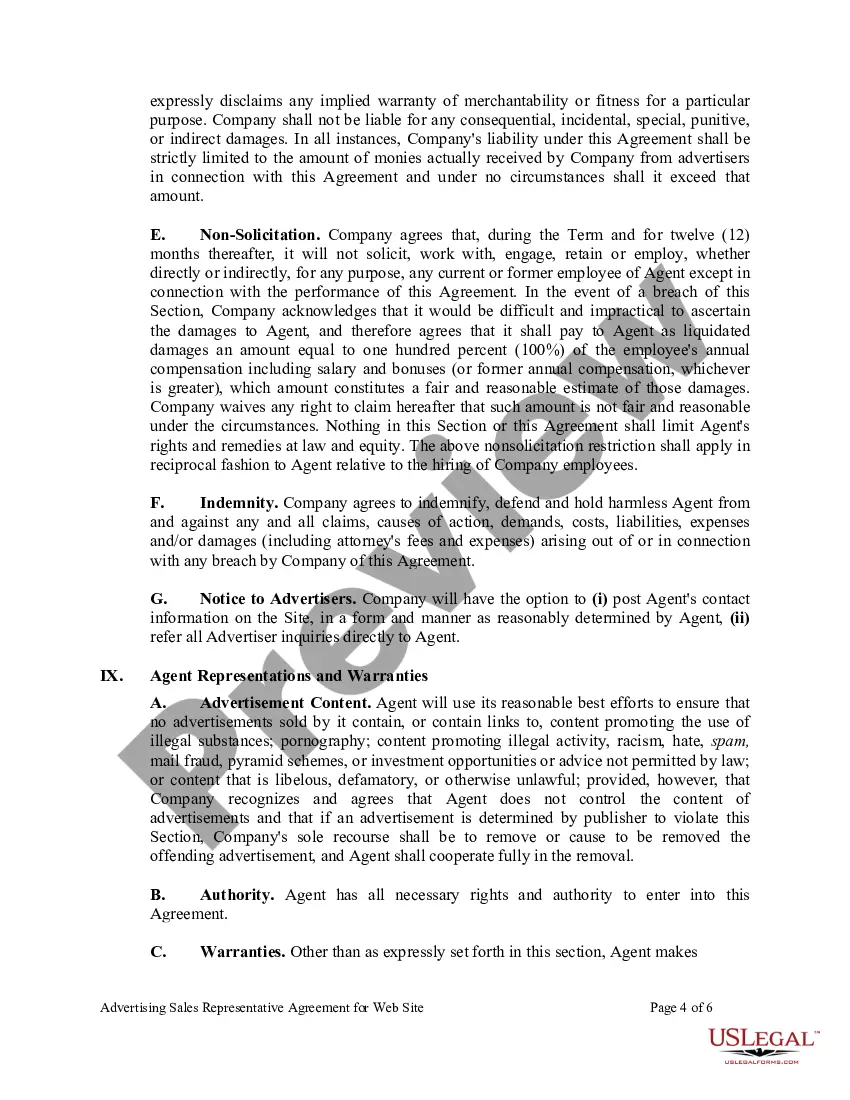
Get your form ready online
Our built-in tools help you complete, sign, share, and store your documents in one place.
Make edits, fill in missing information, and update formatting in US Legal Forms—just like you would in MS Word.
Download a copy, print it, send it by email, or mail it via USPS—whatever works best for your next step.
Sign and collect signatures with our SignNow integration. Send to multiple recipients, set reminders, and more. Go Premium to unlock E-Sign.
If this form requires notarization, complete it online through a secure video call—no need to meet a notary in person or wait for an appointment.
We protect your documents and personal data by following strict security and privacy standards.

Make edits, fill in missing information, and update formatting in US Legal Forms—just like you would in MS Word.

Download a copy, print it, send it by email, or mail it via USPS—whatever works best for your next step.

Sign and collect signatures with our SignNow integration. Send to multiple recipients, set reminders, and more. Go Premium to unlock E-Sign.

If this form requires notarization, complete it online through a secure video call—no need to meet a notary in person or wait for an appointment.

We protect your documents and personal data by following strict security and privacy standards.
Looking for another form?








Form popularity
FAQ
To find all of the PowerShell commands to work with AD sites, run Get-Command "ADReplication" . Get-ADReplicationSite with no parameters only gives the current site. 2. To find all Active Directory sites for the entire domain, run Get-AdReplicationSite using the Filter parameter and an asterisk ( ).
Before we get started, we need to enable the Active Directory PowerShell module built into Microsoft Windows Server 2008R2/2012 and above by running this command: New-ADUser Cmdlet: Syntax. New-ADUser: Parameters. Create a New User Account. Create a User Account in a Specific OU.
You can just type the Get-ADGroupMember cmdlet in a PowerShell window and you'll be prompted to enter the name of the group you want to use. Note that you must be logged in to Windows with a domain user account that has permission to read the group(s) you want to list.
The Get-ADComputer cmdlet gets a computer or performs a search to retrieve multiple computers. The Identity parameter specifies the Active Directory computer to retrieve. You can identify a computer by its distinguished name, GUID, security identifier (SID) or Security Accounts Manager (SAM) account name.