Credit Letter Example With Ps In New York
Description


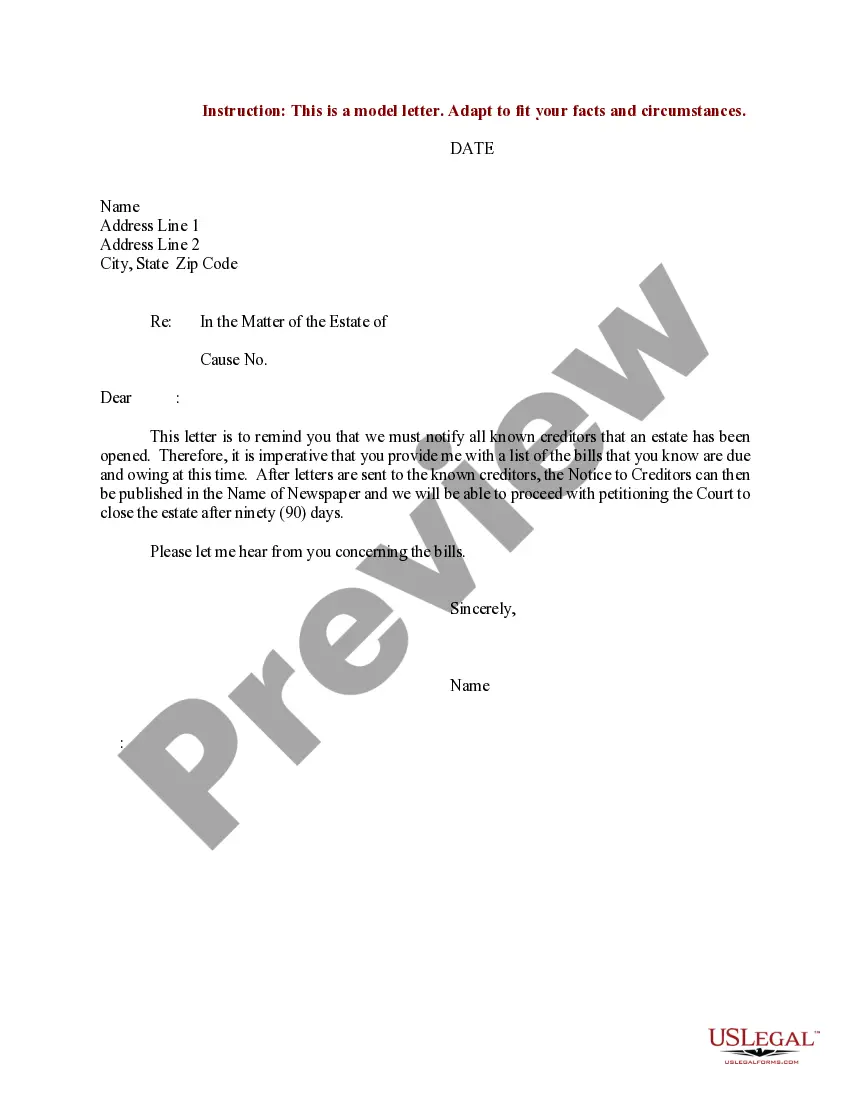
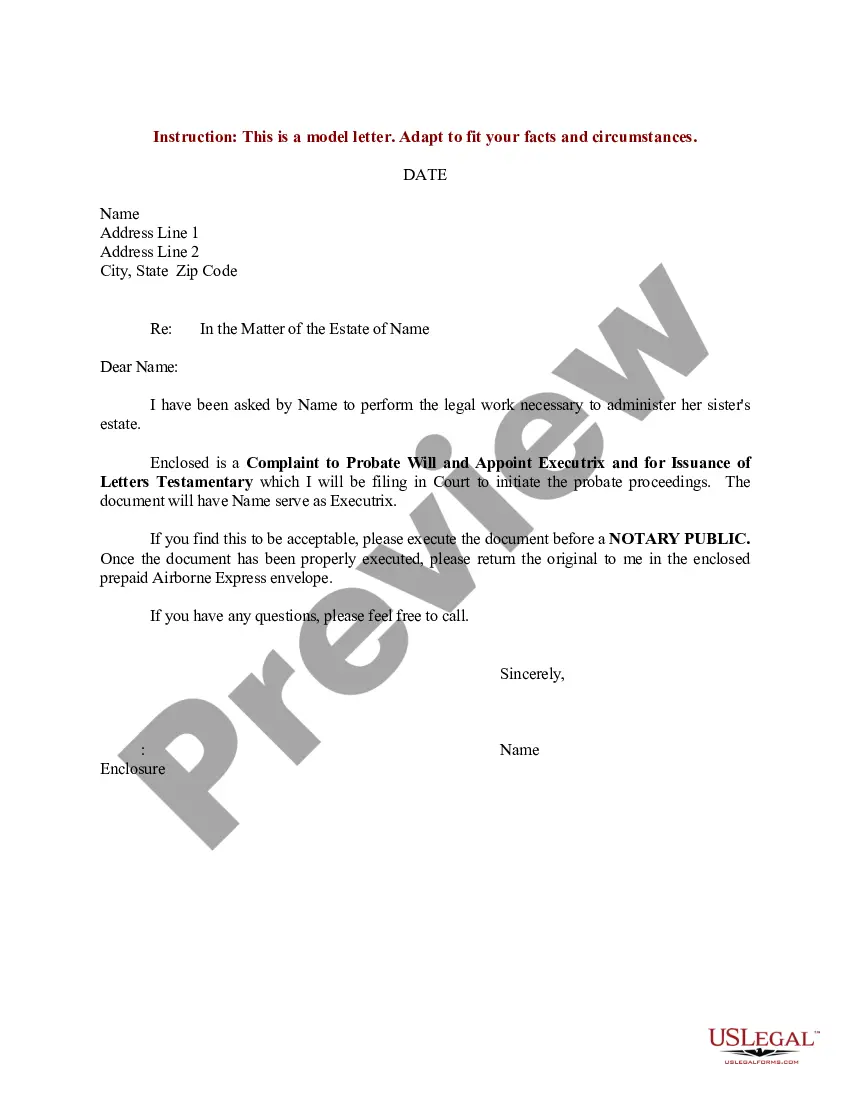
Get your form ready online
Our built-in tools help you complete, sign, share, and store your documents in one place.
Make edits, fill in missing information, and update formatting in US Legal Forms—just like you would in MS Word.
Download a copy, print it, send it by email, or mail it via USPS—whatever works best for your next step.
Sign and collect signatures with our SignNow integration. Send to multiple recipients, set reminders, and more. Go Premium to unlock E-Sign.
If this form requires notarization, complete it online through a secure video call—no need to meet a notary in person or wait for an appointment.
We protect your documents and personal data by following strict security and privacy standards.

Make edits, fill in missing information, and update formatting in US Legal Forms—just like you would in MS Word.

Download a copy, print it, send it by email, or mail it via USPS—whatever works best for your next step.

Sign and collect signatures with our SignNow integration. Send to multiple recipients, set reminders, and more. Go Premium to unlock E-Sign.

If this form requires notarization, complete it online through a secure video call—no need to meet a notary in person or wait for an appointment.

We protect your documents and personal data by following strict security and privacy standards.
Looking for another form?








Form popularity
FAQ
"PS" is an abbreviation for "postscript." It derives from the Latin word "postscriptum," which roughly translates to "write after." In letter and email writing, "PS" is used to add extra information at the end of your message, ing to the Cambridge Dictionary.
PS stands for postscript, originating from the Latin word postscriptum, meaning "written after." Use PS to add short, supplementary information that doesn't fit the main body of an email or letter. Proper formatting for PS includes placing it after your signature and using either PS or P.S., ensuring consistency.
Place the postscript after your signature and before your name and title, leaving some space between the postscript and the signature, as well as between the postscript and the name and title.
These documents are mostly used in international trade, where trust between buyers and sellers can be limited. Various types of letters of credit serve different purposes, such as commercial, standby, revocable, and irrevocable letters of credit.

