Credit Letter Example With Dear In Harris
Description


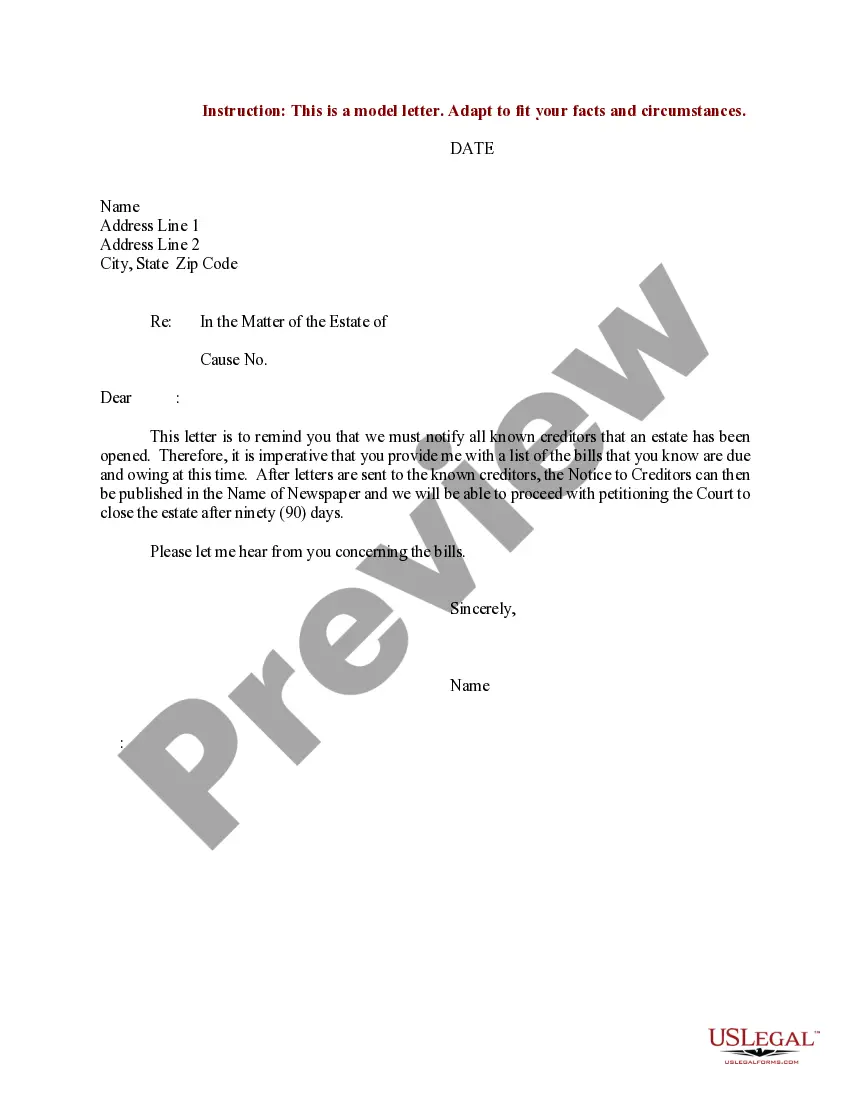
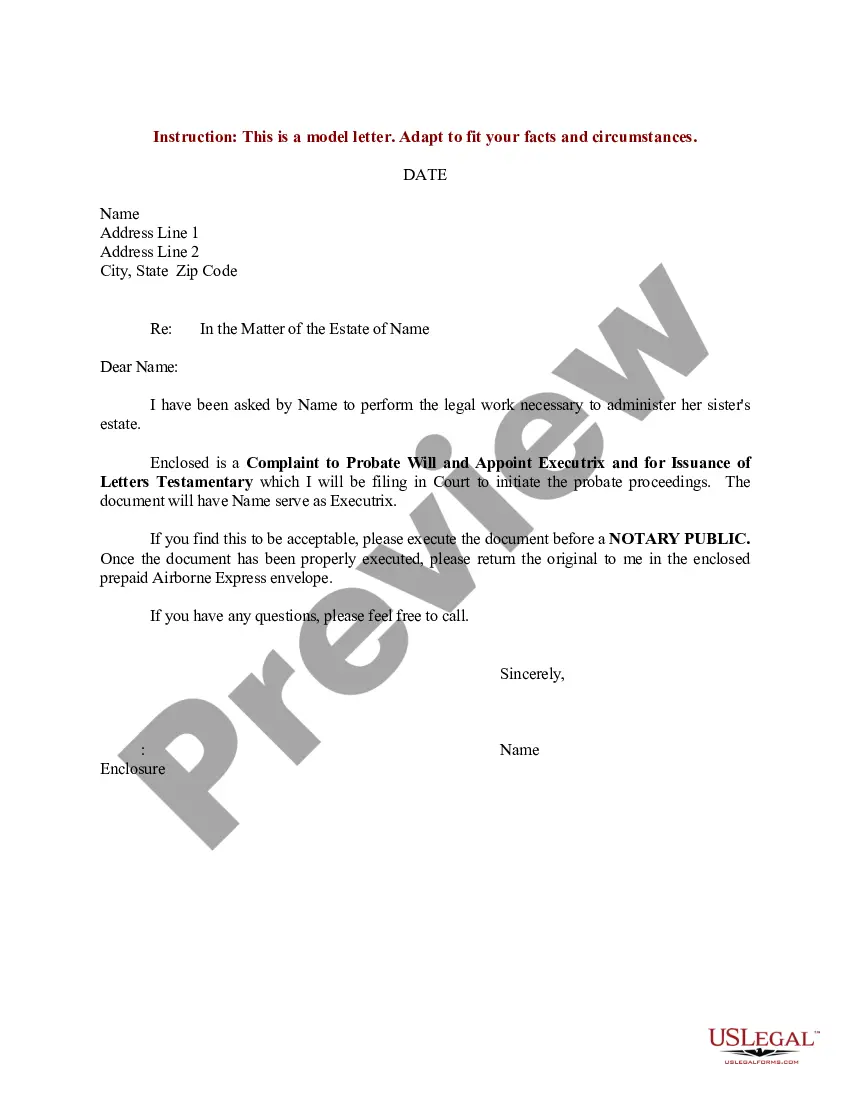
Get your form ready online
Our built-in tools help you complete, sign, share, and store your documents in one place.
Make edits, fill in missing information, and update formatting in US Legal Forms—just like you would in MS Word.
Download a copy, print it, send it by email, or mail it via USPS—whatever works best for your next step.
Sign and collect signatures with our SignNow integration. Send to multiple recipients, set reminders, and more. Go Premium to unlock E-Sign.
If this form requires notarization, complete it online through a secure video call—no need to meet a notary in person or wait for an appointment.
We protect your documents and personal data by following strict security and privacy standards.

Make edits, fill in missing information, and update formatting in US Legal Forms—just like you would in MS Word.

Download a copy, print it, send it by email, or mail it via USPS—whatever works best for your next step.

Sign and collect signatures with our SignNow integration. Send to multiple recipients, set reminders, and more. Go Premium to unlock E-Sign.

If this form requires notarization, complete it online through a secure video call—no need to meet a notary in person or wait for an appointment.

We protect your documents and personal data by following strict security and privacy standards.
Looking for another form?







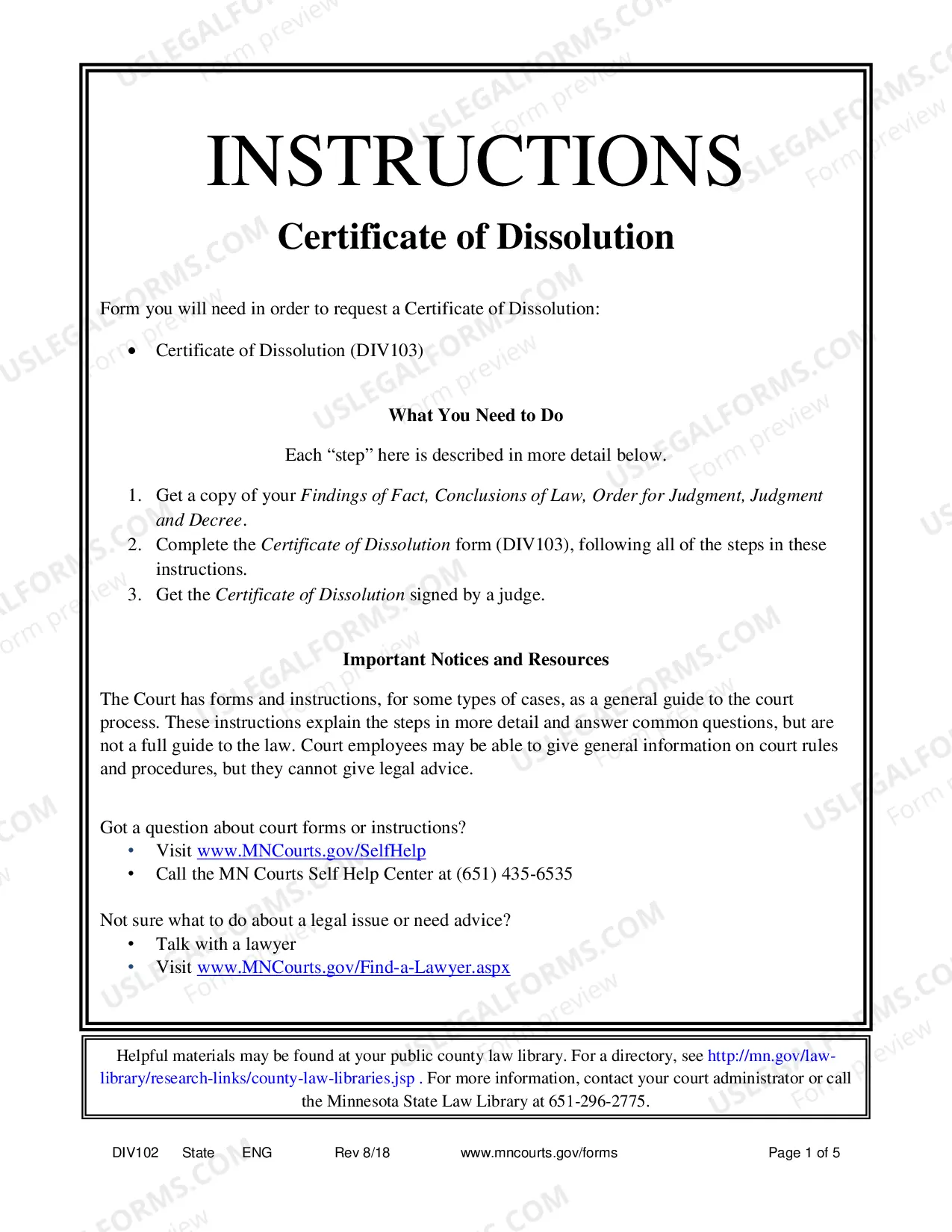

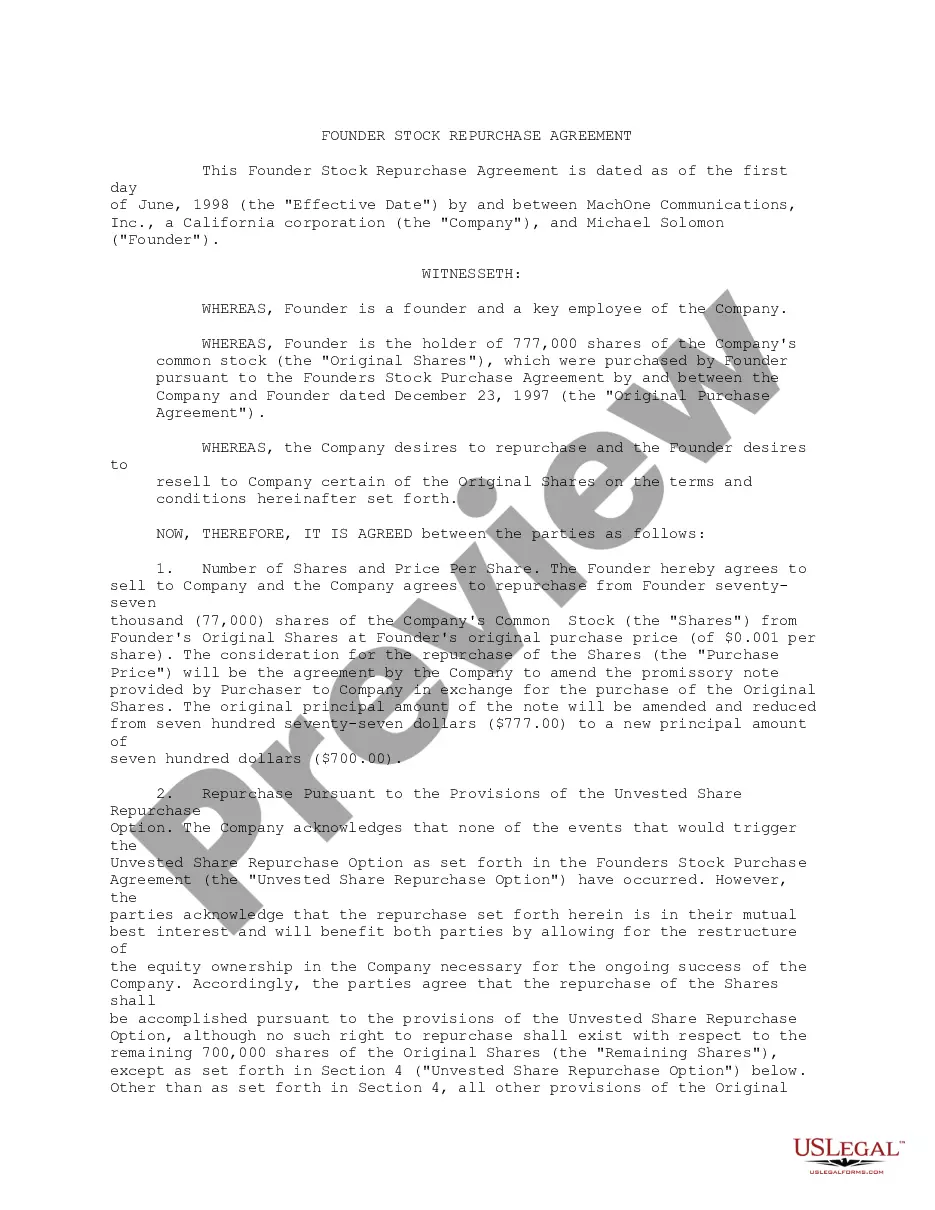
Form popularity
FAQ
Tone and language In a formal letter, the aim is to sound businesslike and professional by avoiding any words or phrases that seem casual or chatty, whilst using a range of appropriate vocabulary. You may need to be firm but it is essential you remain polite throughout, avoiding emotive language.
Here are some of the most popular ways to end a formal letter, which you can use in various professional settings. 1 Sincerely. 2 Cordially. 3 Thank you. 4 Appreciatively. 5 Regards. 6 Best. 7 Respectfully. 8 Looking forward to ___
How to Write a Letter of Credit Prepare the letter of credit documents, including the credit application, bank instructions, and the credit agreement. Make sure all documents are signed, dated, and include all necessary information. Submit documents to the issuing bank. Confirm that the bank has accepted the documents.
To start a professional letter, include your contact information, date, recipient's details, a formal greeting, and an agreeable opening statement before stating the purpose. Use the appropriate level of formality, ensure the recipient's name is correct, and include a contact name whenever possible.
How to Write a Credit Hold Letter to a Customer Reference the account number and the situation. Include the account number in your communication for your customer's reference. Politely inform him that his credit is now on hold. Include a solution to the problem. Explain your position. End the letter positively.
How to write a formal letter in six steps Plan Your Message: Before you begin writing, take a moment to clarify your purpose. Start With a Proper Format: Formal letters have a specific layout that includes the sender's address, date, recipient's address, salutation, body, close, and signature.
Most formal letters will start with 'Dear' before the name of the person that you are writing to. You can choose to use first name and surname, or title. and surname. However, if you don't know the name of the person you are writing to, you must use 'Dear Sir or Madam,'.
Dear title and last name, Using an abbreviated title (such as “Ms.” or “Dr.”) followed by the person's last name is another way of greeting someone formally. This can be a good option to show respect to a superior in some context—for example, when writing to your professor at university.
After your greeting, the first sentence of your email is your next big opportunity to make an impression. A strong email opening sentence provides context, builds rapport, and encourages the recipient to keep reading. Professional Opening Sentences: “I hope this email finds you well.”
“Dear Name, …” Use this salutation when you're addressing someone or sending business documents such as a cover letter to show your respect, professionalism, and politeness. In this case, you can use “Dear” followed by a person's title (Mr., Ms.) and their last name: “Dear Mr.

