Credit Letter Example For Business In Fulton
Description


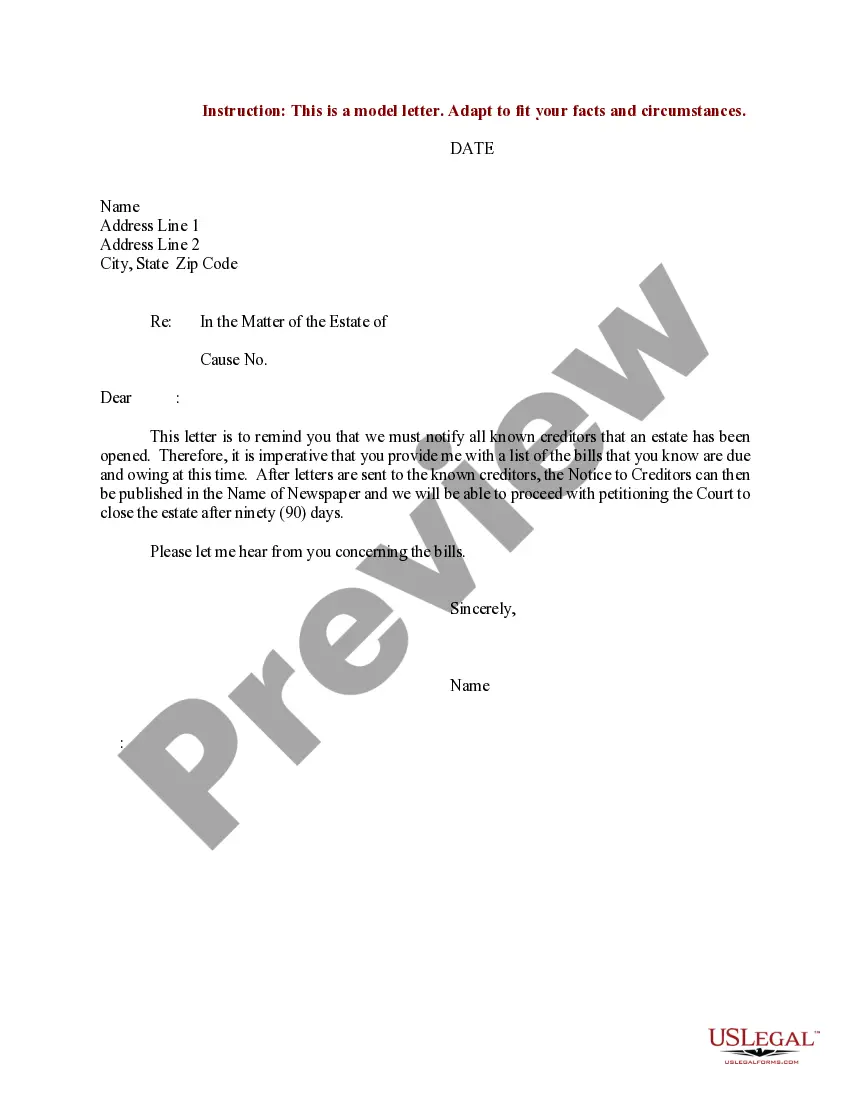
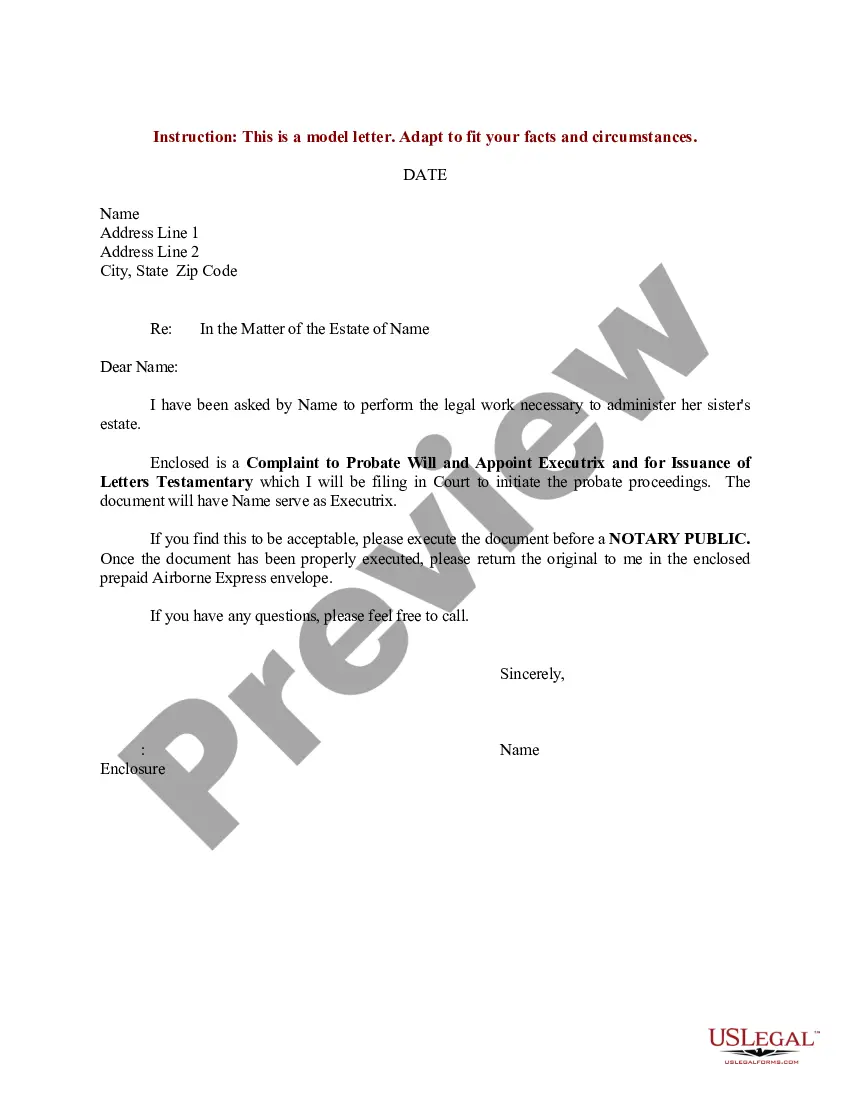
Get your form ready online
Our built-in tools help you complete, sign, share, and store your documents in one place.
Make edits, fill in missing information, and update formatting in US Legal Forms—just like you would in MS Word.
Download a copy, print it, send it by email, or mail it via USPS—whatever works best for your next step.
Sign and collect signatures with our SignNow integration. Send to multiple recipients, set reminders, and more. Go Premium to unlock E-Sign.
If this form requires notarization, complete it online through a secure video call—no need to meet a notary in person or wait for an appointment.
We protect your documents and personal data by following strict security and privacy standards.

Make edits, fill in missing information, and update formatting in US Legal Forms—just like you would in MS Word.

Download a copy, print it, send it by email, or mail it via USPS—whatever works best for your next step.

Sign and collect signatures with our SignNow integration. Send to multiple recipients, set reminders, and more. Go Premium to unlock E-Sign.

If this form requires notarization, complete it online through a secure video call—no need to meet a notary in person or wait for an appointment.

We protect your documents and personal data by following strict security and privacy standards.
Looking for another form?







Form popularity
FAQ
A letter of credit is written commitment document issued by a bank or other financial institutions to assure payment to seller based on documentary proof that the seller has fulfilled their end of the deal per the LC. Under an LC, the seller gets guarantee on payment of his sale of goods from the buyer's bank.
The issuing bank is the bank that issues the credit, usually following a request from an applicant.
The Letter of Credit process & how it is used Step 1: Initiation and Application. Step 2: Issuance and Terms Clarification. Step 3: Shipment and Documentation. Step 4: Document Submission and Examination. Step 5: Payment and Completion. Step 6: LC Closure and Reconciliation.
A commercial letter of credit, also known as a documentary credit, is an aspect of business banking. It's a document issued by a bank to guarantee payment for goods or services for a seller (also called the supplier or exporter). It is issued on behalf of the company acquiring the supplies (the importer).
Obtain a letter of credit application from the bank and fill it out with the relevant information. Submit the letter of credit application to your bank for approval. Once the application is approved, the bank will provide you with an irrevocable letter of credit.
A letter of credit is a financial document issued by a bank or financial institution on behalf of a buyer, guaranteeing payment to the seller once certain conditions are met. It serves as a guarantee of payment in international trade transactions, providing security to both the buyer and the seller.
Fulton Bank's routing number is 031301422.
Letters of credit are used to minimize risk in international trade transactions where the buyer and the seller may not know one another. If you are an importer, using a letter of credit can ensure that your company only pays for goods after the supplier has provided evidence that they have been shipped.

