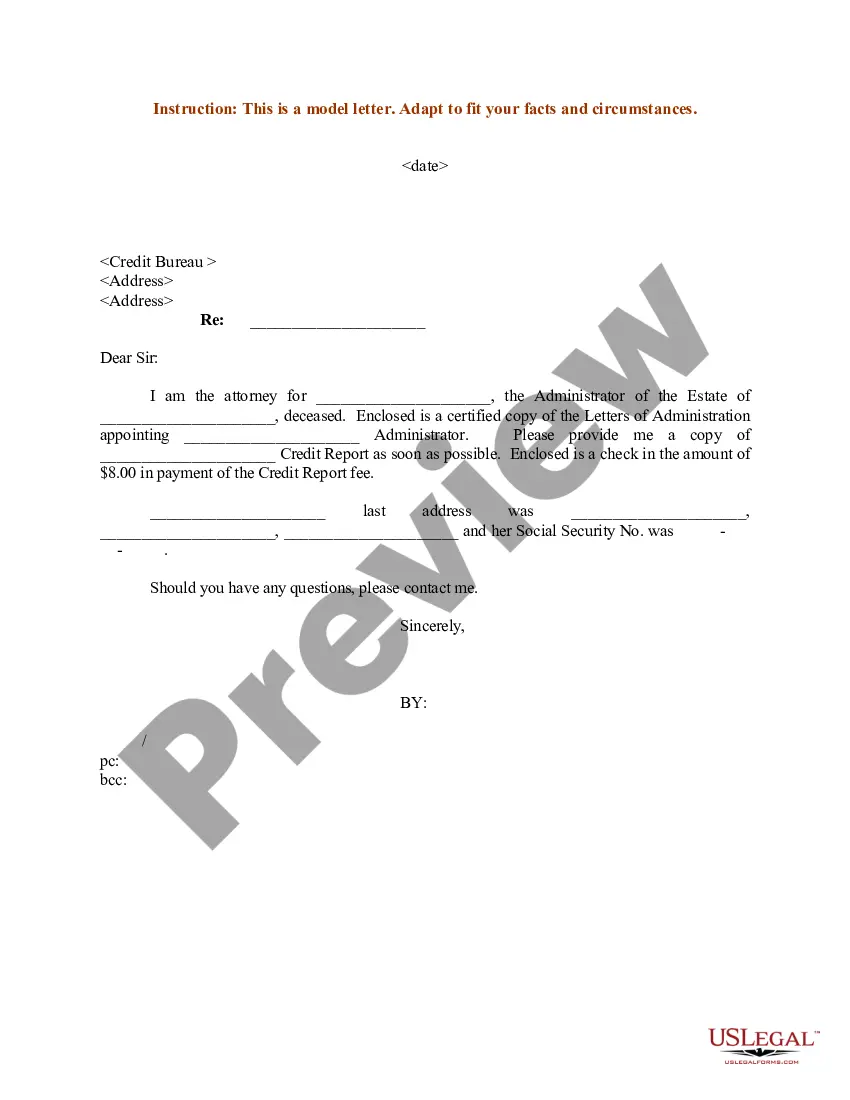
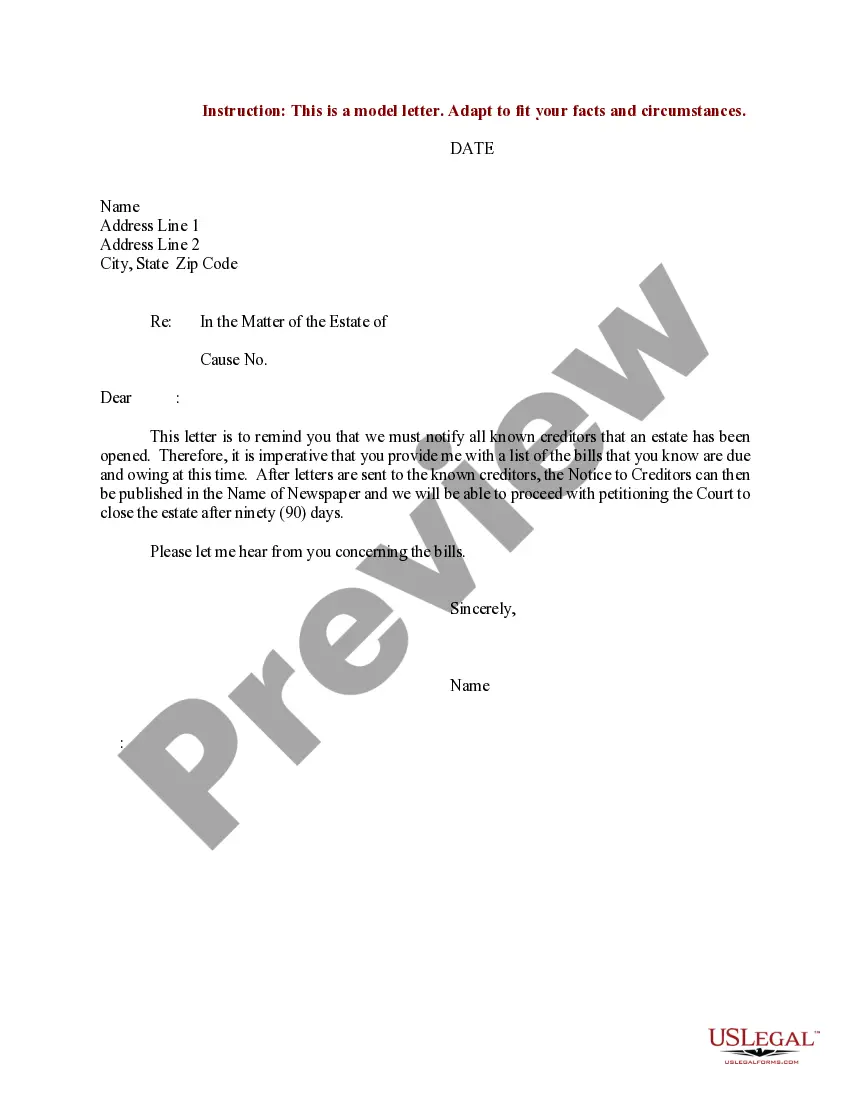
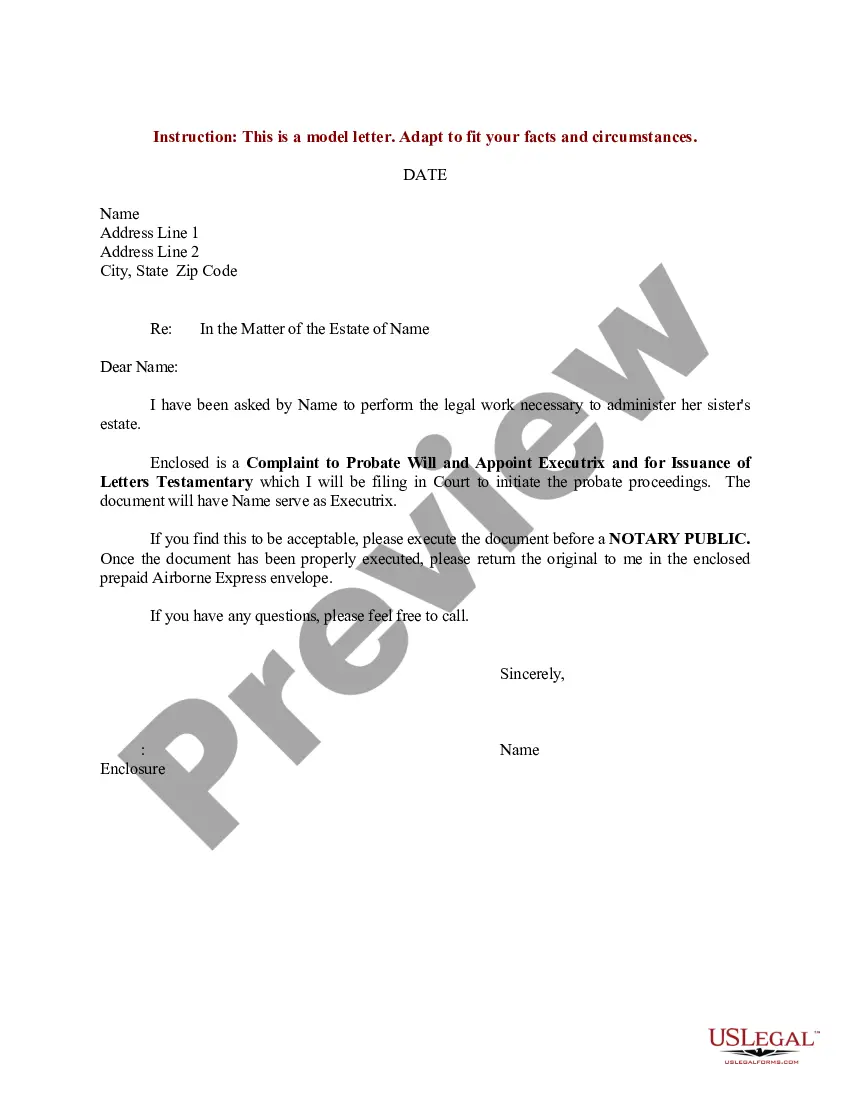
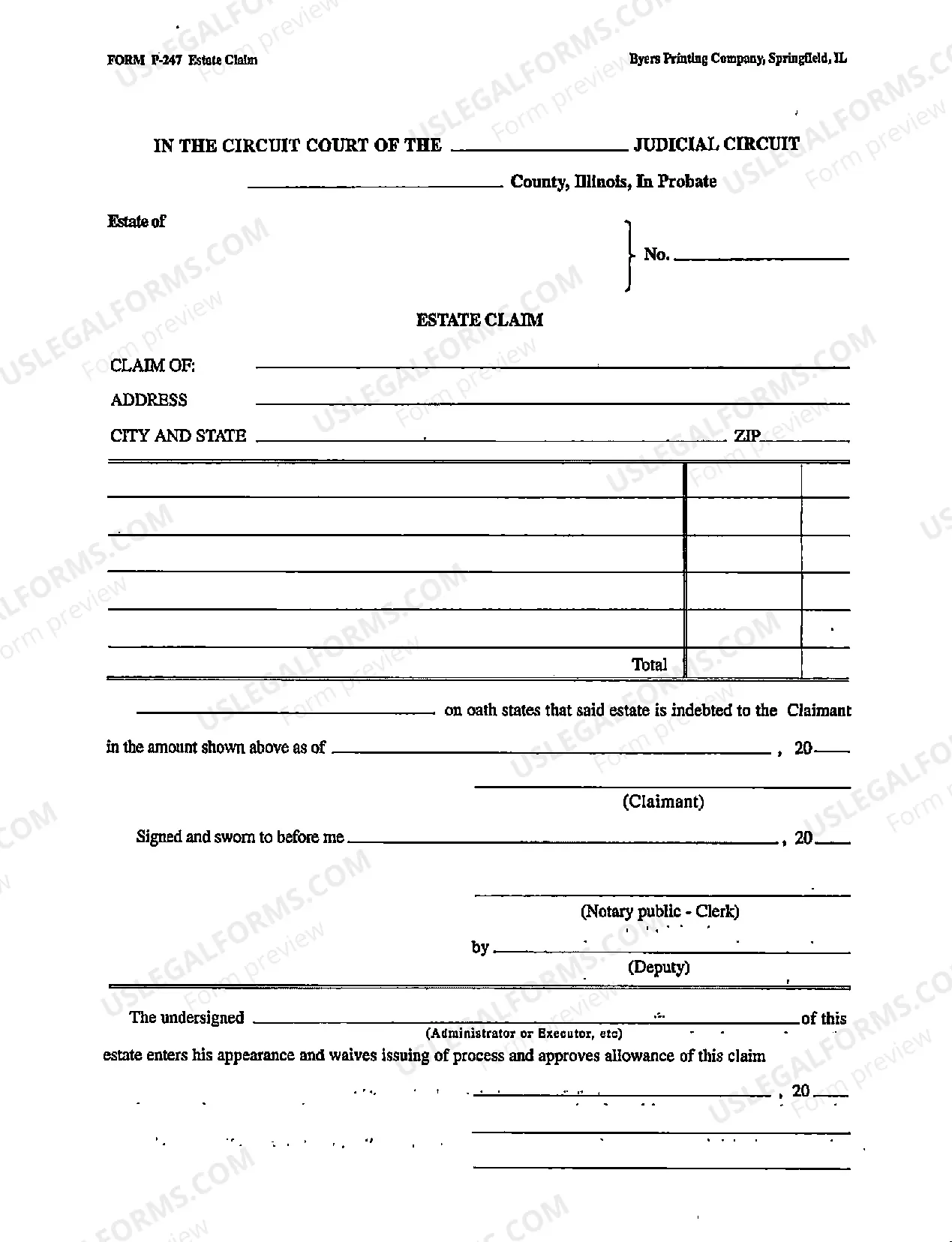
Credit Letter Example Without Notice Period In Dallas
Description

Get your form ready online
Our built-in tools help you complete, sign, share, and store your documents in one place.
Make edits, fill in missing information, and update formatting in US Legal Forms—just like you would in MS Word.
Download a copy, print it, send it by email, or mail it via USPS—whatever works best for your next step.
Sign and collect signatures with our SignNow integration. Send to multiple recipients, set reminders, and more. Go Premium to unlock E-Sign.
If this form requires notarization, complete it online through a secure video call—no need to meet a notary in person or wait for an appointment.
We protect your documents and personal data by following strict security and privacy standards.

Make edits, fill in missing information, and update formatting in US Legal Forms—just like you would in MS Word.

Download a copy, print it, send it by email, or mail it via USPS—whatever works best for your next step.

Sign and collect signatures with our SignNow integration. Send to multiple recipients, set reminders, and more. Go Premium to unlock E-Sign.

If this form requires notarization, complete it online through a secure video call—no need to meet a notary in person or wait for an appointment.

We protect your documents and personal data by following strict security and privacy standards.
Looking for another form?







Form popularity
FAQ
Dear (Landlord name), My name is (Your name), and I'm writing to you to express my interest in the home at (address or property name). I would love to live in this place because (reasons you want to rent the property). I currently am a tenant at (current address) but am ready to move because (reason for moving).
Provide a clear and concise explanation of the circumstances that led to your bad credit. For example, did you lose your job or experience a significant medical expense? Providing this context can help the employer understand why your credit history looks the way it does.
The letter should include an explanation regarding the negative event, the date it happened, the name of the creditor and your account number. It should also include an explanation of why you don't see this problem happening again.
Be honest (and communicate well) about your bad credit. Be upfront with potential landlords. Write a letter of explanation detailing why your credit score is not very good. Include how you now have good budgeting habits and about your plans to be a responsible tenant.
As you can see from my credit report, I made late payments on my (list where you have made late payments, such as student loans and credit cards). It was during this time I experienced financial hardship, as (explain your reasoning, such as a lay off).
The debt may or may not be a concern, if most of it is mortgage, as there is an asset to back up the debt. But don't let them count potential future rent as income if they don't have a signed lease.
A letter of explanation can contextualize the barriers to access that may come up as you apply for housing. This strengthens your application by helping a potential landlord see the all of the progress you have made. Before you begin writing your letter, reflect on what your goals are.
Provide a clear and concise explanation of the circumstances that led to your bad credit. For example, did you lose your job or experience a significant medical expense? Providing this context can help the employer understand why your credit history looks the way it does.
While the content of the letter will change depending on your situation, there are a few important aspects to include: Provide all details the best you can, including correct dates and dollar amounts. Explain how and when all situations were resolved. Detail why problems won't happen again.
