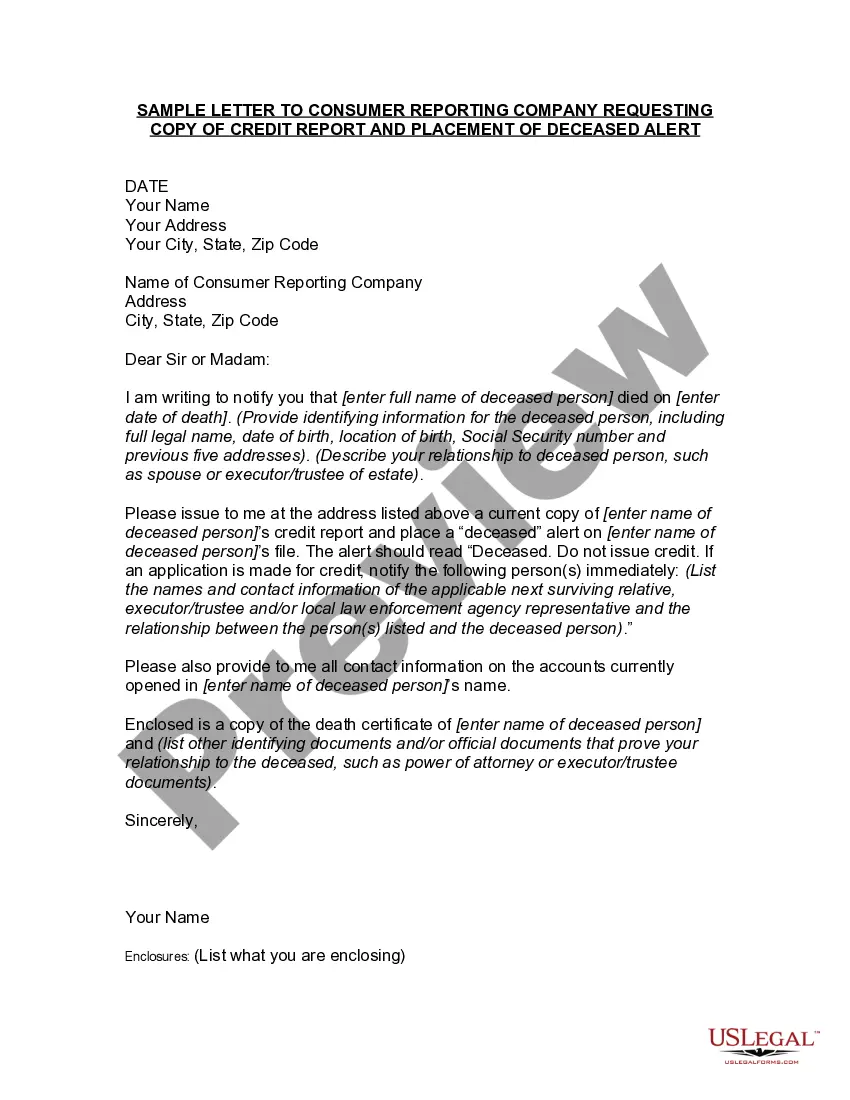
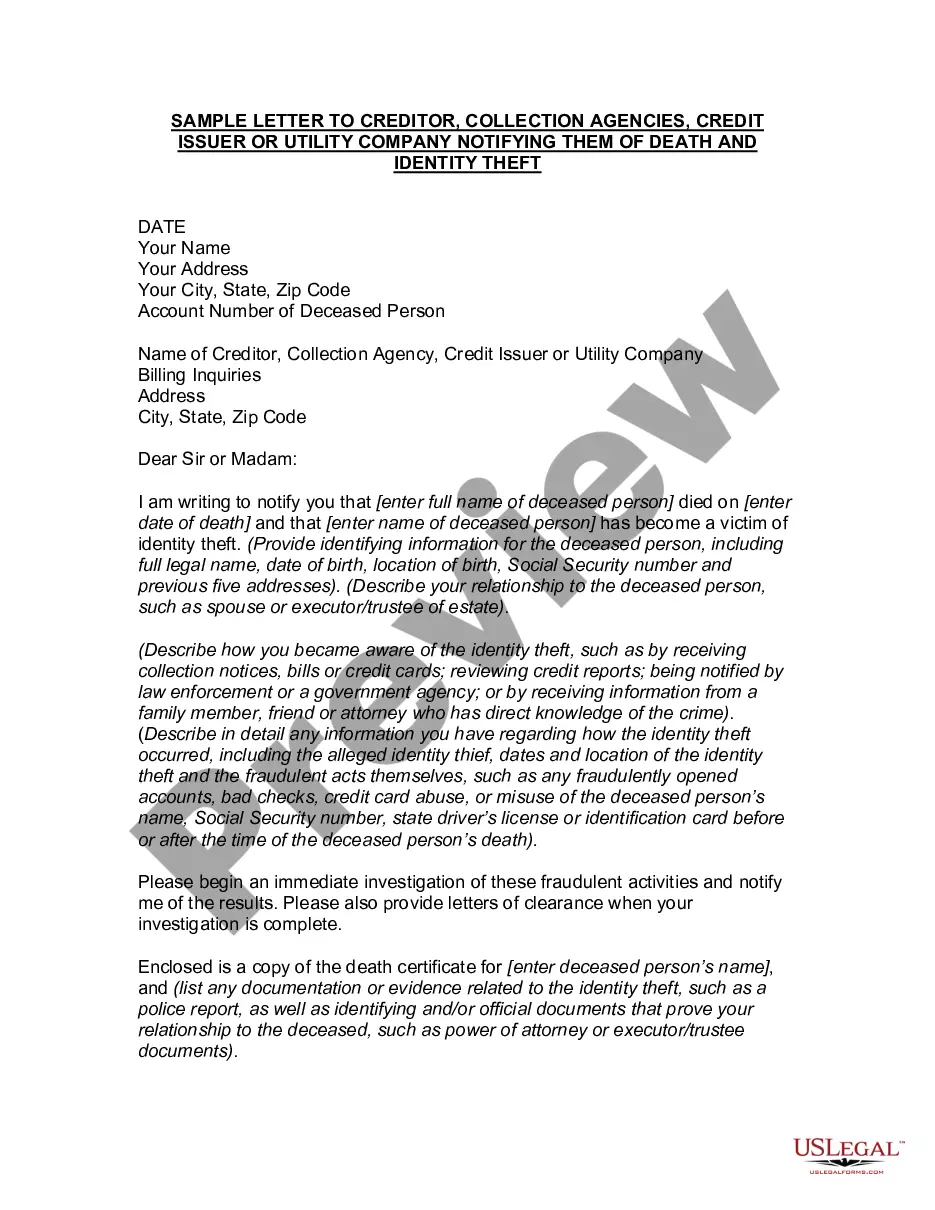
Letter Credit Attorney Without In Utah
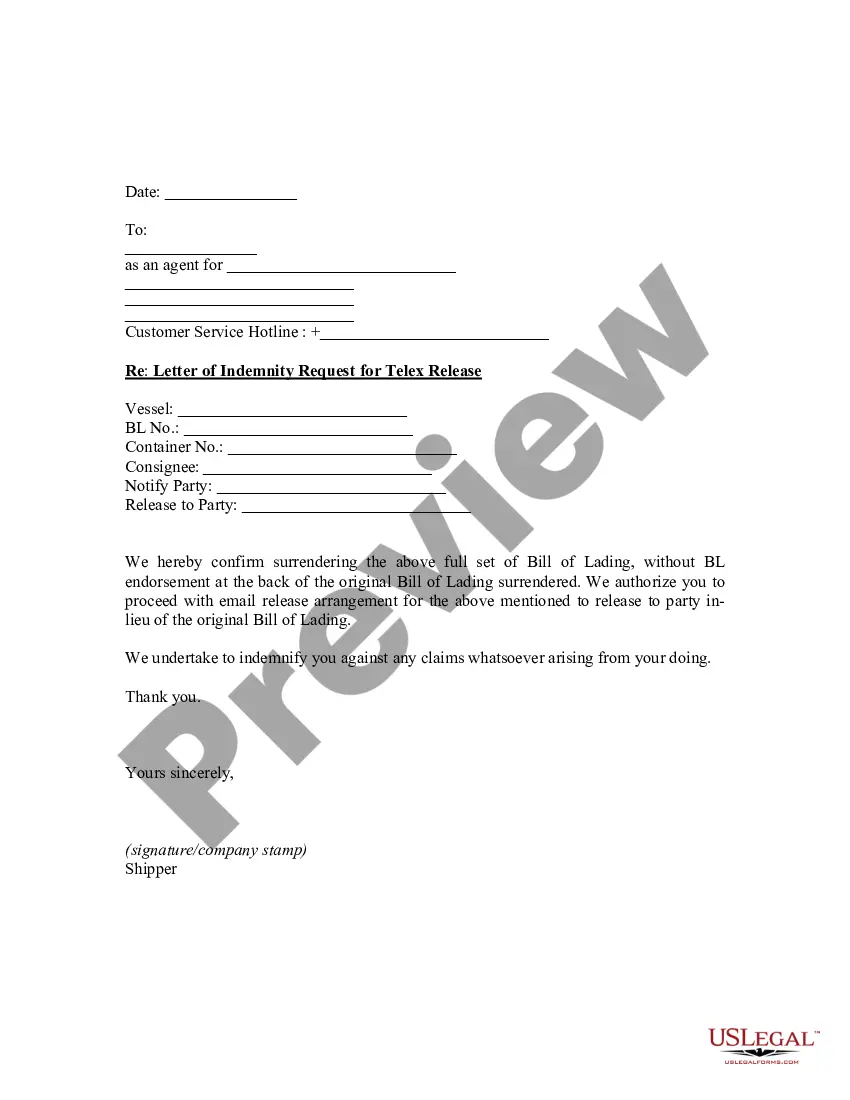
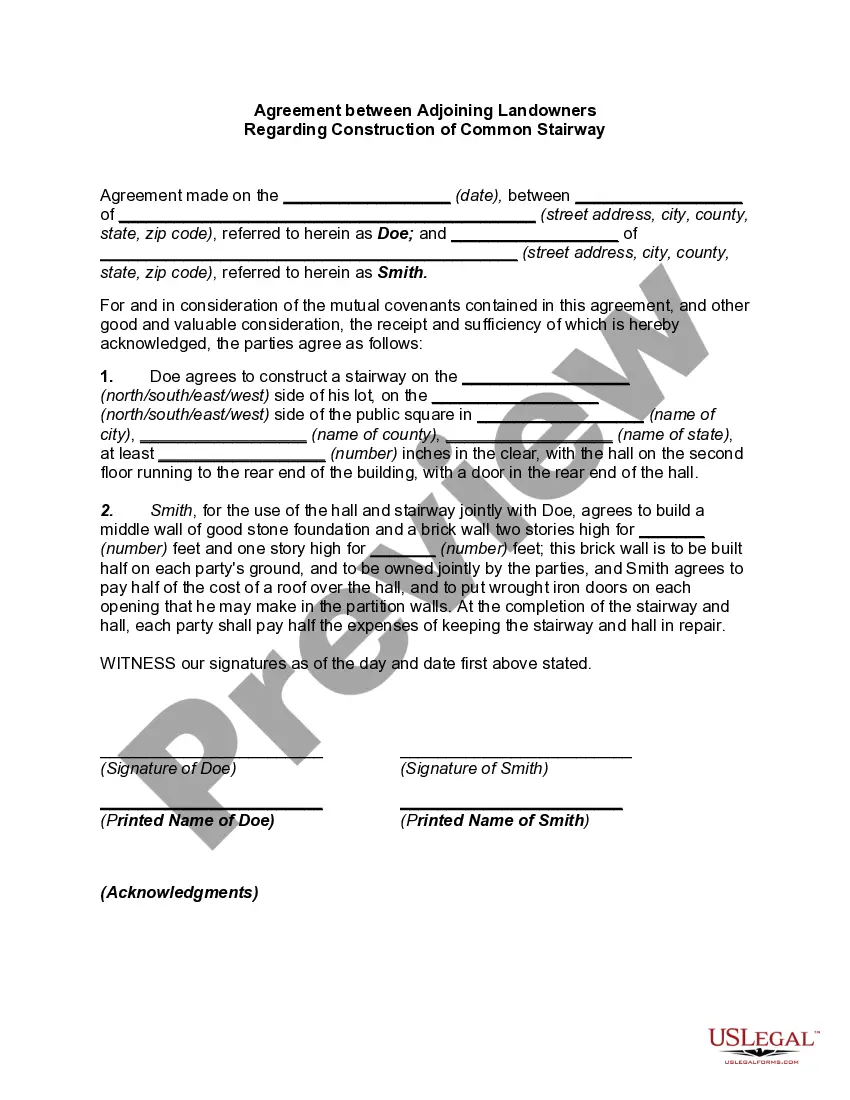
Description


Get your form ready online
Our built-in tools help you complete, sign, share, and store your documents in one place.
Make edits, fill in missing information, and update formatting in US Legal Forms—just like you would in MS Word.
Download a copy, print it, send it by email, or mail it via USPS—whatever works best for your next step.
Sign and collect signatures with our SignNow integration. Send to multiple recipients, set reminders, and more. Go Premium to unlock E-Sign.
If this form requires notarization, complete it online through a secure video call—no need to meet a notary in person or wait for an appointment.
We protect your documents and personal data by following strict security and privacy standards.

Make edits, fill in missing information, and update formatting in US Legal Forms—just like you would in MS Word.

Download a copy, print it, send it by email, or mail it via USPS—whatever works best for your next step.

Sign and collect signatures with our SignNow integration. Send to multiple recipients, set reminders, and more. Go Premium to unlock E-Sign.

If this form requires notarization, complete it online through a secure video call—no need to meet a notary in person or wait for an appointment.

We protect your documents and personal data by following strict security and privacy standards.
Looking for another form?






Form popularity
FAQ
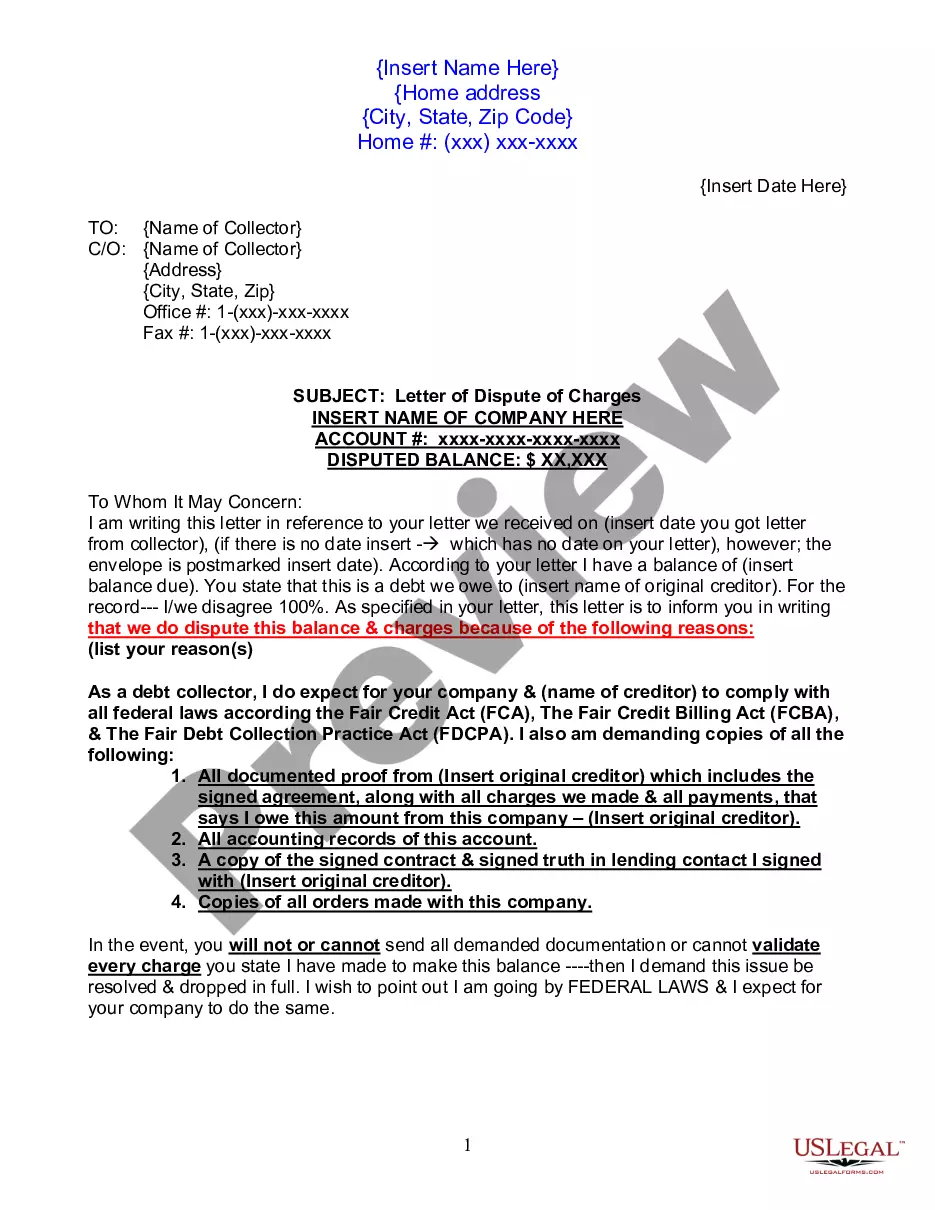
Your answer should include the court name, case name, case number, and your affirmative defenses. Print three copies of your answer. File one with the clerk's office and mail (or “serve”) one to the plaintiff or plaintiff's attorney. The plaintiff is the debt collector, creditor, or law firm suing you.
On a separate page or pages, write a short and plain statement of the answer to the allegations in the complaint. Number the paragraphs. The answer should correspond to each paragraph in the complaint, with paragraph 1 of the answer corresponding to paragraph 1 of the complaint, etc.
Defenses you can use in a debt lawsuit Defense: Running the statute of limitations. The plaintiff must file a lawsuit within a set amount of time. Breach of contract by Plaintiff. No breach by Defendant. Discharge by bankruptcy. Statute of frauds. Satisfaction. Cancelation of contract. Lack of Consideration.
You have to file a response titled ``Answer and Affirmative Defenses'' and just admit or deny the allegations of every paragraph of the complaint. File the original with the court and send a copy to the attorney for the credit card company.
Here's the good news — you can't go to jail for credit card debt, and if a debt collector implies that you might end up in jail, they are breaking the law as established by the Fair Debt Collection Practices Act.
Your non-response to the demand letter from an attorney may be considered evidence of intentional wrongdoing or willful violation of the other party's rights. Moreover, penalty provisions and attorney's fees may substantially increase the amount you owe.
Four Steps to Take if You Received a Debt Collection Letter From a Lawyer Carefully Review the Letter to Determine the Claim. Consider Sending a Debt Validation Request. Gather and Organize All Relevant Financial Documents and Records. Be Proactive: Debt Does Not Go Away on its Own.
A skilled credit report dispute attorney has the legal background and experience to understand and navigate a variety of credit dispute challenges. They understand the details of the Fair Credit Reporting Act, including your rights under the law.
(1) Unless otherwise provided by law or court rule, an individual may not practice law or assume to act or hold himself or herself out to the public as an individual qualified to practice law within this state if that individual: (a) is not admitted and licensed to practice law within this state; (b) has been disbarred ...
In some circumstances, you file a petition or a motion. The court has several complaint forms that you may use in drafting your complaint. The forms are available online and at the Pro Se Intake Unit. You may also write your own complaint without using a court form.

