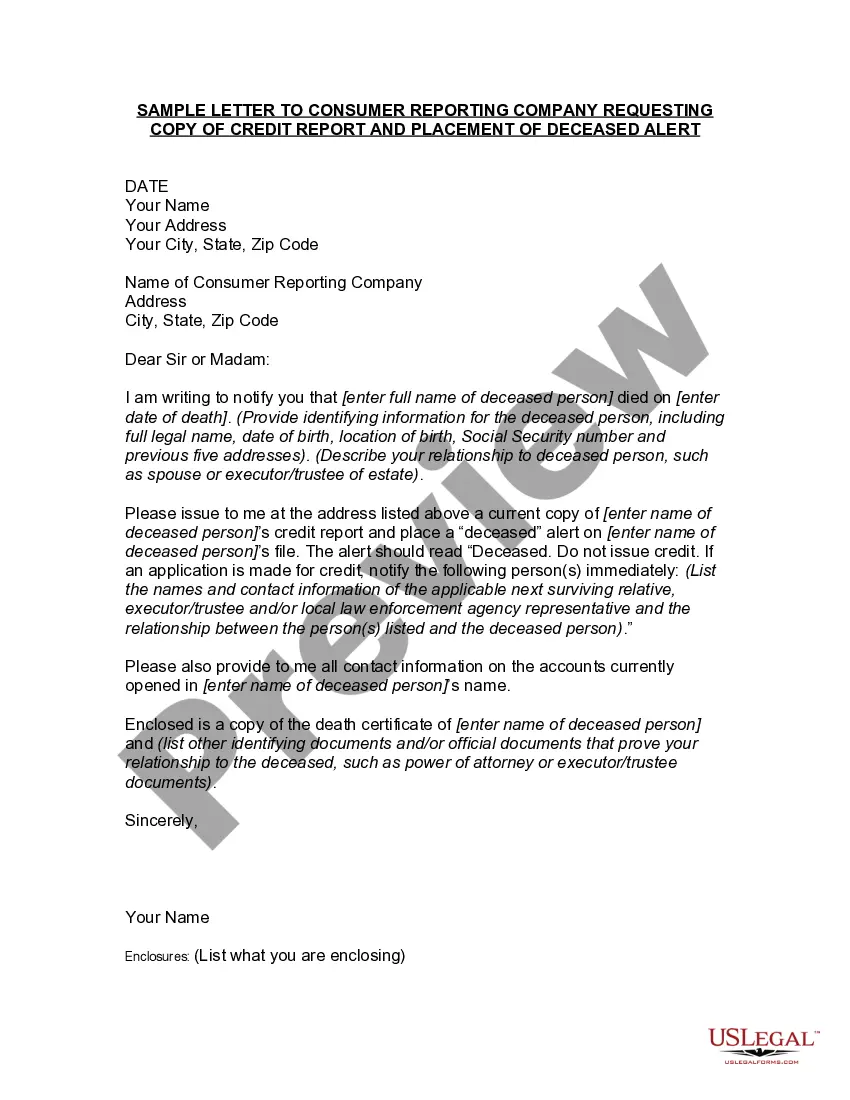
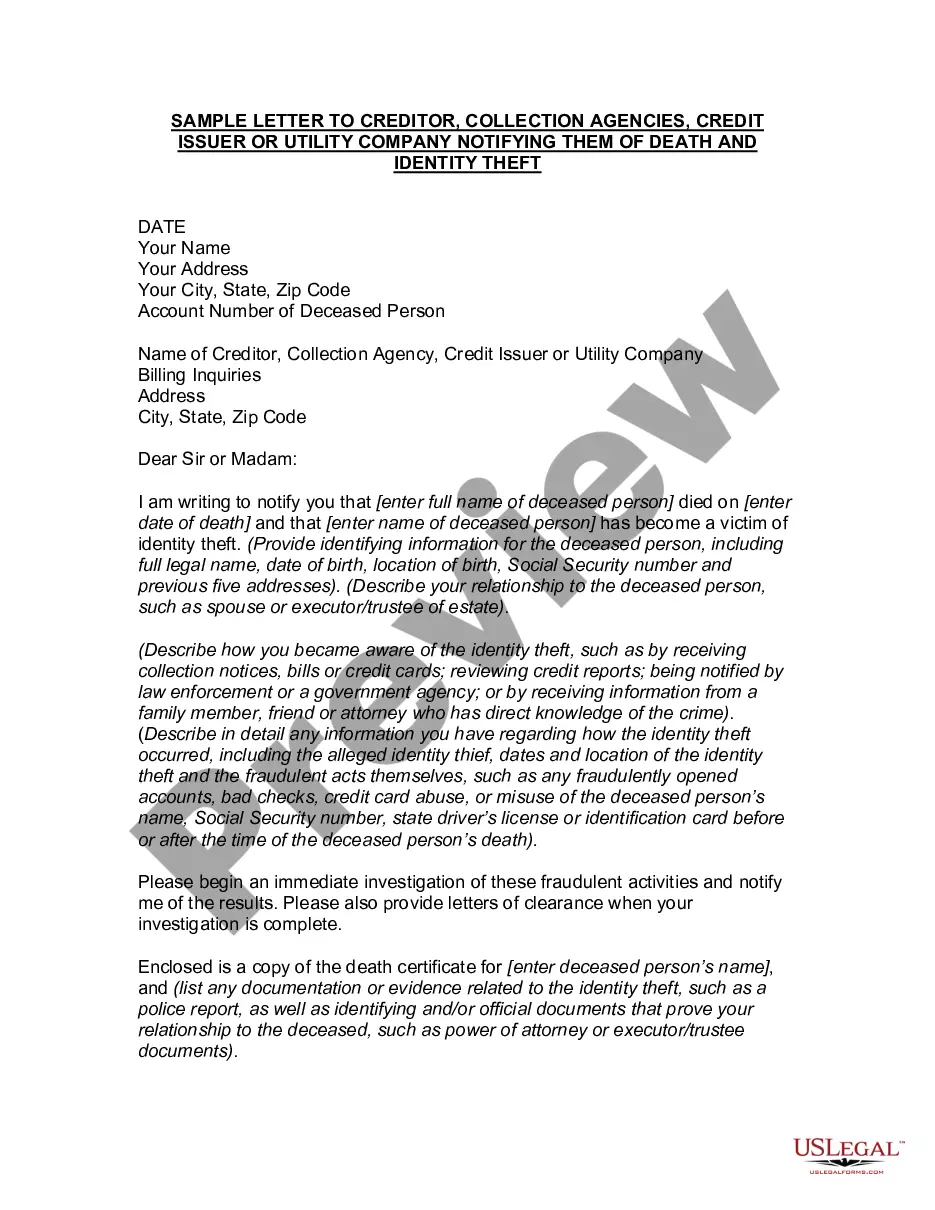
Letter Credit Attorney Without In Philadelphia
Description


Get your form ready online
Our built-in tools help you complete, sign, share, and store your documents in one place.
Make edits, fill in missing information, and update formatting in US Legal Forms—just like you would in MS Word.
Download a copy, print it, send it by email, or mail it via USPS—whatever works best for your next step.
Sign and collect signatures with our SignNow integration. Send to multiple recipients, set reminders, and more. Go Premium to unlock E-Sign.
If this form requires notarization, complete it online through a secure video call—no need to meet a notary in person or wait for an appointment.
We protect your documents and personal data by following strict security and privacy standards.

Make edits, fill in missing information, and update formatting in US Legal Forms—just like you would in MS Word.

Download a copy, print it, send it by email, or mail it via USPS—whatever works best for your next step.

Sign and collect signatures with our SignNow integration. Send to multiple recipients, set reminders, and more. Go Premium to unlock E-Sign.

If this form requires notarization, complete it online through a secure video call—no need to meet a notary in person or wait for an appointment.

We protect your documents and personal data by following strict security and privacy standards.
Looking for another form?

Form popularity
FAQ
What happens if a law suit is filed against you? A creditor can sue you if you get behind in your payments.
Getting your debt lawsuit dismissed Validate the debt. Your first step is to ensure the debt is actually valid. Check for statute of limitations. Lack of standing. Errors in documentation. Settlement negotiations. Counterclaims and defenses. Seek legal counsel. Mediation and arbitration.
Debt collectors cannot harass or abuse you. They cannot swear, threaten to illegally harm you or your property, threaten you with illegal actions, or falsely threaten you with actions they do not intend to take. They also cannot make repeated calls over a short period to annoy or harass you.
A creditor can sue you if you get behind in your payments. The creditor may file a law suit at the Magisterial District Court if it's for a small amount, or may sue you in the County Court of Common Pleas, or in Federal Court.
Debt collectors may choose to use Certified Mail or other delivery methods to comply with the FDCPA's requirements, and the specific method of delivery may vary among collection agencies.
Draft Your Response: If you choose to respond, your letter should include: - Acknowledgment of the demand letter. - A clear statement of your position regarding the claims. - Any counterarguments or evidence you wish to present. - A proposal for resolution if applicable (eg, negotiating terms).
Four Steps to Take if You Received a Debt Collection Letter From a Lawyer Carefully Review the Letter to Determine the Claim. Consider Sending a Debt Validation Request. Gather and Organize All Relevant Financial Documents and Records. Be Proactive: Debt Does Not Go Away on its Own.
Specifically, the rule states that a debt collector cannot: Make more than seven calls within a seven-day period to a consumer regarding a specific debt. Call a consumer within seven days after having a telephone conversation about that debt.
It's important to respond to (or answer) the lawsuit. You do this by filing official paperwork with the court. Be sure to address every point in the complaint, raise any defenses you have, and file the paperwork within the time frame provided.

