Resolution Format For Trust In Nassau
Description



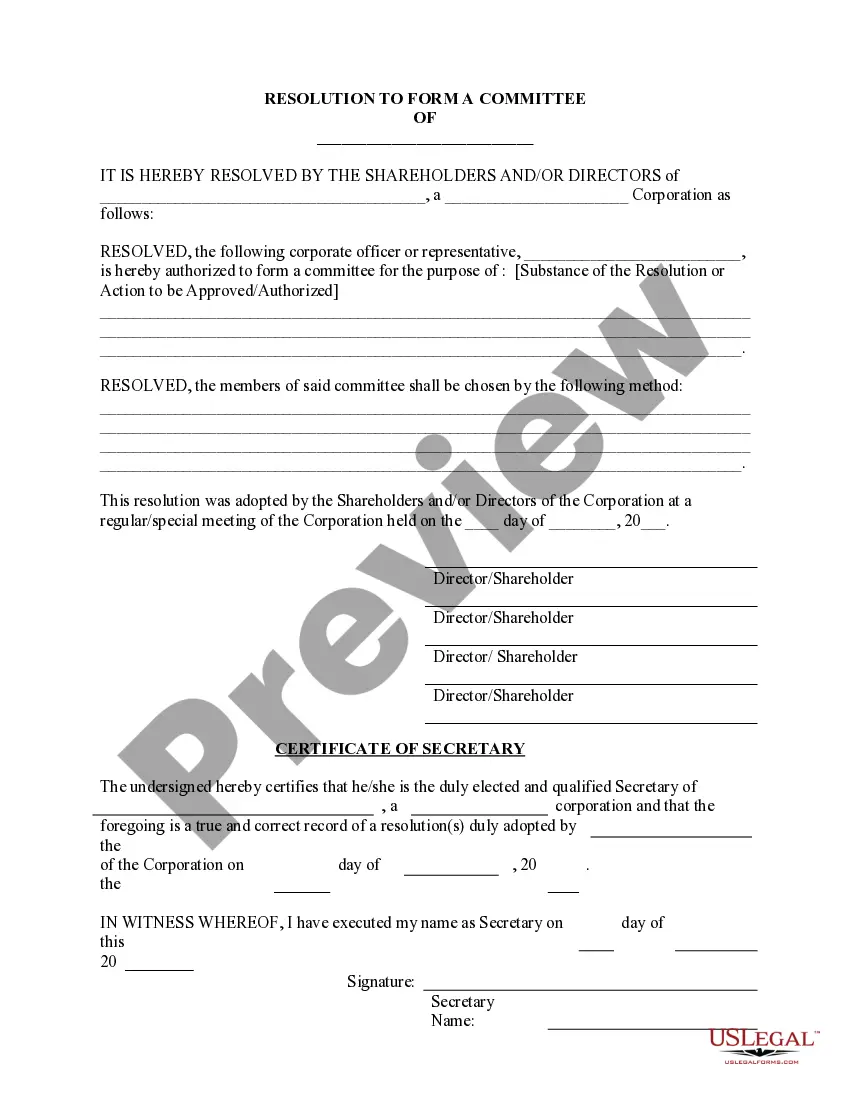
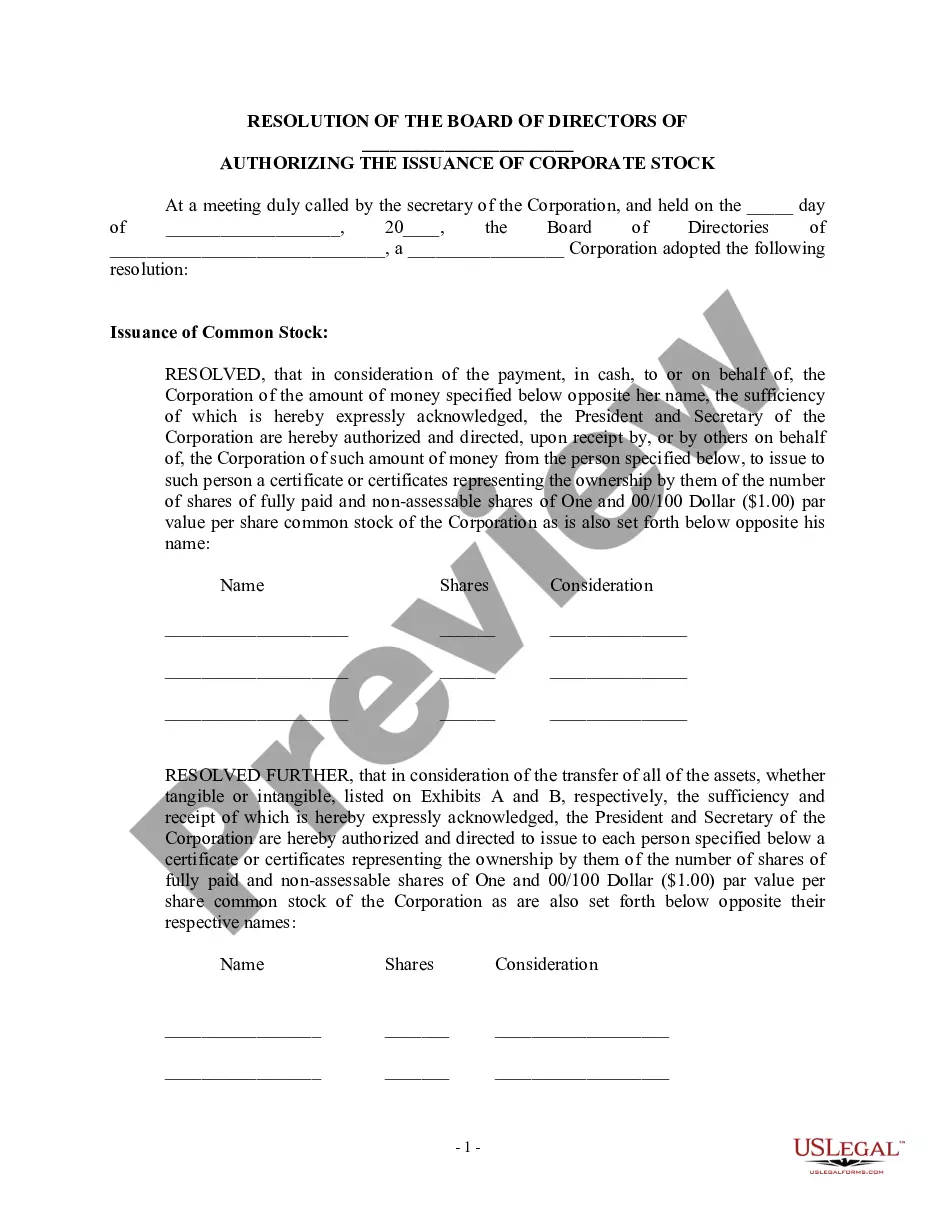
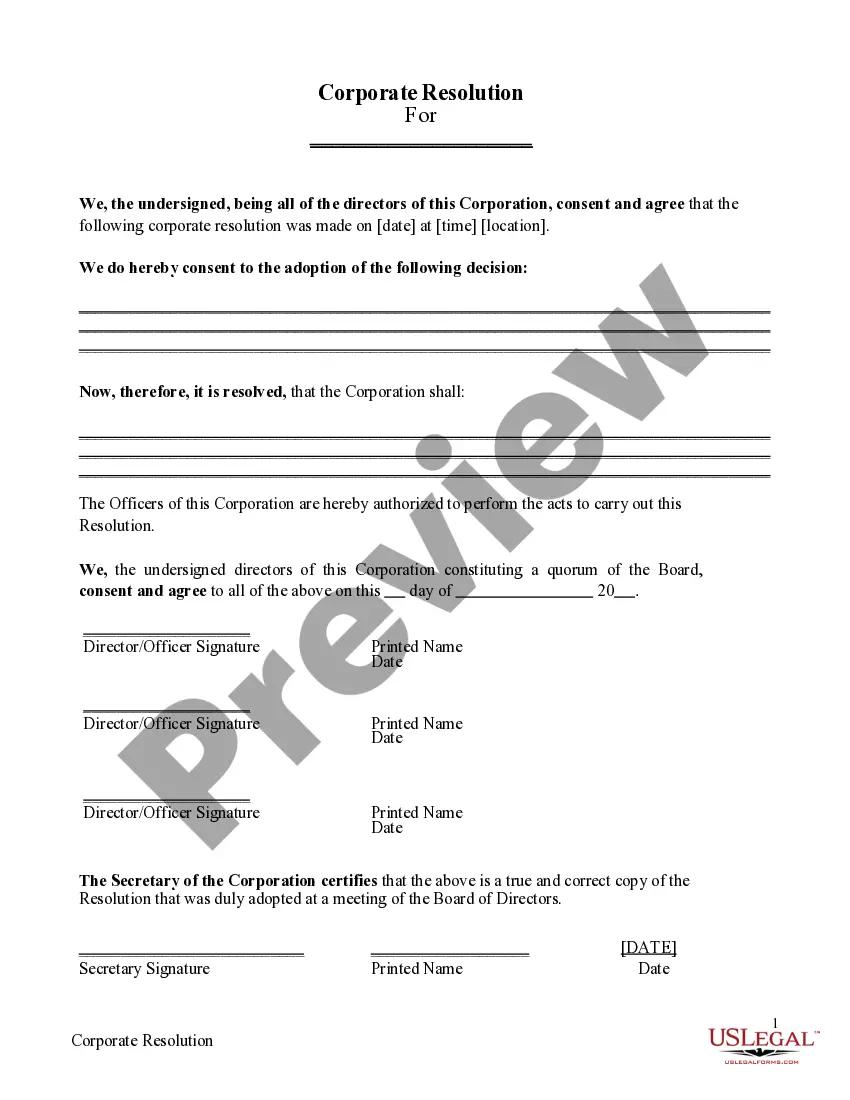
Get your form ready online
Our built-in tools help you complete, sign, share, and store your documents in one place.
Make edits, fill in missing information, and update formatting in US Legal Forms—just like you would in MS Word.
Download a copy, print it, send it by email, or mail it via USPS—whatever works best for your next step.
Sign and collect signatures with our SignNow integration. Send to multiple recipients, set reminders, and more. Go Premium to unlock E-Sign.
If this form requires notarization, complete it online through a secure video call—no need to meet a notary in person or wait for an appointment.
We protect your documents and personal data by following strict security and privacy standards.

Make edits, fill in missing information, and update formatting in US Legal Forms—just like you would in MS Word.

Download a copy, print it, send it by email, or mail it via USPS—whatever works best for your next step.

Sign and collect signatures with our SignNow integration. Send to multiple recipients, set reminders, and more. Go Premium to unlock E-Sign.

If this form requires notarization, complete it online through a secure video call—no need to meet a notary in person or wait for an appointment.

We protect your documents and personal data by following strict security and privacy standards.
Looking for another form?










Form popularity
FAQ
Even though a trust deed may allow decisions by majority vote, all trustees have to sign resolutions. It is not the majority vote but the resolution (signed by the entire complement of trustees) that binds a trust.
Once approved, the chairman of the meeting, may sign the minute to confirm it as a record of the meeting. The purpose of a trustee written resolution is to make and document a decision by the trustees without a meeting of the trustees taking place.
Before the end of each financial year, a trustee must prepare resolutions to distribute trust income. Failure to do so will generally result in default beneficiaries (as defined in the relevant trust deed) becoming entitled to that income or the trustee being assessed for that income.
