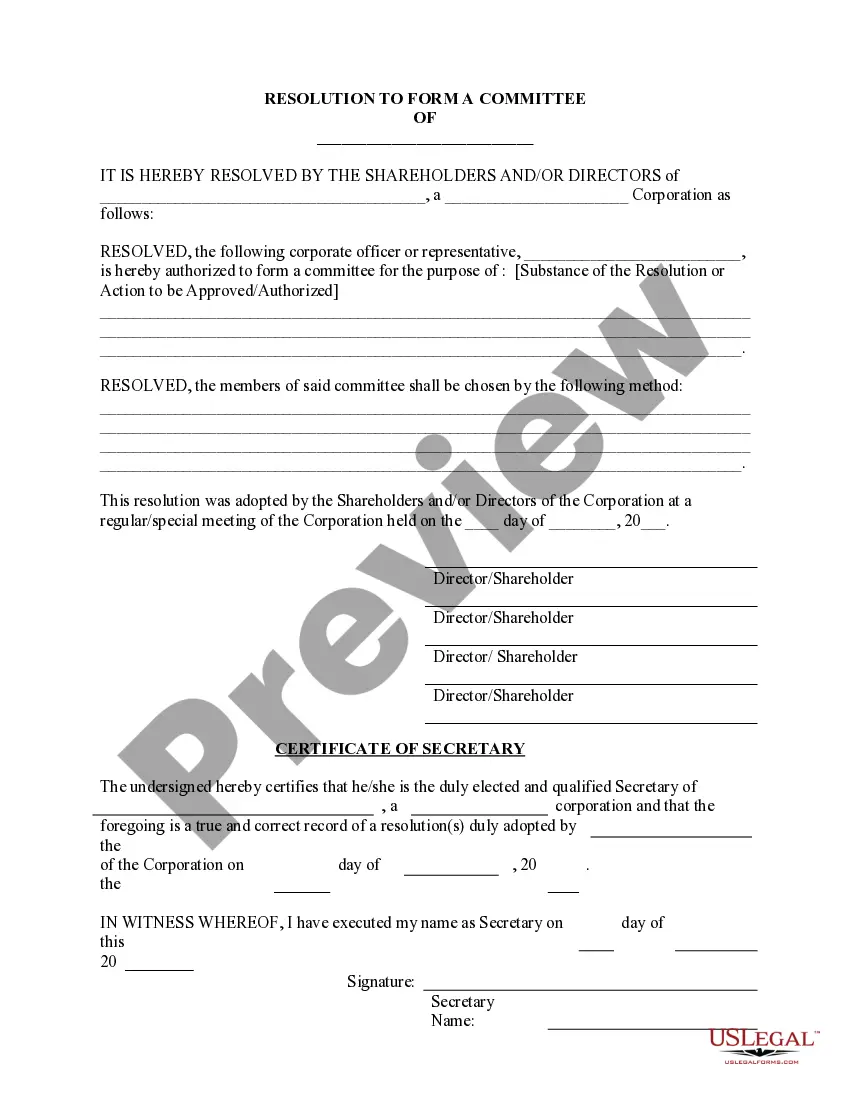
Resolution Format For Partnership Firm In Maricopa
Description



Get your form ready online
Our built-in tools help you complete, sign, share, and store your documents in one place.
Make edits, fill in missing information, and update formatting in US Legal Forms—just like you would in MS Word.
Download a copy, print it, send it by email, or mail it via USPS—whatever works best for your next step.
Sign and collect signatures with our SignNow integration. Send to multiple recipients, set reminders, and more. Go Premium to unlock E-Sign.
If this form requires notarization, complete it online through a secure video call—no need to meet a notary in person or wait for an appointment.
We protect your documents and personal data by following strict security and privacy standards.

Make edits, fill in missing information, and update formatting in US Legal Forms—just like you would in MS Word.

Download a copy, print it, send it by email, or mail it via USPS—whatever works best for your next step.

Sign and collect signatures with our SignNow integration. Send to multiple recipients, set reminders, and more. Go Premium to unlock E-Sign.

If this form requires notarization, complete it online through a secure video call—no need to meet a notary in person or wait for an appointment.

We protect your documents and personal data by following strict security and privacy standards.
Looking for another form?









Form popularity
FAQ
The affidavit of financial information or “AFI” is a document each litigant must complete under oath and file in any Arizona family court case involving requests for child support, spousal maintenance, and/or attorney's fees. A copy of the form used in Maricopa County Superior Court can be found here.
A document that starts a case where the person filing is asking the court to make additional orders to force compliance with an already existing order.
Rule 91 - Superior Courts and Clerks (a)Superior Courts Always Open. The superior courts shall be deemed always open for the purpose of filing any pleading or other proper paper, of issuing and returning mesne and final process, and of making and directing interlocutory motions, orders, and rules.
A document that starts a case in which the person filing is asking the court to punish the other party for violating a court order.
Ing to ARCP Rule 16.1 and Maricopa County Local Rule 3.11, the Court has discretion to direct parties in any civil case to a settlement conference to facilitate settlement.
(1) The Clerk of the Superior Court shall distribute a notice to the attorney(s) of record in the case, or if none, to the parties, advising them that the attorney or party introducing the exhibit may obtain it from the Clerk of the Superior Court within sixty (60) days.
In the Rule 11 process, the Court orders two Mental Health Experts to meet with the defendant, conduct competency evaluations, review records, and render opinions on the legal competency status of the defendant in reports submitted to the Court.
The Superior Court has general jurisdiction, including civil proceedings where the amount involved exceeds $10,000. For all other cases that Superior Court accepts, please visit the Clerk of Superior Court's webpage for Civil Case Filing Options and Arizona Supreme Court.
