Make A Resolution Or Take A Resolution In Dallas
Description



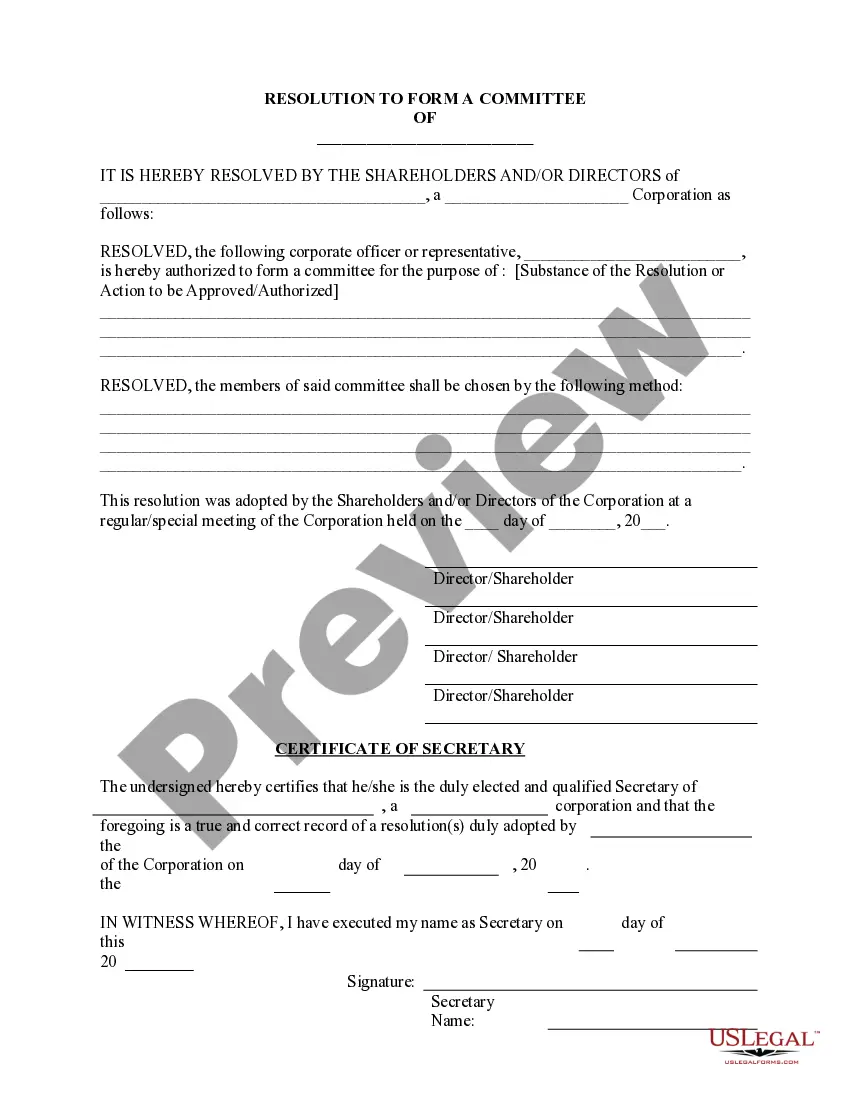
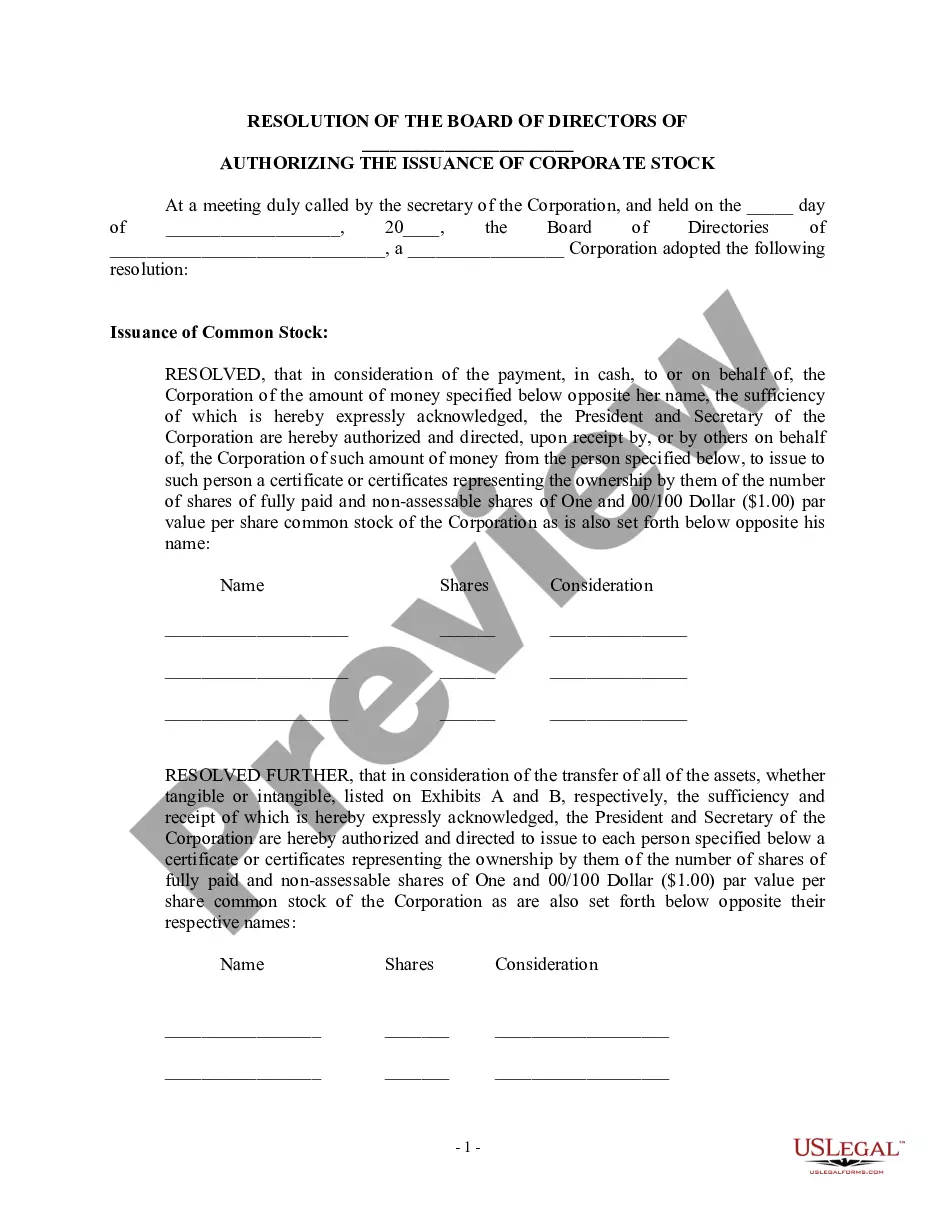
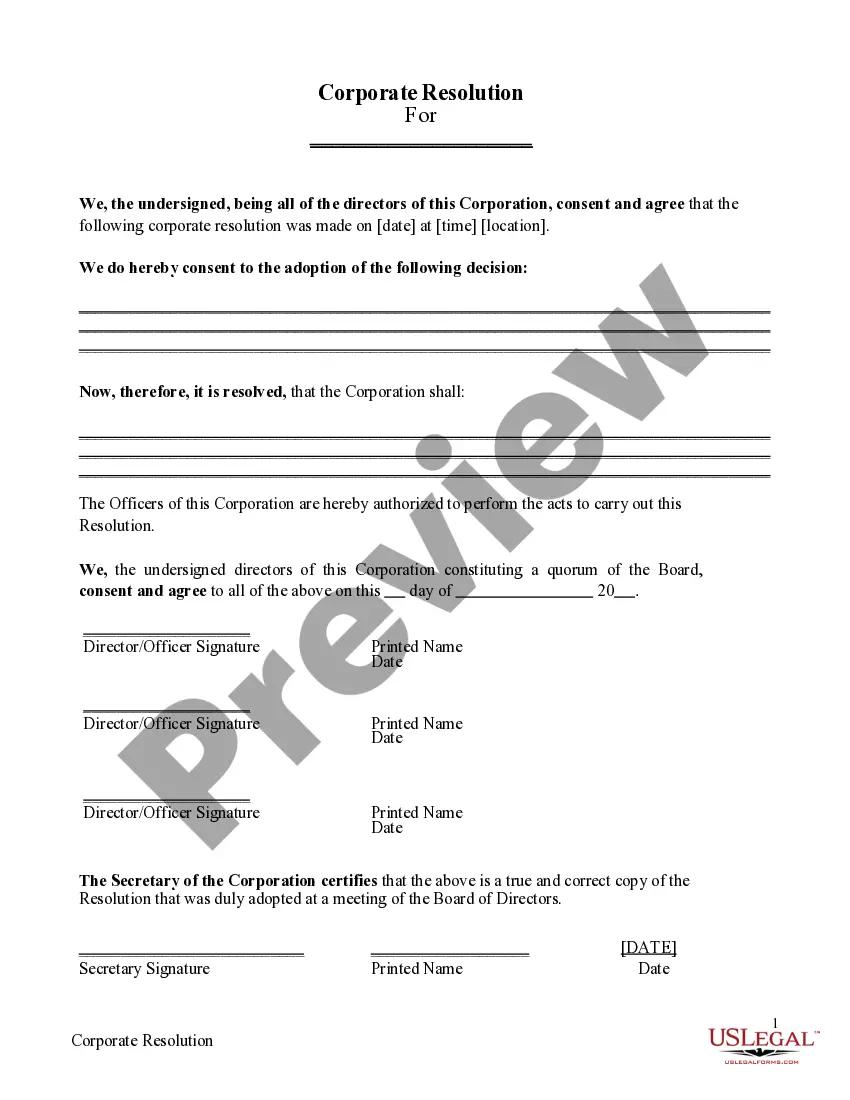
Get your form ready online
Our built-in tools help you complete, sign, share, and store your documents in one place.
Make edits, fill in missing information, and update formatting in US Legal Forms—just like you would in MS Word.
Download a copy, print it, send it by email, or mail it via USPS—whatever works best for your next step.
Sign and collect signatures with our SignNow integration. Send to multiple recipients, set reminders, and more. Go Premium to unlock E-Sign.
If this form requires notarization, complete it online through a secure video call—no need to meet a notary in person or wait for an appointment.
We protect your documents and personal data by following strict security and privacy standards.

Make edits, fill in missing information, and update formatting in US Legal Forms—just like you would in MS Word.

Download a copy, print it, send it by email, or mail it via USPS—whatever works best for your next step.

Sign and collect signatures with our SignNow integration. Send to multiple recipients, set reminders, and more. Go Premium to unlock E-Sign.

If this form requires notarization, complete it online through a secure video call—no need to meet a notary in person or wait for an appointment.

We protect your documents and personal data by following strict security and privacy standards.
Looking for another form?









Form popularity
FAQ
Most parties start ADR three to ten months after the complaint is filed. But, you can start ADR at any time during your case — even before the lawsuit is filed. The sooner you start talking about settlement, the sooner your case can be resolved.
The purpose of the Disputes Resolution Procedure is to provide a fair, structured and consistent approach for the consideration of disputes and should be instigated when all reasonable attempts have been made to resolve the difference, but such attempts have been unsuccessful.
Types of ADR include arbitration, mediation, negotiated rulemaking, neutral factfinding, and minitrials. With the exception of binding arbitration, the goal of ADR is to provide a forum for the parties to work toward a voluntary, consensual agreement, as opposed to having a judge or other authority decide the case.
The Texas Alternative Dispute Resolution Procedures Act states it is the policy of this State to encourage the peaceable resolution of disputes and the early settlement of pending litigation through voluntary settlement procedures.
The Texas Alternative Dispute Resolution Procedures Act states it is the policy of this State to encourage the peaceable resolution of disputes and the early settlement of pending litigation through voluntary settlement procedures.
Alternative dispute resolution (ADR) refers to the different ways people can resolve disputes without a trial. Common ADR processes include mediation, arbitration, and neutral evaluation.
