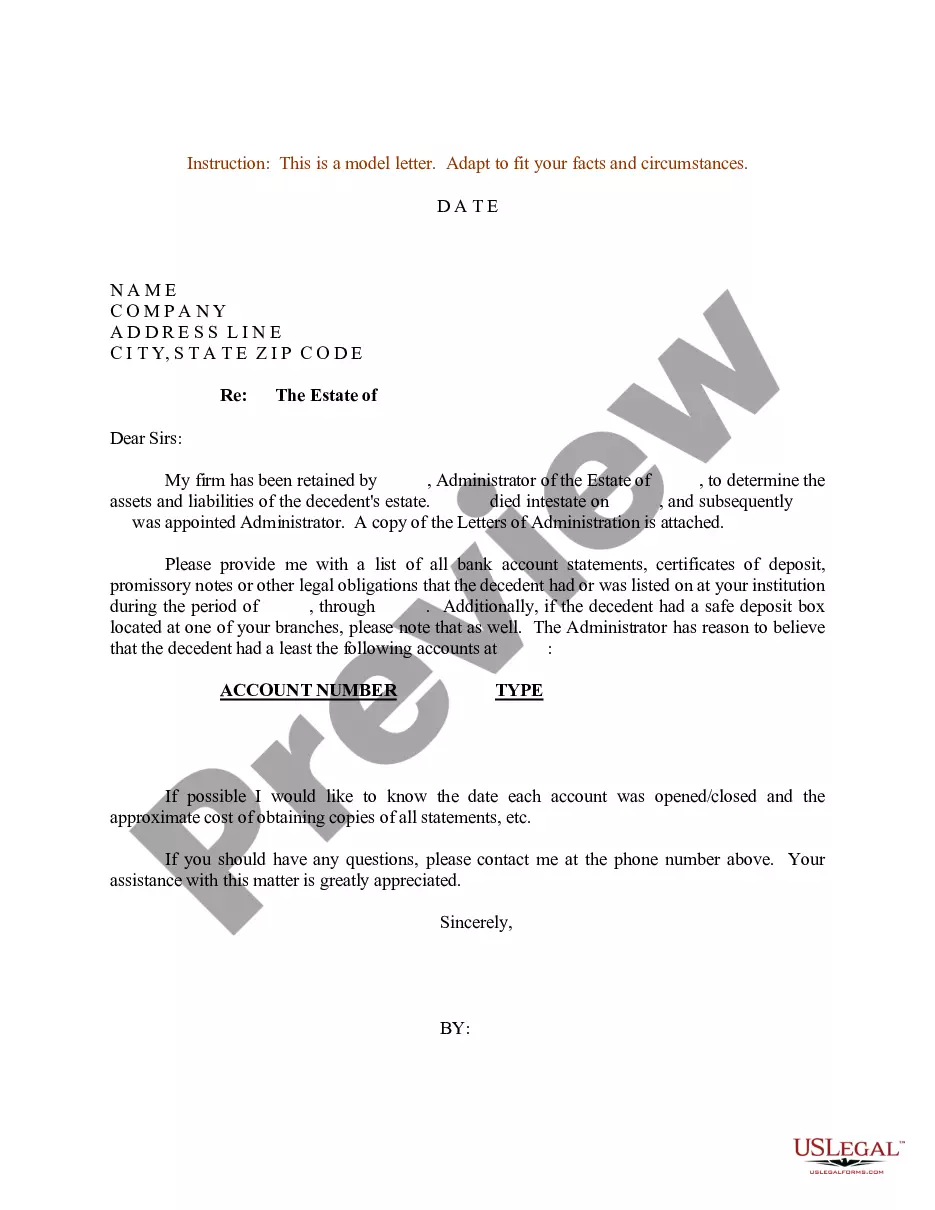
Date Of Death Balance Letter Without Name In Wayne
Description




Get your form ready online
Our built-in tools help you complete, sign, share, and store your documents in one place.
Make edits, fill in missing information, and update formatting in US Legal Forms—just like you would in MS Word.
Download a copy, print it, send it by email, or mail it via USPS—whatever works best for your next step.
Sign and collect signatures with our SignNow integration. Send to multiple recipients, set reminders, and more. Go Premium to unlock E-Sign.
If this form requires notarization, complete it online through a secure video call—no need to meet a notary in person or wait for an appointment.
We protect your documents and personal data by following strict security and privacy standards.

Make edits, fill in missing information, and update formatting in US Legal Forms—just like you would in MS Word.

Download a copy, print it, send it by email, or mail it via USPS—whatever works best for your next step.

Sign and collect signatures with our SignNow integration. Send to multiple recipients, set reminders, and more. Go Premium to unlock E-Sign.

If this form requires notarization, complete it online through a secure video call—no need to meet a notary in person or wait for an appointment.

We protect your documents and personal data by following strict security and privacy standards.
Looking for another form?







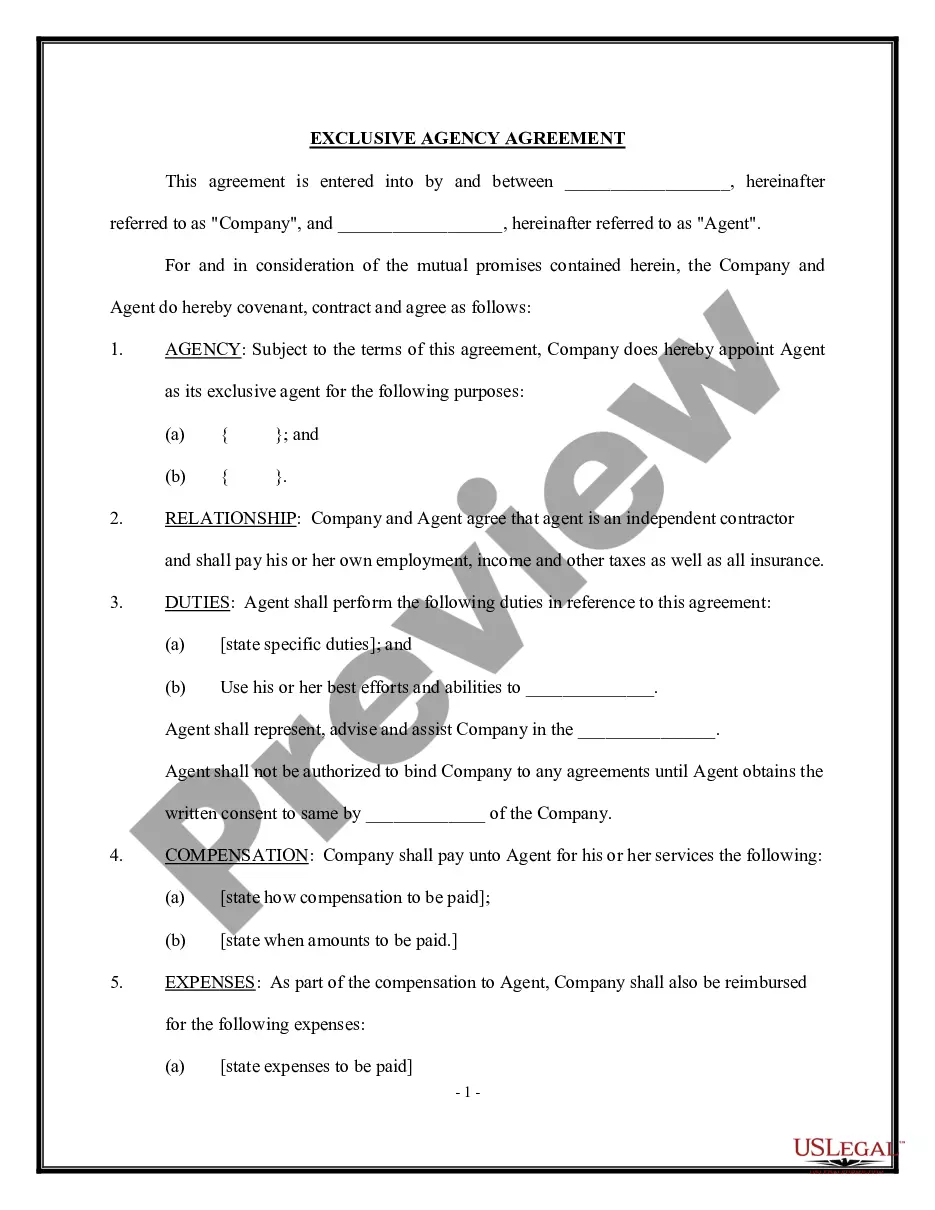

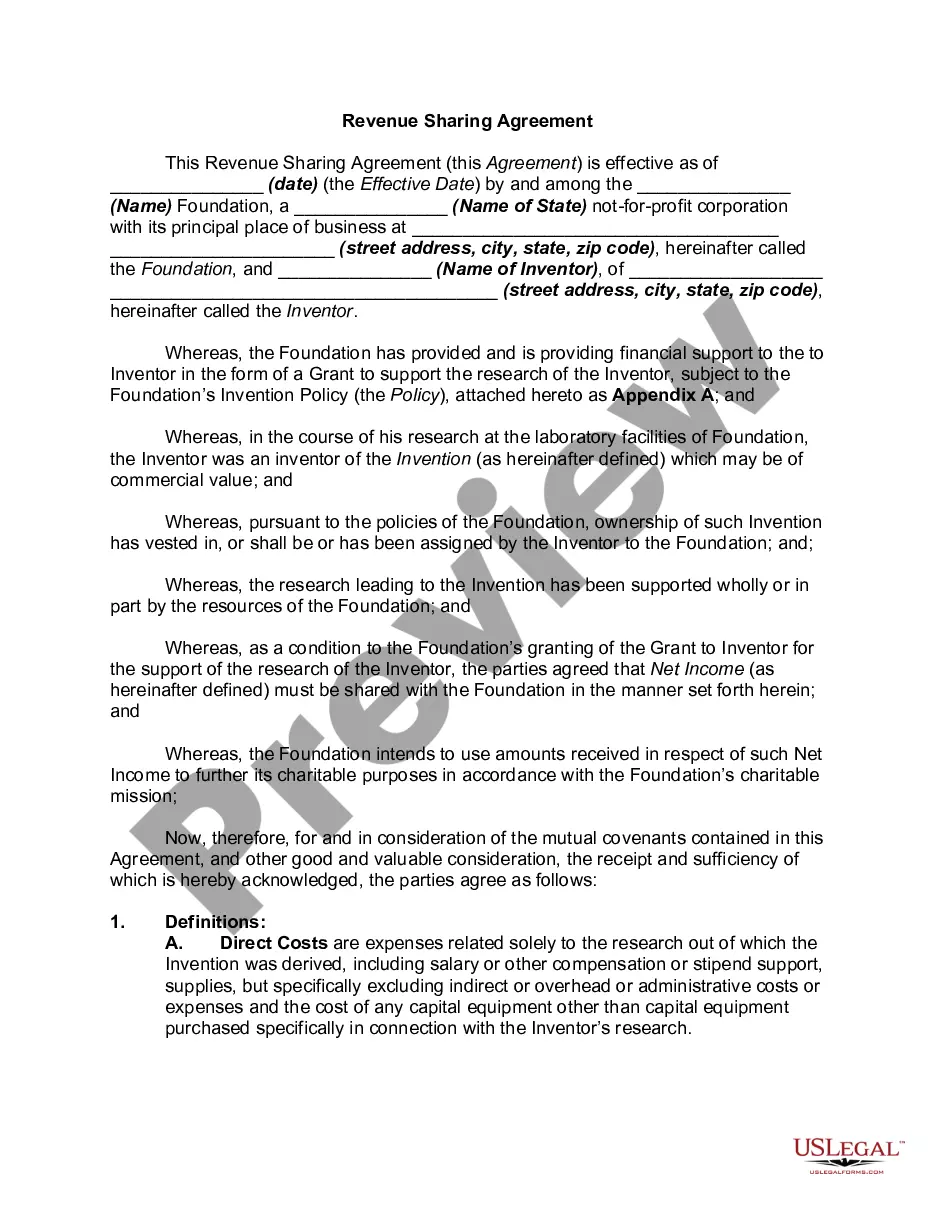
Form popularity
FAQ
To qualify for a small estate affidavit in New York, the total value of the deceased person's estate must be $50,000 or less, excluding real property like land or buildings. If the decedent owned real estate, the small estate procedure isn't an option.
The terms “administrator and “executor” are often used interchangeably, but there's a subtle difference. An administrator can refer to anyone appointed to manage the affairs of a deceased person. An executor is a specific type of administrator named in a person's will to manage their estate after they pass away.
Steps to Become a Personal Representative of an Estate Understand Your Priority for Appointment. Determine the Proper Probate Court. Research the County's Filing Requirements. File the Petition for Administration. Notice of Petition to Administer Estate. File a Bond. Attend the Probate Hearing.
How long does it take to be issued a letter of administration? Assuming all the relevant documents have been filed, on average, it takes 3 to 6 weeks to receive a letter of administration in New York. If someone is contesting your right to administer the estate, this process could take years.
To receive your letters of administration, you'll first file an application to be estate administrator with your local probate court. You'll then attend a court hearing, where a judge will evaluate your application, verify that you're able to serve as administrator, and either approve or deny your request.
Letters of Administration will need to be obtained which requires filing a petition and many other documents with the Court. The petition for Letters of Administration is filed in the Surrogate's Court in the county where the decedent lived.
Getting started with probate in New York New York does not have a deadline for this, as other states do, but it is helpful to take this action as soon as possible to begin the process, especially if you will be going through full probate.
Each state has its own set of laws governing the probate process. For example, in California, probate must be filed within 30 days of discovering the will, while in Texas, executors have up to four years to file.
First, file an application with the probate court to serve as the “personal representative” of the estate. (This is what most people think of as the “executor”). Once your application is approved, you may act for the estate. Usually, the court will give you a “Letters Testamentary.”
In Michigan, a Personal Representative (called an “executor” in other states) is either designated by a will or trust or appointed by the court. The PR is tasked with overseeing a deceased's estate through probate.