Decedent Account Bank Withdrawal In Utah
Description


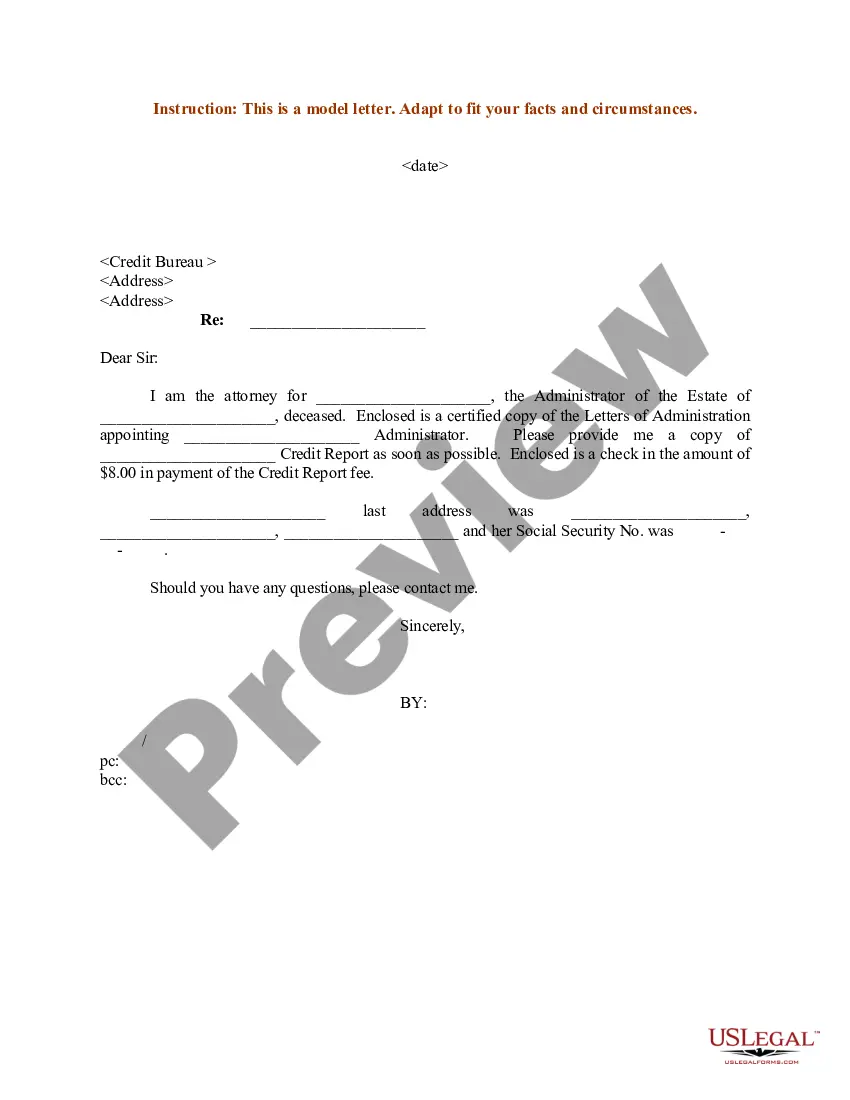

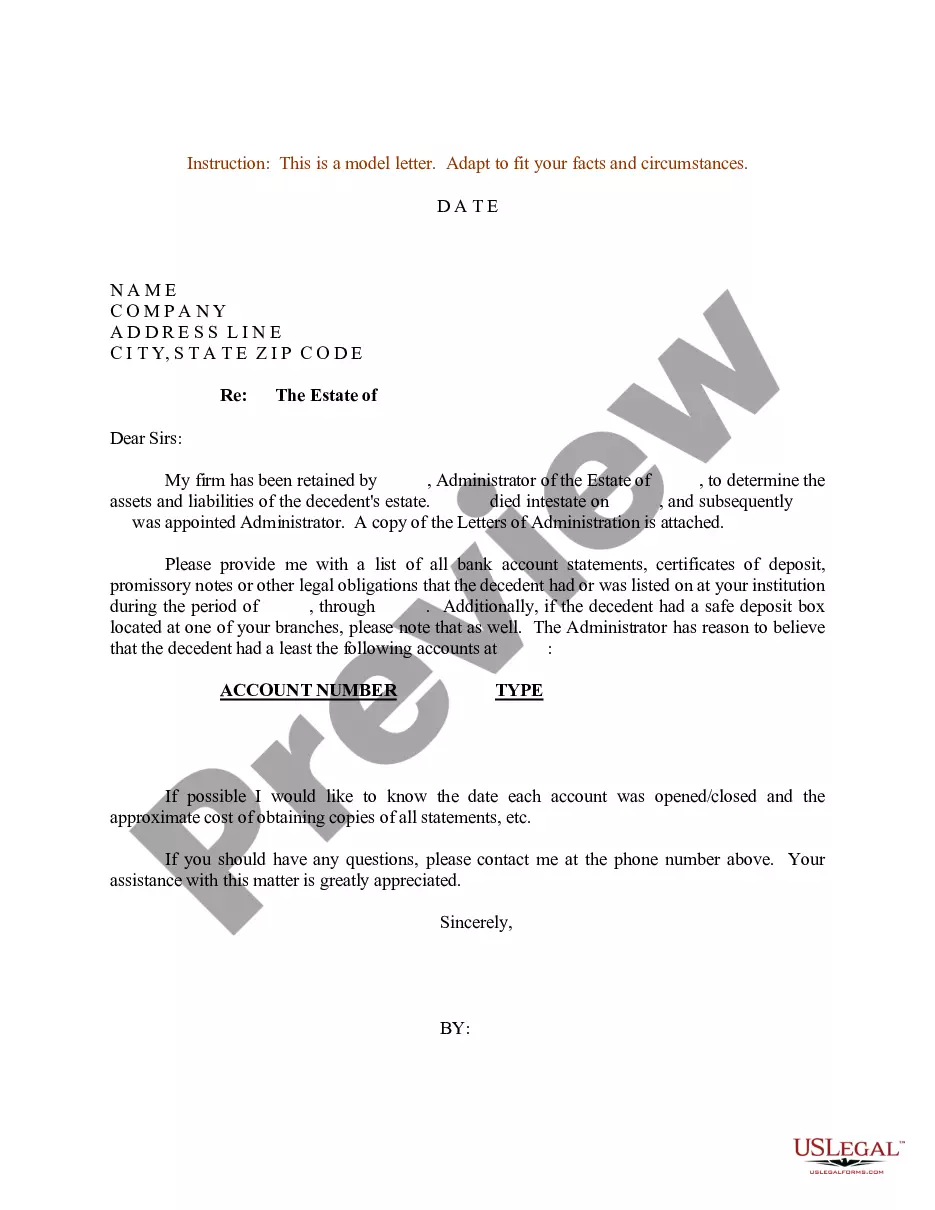
Get your form ready online
Our built-in tools help you complete, sign, share, and store your documents in one place.
Make edits, fill in missing information, and update formatting in US Legal Forms—just like you would in MS Word.
Download a copy, print it, send it by email, or mail it via USPS—whatever works best for your next step.
Sign and collect signatures with our SignNow integration. Send to multiple recipients, set reminders, and more. Go Premium to unlock E-Sign.
If this form requires notarization, complete it online through a secure video call—no need to meet a notary in person or wait for an appointment.
We protect your documents and personal data by following strict security and privacy standards.

Make edits, fill in missing information, and update formatting in US Legal Forms—just like you would in MS Word.

Download a copy, print it, send it by email, or mail it via USPS—whatever works best for your next step.

Sign and collect signatures with our SignNow integration. Send to multiple recipients, set reminders, and more. Go Premium to unlock E-Sign.

If this form requires notarization, complete it online through a secure video call—no need to meet a notary in person or wait for an appointment.

We protect your documents and personal data by following strict security and privacy standards.
Looking for another form?

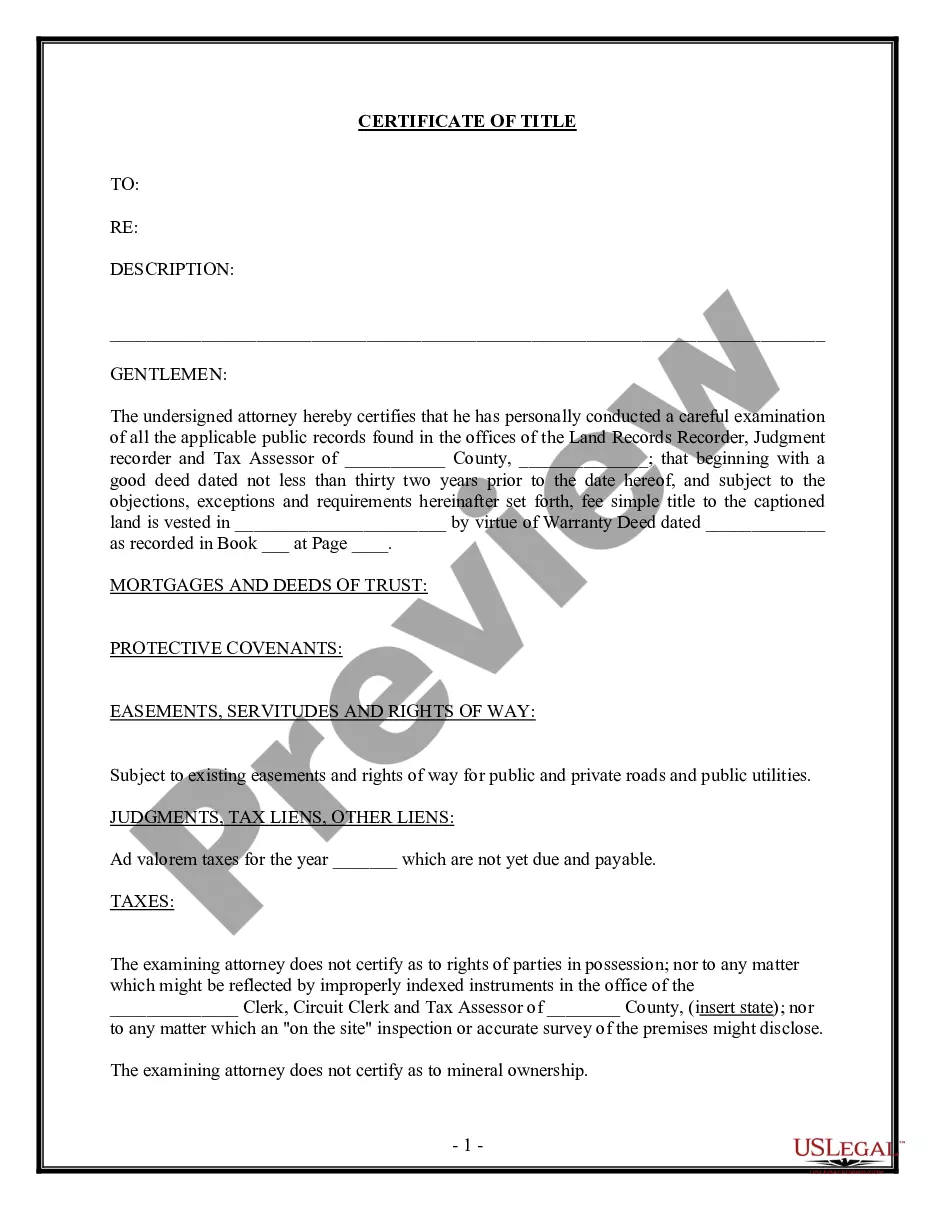

Form popularity
FAQ
If there's a will without a named executor, the court will issue a Letter of Testamentary; if there's no will, the court will issue a Letter of Administration. Present either of these letters to the bank along with the death certificate to close the account.
Who can access and close the deceased's bank account? The executor named in the will can do this, or if no executor has been nominated, the administrator (main beneficiary). They'll contact the bank in question with proof of death to begin the process. The Death Certificate is typically accepted as proof.
Steps to Take When Someone Passes Away in Utah Confirm the Death. Notify Close Family and Friends. Contact a Funeral Home or Cremation Service. Secure the Deceased's Home and Personal Belongings. Obtain the Death Certificate. Notify the Deceased's Employer (if applicable) Organ or Tissue Donation (if applicable)
If there's no will, the bank could ask for evidence of your relationship to the deceased. You'll also need the death certificate. When you've registered the death, you will be issued with a death certificate. This will act as formal notification for the bank to begin closing the account.
After someone dies, a sole-owned bank account may go to a named beneficiary or be handled by the executor of the estate. Joint accounts typically have automatic rights of survivorship, but it's still important to check with your bank to ensure smooth access to funds.
The claimant(s) shall make a claim on the prescribed Claim Form (PNB 46-47) duly filled in & signed by all the legal heirs in original, along with (a) death certificate in original, (b) details of the account, (c) legal representation like Succession Certificate, Letter of Administration, etc issued by Competent ...
Bottom Line. Beneficiaries are named people who take ownership of a financial account after you die. If you die without naming a beneficiary, your bank account will transfer through your will and through probate law, as appropriate.
The claimant(s) shall make a claim on the prescribed Claim Form (PNB 46-47) duly filled in & signed by all the legal heirs in original, along with (a) death certificate in original, (b) details of the account, (c) legal representation like Succession Certificate, Letter of Administration, etc issued by Competent ...
Who can access and close the deceased's bank account? The executor named in the will can do this, or if no executor has been nominated, the administrator (main beneficiary). They'll contact the bank in question with proof of death to begin the process. The Death Certificate is typically accepted as proof.
