Account Estate Bank Foreclosure In Sacramento
Description


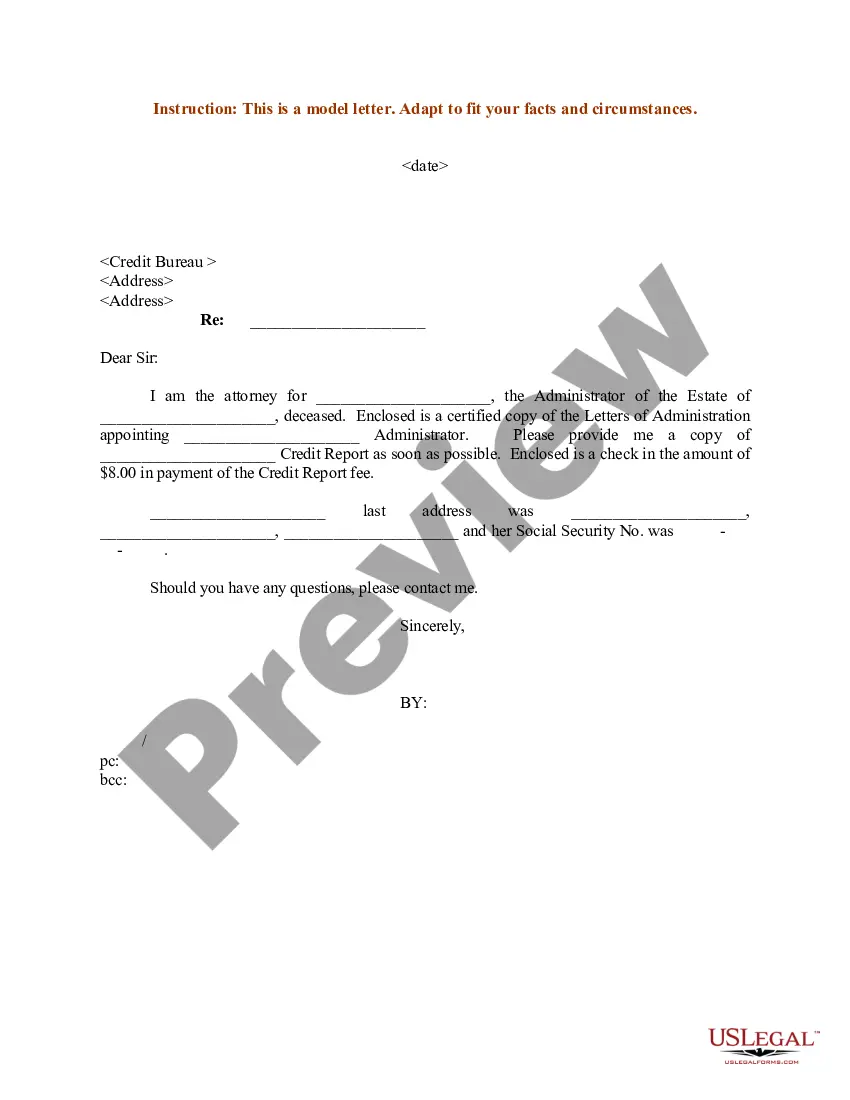

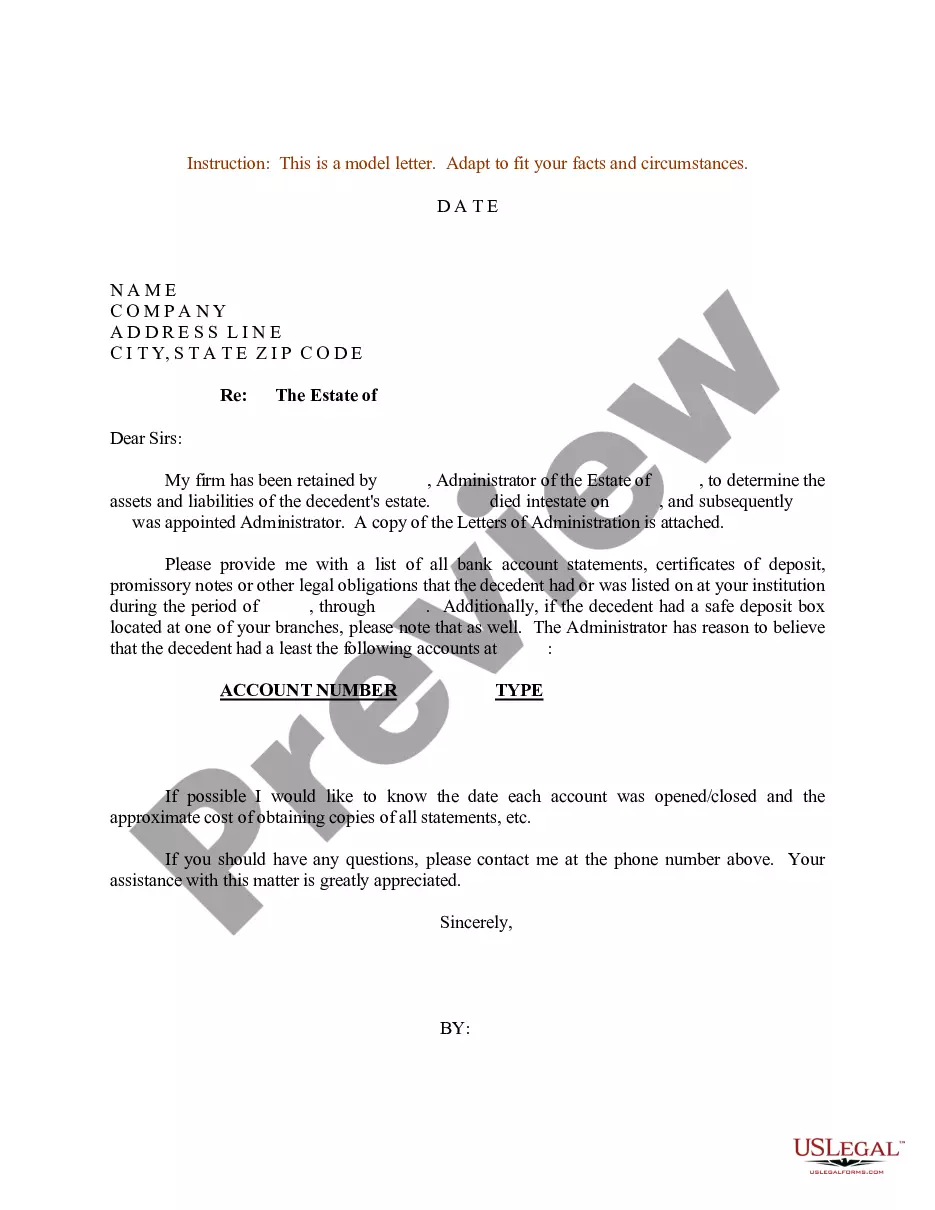
Get your form ready online
Our built-in tools help you complete, sign, share, and store your documents in one place.
Make edits, fill in missing information, and update formatting in US Legal Forms—just like you would in MS Word.
Download a copy, print it, send it by email, or mail it via USPS—whatever works best for your next step.
Sign and collect signatures with our SignNow integration. Send to multiple recipients, set reminders, and more. Go Premium to unlock E-Sign.
If this form requires notarization, complete it online through a secure video call—no need to meet a notary in person or wait for an appointment.
We protect your documents and personal data by following strict security and privacy standards.

Make edits, fill in missing information, and update formatting in US Legal Forms—just like you would in MS Word.

Download a copy, print it, send it by email, or mail it via USPS—whatever works best for your next step.

Sign and collect signatures with our SignNow integration. Send to multiple recipients, set reminders, and more. Go Premium to unlock E-Sign.

If this form requires notarization, complete it online through a secure video call—no need to meet a notary in person or wait for an appointment.

We protect your documents and personal data by following strict security and privacy standards.
Looking for another form?


Form popularity
FAQ
California's new foreclosure laws emphasize homeowners' rights and aim to reduce the stress associated with foreclosure. Some of the most impactful changes include: Enhanced Notification: Lenders must give more straightforward notices with specific timelines, allowing titleholders to understand their options.
Banks almost always negotiate on the bids they receive – they rarely accept them on the first go-around. They'll review the bids and take the highest offers, negotiating with buyers to get the dollar amount they want for the home.
A California probate does not automatically delay foreclosure of California real property. During the California probate timely mortgage payments should be made or you may lose the to be inherited real property to the lender through foreclosure.
When Can a California Foreclosure Start? Under federal law, the servicer usually can't officially begin a foreclosure until you're more than 120 days past due on payments, subject to a few exceptions. (12 C.F.R. § 1024.41 (2024).)
Public records Throughout the foreclosure process, various legal notices must be filed in your County Recorder's Office. This information is public record and available to anyone.
MLS: Most lenders list their REO properties on a Multiple Listing Service (MLS), so any real estate agent can help you identify REO offerings in your area. Bank websites: Some banks and credit unions have an entire department set up to sell REOs, and sections of their websites are dedicated to their listings.
That being said, it is never a good idea to delay the inevitable. California Probate Code section 8001 specifies that the executor has 30 days after the decedent's date of death and after learning they are the nominated executor to petition the court for administration of the estate.
Risk of Estate Taxes and Liens Without probate, the estate may face unresolved tax issues, leading to additional financial liability for the heirs. The estate might also face liens or claims from creditors that could have been resolved through the probate process.
Not all estates need to go through formal probate. Depending on how the property is owned, and the type and amount of property, you may not need to go to court or you may be able to use a simpler court process.
That being said, it is never a good idea to delay the inevitable. California Probate Code section 8001 specifies that the executor has 30 days after the decedent's date of death and after learning they are the nominated executor to petition the court for administration of the estate.
