Sample Letter To Close Trust Account For Deceased Person In Riverside
Description


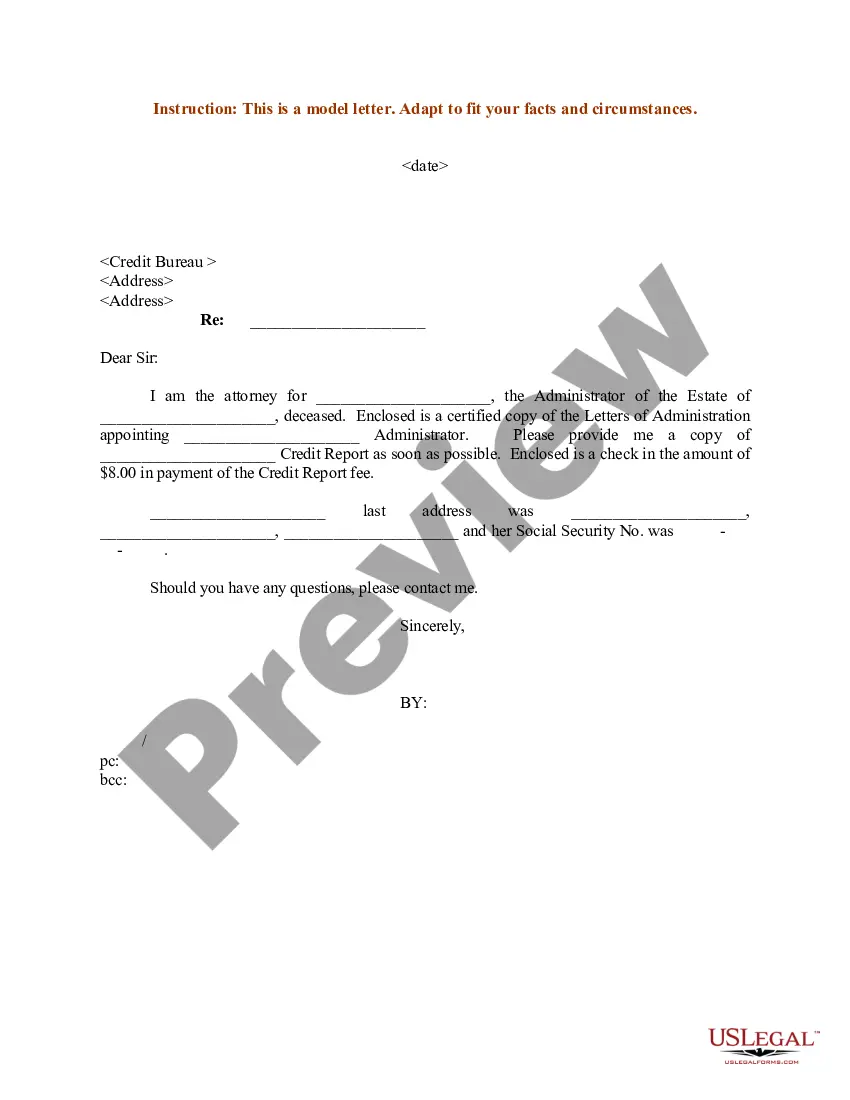

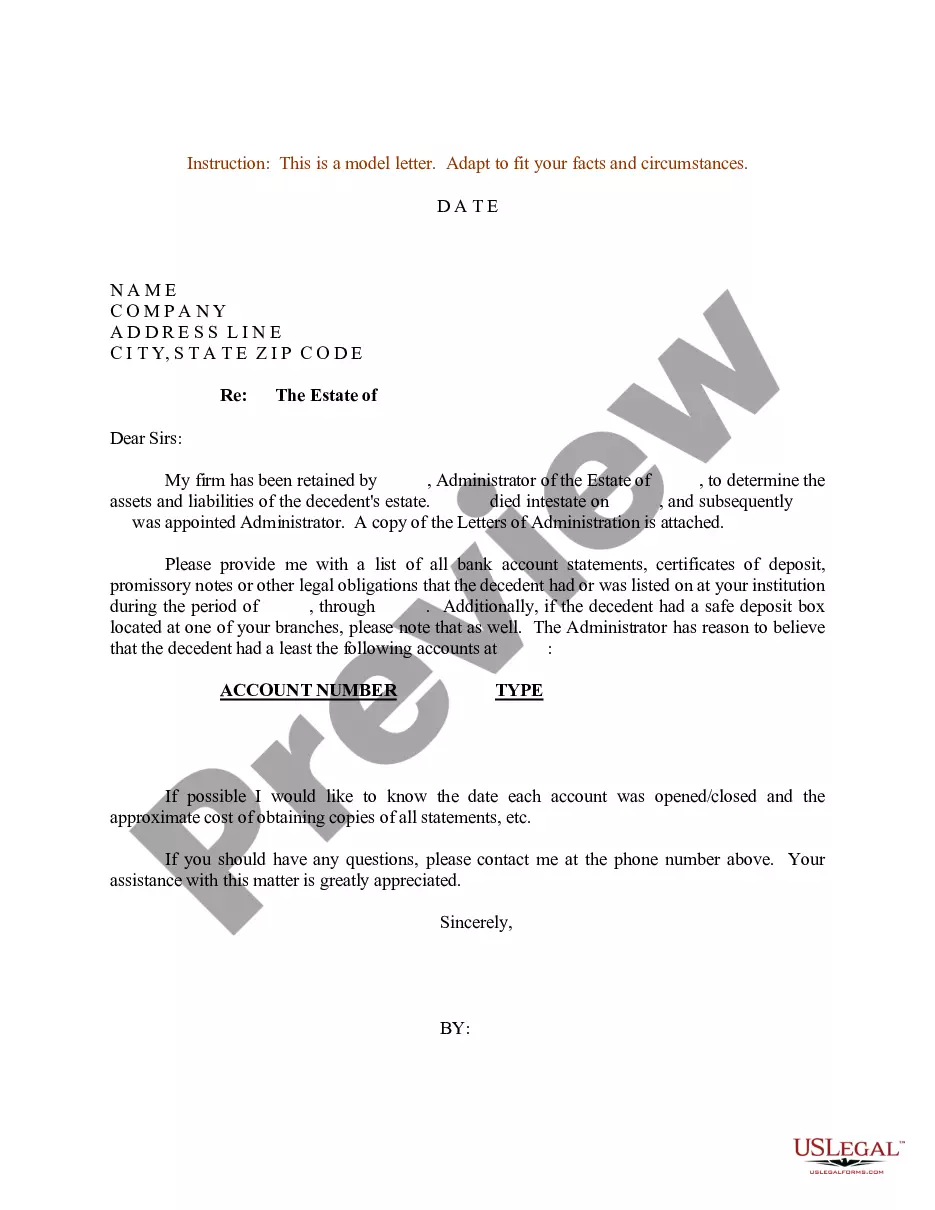
Get your form ready online
Our built-in tools help you complete, sign, share, and store your documents in one place.
Make edits, fill in missing information, and update formatting in US Legal Forms—just like you would in MS Word.
Download a copy, print it, send it by email, or mail it via USPS—whatever works best for your next step.
Sign and collect signatures with our SignNow integration. Send to multiple recipients, set reminders, and more. Go Premium to unlock E-Sign.
If this form requires notarization, complete it online through a secure video call—no need to meet a notary in person or wait for an appointment.
We protect your documents and personal data by following strict security and privacy standards.

Make edits, fill in missing information, and update formatting in US Legal Forms—just like you would in MS Word.

Download a copy, print it, send it by email, or mail it via USPS—whatever works best for your next step.

Sign and collect signatures with our SignNow integration. Send to multiple recipients, set reminders, and more. Go Premium to unlock E-Sign.

If this form requires notarization, complete it online through a secure video call—no need to meet a notary in person or wait for an appointment.

We protect your documents and personal data by following strict security and privacy standards.
Looking for another form?







Form popularity
FAQ
Selecting the wrong trustee is easily the biggest blunder parents can make when setting up a trust fund. As estate planning attorneys, we've seen first-hand how this critical error undermines so many parents' good intentions.
The Trust Becomes Irrevocable One of the most important things that happens when a grantor dies is that a revocable living trust automatically becomes irrevocable. While the grantor was alive, they could make changes to the trust, such as modifying terms or removing assets.
In most trusts, a successor trustee is named to take over the administration of the trust upon the grantor's death. If you are the successor trustee, it is your responsibility to manage and distribute the trust assets ing to the trust agreement and California law.
The trustee is the person (or people) who holds legal title to the property that is in the trust. The trustee's job is to manage the property in the trust for the benefit of the beneficiaries in the way the settlor has asked.
A trust can remain open for up to 21 years after the death of anyone living at the time of the trust's creation, but that is not common procedure. Most trusts are settled when the grantor dies, and the successor trustee distributes the assets as quickly as possible.
Depending on the amounts involved, it's possible to close an account without probate (the legal right to deal with someone's estate when they die). Each financial institution has its own limit and so you need to contact them to see what their process is.
Essentially, a trust only exists for as long as it takes to distribute assets to beneficiaries. Once beneficiaries receive their inheritance, the trust is complete and closed. Distributing the trust and fulfilling its terms is the only solution when determining how to close a trust after death.
I) Photocopy of Death Certificate (original to be produced for verification by the bank). ii) Photographs and KYC documents of all the claimants/ legal heir(s), (Original documents to be produced for verification by the bank.)
To close a bank account after death, you must completely liquidate its funds. If you are a designated beneficiary on an account, the bank will release the funds in the account to you once you present it with a certified copy of the account owner's death certificate and your government-issued ID.
