Decedent Account Bank With Or In Pennsylvania
Description
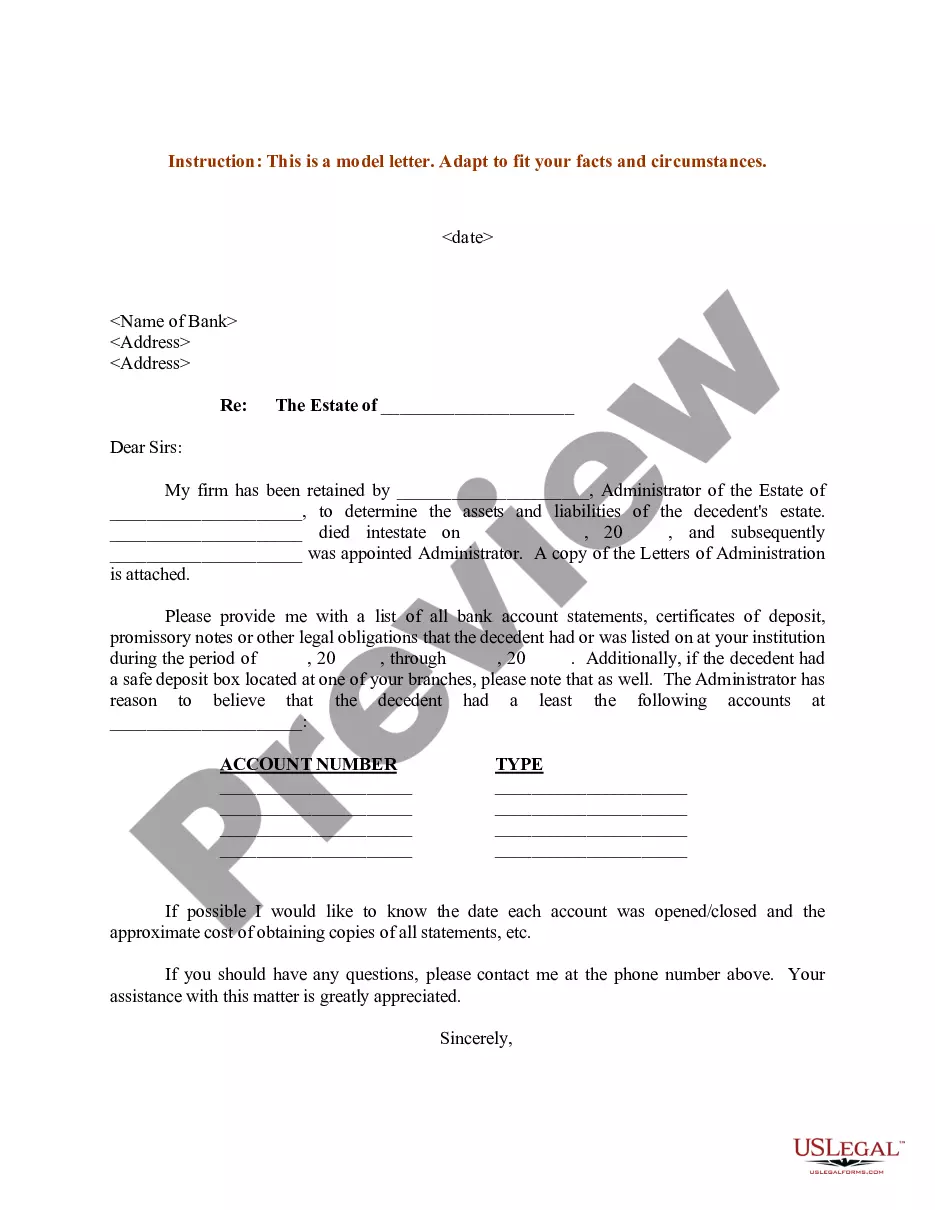

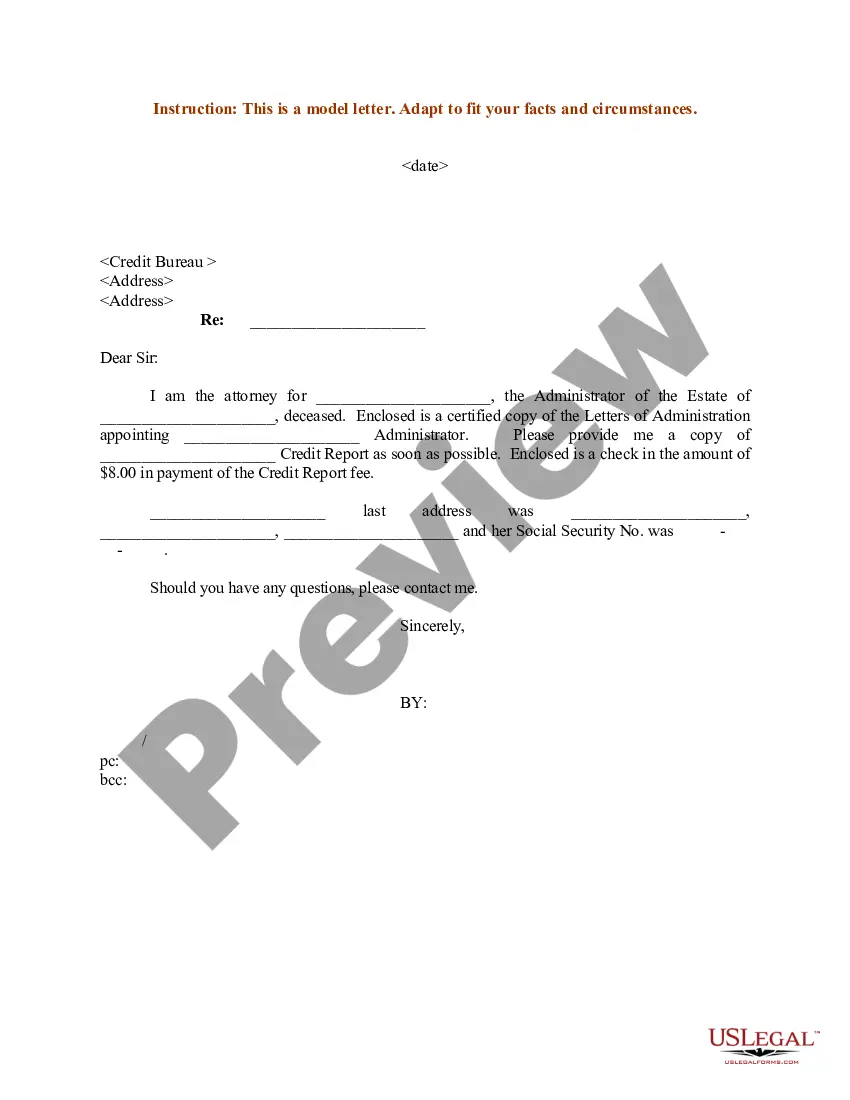
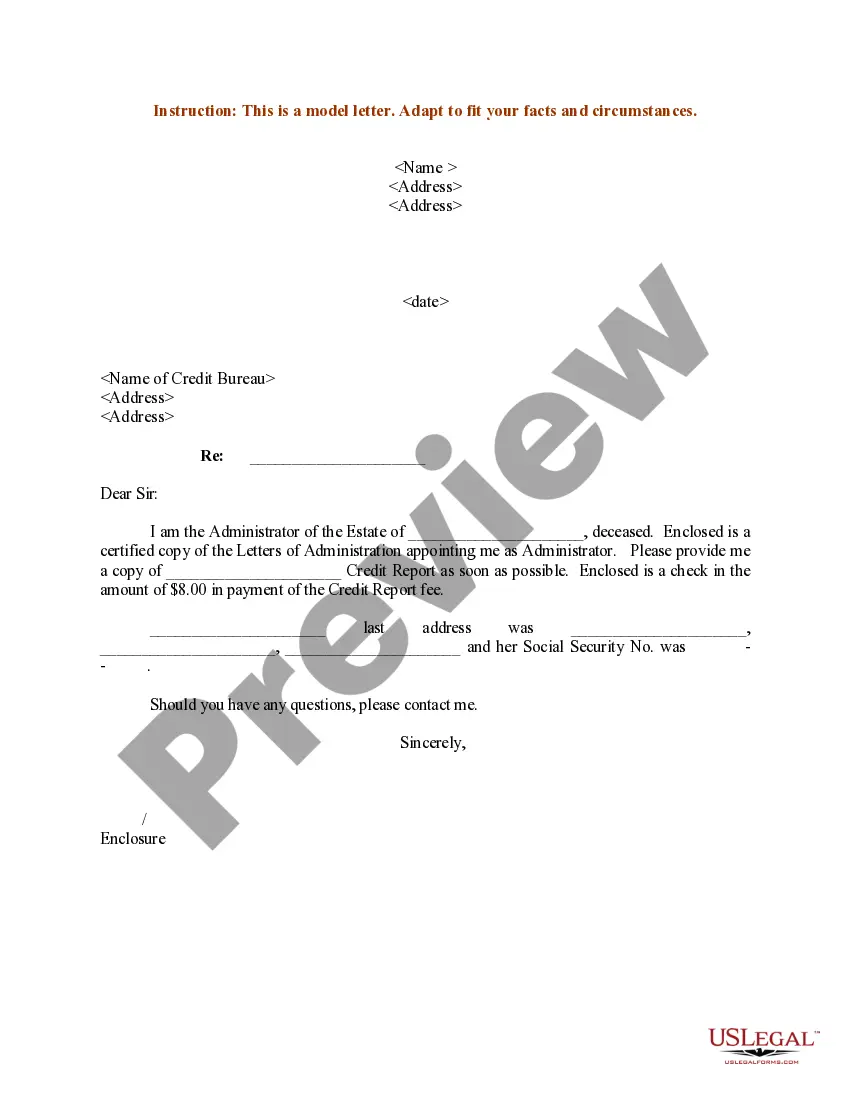
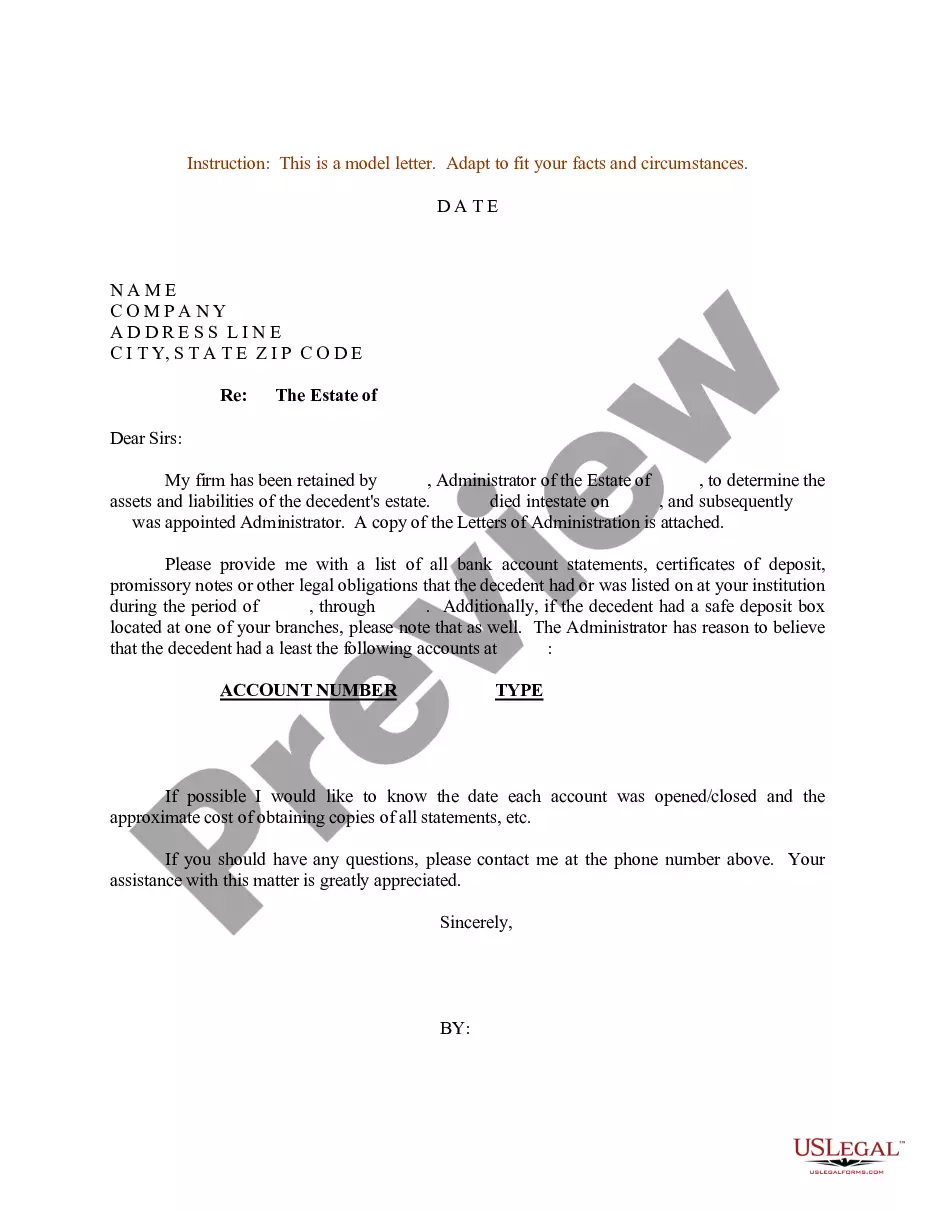
Get your form ready online
Our built-in tools help you complete, sign, share, and store your documents in one place.
Make edits, fill in missing information, and update formatting in US Legal Forms—just like you would in MS Word.
Download a copy, print it, send it by email, or mail it via USPS—whatever works best for your next step.
Sign and collect signatures with our SignNow integration. Send to multiple recipients, set reminders, and more. Go Premium to unlock E-Sign.
If this form requires notarization, complete it online through a secure video call—no need to meet a notary in person or wait for an appointment.
We protect your documents and personal data by following strict security and privacy standards.

Make edits, fill in missing information, and update formatting in US Legal Forms—just like you would in MS Word.

Download a copy, print it, send it by email, or mail it via USPS—whatever works best for your next step.

Sign and collect signatures with our SignNow integration. Send to multiple recipients, set reminders, and more. Go Premium to unlock E-Sign.

If this form requires notarization, complete it online through a secure video call—no need to meet a notary in person or wait for an appointment.

We protect your documents and personal data by following strict security and privacy standards.
Looking for another form?
Form popularity
FAQ
If you are indeed designated as a beneficiary on the account, the bank will release the contents of the account to you. If you are unsure where the decedent banked, you may consider asking the decedent's family members, the executor/administrator of their estate or the trustee of their trust.
Who can access and close the deceased's bank account? The executor named in the will can do this, or if no executor has been nominated, the administrator (main beneficiary). They'll contact the bank in question with proof of death to begin the process. The Death Certificate is typically accepted as proof.
Typically, it's best to open an estate account with the same financial institution the decedent used in the same state where they resided. Since the decedent was already a member of that bank, it can make for a more seamless transition and provide easier access to all their accounts and estate funds.
DOCUMENTS REQUIRED: As a matter of general rule following documents are required in all cases of death claim: i. Death Certificate. ii. Application for Deceased claim(Annexure I) /Estate claim form (Annexure II) duly filled in by the legal heirs/claimants.
Many banks allow their customers to name a beneficiary, which is sometimes called a payable on death (POD) or transferable on death (TOD) account. If the account holder established someone as a beneficiary, the bank releases the funds to the named person once it learns of the account holder's death.
In these cases, simply visit the bank with a valid ID and a certified copy of the death certificate. You will then have access to the account, allowing you to withdraw the funds as needed.
No Beneficiary on Bank Account If there is no beneficiary listed on the bank account, the account typically goes through probate, and the funds will be distributed ing to the deceased's will or state laws if there is no will.
Contact the bank in advance to ensure you arrive with the appropriate documents, but you'll likely need to bring a notarized or certified copy of the death certificate and proof of your identity, such as a driver's license or passport. You'll also need the decedent's legal name and Social Security number.
Along with the petition for grant of letters, the petitioner must generally provide the following documents to open an estate in Pennsylvania: Original will or codicil. Death certificate. Estate information sheet. Bond. Renunciations. Witness affidavits.