Sample Letter To Close Trust Account With Bank In Nevada
Description


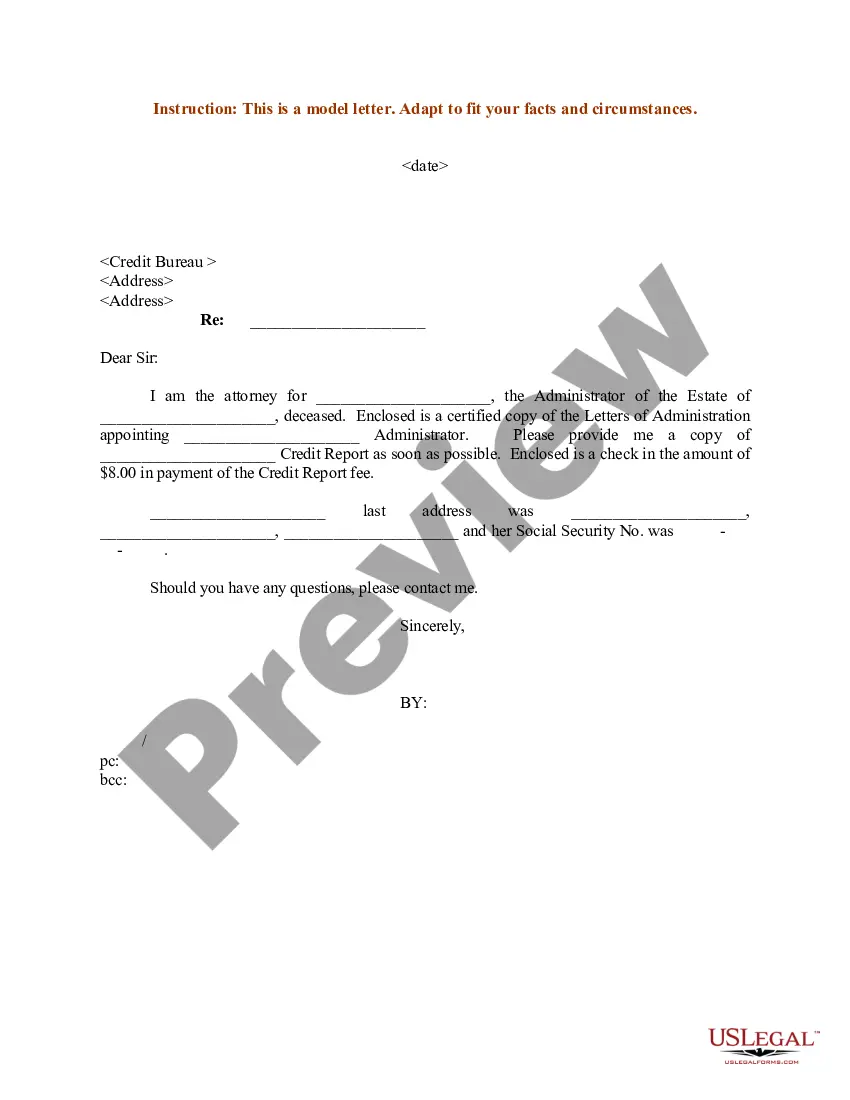

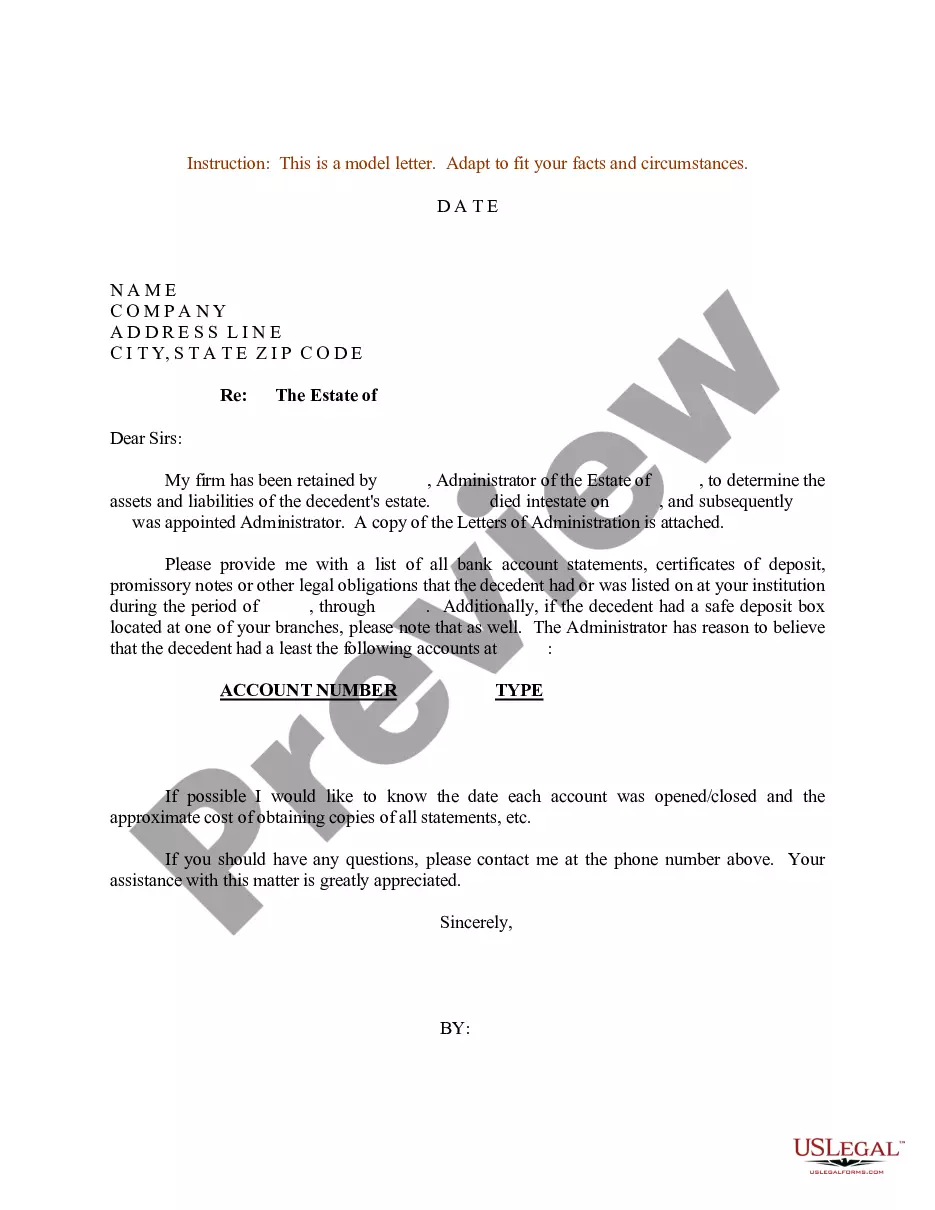
Get your form ready online
Our built-in tools help you complete, sign, share, and store your documents in one place.
Make edits, fill in missing information, and update formatting in US Legal Forms—just like you would in MS Word.
Download a copy, print it, send it by email, or mail it via USPS—whatever works best for your next step.
Sign and collect signatures with our SignNow integration. Send to multiple recipients, set reminders, and more. Go Premium to unlock E-Sign.
If this form requires notarization, complete it online through a secure video call—no need to meet a notary in person or wait for an appointment.
We protect your documents and personal data by following strict security and privacy standards.

Make edits, fill in missing information, and update formatting in US Legal Forms—just like you would in MS Word.

Download a copy, print it, send it by email, or mail it via USPS—whatever works best for your next step.

Sign and collect signatures with our SignNow integration. Send to multiple recipients, set reminders, and more. Go Premium to unlock E-Sign.

If this form requires notarization, complete it online through a secure video call—no need to meet a notary in person or wait for an appointment.

We protect your documents and personal data by following strict security and privacy standards.
Looking for another form?


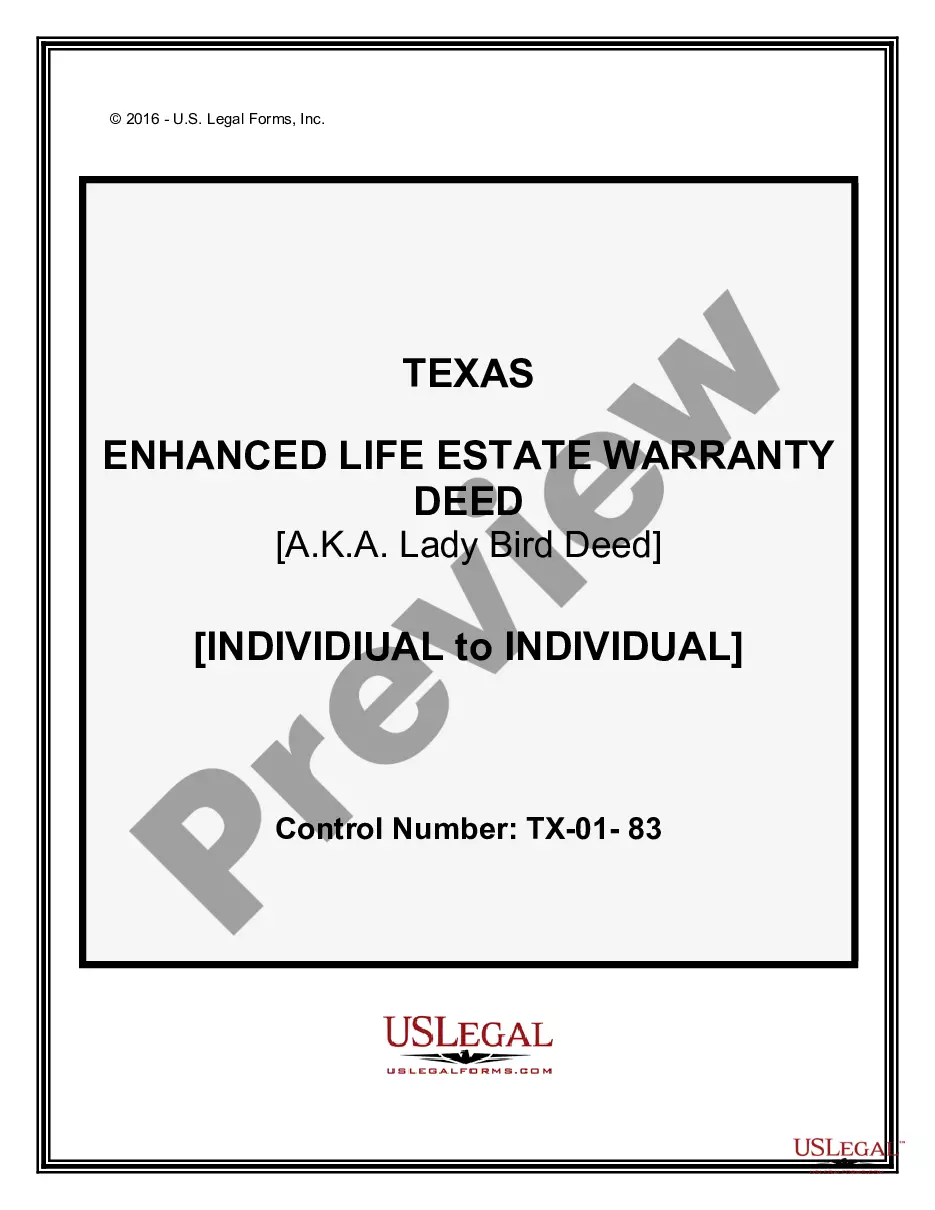






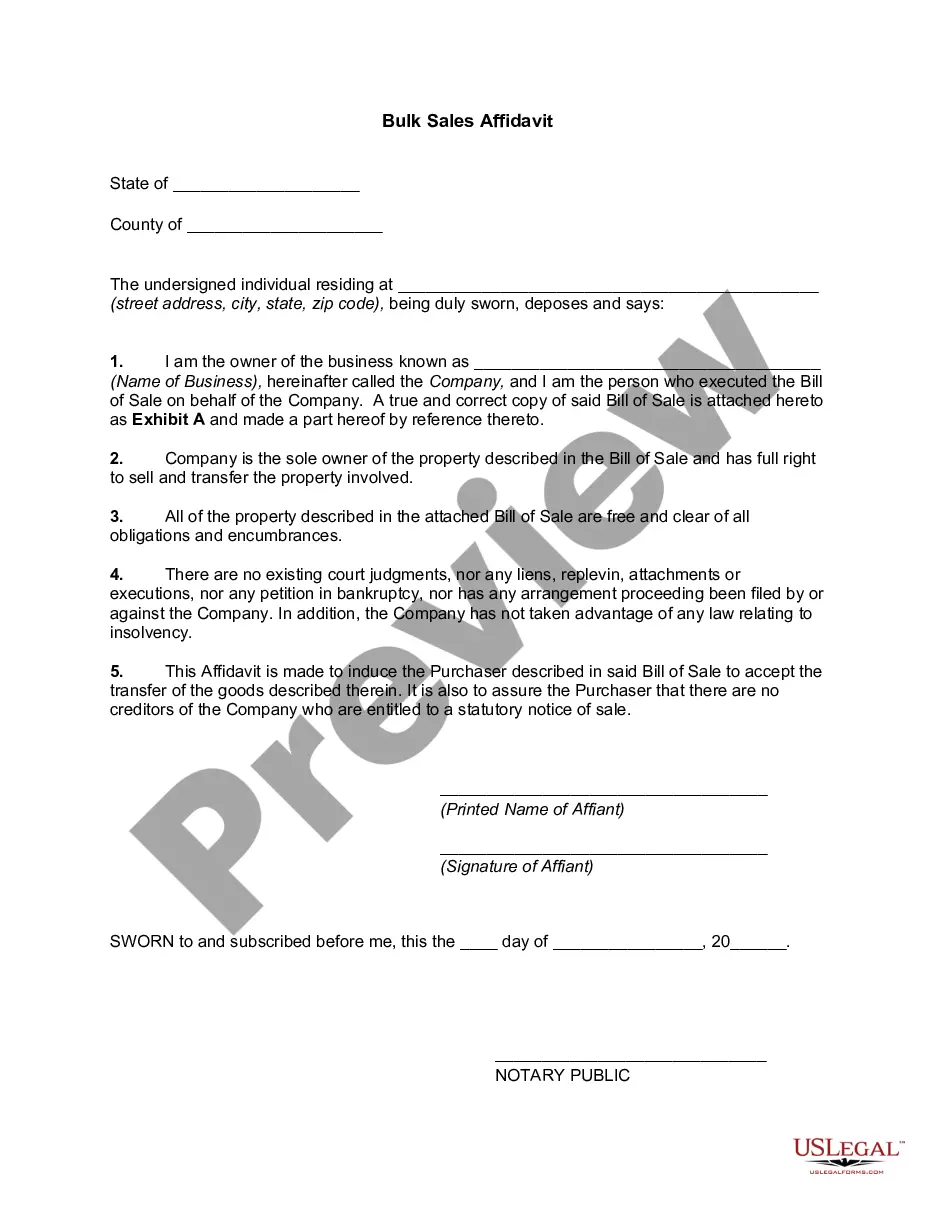
Form popularity
FAQ
The short answer is no. One of the great benefits of a living trust in this era – where is it difficult to keep anything private and out of the public domain – is that a living trust is confidential. It does not need to be recorded, filed, or registered except in certain circumstances discussed below.
Only the trustee can close the trust account. Check the bank's requirements for closing accounts to see what documentation you need to bring with you, usually personal identification and any papers you received when you first set up the trust account.
Bank Accounts Held in Trust After your death, when the person you chose to be your successor trustee takes over, the funds will be transferred to the beneficiary you named in your trust document. No probate will be necessary. To transfer the account to your trust, tell the bank what you want to do.
