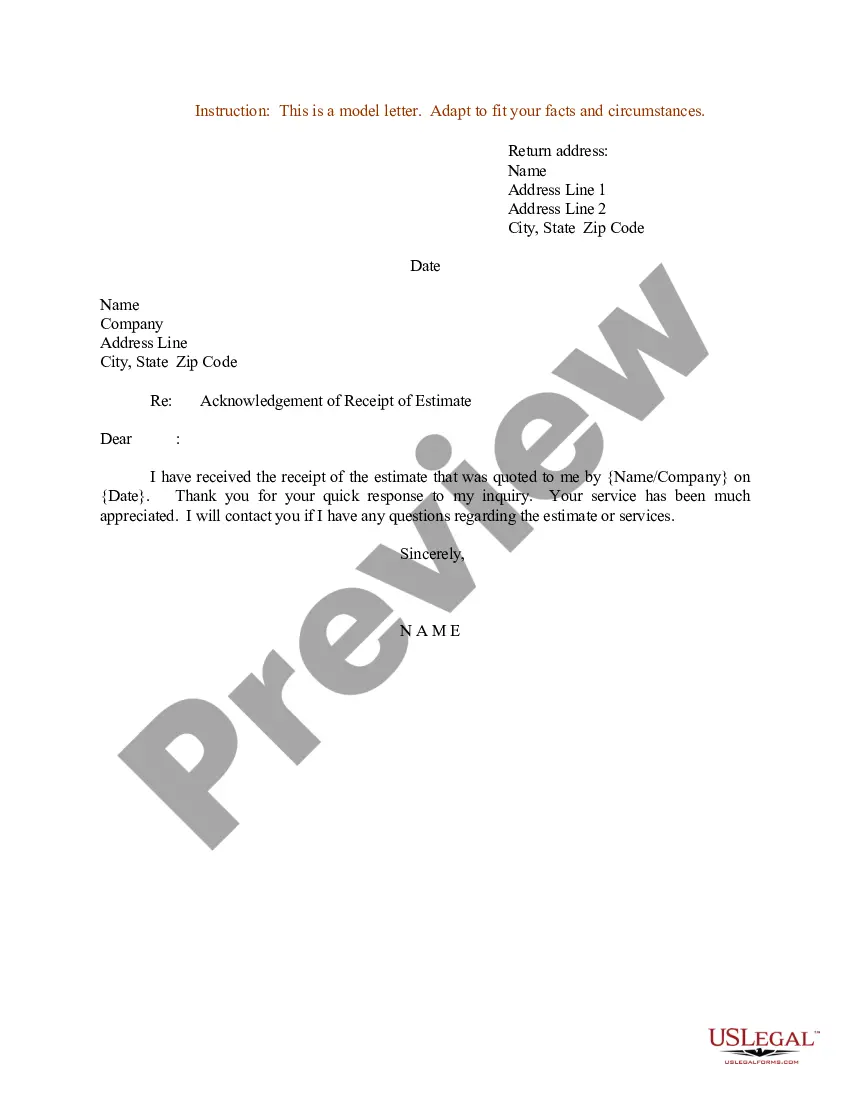
Sample Letter To Close Trust Account For Deceased Person In Miami-Dade
Description




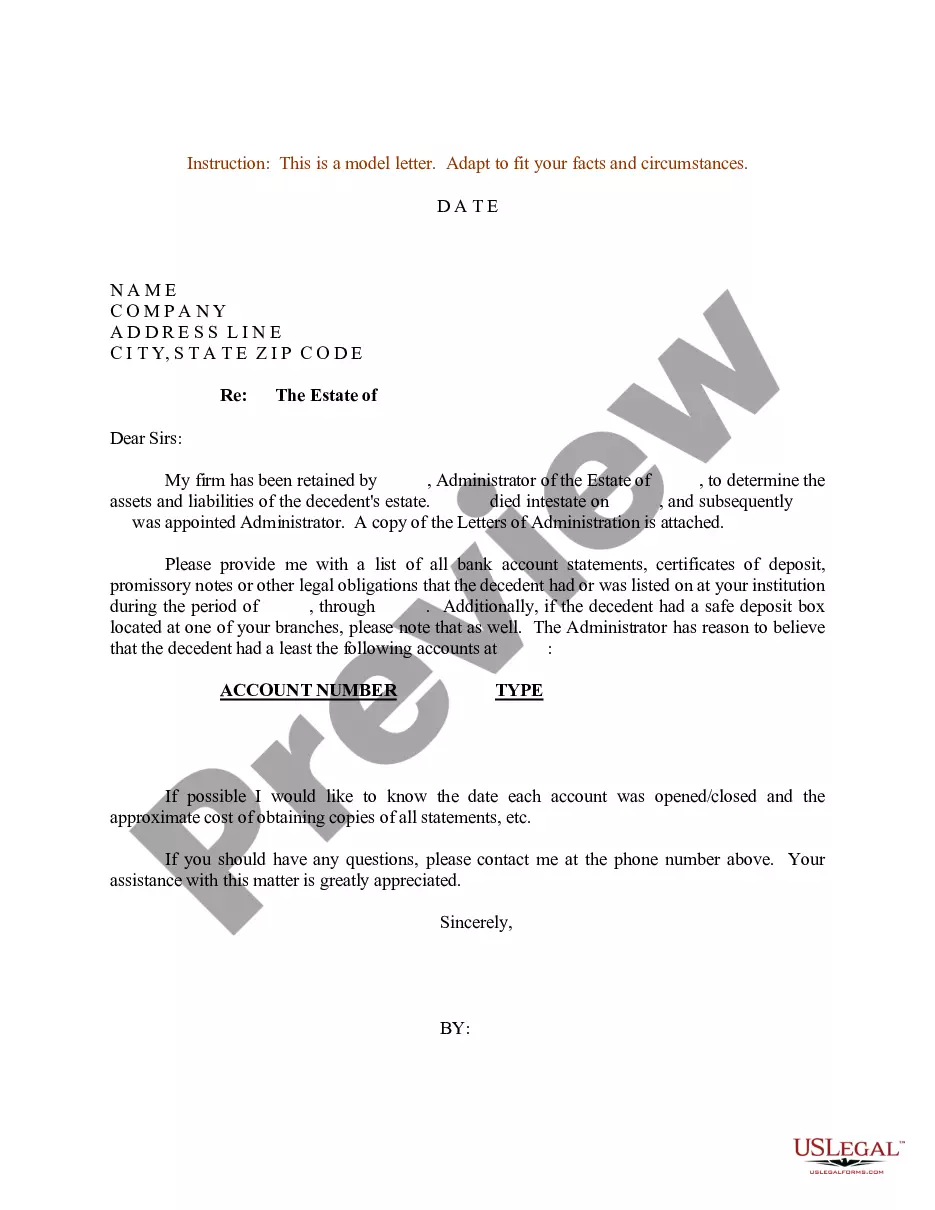
Get your form ready online
Our built-in tools help you complete, sign, share, and store your documents in one place.
Make edits, fill in missing information, and update formatting in US Legal Forms—just like you would in MS Word.
Download a copy, print it, send it by email, or mail it via USPS—whatever works best for your next step.
Sign and collect signatures with our SignNow integration. Send to multiple recipients, set reminders, and more. Go Premium to unlock E-Sign.
If this form requires notarization, complete it online through a secure video call—no need to meet a notary in person or wait for an appointment.
We protect your documents and personal data by following strict security and privacy standards.

Make edits, fill in missing information, and update formatting in US Legal Forms—just like you would in MS Word.

Download a copy, print it, send it by email, or mail it via USPS—whatever works best for your next step.

Sign and collect signatures with our SignNow integration. Send to multiple recipients, set reminders, and more. Go Premium to unlock E-Sign.

If this form requires notarization, complete it online through a secure video call—no need to meet a notary in person or wait for an appointment.

We protect your documents and personal data by following strict security and privacy standards.
Looking for another form?





Form popularity
FAQ
Formal Administration: This main probate process will definitely need an attorney. The process is described in greater detail below. Summary Administration: The family will likely need an attorney due to the complexity. Disposition without Administration: This process is designed to operate without probate.
Florida has a relatively simple procedure for terminating trusts, but this provision only applies to trusts created after January 1, 2001. After the trustmaker's death, an irrevocable trust may be terminated in whole or part upon the unanimous agreement of the trustee and all “qualified beneficiaries”.
Formal administration is required for any estate with non-exempt assets valued at over $75,000 when a decedent died less than two years ago. Formal administration is also required any time that a personal representative is needed to settle the affairs of the decedent.
In Florida, probate must usually be initiated a short time after death. The will, if there is one, must be filed with the court within 10 days of the death. Even though there is no legal penalty for missing this window, it's very important to file promptly to avoid unnecessary delays in the probate process.
Probate in Miami-Dade County usually takes about 9 to 12 months. If things are simple, it might only take 6 months, but complicated cases can last up to 18 months.
Florida has a relatively simple procedure for terminating trusts, but this provision only applies to trusts created after January 1, 2001. After the trustmaker's death, an irrevocable trust may be terminated in whole or part upon the unanimous agreement of the trustee and all “qualified beneficiaries”.
Initiating probate without a will in Florida If your loved one had left a will, you would be required to file it in probate court within 10 days of their death. Without a will, though, there is no deadline as to how soon you need to file for probate in Florida.
A revocable trust avoids probate by effecting the transfer of assets during your lifetime to the trustee. This avoids the need to use the probate process to make the transfer after your death. The trustee has immediate authority to manage the trust assets at your death; appointment by the court is not necessary.
As noted, a trust can remain up and running for 21 years, but it doesn't have to. Many trusts end soon after a person's death. That's because generally if you leave beneficiaries a trust, it contains assets and property meant to go to those beneficiaries.
