Decedent Account Bank For Number In King
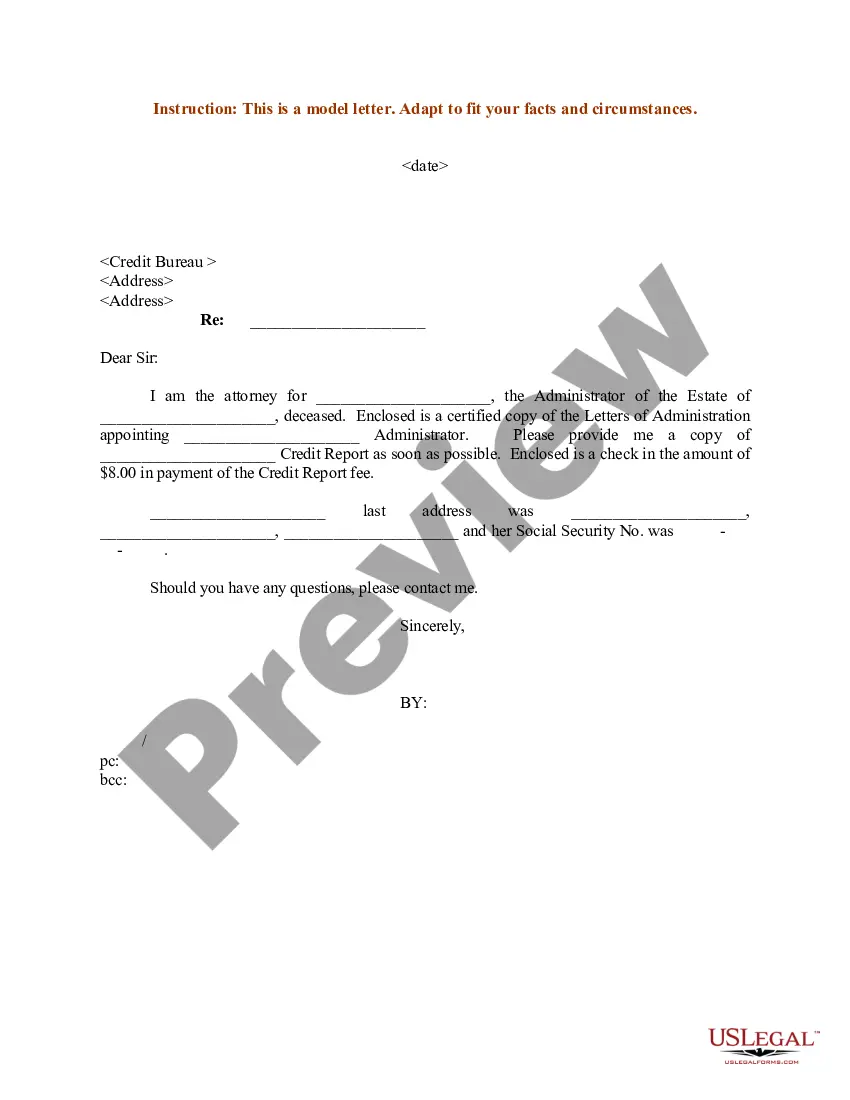
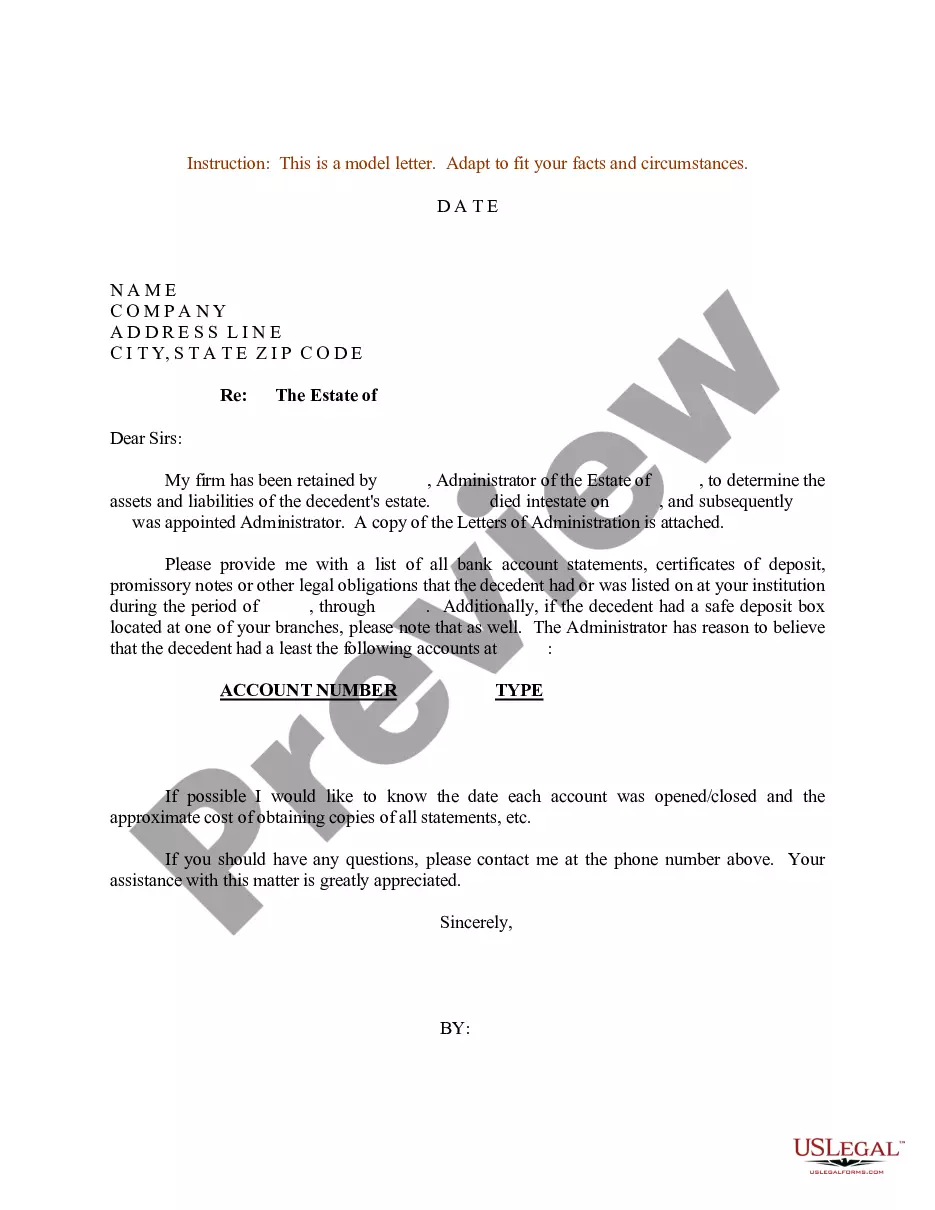
Description



Get your form ready online
Our built-in tools help you complete, sign, share, and store your documents in one place.
Make edits, fill in missing information, and update formatting in US Legal Forms—just like you would in MS Word.
Download a copy, print it, send it by email, or mail it via USPS—whatever works best for your next step.
Sign and collect signatures with our SignNow integration. Send to multiple recipients, set reminders, and more. Go Premium to unlock E-Sign.
If this form requires notarization, complete it online through a secure video call—no need to meet a notary in person or wait for an appointment.
We protect your documents and personal data by following strict security and privacy standards.

Make edits, fill in missing information, and update formatting in US Legal Forms—just like you would in MS Word.

Download a copy, print it, send it by email, or mail it via USPS—whatever works best for your next step.

Sign and collect signatures with our SignNow integration. Send to multiple recipients, set reminders, and more. Go Premium to unlock E-Sign.

If this form requires notarization, complete it online through a secure video call—no need to meet a notary in person or wait for an appointment.

We protect your documents and personal data by following strict security and privacy standards.
Looking for another form?









Form popularity
FAQ
A deceased person's bank account is inaccessible unless you're a joint owner, a beneficiary of the account or the estate executor. Because joint ownership and beneficiaries can make a difference in how your bank account funds are distributed, planning is key.
There are several methods to find hidden bank accounts, such as: Conducting online asset searches. Hiring a private investigator. Making legal requests for financial information. Utilizing state-sponsored websites and resources.
By having the names of any pension companies and banks, you can then use a service such as the Death Notification Service, or you could contact the companies directly to let them know about the death and request details of any pension pots/ bank balances.
If you are indeed designated as a beneficiary on the account, the bank will release the contents of the account to you. If you are unsure where the decedent banked, you may consider asking the decedent's family members, the executor/administrator of their estate or the trustee of their trust.
How to Find the Bank Accounts of a Deceased Person Search Their Home and Mail. Visit Banks in Their Area. Call Their Employer. Search Online Databases. Consult With an Experienced Probate Attorney.
Most regulations governing the usage of numbered bank accounts require that the holder signs a document and undergoes a background check that confirms who they are and a connection to the account. Despite the regulations, numbered bank accounts by their very nature are more private than normal bank accounts.
An estate account will remain open until the funds have been distributed in ance with the distribution and/or probate order.
An estate checking account serves as a temporary account to manage the estate's financial affairs. A personal representative must request an employer identification number (EIN) from the IRS to open a checking account with a financial institution.
