Sample Letter To Close Trust Account For A Minor In Florida
Description




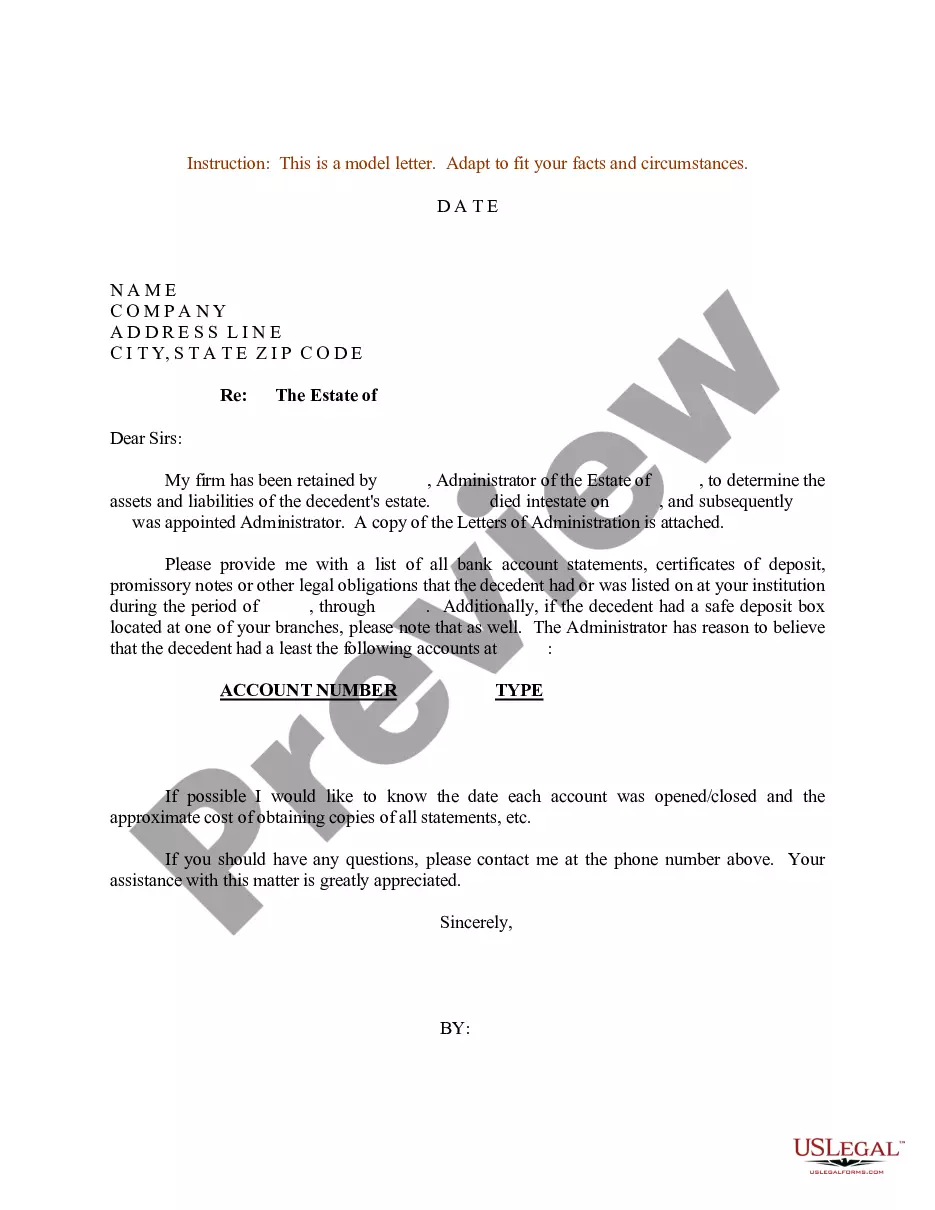
Get your form ready online
Our built-in tools help you complete, sign, share, and store your documents in one place.
Make edits, fill in missing information, and update formatting in US Legal Forms—just like you would in MS Word.
Download a copy, print it, send it by email, or mail it via USPS—whatever works best for your next step.
Sign and collect signatures with our SignNow integration. Send to multiple recipients, set reminders, and more. Go Premium to unlock E-Sign.
If this form requires notarization, complete it online through a secure video call—no need to meet a notary in person or wait for an appointment.
We protect your documents and personal data by following strict security and privacy standards.

Make edits, fill in missing information, and update formatting in US Legal Forms—just like you would in MS Word.

Download a copy, print it, send it by email, or mail it via USPS—whatever works best for your next step.

Sign and collect signatures with our SignNow integration. Send to multiple recipients, set reminders, and more. Go Premium to unlock E-Sign.

If this form requires notarization, complete it online through a secure video call—no need to meet a notary in person or wait for an appointment.

We protect your documents and personal data by following strict security and privacy standards.
Looking for another form?




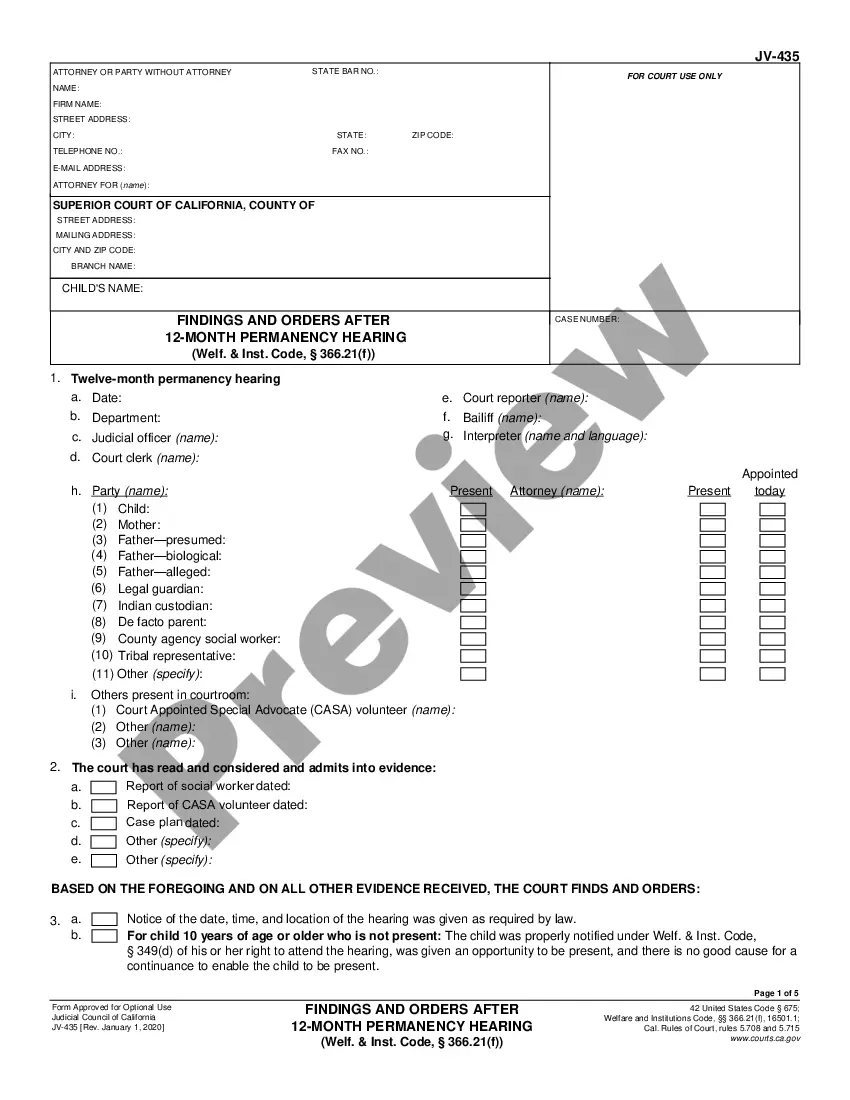




Form popularity
FAQ
Terminating a Florida Living Trust after Administration – 4 Important Steps Review the Trust Documents to ensure all provisions have been complied with and satisfied. Prepare and File the Final Tax Return, if applicable. Notify all known Creditors. Notify Beneficiaries that the Trust is being Terminated.
To terminate an active trust, a party with standing must petition the court and provide evidence that persuades a judge to issue an order dissolving the trust or all beneficiaries of the trust must agree to its termination.
As a trust beneficiary, your distribution request should contain five key components when submitting the request for consideration: Legal Name of the Trust(s) ... Amount Being Requested. Reason for Request/General Background Information. Instructions on Where/How to Send Funds. Timeline of Distribution.
Here are some things to consider when drafting a letter to your executor or trustee. Your thoughts about wealth. Share your story about how you came to the assets that you are leaving in your will. How was your wealth created, what do you value and what are your long-term goals for your wealth?
There are four main approaches: Vesting. The easiest way to dissolve a trust is to have a vesting date. Revoked. A trust may contain a provision which allows for the trustee or settlor to revoke the deed. Consent. In some instances, a trust can be dissolved upon the consent of the beneficiaries. Court Termination.
Seeking Legal Counsel The trustee should have a trust lawyer to guide them through how to dissolve a trust after the grantor's death. Your trust lawyer can help to identify any dissolving trust tax implications. A trust lawyer can help you understand can a trustee revoke a revocable trust.
Under Florida law, many irrevocable trusts can be terminated with or without court approval. An irrevocable trust can be terminated without court approval, known as a "non-judicial" termination, when the trustee and all qualified beneficiaries agree to terminate the trust.
A trust revocation form will typically include the names of the parties involved, the date of the agreement, the details of the trust arrangement, and a statement that the trustor is revoking the agreement. The form must be signed by the trustor.
Terminating an irrevocable trust is an involved, formal process. Usually, all beneficiaries must consent to termination. In some cases, it may also require court approval depending on the type of trust, whether there are minor beneficiaries and the legal jurisdiction of the trust.
