Decedent Account Bank Withholding In Fairfax
Description


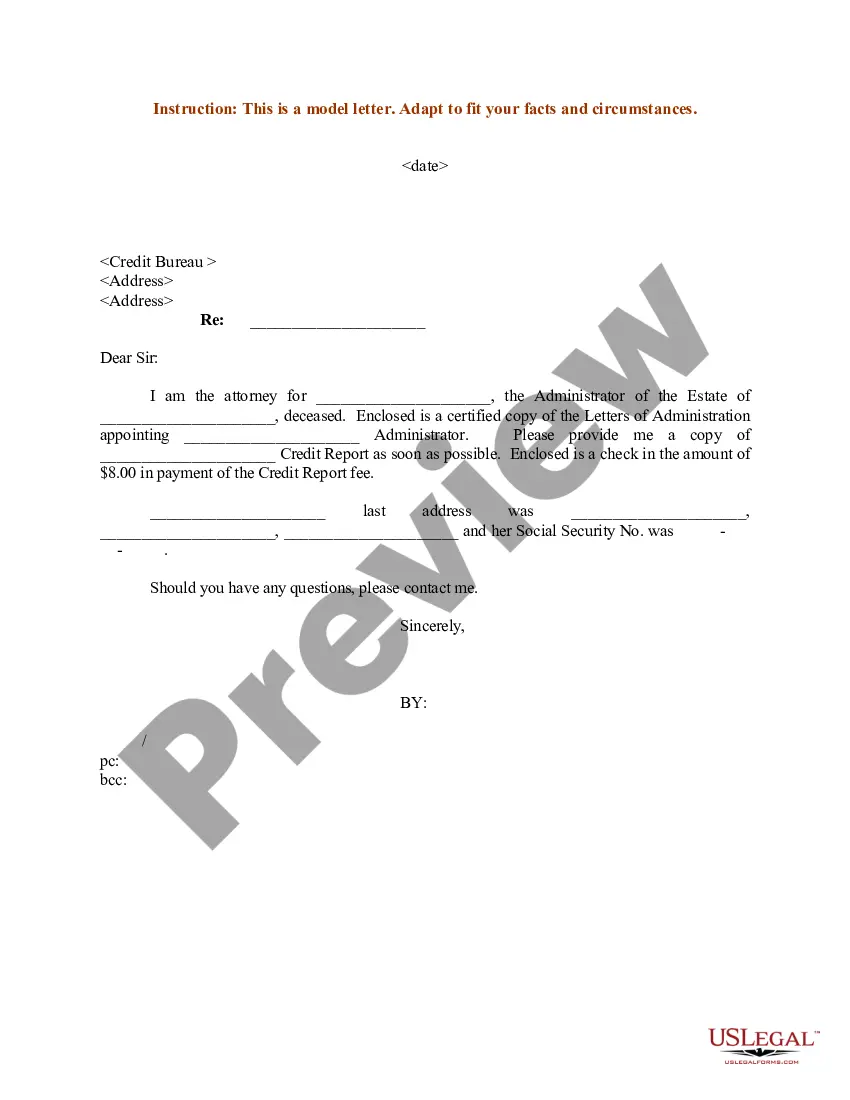

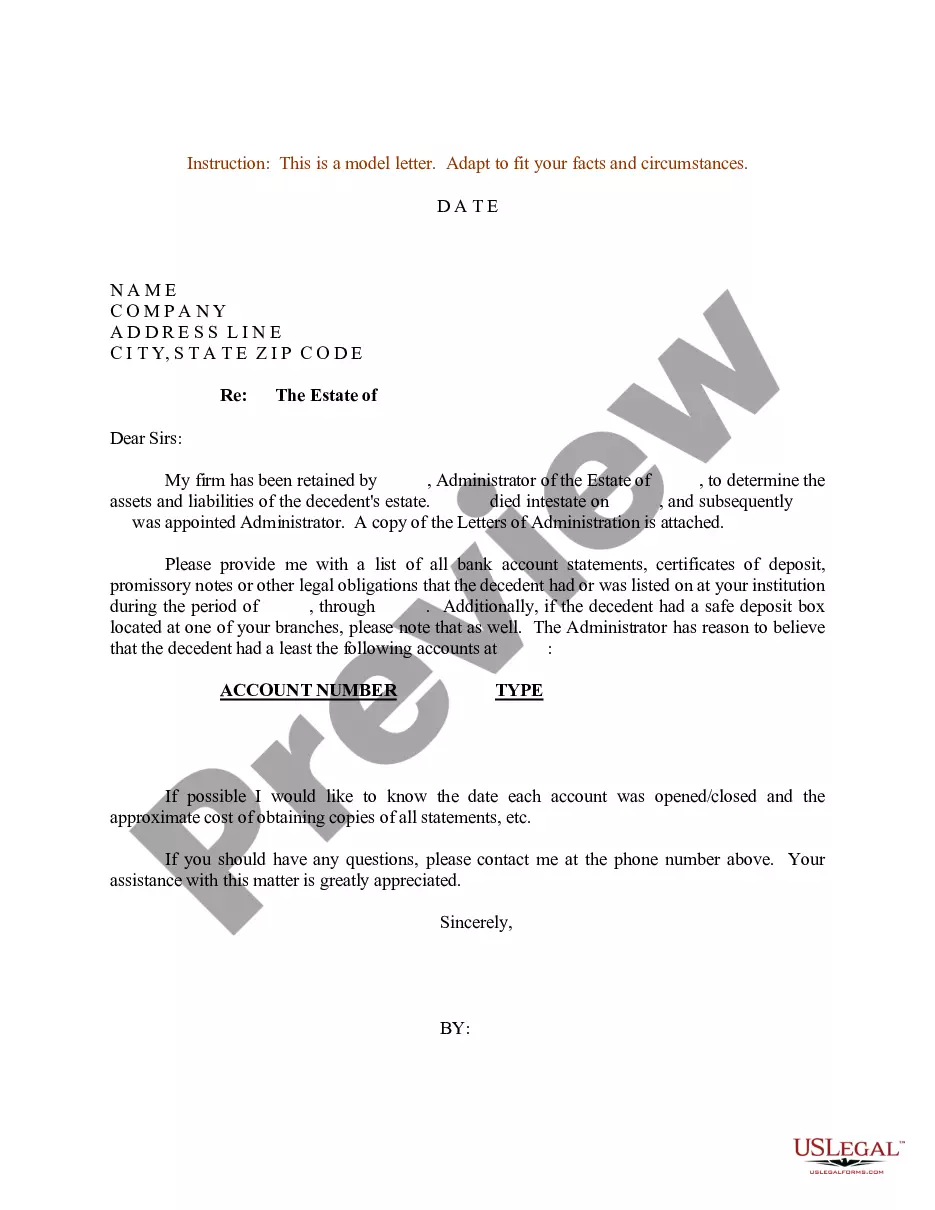
Get your form ready online
Our built-in tools help you complete, sign, share, and store your documents in one place.
Make edits, fill in missing information, and update formatting in US Legal Forms—just like you would in MS Word.
Download a copy, print it, send it by email, or mail it via USPS—whatever works best for your next step.
Sign and collect signatures with our SignNow integration. Send to multiple recipients, set reminders, and more. Go Premium to unlock E-Sign.
If this form requires notarization, complete it online through a secure video call—no need to meet a notary in person or wait for an appointment.
We protect your documents and personal data by following strict security and privacy standards.

Make edits, fill in missing information, and update formatting in US Legal Forms—just like you would in MS Word.

Download a copy, print it, send it by email, or mail it via USPS—whatever works best for your next step.

Sign and collect signatures with our SignNow integration. Send to multiple recipients, set reminders, and more. Go Premium to unlock E-Sign.

If this form requires notarization, complete it online through a secure video call—no need to meet a notary in person or wait for an appointment.

We protect your documents and personal data by following strict security and privacy standards.
Looking for another form?



Form popularity
FAQ
Executor compensation for VA estates is primarily calculated as a percentage of the qualified estate gross value (see limitations below): 5.0% on the first $400K. 4.0% on the next $300K.
Steps You Can Take to Avoid or Reduce Probate in Virginia Consult a Virginia Trusts and Estates Lawyer. Create a Revocable Living Trust. Add Beneficiaries to Appropriate Accounts. Transfer or Payable on Death Accounts. Joint Tenancy With Right of Survivorship. Transferring Property Before Your Death. No-Contest Clause.
Yes, all fiduciaries in Virginia handling the administration of an estate are required to file accountings unless filing requirements were waived at the time of your qualification.
A person can expect for the probate process in Virginia to take anywhere from six months up to a year or more. Generally, there is a creditor period, so an estate cannot be completely distributed and closed prior to the expiration of the six-month period.
A person can expect for the probate process in Virginia to take anywhere from six months up to a year or more. Generally, there is a creditor period, so an estate cannot be completely distributed and closed prior to the expiration of the six-month period.
64.2-508. Personal representative must send notice of the probate. An affidavit of that notice must be filed with the Clerk within 4 months. Not required if personal representative is the proponent is the sole heir and beneficiary or estate is less than $5000.
The probate of the will can usually wait until a week or so after the funeral. It is recommended that the initial steps in the estate process start within 30 days after death. If any questions exist, call your attorney or your local Circuit Court Clerk's Office.
In Virginia, your executor must not be a "person under a disability." This means an executor can't be: younger than 18 years old. incarcerated for a felony conviction. judged incapacitated by a court, or.
You'll have to file a request in the county where the deceased person lived at the time of their death. The paperwork will ask for you to be officially acknowledged as the legal executor representing the estate. In addition to the petition, you'll need to file a valid will, if one exists, and the death certificate.
