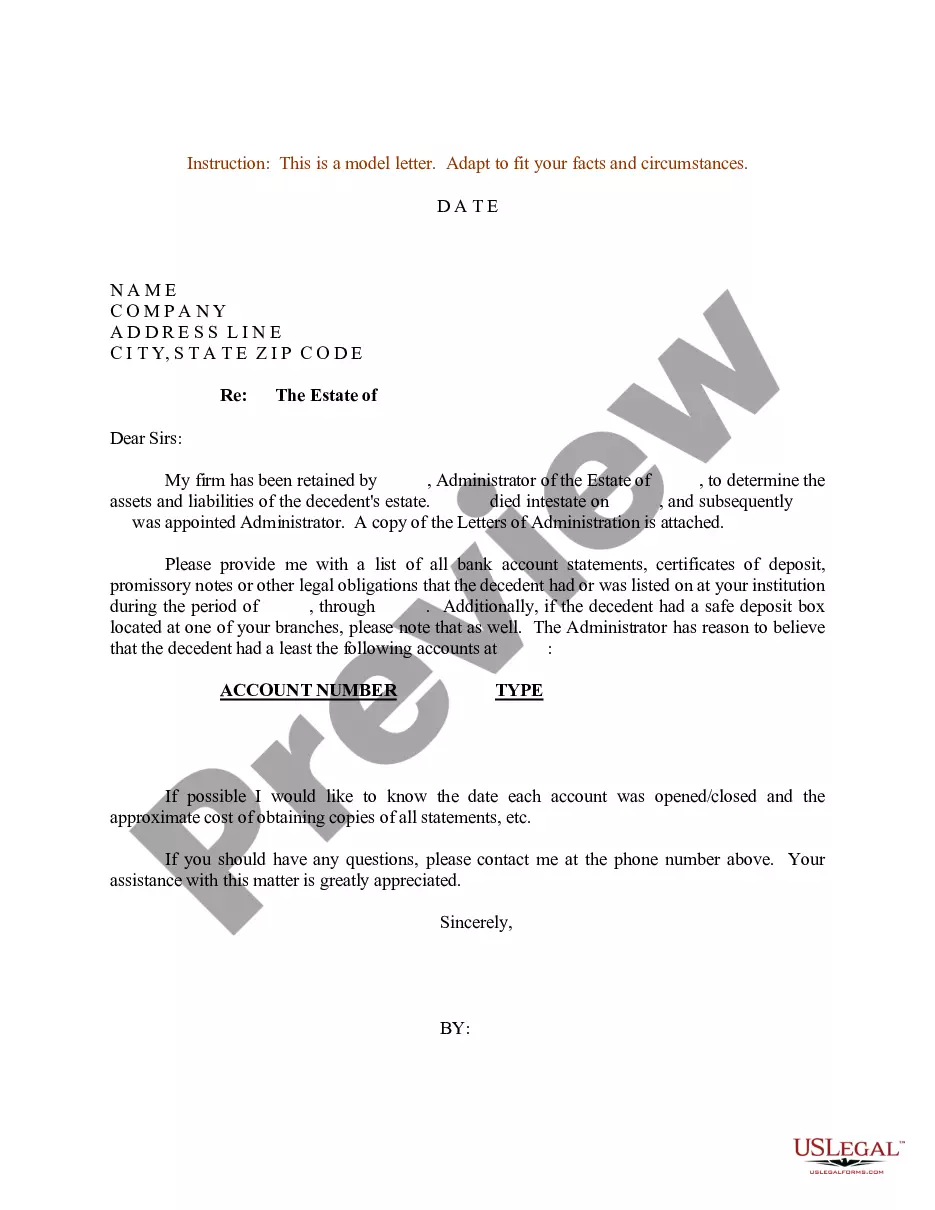
Sample Letter To Close Trust Account For Deceased Person In Contra Costa
Description


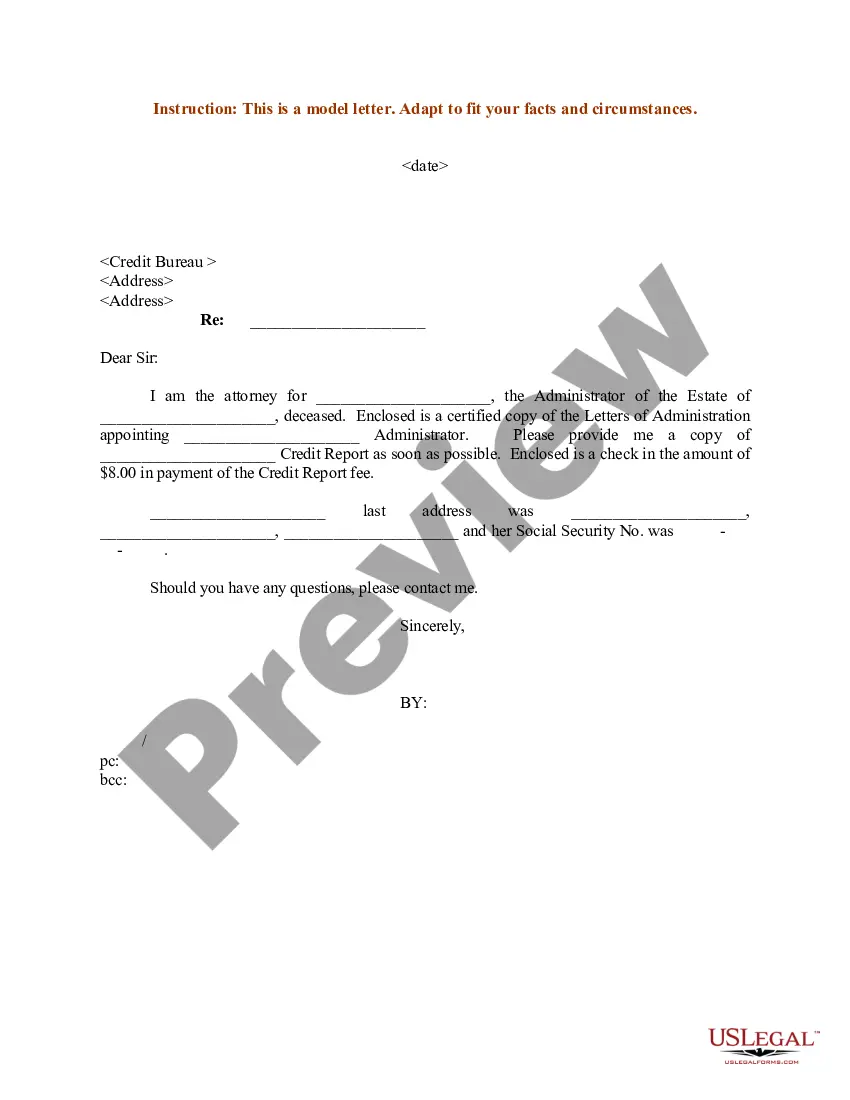

Get your form ready online
Our built-in tools help you complete, sign, share, and store your documents in one place.
Make edits, fill in missing information, and update formatting in US Legal Forms—just like you would in MS Word.
Download a copy, print it, send it by email, or mail it via USPS—whatever works best for your next step.
Sign and collect signatures with our SignNow integration. Send to multiple recipients, set reminders, and more. Go Premium to unlock E-Sign.
If this form requires notarization, complete it online through a secure video call—no need to meet a notary in person or wait for an appointment.
We protect your documents and personal data by following strict security and privacy standards.

Make edits, fill in missing information, and update formatting in US Legal Forms—just like you would in MS Word.

Download a copy, print it, send it by email, or mail it via USPS—whatever works best for your next step.

Sign and collect signatures with our SignNow integration. Send to multiple recipients, set reminders, and more. Go Premium to unlock E-Sign.

If this form requires notarization, complete it online through a secure video call—no need to meet a notary in person or wait for an appointment.

We protect your documents and personal data by following strict security and privacy standards.
Looking for another form?





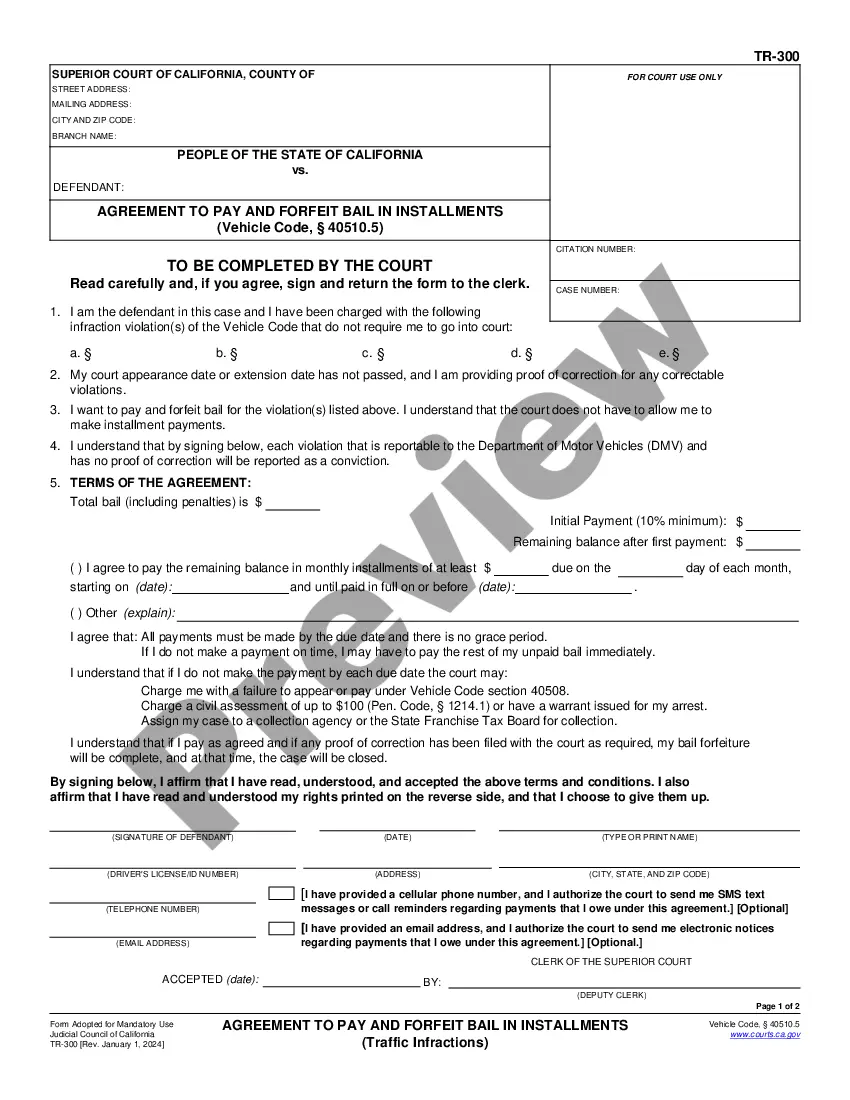

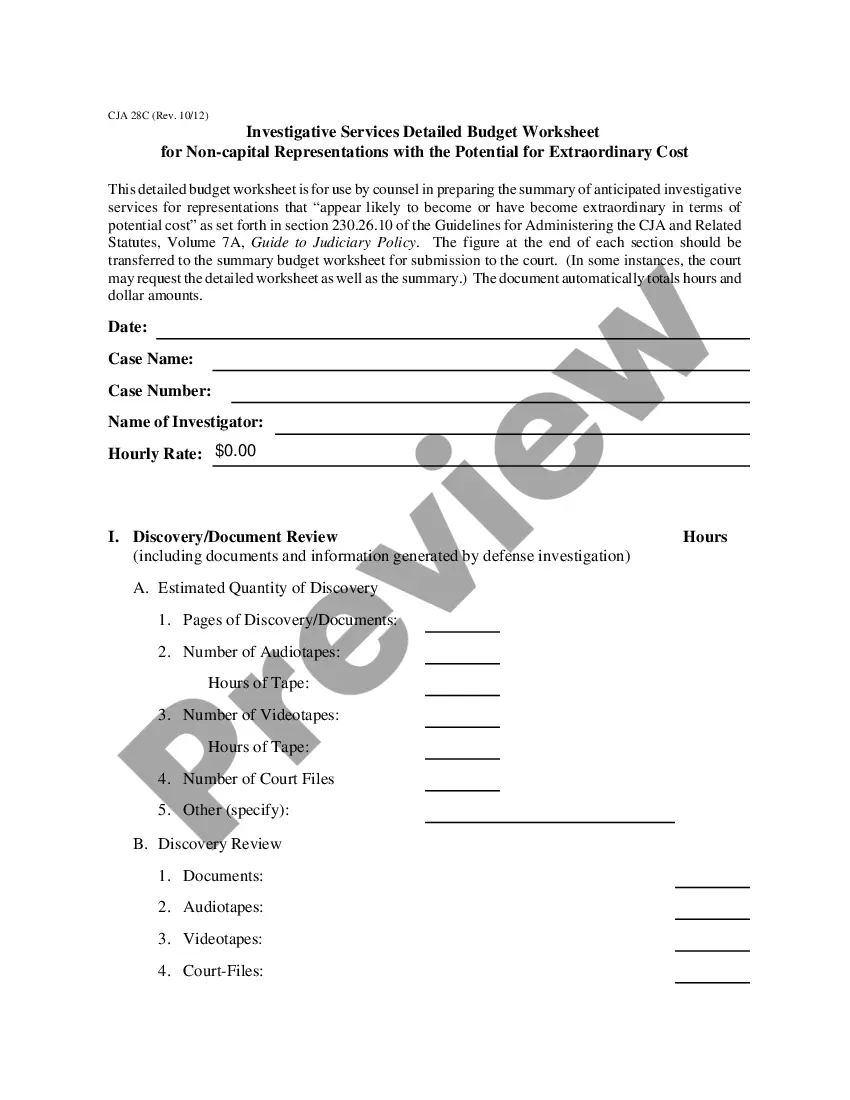

Form popularity
FAQ
A trust can remain open for up to 21 years after the death of anyone living at the time of the trust's creation, but that is not common procedure. Most trusts are settled when the grantor dies, and the successor trustee distributes the assets as quickly as possible.
This will normally require a Certification of Trust signed by a trust attorney, a death certificate of the trust creator, and a tax ID number. Finally, with all documents and rights verified, you can close the sale once the trustee, beneficiary, and buyer reach an agreeable deal.
To cancel a trust, trustees must first comply with the requirements in the trust deed, settle all financial and legal obligations, and distribute assets to beneficiaries. They then apply for deregistration through the Master of the High Court, which finalizes the trust's termination once all requirements are fulfilled.
Time Limits for Filing 120-day deadline: A petition for probate must typically be filed within 120 days of the decedent's passing. This step formally begins the probate process, allowing the court to appoint an executor or administrator to handle the estate.
A trust can remain open for up to 21 years after the death of anyone living at the time of the trust's creation, but that is not common procedure. Most trusts are settled when the grantor dies, and the successor trustee distributes the assets as quickly as possible.
Obtain signed documents from the beneficiaries acknowledging their receipt of trust distributions. Prepare trust dissolution documents that include the name of the trust, the date when it was created, the names of the grantors and settlors, and the date of dissolution.
The Trust Becomes Irrevocable One of the most important things that happens when a grantor dies is that a revocable living trust automatically becomes irrevocable. While the grantor was alive, they could make changes to the trust, such as modifying terms or removing assets.
Respected Sir/Madam, I am writing to you with a heavy heart to inform you of the demise of my husband, Mr. Rajeev Singh, who had a savings account in your esteemed bank. It is a difficult time for our family, and I need to settle his financial affairs.
The bank is likely to ask for two forms of your identification (usually a passport or driver's licence, or a proof of address with a utility bill) and a copy of the will. If there's no will, the bank could ask for evidence of your relationship to the deceased. You'll also need the death certificate.
To close a bank account after death, you must completely liquidate its funds. If you are a designated beneficiary on an account, the bank will release the funds in the account to you once you present it with a certified copy of the account owner's death certificate and your government-issued ID.
