Account Estate Bank Foreclosure In Contra Costa
Description


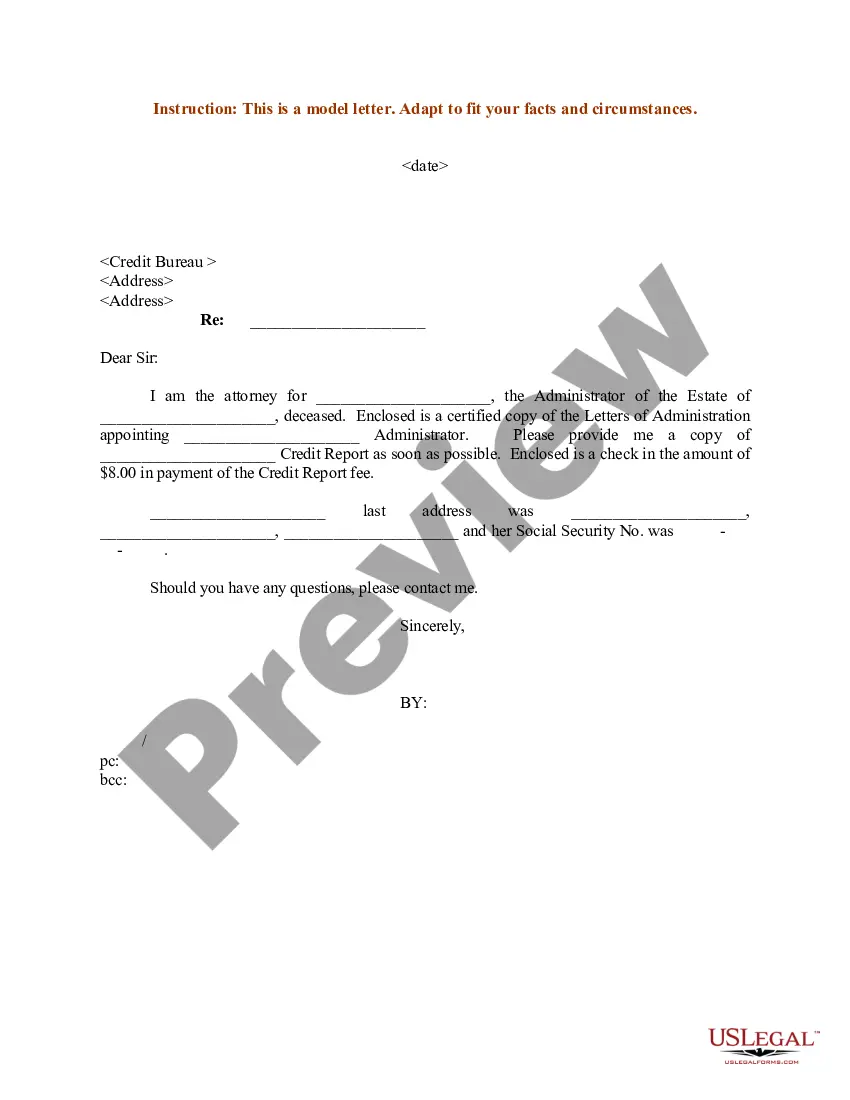

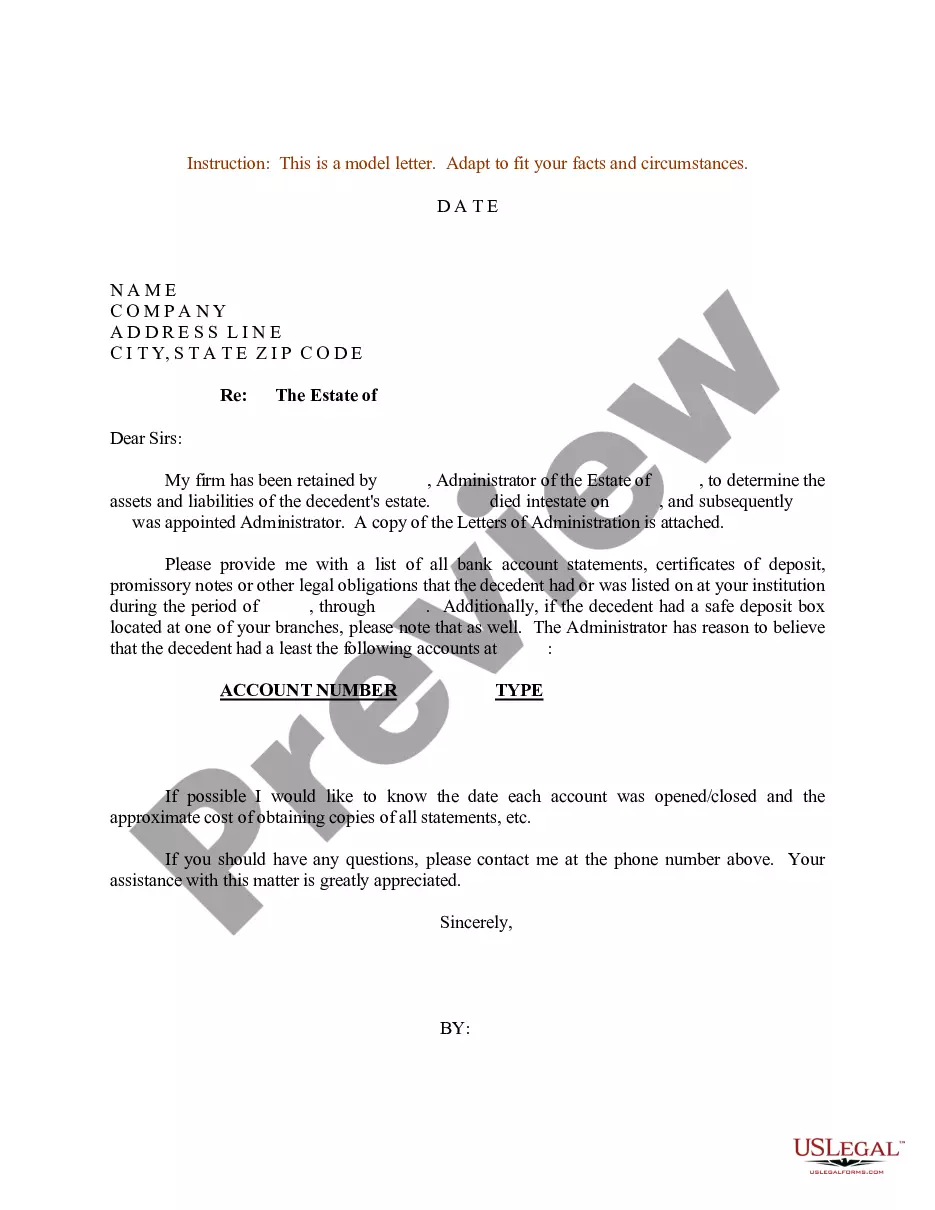
Get your form ready online
Our built-in tools help you complete, sign, share, and store your documents in one place.
Make edits, fill in missing information, and update formatting in US Legal Forms—just like you would in MS Word.
Download a copy, print it, send it by email, or mail it via USPS—whatever works best for your next step.
Sign and collect signatures with our SignNow integration. Send to multiple recipients, set reminders, and more. Go Premium to unlock E-Sign.
If this form requires notarization, complete it online through a secure video call—no need to meet a notary in person or wait for an appointment.
We protect your documents and personal data by following strict security and privacy standards.

Make edits, fill in missing information, and update formatting in US Legal Forms—just like you would in MS Word.

Download a copy, print it, send it by email, or mail it via USPS—whatever works best for your next step.

Sign and collect signatures with our SignNow integration. Send to multiple recipients, set reminders, and more. Go Premium to unlock E-Sign.

If this form requires notarization, complete it online through a secure video call—no need to meet a notary in person or wait for an appointment.

We protect your documents and personal data by following strict security and privacy standards.
Looking for another form?

Form popularity
FAQ
Once you've been appointed executor or personal representative by the probate court, you'll probably want to open a bank account in the name of the estate. Usually, an account for an estate is registered in this or a similar way: "Estate of Gerald S. Smith, Deceased, Pamela S. Smith, executor."
You'll have to file a request in the county where the deceased person lived at the time of their death. The paperwork will ask for you to be officially acknowledged as the legal executor representing the estate. In addition to the petition, you'll need to file a valid will, if one exists, and the death certificate.
In California, probate settles a deceased person's estate and is required in California if the estate is worth more than $184,500. It typically occurs when the deceased person died without a will, but it can occur even if the deceased person did have a will if they owned real property that is subject to probate.
Real or personal property that the person who died owned with someone else (joint tenancy) Property (community, quasi-community, or separate) that passed directly to the surviving spouse or domestic partner. Life insurance, death benefits or other assets not subject to probate that pass directly to the beneficiaries.
This form may be used to collect the unclaitred property of a decedent without procuring letters of administration or awaiting probate of the decedent's will if you are entitled to the decedent's property under Section 13101 of the California Probate Code.
It is here that it is determined if probate is required. If the total of all assets of the estate is below $166,250 or if there aren't any assets that require a complex transfer, the estate may not require a probate in California.
Low Value Assets: If an estate is of low value, usually $166,250 or less for both real estate and personal property in California, it can skip the process also.
How to Find Out if a House Is In Foreclosure The County Recorder's Office. The County Assessor's Website. Newspapers. Foreclosure List. Public Auction Listings. Local Property Tax Authorities. Local Real Estate Agencies. Bank Listings.
California's new foreclosure laws emphasize homeowners' rights and aim to reduce the stress associated with foreclosure. Some of the most impactful changes include: Enhanced Notification: Lenders must give more straightforward notices with specific timelines, allowing titleholders to understand their options.
How to Buy a Foreclosed Home in California Get Pre-Approved for a Mortgage. In order to get pre-approved or pre-qualified for a mortgage, you must provide a lender with information about your finances. Hire a Real Estate Agent. Submit Your Offer. Close the Sale. Buy a Foreclosed Home In California Now.
