Account Estate Bank Withdrawal In Collin
Description


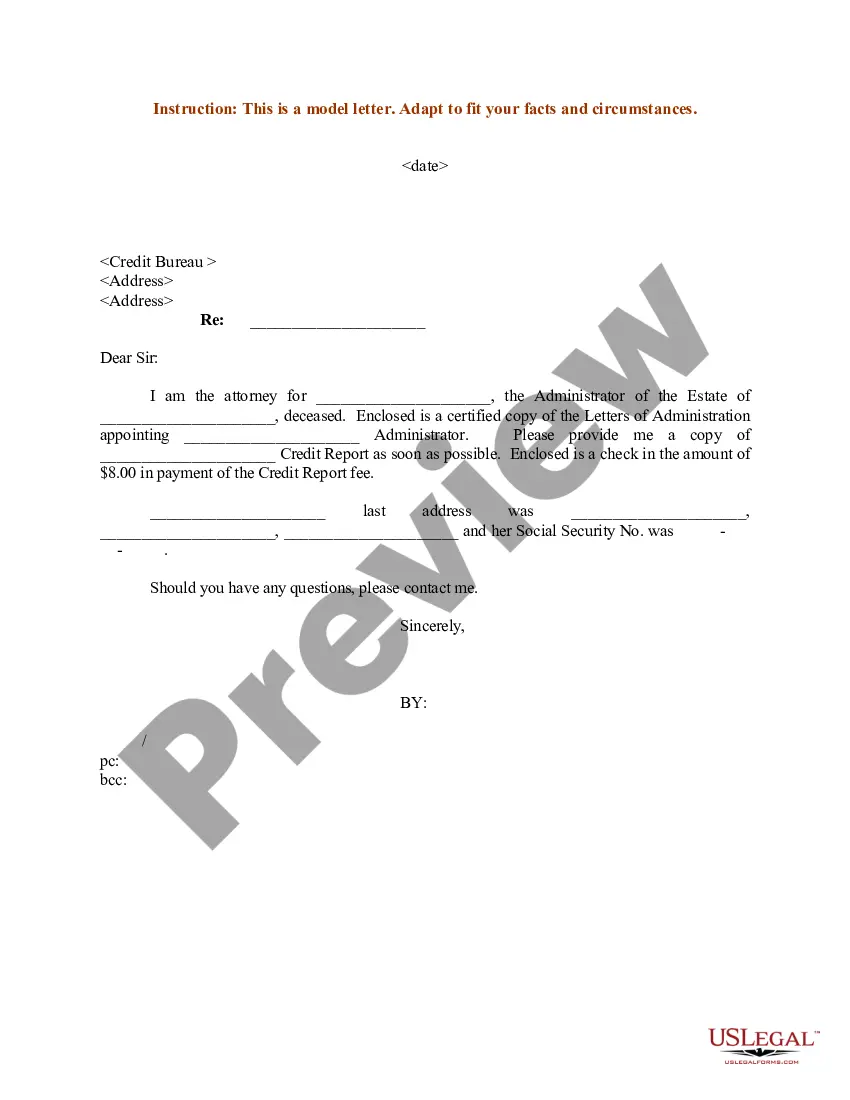

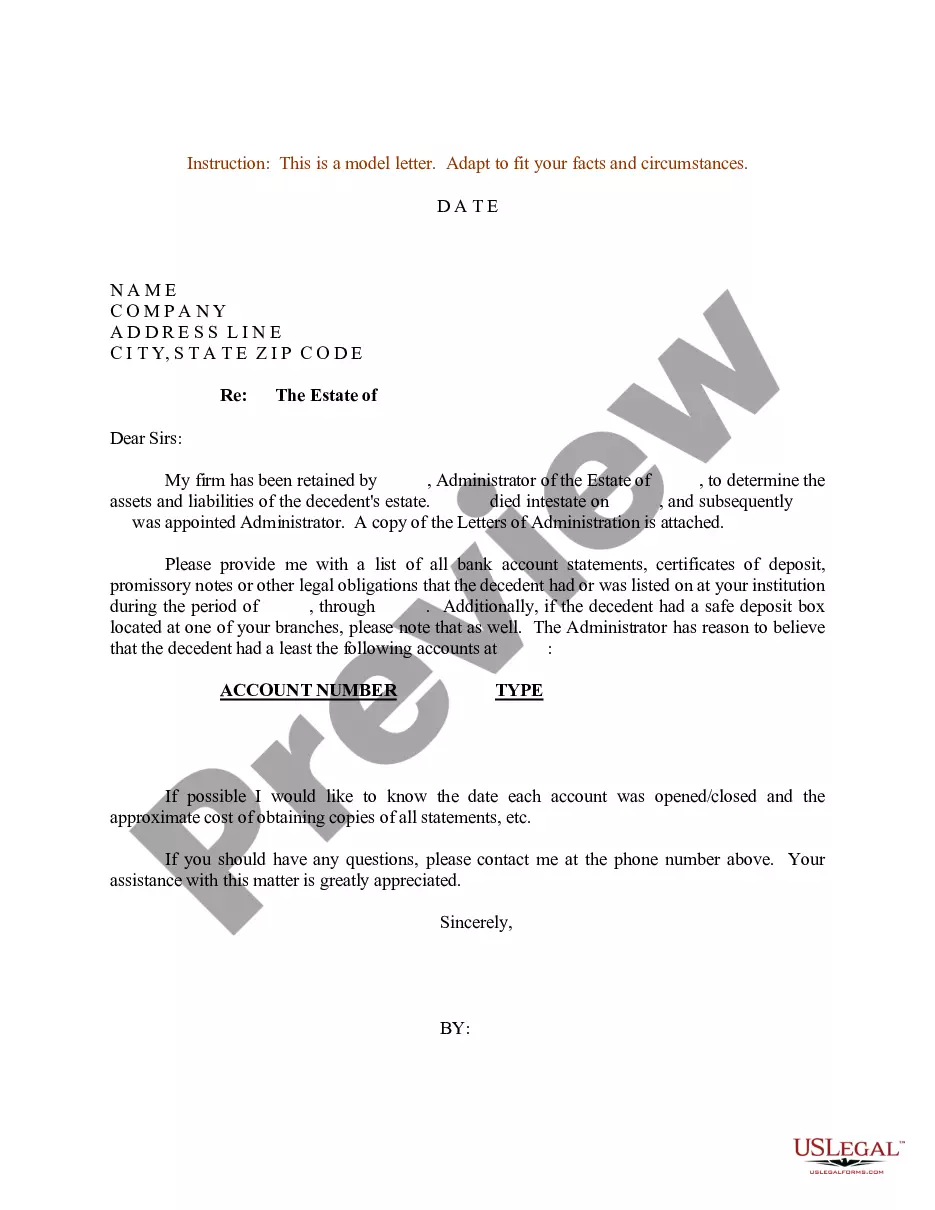
Get your form ready online
Our built-in tools help you complete, sign, share, and store your documents in one place.
Make edits, fill in missing information, and update formatting in US Legal Forms—just like you would in MS Word.
Download a copy, print it, send it by email, or mail it via USPS—whatever works best for your next step.
Sign and collect signatures with our SignNow integration. Send to multiple recipients, set reminders, and more. Go Premium to unlock E-Sign.
If this form requires notarization, complete it online through a secure video call—no need to meet a notary in person or wait for an appointment.
We protect your documents and personal data by following strict security and privacy standards.

Make edits, fill in missing information, and update formatting in US Legal Forms—just like you would in MS Word.

Download a copy, print it, send it by email, or mail it via USPS—whatever works best for your next step.

Sign and collect signatures with our SignNow integration. Send to multiple recipients, set reminders, and more. Go Premium to unlock E-Sign.

If this form requires notarization, complete it online through a secure video call—no need to meet a notary in person or wait for an appointment.

We protect your documents and personal data by following strict security and privacy standards.
Looking for another form?








Form popularity
FAQ
After someone dies, a sole-owned bank account may go to a named beneficiary or be handled by the executor of the estate. Joint accounts typically have automatic rights of survivorship, but it's still important to check with your bank to ensure smooth access to funds.
What is an executor account? An executor account is an account which allows the executor(s) to gather payments due to the deceased's estate before being distributed to the beneficiaries, such as the proceeds from the sale of a house.
The bank account will be frozen until the probate process is complete. If the bank isn't informed of the owner's passing and the account goes dormant, the account may be subject to escheatment, which turns the funds over to the state government. Escheatment generally occurs after a few years of abandonment.
The bank account will be frozen until the probate process is complete.
The best banks to open an estate account Schwab One Estate Account. Fidelity Estate Account. Estate Services. USAA Survivor Relations.
Aug. 30, 2024, at a.m. What Happens to Accounts After You Die? The account becomes part of the deceased owner's estate when there's no joint bank account holder or beneficiary.
Executor's Role and Timeline for Asset Distribution. In Texas, an executor is given up to three years from their court appointment to distribute assets, excluding those allocated to creditors.
How to wind up a deceased estate Step 1: Reporting the estate. The following documents are required. Step 2: Appointing an executor. Step 3: Gathering and valuing assets. Step 4: Settling debts and liabilities. Step 5: Preparing the liquidation and distribution account. Step 6: Paying creditors and taxes.
