Account Estate Bank Foreclosure In Clark
Description




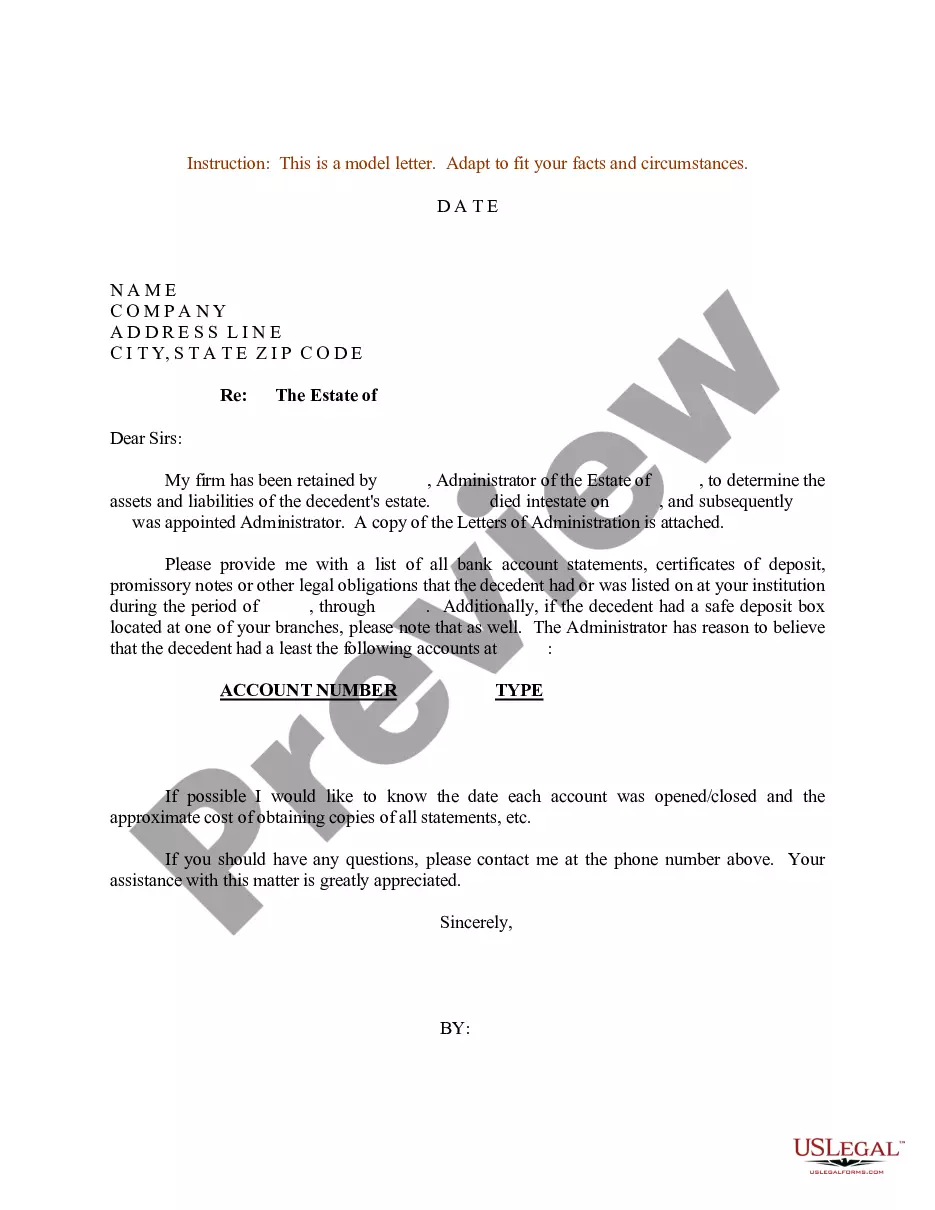
Get your form ready online
Our built-in tools help you complete, sign, share, and store your documents in one place.
Make edits, fill in missing information, and update formatting in US Legal Forms—just like you would in MS Word.
Download a copy, print it, send it by email, or mail it via USPS—whatever works best for your next step.
Sign and collect signatures with our SignNow integration. Send to multiple recipients, set reminders, and more. Go Premium to unlock E-Sign.
If this form requires notarization, complete it online through a secure video call—no need to meet a notary in person or wait for an appointment.
We protect your documents and personal data by following strict security and privacy standards.

Make edits, fill in missing information, and update formatting in US Legal Forms—just like you would in MS Word.

Download a copy, print it, send it by email, or mail it via USPS—whatever works best for your next step.

Sign and collect signatures with our SignNow integration. Send to multiple recipients, set reminders, and more. Go Premium to unlock E-Sign.

If this form requires notarization, complete it online through a secure video call—no need to meet a notary in person or wait for an appointment.

We protect your documents and personal data by following strict security and privacy standards.
Looking for another form?


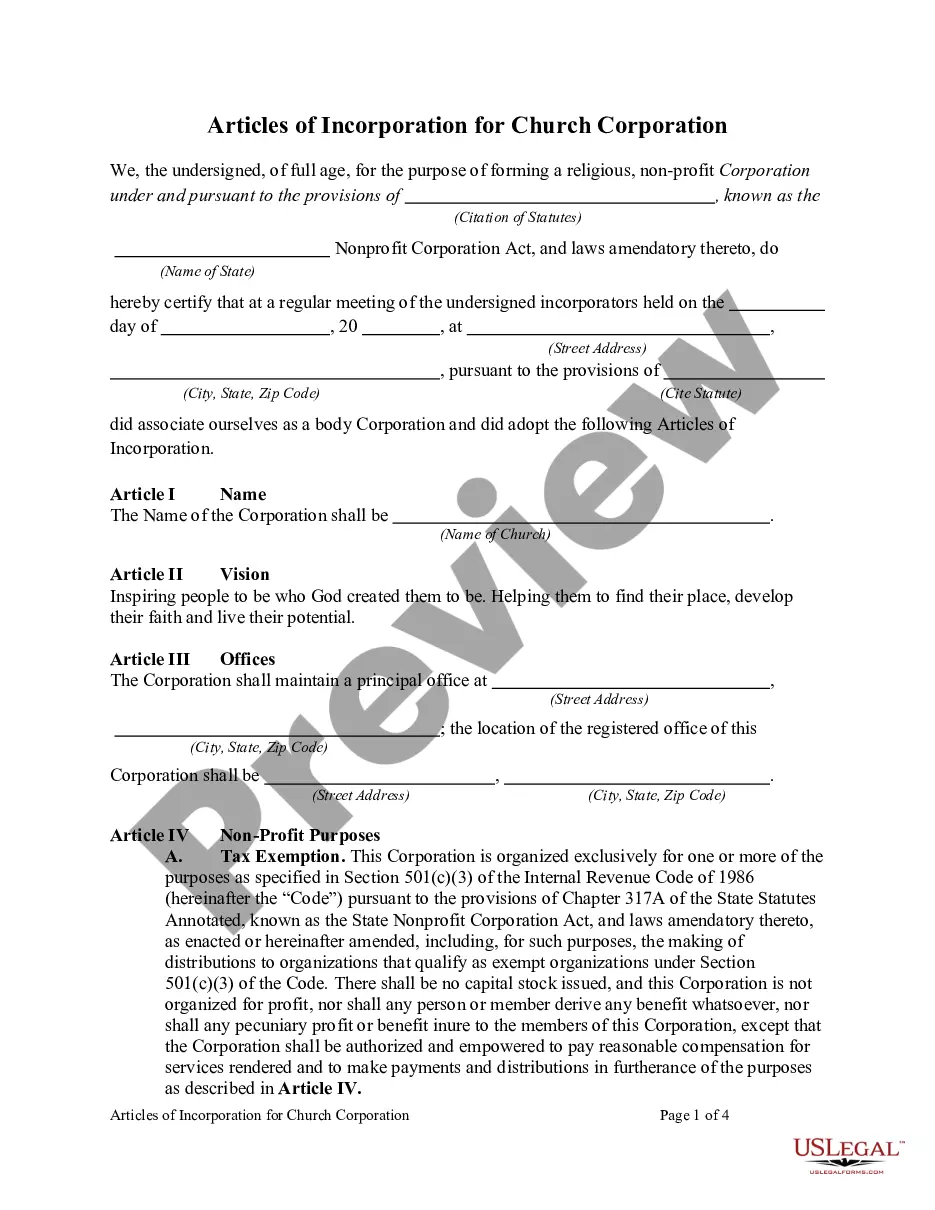

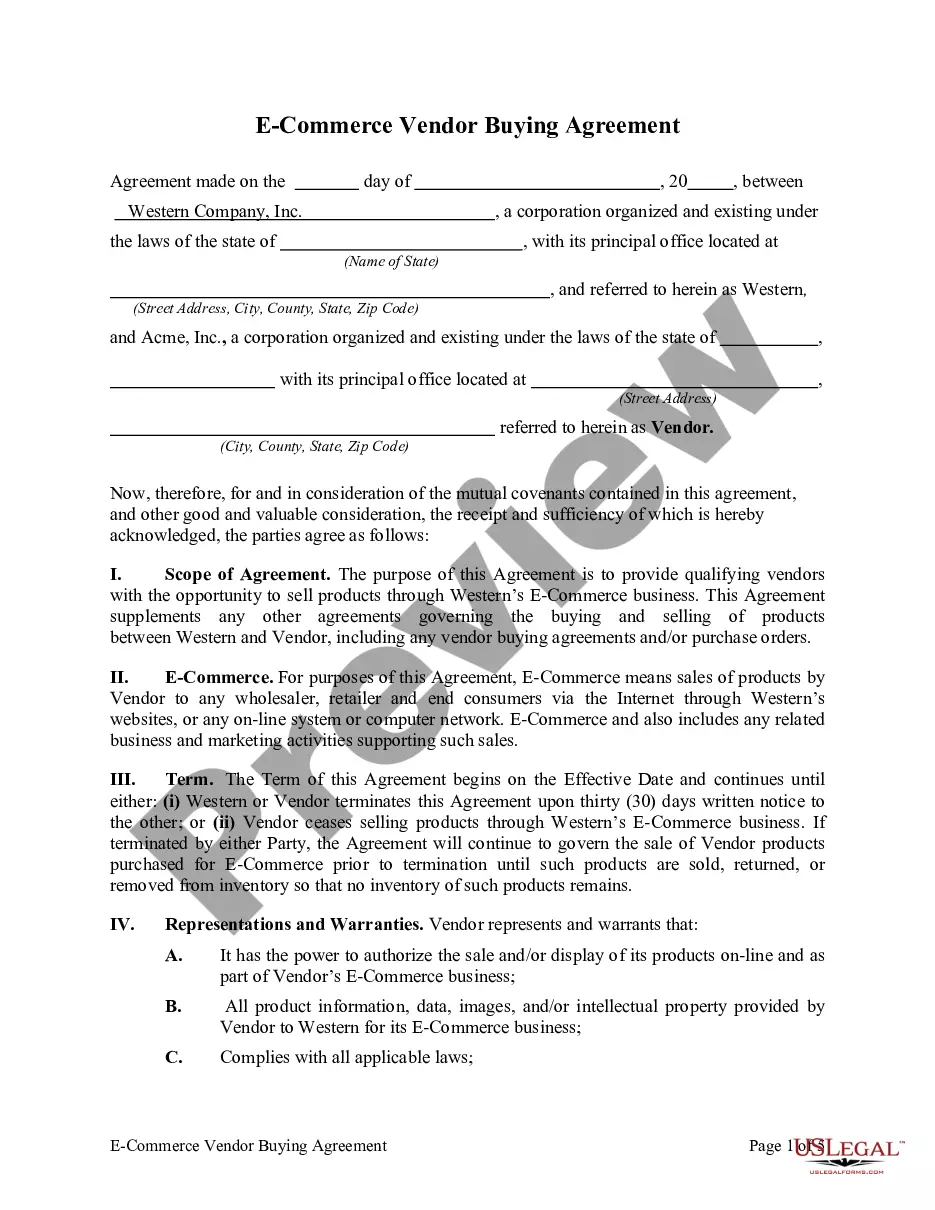

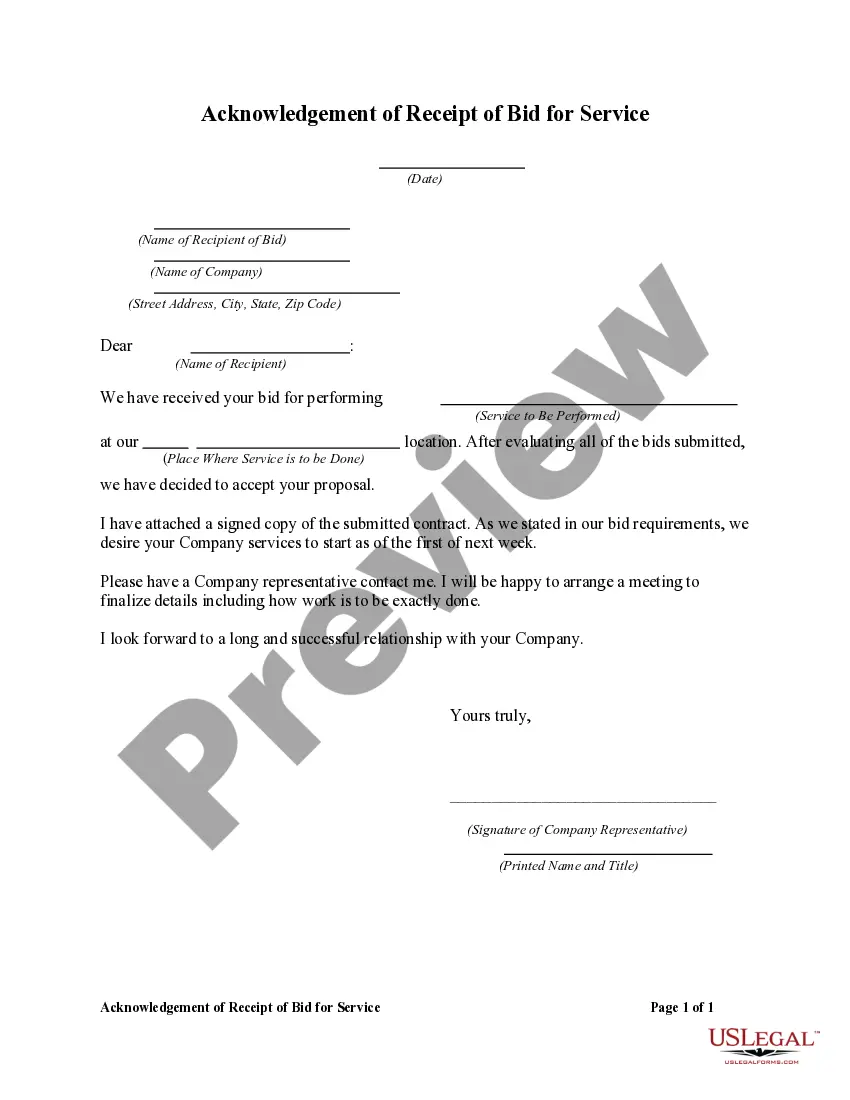

Form popularity
FAQ
Phase 5: Real Estate Owned (REO) If the property is not sold during the public auction, the lender will become the owner and attempt to sell the property through a broker or with the assistance of a real estate-owned (REO) asset manager.
MLS: Most lenders list their REO properties on a Multiple Listing Service (MLS), so any real estate agent can help you identify REO offerings in your area. Bank websites: Some banks and credit unions have an entire department set up to sell REOs, and sections of their websites are dedicated to their listings.
Visit your county's recorder's office. Once you've found your local records office, you can search for the property by the homeowner's name. Some offices maintain their records in print form, while others have switched to digital archives. Don't be afraid to ask the office clerk if you need assistance.
With a valid will, an executor is designated to handle the probate process, but without a will, instead of an executor, an administrator gets appointed. In New York, the closest living relative of your loved one will have to file for estate administration. This usually falls to the spouse or an adult child.
How Do I Become an Administrator or Executor? In New York, the Executor / Administrator is appointed by the Surrogate's Court located in the county where the decedent resided. Once the Will is admitted to probate, the Executor is appointed and may proceed to administer the estate.
It takes at least 6 to 8 months for a fore- closure lawsuit to go from summons and complaint to auction — even if you ignore the court case. In reality, however, the process is taking much longer. If you file an Answer and appear at the mandatory settlement conference, it is taking lenders 1 to 3 years to foreclose.
If there is no Will, an Intestate Administration proceeding is filed. The court will then appoint an Administrator and he or she will have all of the powers of an Executor.
How Long Does it Take to Become Executor of a New York Estate? The short answer: 2 to 6 months. Typically 3 months.
In a regular probate proceeding, the Court will issue an order appointing you the executor of the estate. In a small estate proceeding there is no order. Instead, the Court will issue you a certificate identifying you as the voluntary administrator and authorizing you to collect a specified asset or assets.
Getting started with probate in New York New York does not have a deadline for this, as other states do, but it is helpful to take this action as soon as possible to begin the process, especially if you will be going through full probate.
